Whether a Basset Hound Gets Cherry Eye
One of the most concerning things a Basset Hound owner can witness is a sudden, alarming change in their beloved dog’s eye. That bright, pinkish-red mass bulging out from the corner of the eye can spark instant panic, leaving you wondering what in the world is happening. This guide is here to shed light on "cherry eye" in Basset Hounds, exploring why they're particularly susceptible, how to spot it, and the best approaches to treatment and long-term care.
Understanding Cherry Eye in Basset Hounds
That unsettling pink blob in your Basset Hound's eye isn't just a strange anomaly; it's a specific condition that needs attention. Basset Hounds, with their distinctive facial structure and lovely, soulful eyes, unfortunately, have a higher predisposition to certain eye issues, and cherry eye is certainly one of them. Understanding what it is and why it happens can help you be better prepared.
What Exactly is Cherry Eye?
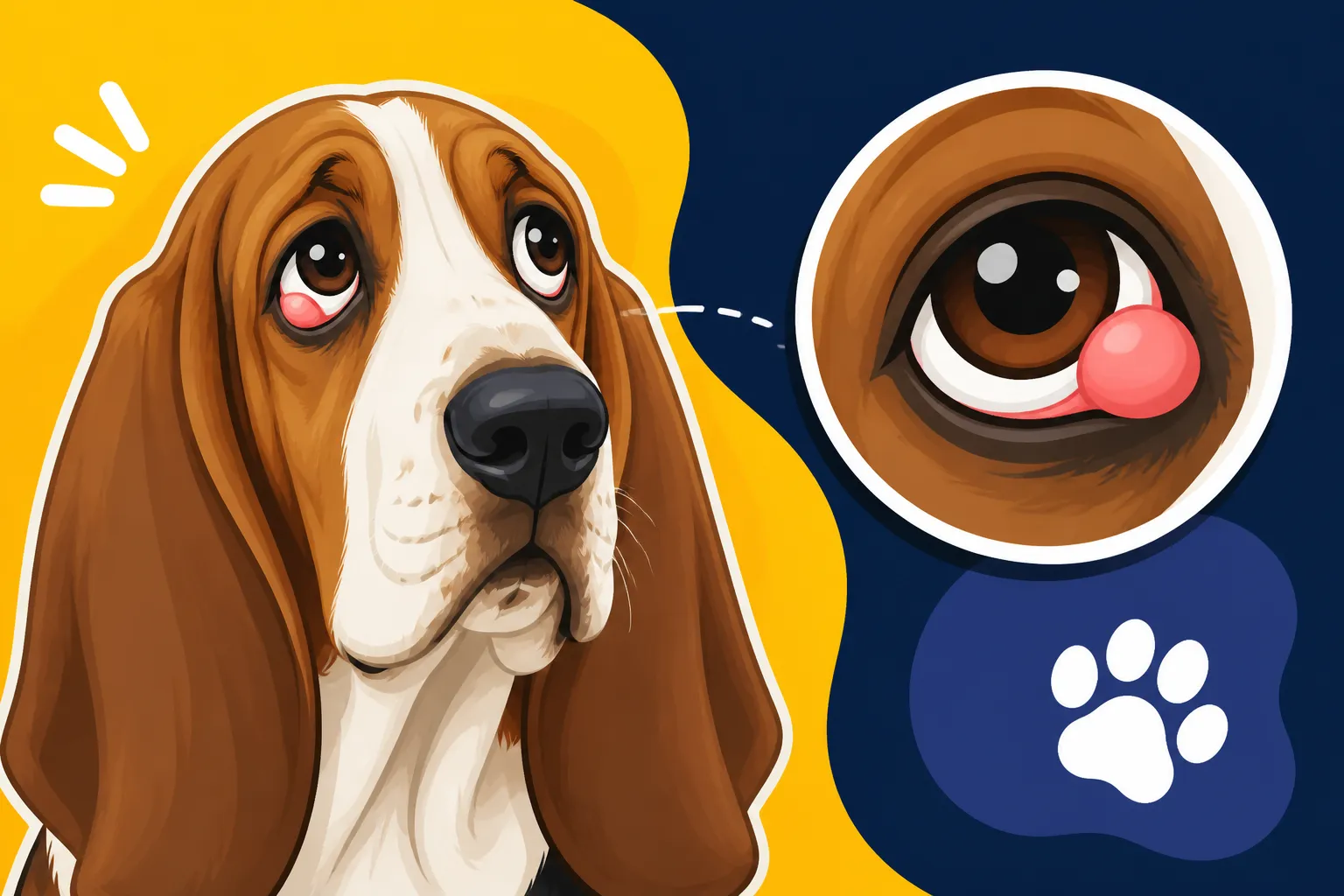
Cherry eye, medically known as a prolapse of the nictitans gland, sounds a lot scarier than what it actually is at its core. Essentially, dogs have a "third eyelid" (nictitating membrane) located in the inner corner of their eye, closest to the nose. This third eyelid contains a tear-producing gland, crucial for keeping the eye moist and healthy. Normally, this gland sits neatly tucked away, out of sight and doing its important job.
However, in certain breeds, the connective tissue that holds this gland in place can weaken or stretch. When this happens, the gland can pop out, or prolapse, from behind the third eyelid. Once it prolapses, it looks exactly like a small, reddish, cherry-like mass. It might appear suddenly, often overnight, and can be quite alarming for pet parents to see for the first time. This exposed gland can then become irritated, dry, and inflamed, leading to further complications if not addressed.
Why Basset Hounds Are Prone to Cherry Eye
It's a common frustration for Basset Hound owners: why do our dogs seem to get all the special conditions? When it comes to cherry eye, the answer lies partly in their genetics and breed-specific conformation. Basset Hounds, like many brachycephalic (short-nosed) breeds, as well as others with loose facial skin and prominent eyes, are genetically predisposed to this condition. The laxity in the connective tissues that support the nictitans gland is thought to be inherited.
This genetic tendency means that even if you do everything right, your Basset Hound might still develop cherry eye. It's not usually caused by injury or external factors, but rather an internal structural weakness. While it can occur in any dog breed, Basset Hounds are certainly on the list of breeds where veterinary professionals expect to see it more frequently. This predisposition highlights the importance of choosing a reputable breeder who screens for genetic health issues, though cherry eye isn't always a part of standard genetic panels. You might also notice that your Basset Hound's droopy eyelids cause trouble in general, making them more susceptible to various irritations.
Differentiating Cherry Eye from Other Eye Conditions
When you see a red, irritated eye on your Basset Hound, it's easy to jump to conclusions, especially with the internet full of scary possibilities. Cherry eye has a very distinct appearance, but it's important to know it's not the only thing that can make your Basset's eye red and swollen. A classic cherry eye presents as that unmistakable pink or red, round or oval mass emerging from the inner corner of the eye. It's usually smooth, not lumpy or ulcerated on the surface.
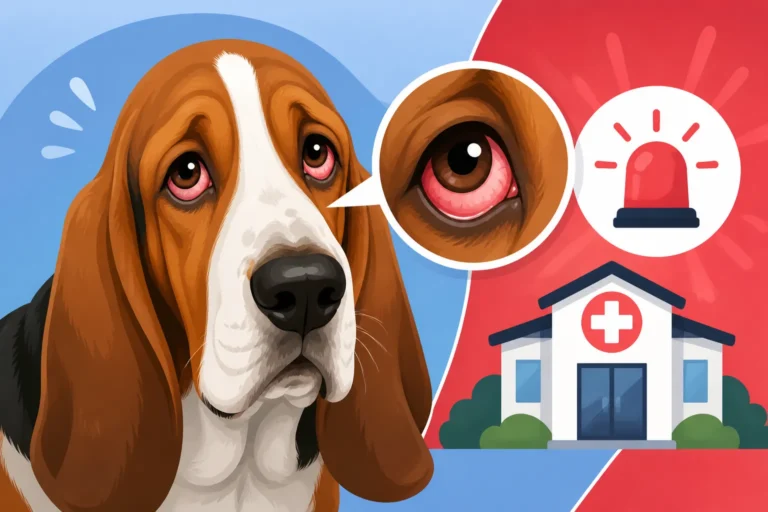
Other conditions, like conjunctivitis (pink eye), can cause redness and discharge, but typically without the distinct prolapsed gland. Allergic reactions can also cause eye irritation and swelling. Sometimes, foreign bodies lodged in the eye can cause intense redness, tearing, and squinting. Even more serious conditions, like glaucoma, can lead to a red, painful eye. If you're ever in doubt, or if the eye is painful, cloudy, or if your Basset Hound is exhibiting vision loss, consider it an emergency. Knowing whether a Basset Hound's red eye is an emergency is crucial for prompt treatment and preserving their sight. A veterinarian can accurately diagnose cherry eye and rule out other potential, sometimes more severe, conditions.
Recognizing the Signs and Symptoms
Catching cherry eye early can often make treatment more straightforward and prevent secondary issues. While the visual sign of the prolapsed gland is quite obvious, there are other subtle cues that your Basset Hound might be struggling with discomfort before the gland fully pops out, or as a consequence of it.
The Tell-Tale Red Mass
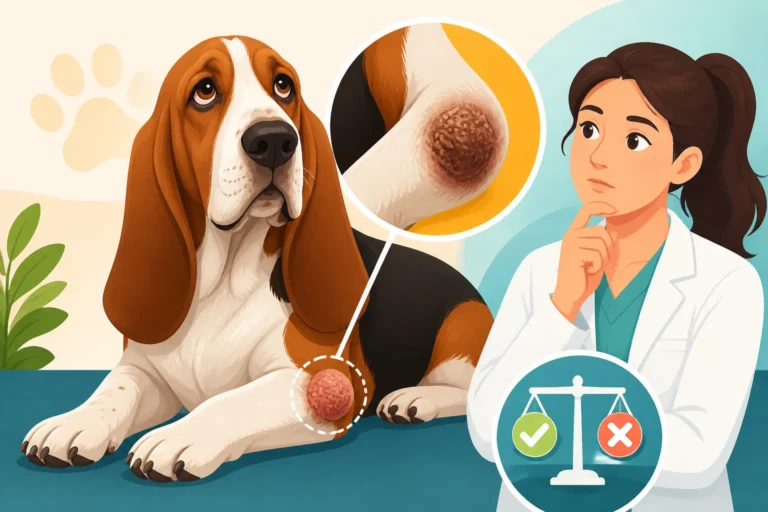
The most definitive and universally recognized sign of cherry eye is the appearance of a small, round, reddish-pink mass at the inner corner of your Basset Hound's eye. It truly does resemble a tiny cherry or even a small strawberry nestled there. This mass is the prolapsed gland itself. It might appear in one eye first, but it's not uncommon for it to eventually develop in the other eye as well, either simultaneously or at a later date.
Once the gland prolapses, it's exposed to air, dust, and other irritants that it normally wouldn't be. This exposure can lead to swelling, further inflammation, and a brighter red color. You might notice it's more prominent when your Basset is excited, stressed, or has been rubbing its face. This visual symptom is usually enough for a confident preliminary diagnosis, though a vet will confirm it.
Associated Eye Irritation and Discharge
Beyond the obvious "cherry," your Basset Hound will likely show other signs of discomfort. The exposed gland can't function properly, which means it might not produce enough tears, leading to a dry eye. Alternatively, the irritation can cause excessive tearing or a thick, mucousy discharge as the eye tries to protect itself. You might notice your Basset Hound:
- Rubbing or pawing at its eye: This is a classic sign of irritation.
- Squinting or holding the affected eye partially closed: An attempt to alleviate discomfort and protect the eye from light.
- Excessive blinking: Another reaction to irritation or dryness.
- Redness of the conjunctiva (the pink tissue lining the eyelids): The entire eye area might appear inflamed.
Any of these signs, especially when coupled with the presence of the prolapsed gland, indicates that your Basset is uncomfortable and needs veterinary attention. Ignoring these symptoms can lead to chronic dry eye, infections, and further damage to the sensitive ocular tissues.
When to Seek Veterinary Attention
The moment you notice that cherry-like mass in your Basset Hound's eye, it's time to call your veterinarian. While cherry eye isn't typically considered a dire emergency in the same way acute glaucoma might be, it definitely warrants prompt attention. The longer the gland remains prolapsed and exposed, the more inflamed, swollen, and potentially damaged it becomes. The delicate tear-producing tissue can suffer irreversible damage if left untreated for too long, increasing the risk of chronic dry eye later in life.
If you can't get to your regular vet immediately, and especially if your dog seems to be in significant pain, has a cloudy eye, or is losing vision, an emergency vet visit is in order. Early intervention helps preserve the gland's function, which is critical for your Basset Hound's long-term eye health. Don't try home remedies or wait for it to "go back in" on its own, as this rarely happens successfully without proper medical intervention.
Treatment Options for Cherry Eye
Once cherry eye is diagnosed, your veterinarian will discuss the best course of action. For Basset Hounds, and indeed most breeds, the primary and most effective treatment is almost always surgical. It's about getting that crucial tear gland back where it belongs and keeping it there.
Surgical Correction: The Primary Solution
The gold standard for treating cherry eye is a surgical procedure designed to reposition the gland back into its normal anatomical position behind the third eyelid. This isn't just about aesthetics; it's about preserving the gland's vital tear-producing function. There are several surgical techniques, but the most common involves creating a "pocket" or "suture" to tuck the gland back in and secure it. This is often referred to as the "pocket technique" or an "orbital rim tack."
The goal is to permanently anchor the gland, preventing future prolapse, and to restore its function. It's a delicate procedure, requiring a skilled veterinary surgeon. While it might sound daunting, the success rate for surgical correction is generally very high, especially when performed early. The procedure is typically done under general anesthesia, and your Basset Hound will need some post-operative care, including anti-inflammatory medications and antibiotics, to ensure proper healing. It's worth noting that what cherry eye surgery costs on a Basset Hound can be a significant expense, so it's wise to be prepared.
Non-Surgical Management: Is It Ever an Option?
While surgery is the most recommended and effective treatment, some owners might wonder if non-surgical options exist. In rare, very mild, or very acute cases, a veterinarian might attempt to manually massage the gland back into place, sometimes coupled with anti-inflammatory eye drops. However, this is usually a temporary fix, and the gland often prolapses again quickly because the underlying connective tissue weakness remains unaddressed.
For Basset Hounds, given their genetic predisposition, non-surgical approaches are rarely a long-term solution. The risk of recurrence is high, and prolonged exposure of the gland can lead to chronic inflammation, dry eye, and even surgical complications down the line. Most vets will strongly advise against solely relying on non-surgical methods as they don't solve the root problem and can lead to more severe issues that are harder to treat later. If the gland is badly swollen or infected, it must be treated with medication before surgery can even be considered.
Post-Operative Care and Potential Complications
After surgery, your Basset Hound will need your dedicated care to ensure a smooth recovery. You'll likely be sent home with a regimen of eye drops and oral medications, typically antibiotics and anti-inflammatories, to prevent infection and reduce swelling. An Elizabethan collar (the dreaded "cone of shame") will be absolutely essential to prevent your Basset from rubbing or scratching at the surgical site, which could cause serious damage or tear out sutures.
Expect some redness and swelling around the eye for a few days post-surgery. Your vet will schedule follow-up appointments to check on healing and remove any external sutures if necessary. While surgery is highly successful, potential complications include the gland re-prolapsing (though less common with proper technique), infection, or developing dry eye even after successful repositioning if the gland was severely damaged prior to surgery. Being diligent with post-operative care is critical to minimizing these risks and ensuring your Basset Hound's comfortable recovery.
Long-Term Management and Prevention
Even after successful surgery, understanding the long-term implications and how to support your Basset Hound's eye health is important. Since Basset Hounds have a genetic predisposition, being proactive and informed is key.
The Likelihood of Recurrence and Bilateral Occurrence
One of the biggest concerns for owners after a cherry eye surgery is whether it will happen again. While the surgical techniques are designed to be permanent, there's always a slight chance of recurrence in the same eye. This is especially true if the original tissues were severely weakened or if the Basset Hound frequently rubs its eyes post-op. More commonly, if one eye has developed cherry eye, there's a significant likelihood that the other eye will eventually develop it too, even if it hasn't shown signs yet. This is due to the underlying genetic predisposition that affects both eyes.
Because of this, many veterinarians will advise owners to be vigilant about checking the "healthy" eye for any early signs. Some owners choose to have the prophylactic surgery on the second eye if it shows even the slightest sign of weakness, to avoid emergency situations later on. It's a conversation to have with your vet, weighing the risks and benefits for your individual Basset Hound.
Supporting Your Basset Hound's Eye Health
Beyond addressing cherry eye, Basset Hounds often benefit from a general regimen of eye care due to their unique facial structure. Their loose skin and droopy eyelids can lead to other issues. Regular, gentle cleaning around the eyes with a soft, damp cloth can help remove any discharge and prevent irritation. Be mindful of their long ears, which can sometimes sweep dirt or food into their eyes. You might even want to ensure their food and water bowls are designed to keep their ears out, which indirectly helps keep their face cleaner.
For Bassets with chronically teary eyes or prone to staining, your vet might recommend specific wipes or gentle cleansers. Good general health, a balanced diet, and avoiding irritants like strong cleaning fumes or excessive dust in their living environment also contribute to overall eye health. Remember, a Basset Hound's eye care costs can add up, so preventative measures and regular check-ups are always a good idea.
Discussing Cherry Eye with Your Breeder
If you're considering getting a Basset Hound puppy, discussing cherry eye and other breed-specific health concerns with the breeder is crucial. A responsible breeder will be transparent about the health history of their breeding lines and should be aware of any incidence of cherry eye in their dogs or their offspring. While there isn't a specific genetic test for cherry eye like there is for some other conditions, an ethical breeder will prioritize overall eye health and structural soundness.
They should be able to provide clear information on the parents' health, and perhaps even eye screening results for conditions like glaucoma. Although cherry eye itself isn't typically part of a standard eye certification like OFA Eye Certification, a breeder who pays attention to overall health and conformation will be a better choice. Asking about the health tests a Basset Hound breeder should run, including any eye-specific checks, demonstrates your commitment to responsible pet ownership.
Financial Considerations and Pet Insurance
Let's be real, owning a Basset Hound is a financial commitment, and unexpected veterinary expenses like cherry eye surgery can hit hard. It’s important to understand the potential costs involved and how best to prepare for them.
The Cost of Diagnosis and Treatment
The cost of diagnosing and treating cherry eye can vary significantly based on your geographic location, the veterinary clinic, and the specific surgical technique used. Initial consultations and diagnostic fees might include a general exam and perhaps some eye-specific tests to rule out other conditions. If surgery is recommended, which it almost always is, the procedure itself will be the most substantial cost.
What cherry eye surgery costs on a Basset Hound can range from several hundred dollars to well over a thousand per eye. This estimate usually includes the anesthesia, the surgical procedure, post-operative medications, and follow-up visits. If both eyes need surgery, either at the same time or sequentially, you’re looking at double the expense. This is definitely one of those situations where setting aside money for your Basset Hound's vet bills or having pet insurance becomes incredibly valuable.
How Pet Insurance Can Help
This is where pet insurance, like plans offered by Healthy Paws, can be a real lifesaver. Investing in a good pet insurance policy when your Basset Hound is young and healthy can help cover a significant portion of unexpected veterinary expenses, including surgeries for conditions like cherry eye. Most comprehensive policies will cover accidents and illnesses, which cherry eye falls under.
When considering pet insurance, it’s important to review policy details carefully. Look for coverage specifics regarding inherited and congenital conditions, which cherry eye is. Understand deductibles, reimbursement percentages, and annual limits. While no one wants their dog to need surgery, having a policy in place can ease the financial burden and allow you to make decisions based on what’s best for your Basset Hound’s health, rather than your wallet. Knowing what insuring a Basset Hound runs monthly can help you budget for this crucial safety net.
Budgeting for Unexpected Veterinary Expenses
Even with pet insurance, there will always be some out-of-pocket expenses, such as your deductible and any co-pay. Beyond cherry eye, Basset Hounds are prone to other health issues like ear infections and back problems, which can also incur significant costs. Therefore, it's wise to have an emergency fund specifically for your pet's health.
Consider contributing a small amount monthly to a dedicated savings account. This fund, combined with pet insurance, creates a robust financial safety net. Regular veterinary check-ups are also part of good budgeting, as they can catch potential problems early, often when they are less expensive and easier to treat. This proactive approach ensures you’re ready for whatever health challenges your beloved Basset Hound might face throughout its lifespan.
Living with a Basset Hound Prone to Eye Issues
Caring for a Basset Hound with a predisposition to eye issues means integrating special care into your daily routine. It's all about proactive measures and a keen eye (pun intended!) for any changes.
Daily Eye Care Routines
Because Basset Hounds have those wonderfully droopy eyelids and often loose facial skin, their eyes can be more susceptible to collecting debris, dust, and discharge. Establishing a daily eye care routine is a simple yet effective way to prevent irritation and catch issues early. Gently wipe around your Basset's eyes with a soft, clean, damp cloth or a veterinarian-approved eye wipe. Always wipe away from the eye, never directly into it, and use a fresh part of the cloth for each eye to prevent spreading any potential infection.
Keep an eye out for any excessive redness, discharge, squinting, or pawing. If you notice any of these, it's a sign to increase your vigilance or contact your vet. This routine can help keep their eyes clean and comfortable, reducing the chances of secondary infections or discomfort from minor irritants.
Environmental Management
Your Basset Hound's environment plays a significant role in their overall eye health. Minimize exposure to irritants that can exacerbate eye conditions. This means keeping their living areas clean and dust-free, and avoiding strong air currents from fans or open car windows that can dry out their eyes. If you use harsh cleaning chemicals, ensure your Basset is in another room and the area is well-ventilated before they return.
Consider how your Basset Hound eats and drinks. Their long ears often drag in food and water, which can then transfer bacteria or wetness to their face and eyes. Using raised feeders or special bowls designed to keep ears out, or even a snood during meal times, can help keep their facial area cleaner and drier. A simple measure like this can reduce potential irritation around the eyes and face folds, which also helps if your Basset Hound's skin folds need cleaning regularly.
Advocating for Your Basset Hound's Well-being
As your Basset Hound’s primary caregiver, you are their strongest advocate. This means staying informed about breed-specific health concerns, knowing what to look for, and being prepared to communicate effectively with your veterinarian. Don’t hesitate to ask questions during vet visits, whether it’s about prevention, treatment options, or long-term prognosis.
If you notice any concerning symptoms, trust your instincts and seek professional advice promptly. Be diligent with prescribed medications and follow post-operative instructions to the letter. Partnering with your vet and being proactive in your Basset Hound’s care will lead to a healthier, happier life for your beloved companion, allowing them to enjoy their golden years with the best possible vision and comfort. Companies like Healthy Paws exist to support pet parents through these medical journeys, so leverage all the resources available to you.
| Aspect | Cherry Eye | General Eye Irritation / Conjunctivitis | Glaucoma (Acute) |
|---|---|---|---|
| Appearance | Pink/red mass at inner corner of eye | Redness of conjunctiva, possibly swollen eyelids | Red, often cloudy or blueish eye; dilated pupil |
| Primary Cause | Prolapse of tear gland (genetic predisposition) | Allergies, bacteria, viruses, foreign body | Increased pressure inside the eye (genetic, injury) |
| Discharge | Clear or mucousy, sometimes dry eye | Watery, mucousy, or pus-like | Often watery, sometimes thick discharge |
| Pain Level | Mild to moderate discomfort, can become painful | Mild to moderate itchiness/discomfort | Severe pain, often causing squinting/holding eye shut |
| Urgency | Prompt vet visit (within 24-48 hours) | Vet visit if persistent or worsening | EMERGENCY! Immediate vet attention needed |
| Treatment | Surgical repositioning (primary) | Eye drops (antibiotic, anti-inflammatory), cleaning | Emergency pressure-lowering drops, surgery likely |
| Basset Hound Link | High genetic predisposition | Susceptible due to droopy eyelids and fold anatomy | Genetic predisposition (e.g., Open Angle Glaucoma) |
Disclaimer
The information provided in this article is for general informational purposes only and is not intended as a substitute for professional veterinary advice. Always consult with a qualified veterinarian for any health concerns or before making any decisions related to your pet's health or treatment.