Whether a Basset Hound Goes Blind From Glaucoma
It’s a heartbreaking worry for any Basset Hound owner: seeing those soulful, droopy eyes clouded with pain or, worse yet, losing their sight entirely. The truth is, glaucoma is a serious and often painful condition that disproportionately affects our beloved Bassets, and yes, it can absolutely lead to irreversible blindness if not caught and managed promptly. This guide will walk you through everything you need to know about glaucoma in Basset Hounds, from recognizing the subtle early signs to understanding treatment options and how to support your hound if vision loss occurs.
Understanding Glaucoma in Basset Hounds
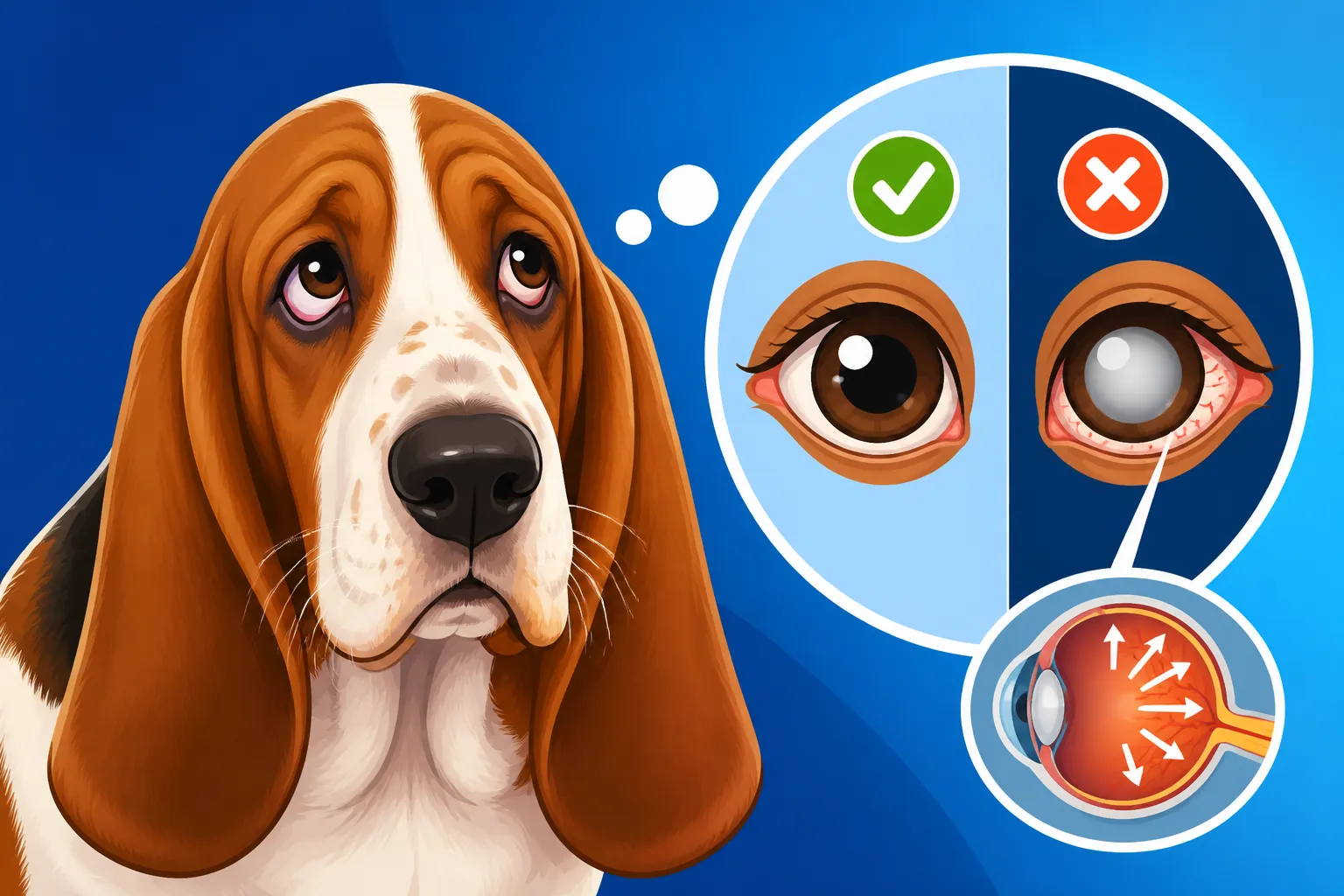
Glaucoma is not just one disease; it's a group of eye conditions that damage the optic nerve, the vital cable connecting the eye to the brain, and it's almost always associated with high pressure inside the eye, known as intraocular pressure (IOP). For Basset Hounds, this isn't just a random occurrence; it's a genetic predisposition that makes them particularly vulnerable.
What is Glaucoma and Why Basset Hounds Are Prone
At its core, glaucoma is about fluid. Your dog's eye constantly produces a clear fluid called aqueous humor, which nourishes the eye and maintains its shape. This fluid needs to drain out at a steady rate to keep the internal eye pressure stable. When the drainage system isn't working correctly, fluid builds up, causing pressure to rise. Think of it like a sink with a tap running and a partially blocked drain – eventually, the sink overflows. In the eye, this "overflow" pressure pushes on the delicate optic nerve and retina, progressively damaging them.
Basset Hounds are genetically prone to certain types of glaucoma, primarily due to the unique structure of their eyes. Many Bassets inherit a narrow or abnormally formed drainage angle within the eye, which is the area where the aqueous humor is supposed to exit. This anatomical quirk means their eyes are less efficient at draining fluid, setting them up for pressure spikes. This inherited condition is often referred to as primary glaucoma, and sadly, it’s a big reason why many Bassets face this challenge. Understanding The Glaucoma a Basset Hound Inherits is crucial for any owner or potential owner.
The Different Types of Glaucoma Affecting Bassets
While there are several classifications of glaucoma in dogs, Basset Hounds are most commonly affected by primary glaucoma, which is not caused by another underlying eye disease. Within primary glaucoma, we often see two main forms:
- Primary Open-Angle Glaucoma (POAG): This type is insidious because it often develops slowly, and the drainage angle appears "open" or normal on examination, yet it's functionally compromised. The microscopic structures within the drainage angle simply don't work efficiently. The pressure rises gradually, often without immediate, obvious signs of pain or redness, which makes it incredibly dangerous as vision can be lost before you even realize there's a problem. This slow, silent progression is a major concern, and understanding What Open Angle Glaucoma Does to a Basset Hound can help owners be more vigilant.
- Primary Angle-Closure Glaucoma (PACG): This is the more dramatic and acute form. Here, the drainage angle itself suddenly becomes blocked or "closed off," often due to an anatomical abnormality or pupil dilation, leading to a rapid and severe spike in intraocular pressure. This is an emergency situation, as permanent blindness can occur within hours if not treated immediately. You'll often see a very red, painful, cloudy eye. Some Basset Hounds might also develop secondary glaucoma, which occurs as a complication of another eye condition like a severe infection, inflammation, or a tumor, but primary forms are the more significant concern for the breed.
Early Signs and Symptoms to Watch For
Catching glaucoma early is absolutely critical to preserving your Basset's sight, but it can be tricky, especially with POAG. Those early signs can be subtle, easily mistaken for general tiredness or minor irritation. It's often asymmetrical, meaning one eye might be affected before the other, which can make it harder to spot if you're not specifically looking for differences.
Keep a close watch for:
- Subtle Squinting or Blinking More Than Usual: This can be a sign of discomfort or pain. Your Basset might try to relieve the pressure by squinting.
- Rubbing at the Eye or Face: If your hound is pawing at its face or rubbing its head against furniture more frequently, it could be a sign of irritation or pain from increased eye pressure.
- Mild Redness in the White of the Eye (Sclera): A slight pinkness or bloodshot appearance can indicate inflammation or increased pressure.
- Slight Cloudiness or Haze to the Cornea: The clear outer surface of the eye might start to look a little foggy or blueish.
- Dilated Pupil (in one eye, especially): If one pupil appears larger or doesn't react to light as quickly as the other, it could be a sign of optic nerve damage or pressure.
- Changes in Behavior: Your Basset might be a bit more lethargic, less interested in playing, or even withdrawn if they are in pain. They might bump into things on one side.
Remember, Basset Hounds have those wonderfully droopy eyelids, which can sometimes make it harder to see the whites of their eyes clearly, so you'll need to gently lift their lids to get a good look. Any change, no matter how minor, warrants a vet visit. Don't wait, especially if you suspect Whether a Basset Hound's Red Eye Is an Emergency, because with glaucoma, every minute truly counts.
The Progression of Glaucoma and Vision Loss
The idea of your Basset losing its sight is terrifying, and understanding how glaucoma damages vision helps underscore the urgency of timely intervention. It's a progressive disease, and without intervention, the outcome is almost always permanent blindness.
How Glaucoma Damages the Optic Nerve
The primary target of high intraocular pressure is the optic nerve. This nerve is made up of millions of delicate nerve fibers that transmit visual information from the retina to the brain. When pressure builds up inside the eye, it compresses these fibers at the back of the eye, effectively pinching them off. Over time, this sustained pressure starves the nerve fibers of blood supply and oxygen, leading to their irreversible death. Once these nerve cells are gone, they cannot regenerate.
It’s a bit like a garden hose being stepped on. Initially, water might still trickle through, but if the pressure is maintained, the hose eventually kinks and no water flows at all. In the eye, this means a gradual loss of peripheral vision first, which dogs can compensate for surprisingly well, before progressing to central vision loss. The retina, the light-sensitive tissue at the back of the eye, also suffers damage from the increased pressure, further contributing to vision loss. The relentless damage is why Whether Glaucoma Hurts a Basset Hound is often true, as the pressure can be excruciating.
The Speed of Vision Deterioration
The speed at which a Basset Hound can go blind from glaucoma varies dramatically depending on the type and severity of the condition.
- Acute Angle-Closure Glaucoma: This form is a full-blown emergency. Pressure can rise so rapidly and intensely that blindness can occur in as little as 24-48 hours if left untreated. The eye becomes acutely painful, red, and cloudy, and the dog is clearly distressed. Immediate veterinary attention is paramount to even have a chance at saving vision in the affected eye.
- Open-Angle Glaucoma: This type is more insidious. Vision loss can be very gradual, sometimes taking months or even years. Because dogs are incredibly adaptable and often use their other senses, especially their powerful noses, they can hide early vision loss effectively. Owners might not notice anything until a significant amount of vision is already gone in one or both eyes. This is why regular monitoring, especially for breeds like Bassets, is so important. Sadly, by the time noticeable vision problems appear, the damage is often extensive and difficult to reverse. For many Basset Hounds, The Age Glaucoma Shows in a Basset Hound is often mid-life, making early screening even more vital.
Recognizing Advanced Stages of Blindness
Once glaucoma has progressed to advanced stages, the signs of blindness become much more obvious. Your Basset Hound may:
- Bump into Objects: They might start bumping into furniture, walls, or even you, especially in unfamiliar environments or when light conditions change (e.g., going from a bright room to a dimmer one).
- Hesitate to Navigate: They might become reluctant to walk, jump, or go down stairs, showing increased caution or anxiety.
- Difficulty Finding Food/Water Bowls or Toys: What used to be routine becomes a challenge.
- Changes in Eye Appearance: The affected eye might become permanently enlarged (buphthalmia), look cloudy or blueish, or even appear shrunken if the damage is very long-standing. There might be visible blood vessels in the white of the eye.
- Behavioral Changes: Increased anxiety, disorientation, or even aggression due to fear and confusion can manifest. They might startle easily.
- Lack of Response to Visual Cues: They won't react to hand signals, toys being thrown, or your face approaching.
It's a tough realization, but recognizing these signs means your Basset needs immediate veterinary ophthalmological assessment. While vision may be lost, managing pain and preventing further suffering becomes the priority.
Diagnosing and Monitoring Glaucoma
When it comes to glaucoma, diagnosis and consistent monitoring are your best friends in the fight to preserve your Basset's vision and comfort. This isn't a condition you can "wait and see" with.
Essential Diagnostic Tools and Tests
If you suspect glaucoma, your veterinarian will conduct a thorough eye examination. This usually involves several key tests:
- Tonometry: This is the most crucial test for diagnosing glaucoma. A special instrument, called a tonometer, is used to measure the intraocular pressure (IOP) inside the eye. It's a quick, non-invasive procedure, usually performed after a numbing eye drop is applied. Your vet will gently touch the surface of the eye with the tonometer, and it will give a reading in millimeters of mercury (mmHg). Normal IOP in dogs typically ranges from 10 to 25 mmHg. Readings consistently above this range, especially if significantly higher, are a strong indicator of glaucoma. A difference in pressure between the two eyes is also a huge red flag.
- Ophthalmoscopy: Your vet will use an ophthalmoscope to examine the back of the eye, looking at the retina and the optic nerve. They will be checking for any visible damage to the optic nerve head, which can appear cupped or atrophied in cases of glaucoma.
- Gonioscopy: This specialized procedure involves placing a contact lens with mirrors directly onto the eye (after numbing it) to examine the drainage angle. This helps the vet determine if the glaucoma is open-angle or angle-closure, which is vital for prognosis and treatment planning. This is often performed by a veterinary ophthalmologist.
- Schiermer Tear Test & Fluorescein Stain: While not directly for glaucoma, these tests evaluate tear production and check for corneal ulcers, which can sometimes accompany glaucoma or confuse the diagnosis.
Your vet may also recommend a referral to a veterinary ophthalmologist for these specialized tests, especially gonioscopy, to get the most accurate diagnosis and treatment plan. It's truly a team effort between you, your regular vet, and potentially a specialist.
The Importance of Regular Eye Pressure Checks
Given the Basset Hound's predisposition, regular eye pressure checks are not just for sick dogs – they're a vital part of preventative care. Think of it like a dental check-up, but for their eyes. For Bassets identified as high-risk or those with a family history of glaucoma, annual or even semi-annual pressure checks should become routine.
Why are these so important? Because open-angle glaucoma can progress silently, without obvious signs of pain or redness, until significant vision is already lost. Routine checks can catch subtle increases in IOP before permanent damage occurs. If one eye is diagnosed with glaucoma, the other eye is almost certainly at risk, even if it appears normal. Regular monitoring of the "good" eye can help catch early changes and allow for preventative treatment, potentially delaying or even preventing glaucoma in that eye. This proactive approach can make all the difference in a Basset's quality of life and is something you should discuss with your vet. Whether a Basset Hound Needs a Yearly Eye Pressure Check is a resounding yes for this breed.
Genetic Screening for Predisposition
The genetic component of glaucoma in Basset Hounds is well-established. Responsible breeders understand this and often utilize genetic screening to identify carriers or affected dogs before breeding. Currently, specific DNA tests are available for Primary Open-Angle Glaucoma (POAG) in Basset Hounds.
If you are considering getting a Basset Hound puppy, ask the breeder if their breeding stock has been screened for POAG. They should be able to provide documentation from organizations like the Orthopedic Foundation for Animals (OFA) or similar registries, indicating the genetic status of the parents. This information can help you understand the potential risk your puppy might face later in life. Even if a puppy's parents are clear, it doesn't guarantee your Basset won't develop glaucoma, but it significantly reduces the risk of inherited forms. Early detection in breeding lines is a critical step in reducing the incidence of this painful disease. Learning Whether a Basset Hound Can Be Tested for Glaucoma is essential for both breeders and prospective owners. Additionally, knowing Whether a Basset Hound Breeder Screens for Glaucoma can help you choose a responsible source for your next family member.
Treatment Options and Managing the Disease
Once glaucoma is diagnosed, the goal is always twofold: to reduce intraocular pressure and to manage any pain. The specific treatment approach depends on the type, severity, and whether vision can still be saved.
Medical Management to Control Pressure
For many Basset Hounds, especially in the early stages or for long-term management, medical therapy with eye drops is the first line of defense. These drops work in different ways:
- Aqueous Humor Production Inhibitors: These drops, often containing carbonic anhydrase inhibitors (e.g., dorzolamide, brinzolamide), work by decreasing the production of aqueous humor fluid inside the eye. Less fluid being produced means less pressure building up.
- Aqueous Outflow Facilitators: Prostaglandin analogs (e.g., latanoprost, travoprost) are another common class of drops. These work by increasing the outflow of fluid from the eye, effectively unblocking or improving the drainage pathway. These are often highly effective in the acute phase of angle-closure glaucoma.
- Osmotic Diuretics: In acute, severe cases, your vet might use systemic medications like mannitol (given intravenously) to rapidly draw fluid out of the eye, reducing pressure quickly. This is typically done in an emergency setting.
It’s incredibly important to administer these drops exactly as prescribed, often multiple times a day, for the rest of your Basset’s life. Missing doses can lead to pressure spikes and further vision loss. This commitment can be significant, and owners often wonder Whether Eye Drops Control a Basset Hound's Glaucoma for the long term. Remember, these medications manage the condition; they don't cure it. The cost of these medications can add up, so exploring pet insurance options like Healthy Paws, which covers chronic conditions, can be a real lifesaver for managing these long-term expenses.
Surgical Interventions for Glaucoma
When medical management isn't enough, or if the glaucoma is advanced and causing unbearable pain, surgical options may be considered. These range from procedures aimed at preserving vision to those focused purely on pain relief.
- Laser Cyclophotocoagulation (CPC): This procedure uses a laser to destroy some of the cells that produce aqueous humor, thereby reducing fluid production and pressure. It's often performed on eyes where there's still some vision to save, but it's not always a permanent fix and may need to be repeated.
- Gonioimplantation (Shunt Surgery): A tiny drainage device (shunt) is surgically implanted into the eye to create an alternative pathway for fluid to drain, helping to lower and stabilize intraocular pressure. This is a complex procedure often performed by a veterinary ophthalmologist and is also aimed at vision preservation.
- Enucleation (Eye Removal): This is usually recommended when an eye is completely blind, painfully enlarged, and unresponsive to other treatments. While it sounds drastic, it is often the kindest option for a Basset suffering from chronic, intractable pain. After the eye is removed, the socket is either sewn shut or a prosthetic orb is implanted for cosmetic reasons. Most dogs adapt incredibly well to living with one eye, and the relief from pain is immediate and profound.
- Intraocular Prosthesis (Evisceration with Implant): In this procedure, the internal contents of the painful, blind eye are removed, and a silicone prosthesis is implanted into the scleral shell. This maintains the natural appearance of the eye while removing the painful structures. Not all dogs are candidates, and it depends on the health of the sclera.
Decisions about surgery are always made in consultation with your vet and/or a veterinary ophthalmologist, weighing the potential for vision, the level of pain, and your Basset's overall quality of life. The cost associated with these surgeries, like What Glaucoma Surgery Costs a Basset Hound Owner, can be substantial, reinforcing the benefit of having pet insurance such as Healthy Paws to mitigate financial stress during such difficult times.
Palliative Care and Quality of Life
If vision cannot be saved, or if your Basset Hound is older or has other health issues that make aggressive treatment impractical, focusing on palliative care and maintaining a high quality of life becomes the priority.
- Pain Management: Even if an eye is blind, high pressure still causes pain. Topical pain medications, sometimes combined with systemic pain relievers or anti-inflammatories, can help keep your Basset comfortable. If pressure cannot be controlled medically and surgery (like enucleation) is not an option, euthanasia may be considered if the pain becomes unmanageable.
- Environmental Adaptations: As discussed below, making your home safe and easy to navigate for a blind dog is crucial.
- Enrichment: Providing plenty of opportunities for mental stimulation through scent work, puzzle toys, and familiar, safe walks can keep your Basset happy and engaged. Remember, their nose is their superpower!
- Regular Vet Check-ups: Even without active treatment for glaucoma, regular vet visits are important to monitor their overall health, manage pain, and adjust care as needed. These ongoing costs are another area where pet insurance, like a comprehensive plan from Healthy Paws, can provide invaluable support for your Basset's long-term well-being.
The most important thing is that your Basset Hound remains free from pain and can enjoy its life to the fullest, regardless of its vision status.
Living with a Blind Basset Hound
Discovering your Basset is going blind, or has already lost its sight, can be devastating. However, Basset Hounds are incredibly resilient and adaptable, particularly given their reliance on their extraordinary sense of smell. With a few adjustments and a lot of love, a blind Basset can lead a full and happy life. Whether a Blind Basset Hound Copes is often answered with a resounding yes, thanks to their remarkable other senses.
Adapting Your Home Environment
Making your home a safe and predictable haven is the first step in helping your blind Basset thrive.
- Maintain Consistency: This is perhaps the most important rule. Avoid rearranging furniture or leaving obstacles in new places. If you must move something, do it gradually or guide your Basset around the new layout until they learn it. Their "mental map" of your home is crucial.
- Establish Safe Zones: Use baby gates to block off stairs, swimming pools, or areas with hazards. If your Basset struggles with stairs, consider Whether a Basset Hound Should Use a Ramp to access furniture or outdoor areas.
- Pad Sharp Corners: Cover sharp edges on furniture with foam padding or corner guards to prevent bumps and injuries.
- Use Different Textures: Place rugs or mats with distinct textures near water bowls, doorways, or specific areas to help your Basset orient itself.
- Scent Markers: Use unique scents (e.g., vanilla extract, essential oils diluted in water, but always check for pet safety) near important objects like their bed, food bowl, or doors to help them navigate. Their powerful nose is an amazing tool.
- Sound Cues: Attach small bells to your shoes so your Basset can track your movements, or use verbal cues consistently for commands ("step up," "watch out," "this way").
Remember, their world is now one of touch, sound, and smell. Providing these sensory anchors helps them feel secure and confident in their environment.
Maintaining Your Basset's Quality of Life
Beyond environmental adaptations, nurturing your blind Basset's emotional and physical well-being is vital.
- Consistent Routine: Bassets thrive on routine, and a blind Basset even more so. Stick to regular feeding times, potty breaks, and walk schedules. Predictability reduces anxiety.
- Verbal Communication: Talk to your Basset frequently, using a calm and reassuring tone. Let them know when you're approaching or leaving a room. This builds trust and reduces startling.
- Safe Exploration: Continue to take your Basset on walks, always on a leash. Explore familiar routes, but also introduce new, safe environments where they can engage their nose. Let them sniff to their heart's content; it’s how they experience the world. A long line in a secure, fenced yard can also provide a safe way for them to explore more freely.
- Play and Enrichment: Don't stop playing! Use toys that make noise (crinkly, squeaky) or that can be filled with treats. Giving a Basset Hound's Nose Something to Do through scent games or snuffle mats is fantastic mental stimulation and helps keep them happy and engaged.
- Physical Contact: Maintain plenty of gentle petting and affection. Physical touch is incredibly reassuring for a dog that can no longer see.
- Introduce New Pets or People Carefully: Always introduce new family members or pets slowly and under supervision, explaining the situation to others beforehand. Let your Basset sniff and get comfortable at their own pace.
It's natural to feel protective, but try not to over-coddle your blind Basset. Encourage them to be as independent as possible within a safe environment. Their zest for life often remains undiminished.
Support and Resources for Owners
You are not alone in this journey. There are many resources available to help you and your blind Basset Hound.
- Veterinary Ophthalmologists: These specialists are invaluable for ongoing management of glaucoma and for guidance on living with a blind dog. They can offer practical advice and ensure your Basset remains comfortable. What a Basset Hound's Eye Care Costs can be significant, so discuss all options with your vet.
- Online Communities and Support Groups: Websites and social media groups dedicated to owners of blind dogs offer a wealth of shared experiences, tips, and emotional support. You can connect with others who understand your challenges and successes.
- Pet Insurance: Having pet insurance, especially a comprehensive plan from providers like Healthy Paws, can significantly ease the financial burden of managing glaucoma, including costly medications, surgeries, and ongoing specialist visits. This allows you to focus on your Basset's care without the added stress of exorbitant bills.
- Dog Trainers/Behaviorists: Some trainers specialize in working with blind or visually impaired dogs, offering techniques to help them navigate, learn new cues, and build confidence.
- Specialized Products: There are many products designed to help blind dogs, such as "halo" vests that prevent them from bumping into objects, or audible toys.
Caring for a blind Basset Hound requires patience, understanding, and a willingness to adapt, but the bond you will form through this journey is incredibly rewarding. Their resilience and ability to find joy in their world are truly inspiring.
Glaucoma Progression and Impact Summary
Here's a quick overview of how glaucoma can progress and its potential impact on your Basset Hound:
| Stage of Glaucoma | Key Characteristics | Eye Pressure (IOP) | Vision Impact | Pain Level | Recommended Action |
|---|---|---|---|---|---|
| Early | Subtle redness, mild cloudiness, occasional squint. | Slightly elevated | Mild peripheral vision loss | Low to Moderate | Immediate vet exam, tonometry, medical management. |
| Moderate | More pronounced redness, cloudiness, pupil dilation. | Elevated (often >30 mmHg) | Significant vision loss in one eye, developing in other. | Moderate to High | Aggressive medical management, specialist referral. |
| Acute Crisis | Sudden, severe redness, pain, cloudy eye, dilated pupil. | Very high (often >40-60 mmHg) | Rapid vision loss (hours-days) | Severe | Emergency vet visit, immediate pressure reduction, possible surgery. |
| Advanced/Chronic | Blindness, enlarged painful eye (buphthalmia), optic nerve damage. | Persistently high or fluctuating | Complete blindness | Chronic High | Pain management, eye removal (enucleation) or prosthetic. |
| Well-Managed | Controlled pressure, minimal discomfort | Normal range (with meds) | Preserved or stable vision (if caught early) | Low | Ongoing medication, regular check-ups, lifestyle adaptations. |
Disclaimer
The information provided in this article is for general educational purposes only and should not be considered as a substitute for professional veterinary advice. Always consult with a qualified veterinarian or veterinary ophthalmologist for any health concerns or before making any decisions related to your Basset Hound's health and treatment.