Whether a Basset Hound’s Droopy Eyelids Cause Trouble
That unmistakable, soulful gaze of a Basset Hound, often framed by wonderfully droopy eyelids, is one of their most beloved and iconic features. But for many Basset owners, myself included, that distinctive look can sometimes come with a hidden cost – health complications. It's a frustrating reality that the very characteristic we adore can lead to discomfort, pain, and ongoing veterinary visits for our beloved hounds. This comprehensive guide will explore the intricacies of a Basset Hound's droopy eyelids, delving into the potential issues they can cause, how to spot the signs of trouble, and the best ways to manage and prevent these common problems to keep your Basset comfortable and happy.
Understanding the Basset Hound's Unique Eye Anatomy
Before we dive into the potential troubles, it's helpful to understand just what makes a Basset Hound's eyes so… well, basset. Their loose facial skin and prominent third eyelid (or haw) are distinguishing features, but they also set the stage for specific eye health challenges. It's not just "cute"; it's a design that requires thoughtful care.
The Characteristic Loose Skin and Haw
The ample, loose skin that gives Basset Hounds their charmingly wrinkled brow and jowls isn't just for aesthetics; it's a direct result of their breeding history, designed to help them gather and trap scent molecules closer to their nose. However, this excess skin around the eyes often means that the lower eyelids don't sit snugly against the eyeball. Instead, they can sag downwards, exposing the delicate conjunctiva and the third eyelid, known as the haw. This exposure is often the root cause of many of the issues Basset Hounds face. Imagine having a perpetually open eye, vulnerable to every speck of dust and gust of wind – that's somewhat the reality for many of these hounds. It’s important to acknowledge that this isn't a flaw in your dog, but a consequence of their breed standard.
Distinguishing Between Ectropion and Entropion
When those droopy eyelids start causing problems, veterinarians often pinpoint one of two conditions: ectropion or entropion. While both relate to eyelid position, they describe opposite issues, each with its own set of challenges for your Basset.
Ectropion: The Outward Roll of the Eyelid
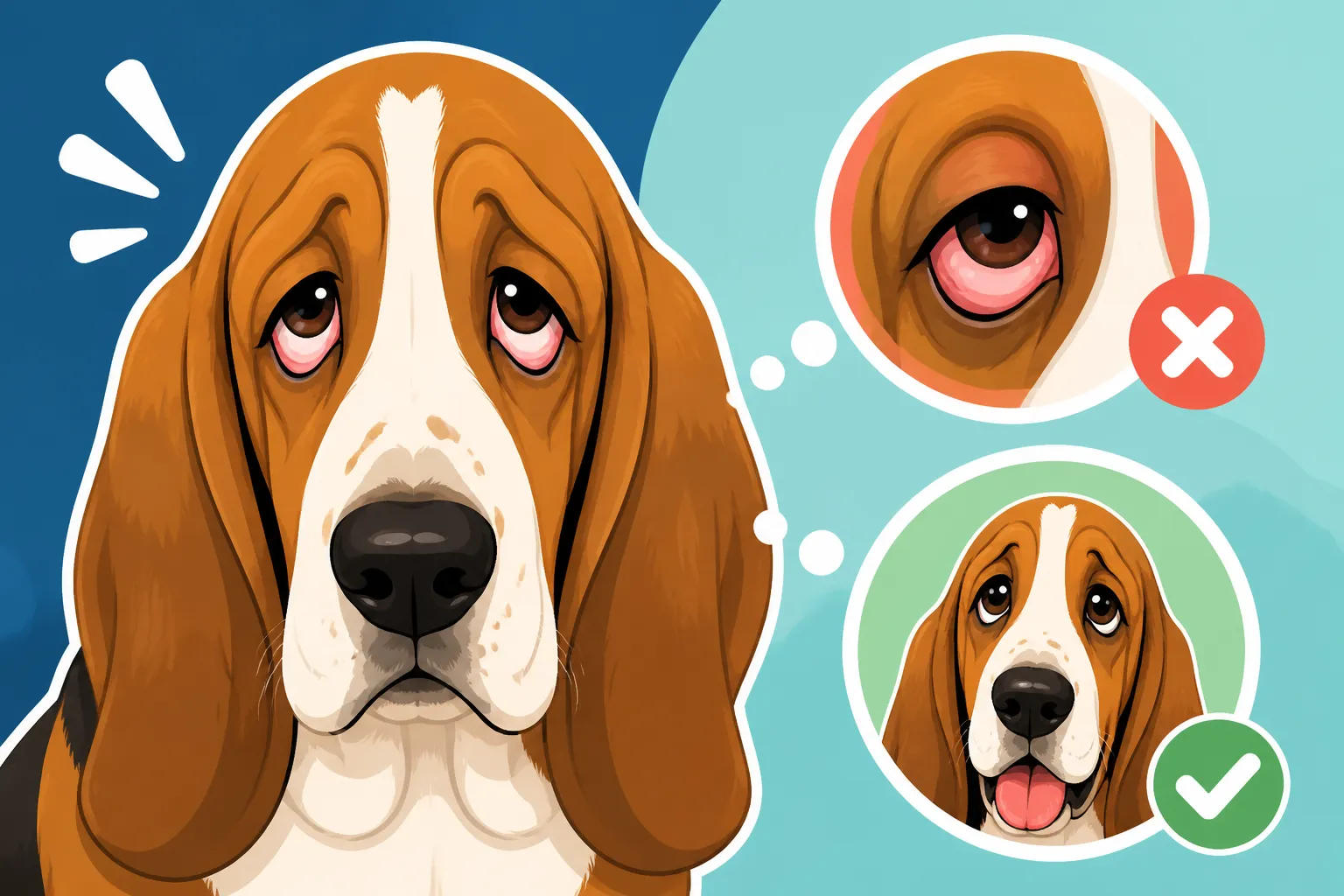
Ectropion is probably what most people picture when they think of a Basset Hound's droopy eyes. It's characterized by the outward rolling or sagging of the lower eyelid, which exposes the pink conjunctiva lining the inside of the eyelid. Instead of forming a protective seal over the eye, the eyelid hangs down, creating a pouch or "pocket." This exposed tissue is highly susceptible to drying out, irritation from environmental factors like dust, wind, and allergens, and the accumulation of debris. It's not uncommon to see a Basset Hound with ectropion experiencing chronic redness and a watery eye, as the eye tries to naturally lubricate itself against the constant exposure. If you've ever had a little bit of grit in your eye that just wouldn't flush out, you can start to imagine the persistent irritation a Basset with ectropion might feel day in and day out. This constant exposure and irritation can sometimes lead to chronic issues that require careful attention. For more information on this specific condition, you might want to look into "Whether a Basset Hound Gets Ectropion".
Entropion: The Inward Roll of the Eyelid
On the flip side, entropion is when the eyelid, typically the lower one, rolls inward towards the eyeball. This might sound like it would protect the eye, but the opposite is true. When the eyelid rolls inward, the eyelashes and the hair on the outside of the eyelid rub directly against the sensitive surface of the cornea (the clear front part of the eye). This constant friction is incredibly painful and can cause significant damage. Think of having a tiny brush constantly scraping against your eye – that's the sensation your Basset Hound experiences. Symptoms often include excessive tearing, squinting, redness, and a thick, sometimes pus-like discharge. If left untreated, entropion can lead to corneal ulcers, scarring, and even vision impairment or blindness. It's a much more acutely painful condition than ectropion and often requires immediate intervention. If you notice your Basset squinting or tearing excessively, it could be a sign of this painful condition. Detailed information on this can be found in our guide on "Whether a Basset Hound Gets Entropion".
Common Health Troubles Stemming from Droopy Eyelids
Both ectropion and entropion, though opposing in their presentation, can lead to a host of uncomfortable and potentially serious health problems for your Basset Hound. The unique structure that gives them their endearing look also creates a vulnerability that needs constant vigilance.
Chronic Irritation and Inflammation
The most immediate and pervasive issue arising from either form of malpositioned eyelids is chronic irritation and inflammation. With ectropion, the exposed conjunctiva is perpetually irritated by air, dust, pollen, and even direct sunlight. This can lead to persistent redness, itchiness, and inflammation of the eye's delicate tissues. Your Basset might rub their face more, or constantly have a tear-stained face. This isn't just unsightly; it's a sign of ongoing discomfort.
In cases of entropion, the constant rubbing of hair against the cornea causes direct physical irritation. This can lead to corneal abrasions, which are essentially scratches on the surface of the eye. These abrasions are not only painful but also provide an entryway for bacteria, making the eye highly susceptible to secondary infections. The irritation often causes the eye to produce more tears in an attempt to flush out the irritant, leading to the watery eyes many owners observe, a condition explored in "Whether a Basset Hound's Eyes Water".
Eye Infections and Foreign Bodies
The open, exposed nature of an ectropic eye makes it a magnet for foreign bodies. Dust, dirt, grass seeds, and other small particles can easily get trapped in the exposed conjunctival sac. These foreign bodies, combined with the moist, warm environment and compromised natural defenses, create an ideal breeding ground for bacterial and fungal infections. You might notice yellow or green discharge, increased redness, and a reluctance for your Basset to open their eye fully. These infections can be stubborn and recurrent, often requiring prolonged courses of medicated eye drops.
With entropion, while the eyelid is rolled inward, the irritation it causes still weakens the eye's defenses. The constant rubbing can damage the corneal surface, making it easier for bacteria to adhere and cause serious infections, including corneal ulcers. A corneal ulcer is a deep erosion of the corneal tissue and can be extremely painful, potentially leading to vision loss if not treated aggressively. This kind of serious infection can quickly escalate into an emergency situation.
Dry Eye and Excessive Tearing
It might seem counterintuitive, but both conditions can lead to issues with tear film. With ectropion, the exposed eye surface leads to increased evaporation of tears, which paradoxically can lead to dry eye syndrome (keratoconjunctivitis sicca or KCS). The eye struggles to maintain a healthy tear film, leading to a vicious cycle of dryness and irritation. To compensate, the tear glands may go into overdrive, producing excessive watery tears that simply spill over the eyelid rather than properly lubricating the eye, giving the impression of constant tearing without effective hydration.
Entropion also interferes with proper tear distribution. The misaligned eyelid and eyelashes can block the normal flow of tears across the eye, leading to stagnant tear film in some areas and dryness in others. The mechanical irritation from the inward-rolled lid also stimulates tear production as a protective response, leading to a perpetual state of watery eyes, even though the underlying issue is pain and irritation rather than simple hydration. Managing these conditions often involves a combination of topical treatments to reduce inflammation and keep the eyes clean.
Recognizing the Signs of Eyelid Trouble
As a Basset Hound owner, you become accustomed to their distinctive look. But it's crucial to differentiate between their normal droopiness and signs that their eyelids are genuinely causing them distress. Early detection can make a significant difference in managing these conditions and preventing more severe complications.
Visual Cues and Eye Discharge
One of the first things you'll likely notice if your Basset is experiencing eyelid trouble are changes in the appearance of their eyes. Look for excessive redness in the white part of the eye (sclera) or the conjunctiva. This can indicate inflammation or infection. Swelling around the eyelids is also a red flag. With ectropion, you might see more of the pink lining of the lower lid than usual, and it may appear dry or crusty. With entropion, the eyelid margin might not be clearly visible as it rolls inwards, and you might see eyelashes directly touching the eye's surface.
Discharge is another key indicator. A healthy Basset Hound's eyes should be clear with minimal, occasional clear discharge. If you start seeing thick, colored discharge – yellow, green, or even excessive white mucus – it's a strong sign of an infection or significant irritation. Tears staining the fur below the eyes, particularly reddish-brown staining, can indicate chronic tearing, which is common with both conditions. Keep in mind that "Whether a Basset Hound's Red Eye Is an Emergency" is always a question to consider, and usually, it warrants a vet visit.
Behavioral Changes in Your Basset
Our Bassets communicate a lot through their behavior, and eye discomfort is no exception. If your dog is in pain or highly irritated, you might notice them squinting or holding one or both eyes partially closed. They might become more sensitive to light (photophobia) and seek out darker areas. Increased pawing or rubbing at their face and eyes is a classic sign of irritation. While a Basset might occasionally scratch an itch, persistent pawing or rubbing can exacerbate the problem and introduce more bacteria to an already compromised eye.
You might also observe a general change in their demeanor. A dog in chronic pain might be less playful, more lethargic, or even show signs of aggression if you try to examine their eyes. They might be reluctant to go for walks, especially on windy days or in dusty environments, because the external elements cause them increased discomfort. Pay attention to these subtle shifts; they’re your dog’s way of telling you something is wrong.
Indicators of Pain or Discomfort
Direct indicators of pain are perhaps the most urgent signs. Beyond squinting and pawing, a Basset with significant eye trouble might be noticeably withdrawn or vocalize when touched near their face. Their third eyelid (haw) might be visibly elevated, covering part of the eye, which is a common reflex when a dog is experiencing eye pain or inflammation. If you gently try to part their eyelids to look, they might resist strongly or even snap, which is a clear indication of severe discomfort.
Furthermore, a dullness or cloudiness to the cornea can indicate severe irritation or even a corneal ulcer. Any change in the transparency or color of the eye itself – beyond just redness – should be treated as an emergency. These signs mean that the delicate structures of the eye are severely affected, and delaying veterinary attention could lead to irreversible damage or vision loss. It's truly vital to act quickly if you suspect severe pain.
Managing and Treating Eyelid-Related Problems
Discovering that your beloved Basset's droopy eyelids are causing issues can be worrying, but the good news is that many solutions are available, ranging from daily care routines to surgical interventions. The approach depends heavily on the severity and type of condition.
Conservative Management and Daily Care
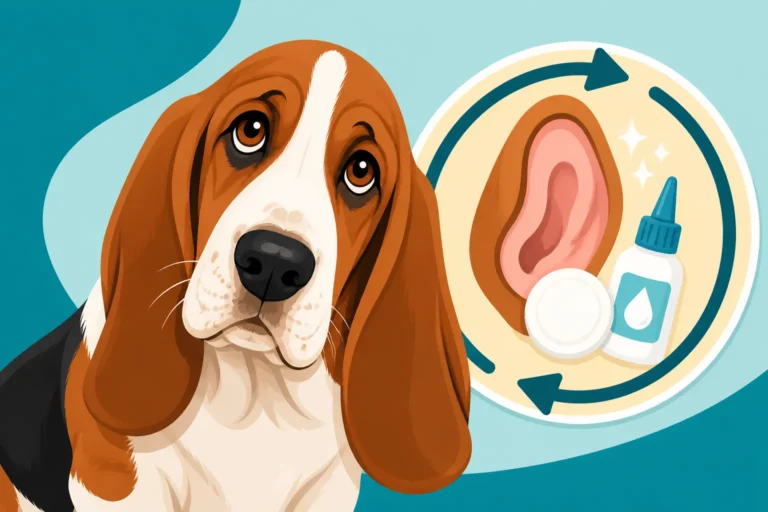
For milder cases of ectropion or for managing chronic irritation, conservative management is often the first line of defense. This primarily involves meticulous daily hygiene and the application of various topical treatments. Regularly cleaning the area around the eyes with a warm, damp cloth or a veterinarian-approved ophthalmic wipe can help remove discharge and debris. It's important to use gentle, non-irritating solutions designed for canine eyes.
Your vet might prescribe lubricating eye drops or artificial tears to keep the exposed eye surface moist and prevent dryness, especially for Bassets prone to ectropion. Anti-inflammatory eye drops may also be used to reduce redness and swelling. If a secondary bacterial infection is present, antibiotic eye drops or ointments will be necessary. Consistency is key with these treatments; missing doses can set back progress. This daily care might seem like a lot, but it’s crucial for preventing escalation of problems and maintaining your dog's comfort. Considering what a Basset Hound's eye care costs, proactive daily maintenance can save a lot of money and discomfort in the long run.
Surgical Correction Options
When conservative management isn't enough, or if the condition is severe (especially with entropion due to the constant corneal abrasion), surgical correction becomes necessary. These procedures are designed to physically correct the position of the eyelids.
For Entropion
Surgical correction for entropion, known as blepharoplasty, aims to remove a small strip of skin and muscle from below the affected eyelid. This tightens the eyelid and pulls it outwards, preventing it from rolling inwards and rubbing against the cornea. The technique often involves carefully measuring how much tissue needs to be removed to achieve the correct tension without overcorrection. The goal is to create a more normal eyelid margin that protects the eye. In some cases, puppies may undergo a temporary tacking procedure where sutures are placed to roll the eyelid out, allowing them to grow into the correction as their facial structure matures. Definitive surgery is usually performed once the dog is fully grown, typically around six to twelve months of age, to ensure a lasting result. The cost of such procedures can be substantial, which is why many pet owners consider a plan from Healthy Paws or similar insurance providers.
For Ectropion
For ectropion, surgery is also a form of blepharoplasty, but the goal is to reduce the excessive sagging of the lower eyelid. This might involve removing a wedge of tissue from the eyelid margin to shorten and tighten the lid, or a V-plasty to reshape the eyelid. The specific technique depends on the extent and location of the sagging. The aim is to allow the eyelid to sit more snugly against the eye, reducing exposure of the conjunctiva and preventing debris accumulation. Surgical correction can significantly improve comfort and reduce the incidence of recurrent infections and irritation. Understanding "What an Eyelid Correction Costs on a Basset Hound" is crucial for budgeting.
Post-Operative Care and Considerations
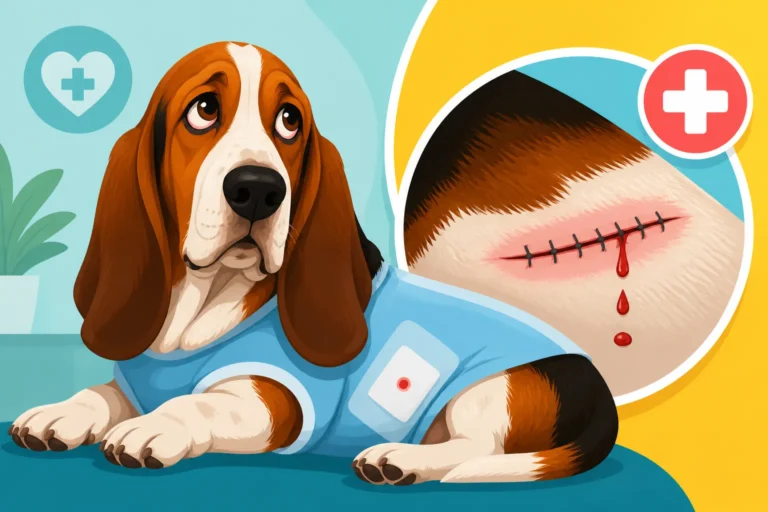
Regardless of the type of eyelid surgery, post-operative care is vital for a successful recovery. Your Basset will likely come home with an Elizabethan collar (e-collar or "cone of shame") to prevent them from rubbing or scratching at the surgical site, which could disrupt sutures or introduce infection. This cone will need to be worn diligently for several weeks. You'll also be given pain medication and often antibiotic eye drops or oral antibiotics to prevent infection and manage discomfort.
It’s crucial to keep the incision site clean and dry and monitor it closely for any signs of swelling, redness, discharge, or suture problems. Restricting activity and preventing rough play or jumping is also important to allow the tissues to heal properly. Follow your vet's instructions precisely, and attend all follow-up appointments. While surgery can offer a permanent solution, sometimes a second, minor "tuck" might be needed if the initial correction isn't quite perfect or if the tissues settle differently over time. It's a commitment, but one that drastically improves your Basset's quality of life.
Preventative Care and Long-Term Outlook
Taking proactive steps can help mitigate the risks associated with a Basset Hound's droopy eyelids. While you can't change their genetics, you can certainly influence their overall eye health and comfort.
Regular Cleaning and Inspection
Daily vigilance is your best friend when it comes to Basset Hound eye care. Make it a habit to gently wipe around your Basset's eyes with a soft, clean, damp cloth or a vet-approved eye wipe. This helps remove any accumulated dust, debris, or discharge before it can cause irritation or become a breeding ground for bacteria. Pay close attention to the folds of skin around their eyes, as moisture and debris can easily get trapped there, similar to how "The Skin Under a Basset Hound's Folds" can cause issues.
Beyond cleaning, take a moment to inspect their eyes closely. Look for any new redness, swelling, cloudiness, or changes in the type or amount of discharge. Check if their eyelids are sitting normally, or if they appear more rolled in or out than usual. The earlier you spot a potential problem, the sooner you can address it with your vet, potentially preventing it from escalating into a painful infection or requiring more invasive treatment. This routine can also help you recognize signs that "The Ear Infections That Never Really Leave a Basset Hound" might be flaring up, as Bassets often have concurrent issues due to their anatomy.
Breed Awareness and Responsible Breeding
Understanding the breed's predispositions is paramount. Responsible breeders play a critical role in minimizing the incidence of severe ectropion and entropion. They carefully select breeding pairs, avoiding dogs with extreme or problematic eye conformations. A reputable breeder will be transparent about the health history of their lines, including any incidence of eye problems. They should be able to show you the parents of a litter and explain any health screenings they undertake.
If you are considering a Basset Hound puppy, observe the parents' eyes. While a certain degree of droopiness is characteristic, look for eyes that appear moist, clear, and free from chronic discharge or redness. Avoid puppies with excessively loose skin around the eyes or those already showing signs of entropion or ectropion at a young age, as this often indicates a severe genetic predisposition.
Nutritional Support and Overall Health
While there's no magic food or supplement that will fix eyelid structural issues, a balanced diet rich in essential nutrients can support overall eye health and immune function. Antioxidants, Omega-3 fatty acids, and vitamins A, C, and E are particularly beneficial for vision and tissue health. Discuss with your vet if specific supplements might benefit your Basset Hound, especially if they are prone to inflammation or have ongoing eye conditions.
Maintaining a healthy weight is also crucial. "What Extra Weight Does to a Basset Hound" can exacerbate many health problems, and while not directly causing eyelid issues, obesity can contribute to overall inflammation and put additional strain on a dog's body, potentially impacting their ability to recover from surgery or fight off infections. A robust immune system is better equipped to handle any challenges that arise, including eye infections.
When to Seek Veterinary Care
Knowing when to call the vet is crucial for any pet owner, but especially so with Basset Hounds and their prone-to-trouble eyes. It can be hard to tell what's "normal Basset" and what's a genuine problem.
Emergency Signs That Warrant Immediate Attention
Some signs indicate a severe problem that needs immediate veterinary attention, not a "wait and see" approach. If you notice any of the following, contact your emergency vet without delay:
- Sudden onset of severe pain: Your Basset is squinting constantly, pawing at their eye relentlessly, or crying out when their face is touched.
- Rapid cloudiness or blue haze over the cornea: This can indicate a corneal ulcer or glaucoma, both of which are emergencies. For more on the latter, see "The Glaucoma a Basset Hound Inherits" or "What Open Angle Glaucoma Does to a Basset Hound".
- Visible injury to the eye: This could be a laceration, puncture, or a foreign object deeply embedded.
- Sudden vision loss: Your Basset starts bumping into things, seems disoriented, or is unusually hesitant to move.
- Protrusion of the eyeball: This is a rare but severe emergency.
- Excessive, thick, colored discharge (yellow/green) accompanied by swelling and pain: This suggests a serious infection that requires immediate treatment.
These situations can rapidly lead to irreversible damage or even loss of the eye if not addressed promptly. It's better to be overly cautious than to regret delaying care. Remember, many pet insurance plans, like those offered by Healthy Paws, cover emergency care for unexpected illnesses and injuries, which can be a huge relief in these stressful situations.
Routine Check-Ups and Monitoring
Beyond emergencies, regular veterinary check-ups are essential for monitoring your Basset Hound's eye health. During annual exams, your vet will perform a thorough eye examination, checking eyelid position, tear production, and looking for any early signs of issues. They might use an ophthalmoscope to look inside the eye or a fluorescein stain to check for corneal abrasions, which can be invisible to the naked eye.
If your Basset has a history of ectropion or entropion, or if they've undergone surgery, your vet may recommend more frequent check-ups. These routine visits allow your vet to assess the effectiveness of any ongoing treatments, adjust medications if needed, and catch any recurrent problems before they become severe. For a Basset Hound, especially one predisposed to eye issues, a yearly eye pressure check is a good idea, as described in "Whether a Basset Hound Needs a Yearly Eye Pressure Check", even if their primary issue is with their eyelids. Think of it as preventative maintenance for their precious peepers. Taking a holistic view of your Basset’s health and factoring in the general costs of owning this breed, as highlighted in "What a Basset Hound Costs a Year to Keep", helps you prepare for common health issues.
Ectropion vs. Entropion: A Quick Comparison
To help clarify the differences between these two common eyelid conditions in Basset Hounds, here's a quick comparison table:
| Feature | Ectropion | Entropion |
|---|---|---|
| Appearance | Eyelid rolls outward, exposing pink conjunctiva. | Eyelid rolls inward, lashes rub on cornea. |
| Primary Issue | Exposure, dryness, debris accumulation. | Corneal irritation, pain, abrasions. |
| Common Symptoms | Redness, excessive tearing, discharge (clear/mucus), dry appearance of conjunctiva. | Squinting, rubbing, redness, thick discharge (mucoid/pus), visible irritation of cornea. |
| Complications | Chronic inflammation, conjunctivitis, foreign body irritation. | Corneal ulcers, scarring, vision impairment/loss, severe pain. |
| Treatment | Lubricating drops, antibiotics, anti-inflammatories, surgical correction (blepharoplasty) in severe cases. | Surgical correction (blepharoplasty) often necessary, antibiotics for infection, pain relief. |
Disclaimer
This article is intended for informational purposes only and does not constitute veterinary advice. Always consult with a qualified veterinarian for any health concerns or before making any decisions about your Basset Hound's care.