Whether a Basset Hound Needs Ear Drops for Life
One of the most heart-wrenching and frankly, exhausting challenges Basset Hound owners often face is the relentless battle against chronic ear infections. It's a problem that can leave you feeling defeated, constantly wondering if there's an end in sight to the head shaking, scratching, and that tell-tale yeasty smell. This guide aims to shed light on whether your Basset Hound might indeed need ear drops for life, what causes this persistent issue, and how best to manage it for their comfort and your peace of mind.
The Harsh Reality of Basset Hound Ears
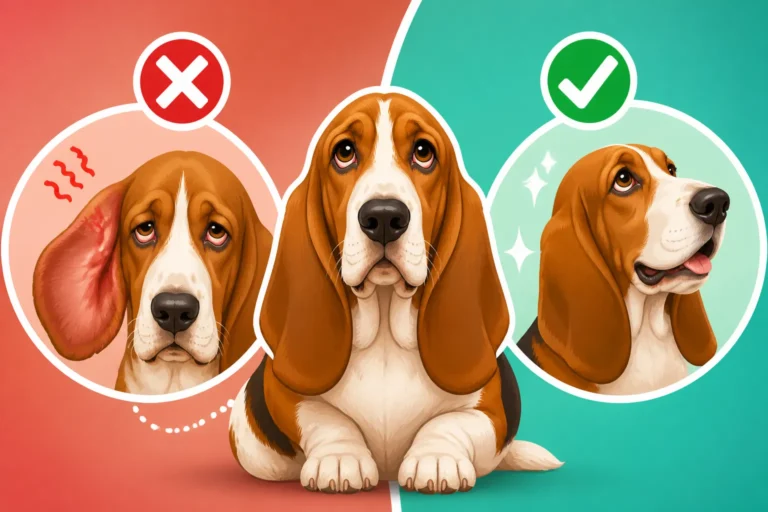
Let's be honest, those beautiful, long, velvety ears are a defining characteristic of a Basset Hound, part of what makes them so undeniably charming. But they are also, sadly, their Achilles' heel when it comes to health. Many an owner has found themselves locked in a seemingly endless cycle of vet visits and ear cleanings, all thanks to this unique anatomy.
Why Basset Hounds Are Prone to Chronic Ear Issues
The very design of a Basset Hound's ear is a perfect storm for trouble. Their ear canals are much longer and narrower than many other breeds, creating a deep, dark, and often humid environment that's just begging for microorganisms to set up shop. Add to that the heavy, pendulous ear flaps that hang low, effectively sealing off the ear canal from fresh air circulation. It’s like a perpetually warm, moist cave. This lack of airflow means that any moisture trapped inside, perhaps from a bath, a romp in dewy grass, or even just humidity in the air, doesn't evaporate easily. Instead, it creates an ideal breeding ground for bacteria and yeast, which thrive in such conditions.
Furthermore, some Basset Hounds have a significant amount of hair growing inside their ear canals. This hair can trap debris, wax, and moisture even more effectively, making it even harder for the ear to naturally clean itself. It's a constant struggle to keep things dry and clear in there, and many owners quickly learn that prevention is a 24/7 job. We've all been there, peering into those depths with a flashlight, hoping to see a clear path but often finding a dark, waxy landscape. This inherent predisposition is why some people wonder if Whether Every Basset Hound Gets Ear Infections – while not all do, a significant number certainly battle them.
Common Culprits: Yeast, Bacteria, and Allergies
When a Basset Hound's ear does succumb to infection, it's typically one of two primary culprits, or often, a combination of both: yeast and bacteria. Yeast infections, often caused by Malassezia pachydermatis, give off that distinct, sweet-sour, sometimes cheesy smell, and the ear will often have a greasy, brownish discharge. Bacterial infections, on the other hand, can produce a range of discharges from yellowish to greenish, and might smell more foul. It's not uncommon for these two types to coexist, making treatment a multi-pronged effort.
However, many chronic ear issues aren't just about the immediate infection; they're often symptoms of an underlying problem. Allergies are a huge factor here, whether they are environmental (pollen, dust mites) or food-related. When a Basset Hound has allergies, their skin barrier, including the lining of their ear canal, becomes inflamed and compromised. This inflammation creates an even more welcoming environment for yeast and bacteria, leading to recurring infections. You treat the infection, but if the allergy isn't addressed, it's just a matter of time before the next flare-up. This continuous cycle of inflammation and infection can lead to profound changes in the ear canal over time. It makes you realize how important it is to investigate Whether Yeast or Bacteria Is in a Basset Hound's Ear to get the right treatment.
When Lifelong Ear Drops Become a Necessity
For many Basset Hounds, particularly those with a history of recurrent infections or underlying issues, the idea of "curing" their ear problems completely might be an unrealistic goal. Instead, the focus shifts to management and prevention, and this is where lifelong ear drops often come into play.
Managing Chronic Otitis Externa
Chronic otitis externa is the medical term for persistent inflammation of the external ear canal. For Basset Hounds, this is a lamentably common diagnosis. In these cases, it's often not about eradicating an infection entirely, but rather about keeping the microbial population in check and reducing inflammation to prevent painful flare-ups. Your veterinarian might prescribe a maintenance protocol that involves regular use of antiseptic or anti-inflammatory ear drops, or a combination. These aren't necessarily full-strength antibiotic or antifungal treatments used during an active infection, but milder solutions designed to maintain a healthy ear environment.
Think of it like managing a chronic human condition, such as asthma or eczema. You don't necessarily "cure" it, but you use regular medication and lifestyle adjustments to keep symptoms at bay and maintain a good quality of life. For a Basset Hound with chronic otitis, these maintenance drops become part of their routine, much like daily medication for a human. It's a proactive approach to prevent the ear from reaching that painful, inflamed, infected state again. Understanding The Ear Infections That Never Really Leave a Basset Hound is key to accepting this management strategy.
Identifying Irreversible Changes in the Ear Canal
The true tragedy of chronic inflammation is that it can lead to permanent structural changes within the ear canal itself. Imagine constant irritation and swelling inside a narrow tube; over time, the lining thickens, much like scar tissue. This thickening is called hyperplasia, and it makes the ear canal even narrower – a condition known as stenosis. In severe cases, the ear canal can even calcify, becoming rigid and bony.
When these irreversible changes occur, the ear canal's natural ability to drain and ventilate is severely compromised. Medications have a harder time reaching the affected areas, and even routine cleaning becomes a challenge. At this point, even if you control the infection, the structural damage perpetuates the problem. For these dogs, lifelong maintenance with drops becomes essential to manage the symptoms and prevent acute, painful episodes. In the most extreme cases, where medical management fails and the dog is in constant pain, surgical intervention like a Total Ear Canal Ablation (TECA) might be the only option. However, that's a major surgery and a decision not taken lightly, often considered when the ear canal has become so damaged that it offers no hope for normal function or comfort.
Strategies for Long-Term Ear Health and Drop Management
Accepting that your Basset Hound might need lifelong ear drops isn't a defeat; it's a commitment to their comfort and well-being. Once you've established this reality, the next step is to embrace effective management strategies.
Establishing a Routine and Sticking To It
Consistency is the absolute bedrock of managing chronic ear issues in Basset Hounds. Your veterinarian will work with you to devise a specific cleaning and medication schedule, and sticking to it religiously is paramount. This might involve cleaning the ears once or twice a week with a vet-approved cleanser, followed by the application of maintenance drops. For a Basset Hound, their ears are often the main event!
Here's a quick rundown of what a proper ear routine might look like:
- Gather Your Supplies: Have your ear cleaner, ear drops, cotton balls or soft gauze, and plenty of treats ready.
- Position Your Hound: Find a comfortable spot where your Basset is relaxed. A table with a non-slip mat, or even on your lap, can work. Getting a Basset Hound Used to Ear Handling as a Puppy is incredibly helpful here.
- Apply Cleaner: Gently pull the ear flap up and out, exposing the opening of the ear canal. Squirt a generous amount of ear cleaner into the canal until it's full. Don't be shy; you need enough to flush things out.
- Massage the Base: With the cleaner in, gently massage the base of the ear for 20-30 seconds. You should hear a squishing sound as the cleaner breaks up wax and debris.
- Let Them Shake: Stand back and allow your Basset Hound to shake their head. This helps dislodge the cleaner and debris. Have a towel ready!
- Wipe Clean: Use cotton balls or soft gauze to gently wipe away any visible cleaner and debris from the outer ear and the folds of the ear flap. Never use cotton swabs deep inside the ear canal, as this can push debris further in or damage the eardrum.
- Apply Drops: If prescribed, apply the maintenance ear drops as directed by your vet, usually a few drops into the cleaned ear, followed by another gentle massage of the ear base.
- Reward!: Lavish your Basset Hound with praise and treats. Make it a positive experience every time.
The specific type of ear cleaner and drops will depend on your Basset's individual needs. Some contain drying agents, others are more antimicrobial, and some have corticosteroids to reduce inflammation. It's a delicate balance, and your vet's guidance is indispensable to determine Which Ear Cleaner Suits a Basset Hound best.
Beyond Drops: Holistic Management and Prevention
While ear drops are a crucial component, a truly effective long-term strategy involves addressing any underlying issues and taking proactive steps to prevent flare-ups. If allergies are suspected to be contributing to your Basset Hound's chronic ear issues, your vet might recommend further investigation. This could involve a strict diet trial with a novel protein or hydrolyzed protein food to rule out food allergies, or allergy testing (blood tests or intradermal skin tests) to identify environmental allergens. If specific allergens are identified, immunotherapy (allergy shots or oral drops) can be a game-changer, helping to desensitize your Basset Hound to those triggers and significantly reduce inflammation, including in the ears. Systemic anti-allergy medications like Apoquel or Cytopoint may also be prescribed.
Environmental factors also play a role. After baths or swimming, it's vital to ensure your Basset Hound's ears are thoroughly dried. Use a soft towel to absorb excess moisture from the ear flap and visible canal. Some owners even use a low-setting hairdryer (held at a safe distance) to gently dry the inner ear, being careful not to blast hot air directly into the canal. Limiting exposure to known irritants, like dust or certain pollens, can also help.
Considering pet insurance, such as Healthy Paws, is also a smart move for any Basset Hound owner, especially those battling chronic conditions. While no insurance covers pre-existing conditions, if you enroll before these issues become chronic, it can provide significant financial relief for ongoing vet visits, diagnostics, and medications associated with long-term ear management. This means you can focus on getting your Basset the best possible care without constant worry about the escalating costs. The financial burden can be substantial, as What Chronic Ear Treatment Costs a Basset Hound Owner can attest. Regular veterinary check-ups, even when the ears seem fine, are non-negotiable. Your vet can perform otoscopic examinations to monitor the ear canal for changes, take cytology samples to check for subtle increases in yeast or bacteria before a full-blown infection sets in, and adjust your management plan as needed.
Financial and Emotional Toll of Lifelong Care
Let's not sugarcoat it: managing chronic ear problems in a Basset Hound is not just a time commitment, but a significant financial and emotional one too. It's important to go into this with open eyes and a prepared heart.
The True Cost of Chronic Ear Management
The recurring nature of Basset Hound ear issues means that the expenses can quickly add up. You'll have the cost of routine ear cleaners, which might seem negligible initially, but they are a constant repurchase. Then there are the maintenance ear drops, which often contain prescription ingredients and are thus more expensive. Every time a full-blown infection flares up, you're looking at a vet visit for examination, cytology (looking at ear swabs under a microscope), and potentially an ear culture if the infection is resistant or unusual. These visits and diagnostics carry their own fees, often followed by a course of more potent, prescription ear medications (antibiotics, antifungals, steroids) that can be quite costly. If allergies are involved, add the cost of special diets, allergy testing, and ongoing allergy medications.
To give you a clearer picture, here’s a rough estimate of potential yearly costs. Please remember these are general ranges and can vary wildly based on your location, vet fees, severity of the condition, and specific medications needed.
| Item | Estimated Monthly Cost (USD) | Estimated Yearly Cost (USD) |
|---|---|---|
| Prescription Ear Cleaner | $15 – $30 | $180 – $360 |
| Maintenance Ear Drops | $20 – $50 | $240 – $600 |
| Vet Consults (2-4 preventative) | – | $150 – $400 |
| Diagnostics (cytology, culture) | – | $100 – $300 (if needed) |
| Allergy Medications (if applicable) | $30 – $100+ | $360 – $1200+ |
| Total (Excluding major flare-ups) | $65 – $180+ | $1,030 – $2,860+ |
As you can see, the numbers can quickly become substantial. This is precisely why pet insurance, like Healthy Paws, is such a valuable tool. If your Basset Hound is enrolled before a condition like chronic otitis externa is diagnosed, a good policy can cover a significant portion of these recurring veterinary expenses, from exams and diagnostics to medications. It’s an investment that can truly pay off, saving you thousands over your Basset Hound's lifespan and giving you peace of mind that you can afford the best care possible. It's worth researching Insuring a Basset Hound Against Eyes, Ears and Backs to understand how comprehensive coverage can protect your finances.
The Emotional Impact on Owners and Hounds
Beyond the financial strain, the emotional toll of dealing with a Basset Hound's chronic ear problems can be immense. Owners often feel a deep sense of frustration, guilt, and helplessness. You're constantly cleaning, medicating, and observing, always on edge for the first sign of a flare-up. The worry about your dog's discomfort is ever-present. You might feel guilty that you can't "fix" it completely, or frustrated by the recurring expenses and time commitment.
For your Basset Hound, chronic ear infections mean recurring pain, itchiness, and irritation. They might shake their head constantly, paw at their ears, or even become lethargic and withdrawn during severe episodes. This impacts their quality of life, their joy in sniffing the ground (which is, after all, their life's purpose!), and their overall happiness. When their ears hurt, they aren't themselves, and that's hard to watch as a devoted owner.
It's crucial to remember that this is not your fault. You are doing your best with a breed that is predisposed to these challenges. Patience, persistence, and a strong partnership with your veterinarian are your best allies. Celebrate the periods of quiet ears, and don't get discouraged by setbacks. Your Basset Hound relies on you for comfort and care, and your consistent efforts, even if they involve lifelong ear drops, ensure they can live their happiest, most comfortable life possible.
Disclaimer
The information provided in this article is for general informational purposes only and is not intended as a substitute for professional veterinary advice. Always consult with a qualified veterinarian for any health concerns or before making any decisions related to your pet's care.