Whether a Basset Hound Gets Bloat
The sudden onset of bloat in a Basset Hound is one of the most terrifying emergencies a dog owner can face. One minute your beloved, floppy-eared companion is happily munching their dinner or exploring a scent, and the next they could be fighting for their life. This guide is here to walk you through what bloat is, why Basset Hounds are particularly susceptible, the critical signs to look out for, and crucially, how you can potentially prevent this silent killer.
Understanding Bloat in Basset Hounds: A Terrifying Reality
For many Basset Hound owners, the word "bloat" sends a shiver down their spine. It's a condition that can strike without much warning, turning a perfectly healthy dog into a critical patient in a matter of hours. The sheer speed and devastating impact of Gastric Dilatation-Volvulus (GDV), as it's medically known, make it one of the most feared health issues in deep-chested breeds like our Bassets. It's not just a little tummy ache; it's a life-or-death situation that demands immediate, decisive action.
What Exactly is Gastric Dilatation-Volvulus GDV?
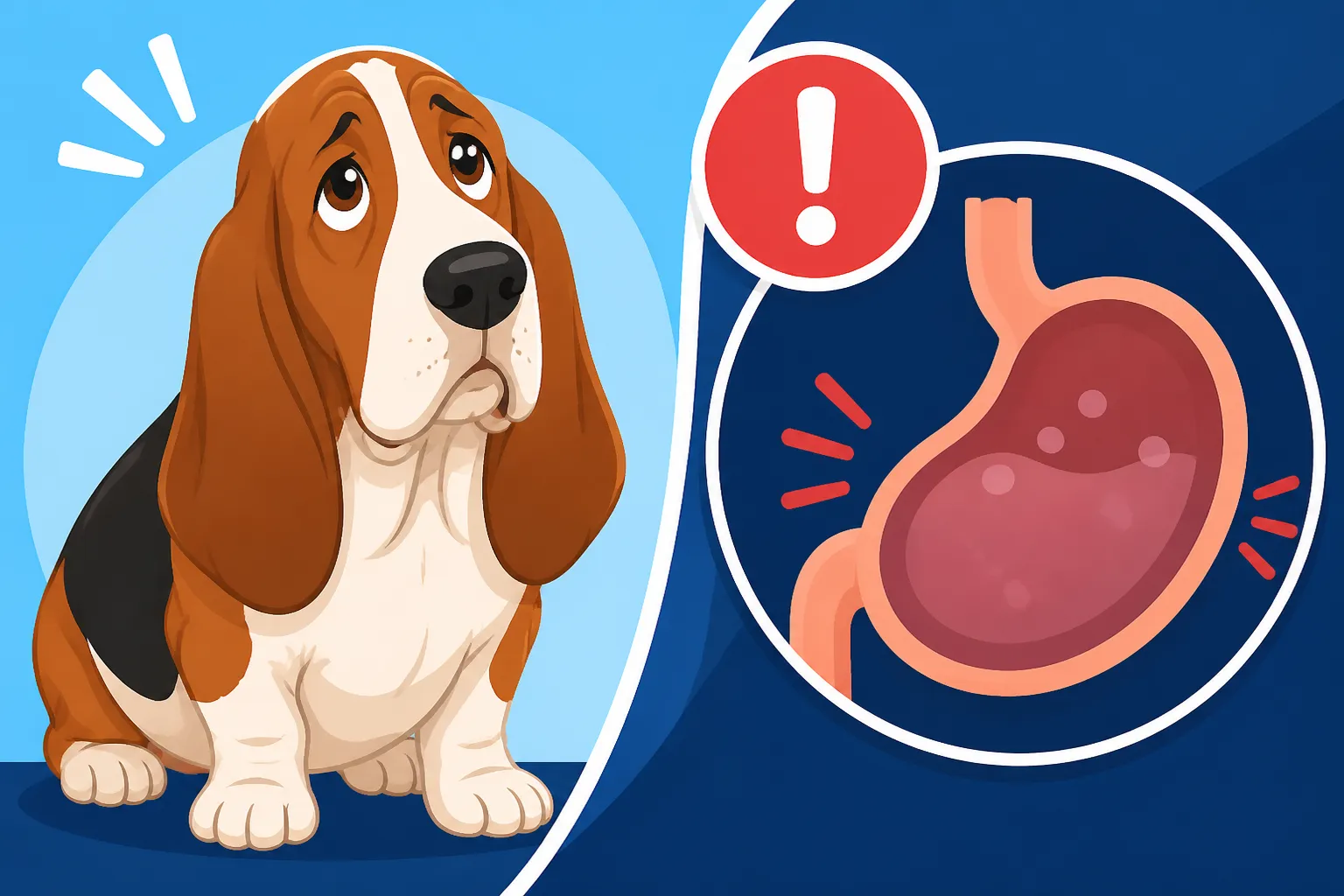
Gastric Dilatation-Volvulus, or GDV, is a complex and extremely dangerous condition where your dog's stomach fills with gas, food, or fluid (dilatation) and then twists upon itself (volvulus). Imagine a balloon being inflated and then suddenly twisted at its neck; that's essentially what happens inside your Basset. When the stomach twists, both the entrance and exit are sealed off, trapping everything inside. This twisting motion cuts off blood supply to the stomach and can also put pressure on major veins, restricting blood flow back to the heart. This leads to a cascade of problems, including shock, organ damage, and if not treated immediately, death.
The gas accumulation happens rapidly, causing immense pain and discomfort. The stomach can become so distended that it presses against the diaphragm, making it difficult for your Basset Hound to breathe. Without proper blood flow, the stomach tissue begins to die, and toxins are released into the bloodstream, quickly leading to systemic shock. It's a race against time from the moment symptoms appear, making early recognition and immediate veterinary intervention absolutely paramount for survival.
Why Basset Hounds Are at Higher Risk
Basset Hounds, with their distinctive long, deep, and relatively narrow chests, unfortunately fall into the category of breeds predisposed to GDV. It’s not just their unique build, but a combination of factors that elevate their risk. The standard Basset Hound conformation, while charming and iconic, creates a larger abdominal cavity space that allows the stomach more room to move and, tragically, to twist.
Beyond their physical structure, certain behaviors and habits common in Basset Hounds can increase their vulnerability. Eating too quickly, often referred to as "bolting" food, can lead to swallowing excessive air along with their meal. This trapped air is a primary contributor to the initial gastric distention. Similarly, vigorous exercise or playful activity too soon after a large meal or drinking a lot of water can destabilize the stomach and increase the likelihood of it twisting. We know our Bassets love their food and can be quite enthusiastic eaters, making mealtime management a crucial part of prevention. Factors like stress, advanced age, and even having a relative who has experienced bloat can also contribute to a Basset Hound's individual risk. It’s important to remember that bloat can strike any dog, but our beloved Bassets carry a higher genetic and physiological predisposition, making constant vigilance a part of responsible ownership.
Recognizing the Red Flags: Symptoms of Bloat
One of the most terrifying aspects of bloat is how quickly it can progress. What might start as subtle discomfort can escalate to a life-threatening emergency in just an hour or two. As a Basset Hound owner, being acutely aware of the early warning signs and understanding their rapid progression is your best defense against this silent killer. You really have to trust your gut feeling if something seems off, because time is truly of the essence.
Early Warning Signs That Demand Attention
The initial signs of bloat in a Basset Hound can be easily mistaken for general discomfort or an upset stomach, which is what makes it so insidious. Your Basset might start acting restless, pacing anxiously around the house, unable to settle. They might look at their belly, whine, or try to stretch out in unusual positions, as if attempting to alleviate internal pressure. One of the most classic and critical early indicators is non-productive retching or dry heaving. Your Basset will try to vomit, straining repeatedly, but nothing, or only a small amount of foamy saliva, will come up. This is because the twisted stomach prevents anything from passing.
You might also notice excessive drooling, labored breathing, or a general look of distress in their eyes. Their gums might appear pale or a strange bluish-gray, indicating poor circulation. While these signs might seem minor individually, especially in a breed prone to being a bit dramatic, when combined, they paint a very clear picture of an escalating emergency. Never dismiss dry heaving in a Basset Hound. If your dog is trying to throw up but can't, pick up the phone and call your vet immediately.
Advanced Symptoms: When Every Second Counts
As bloat progresses, the symptoms become far more pronounced and alarming. The most obvious physical sign is a noticeably distended abdomen. Your Basset's belly will become visibly swollen and feel very hard and taut to the touch, almost like a drum. This swelling often occurs rapidly and can be more evident on one side of their body, particularly the left side when viewed from behind. The pain will intensify, and your Basset may refuse to move, lie down in odd positions, or cry out if their abdomen is touched.
Their breathing will become increasingly rapid and shallow, a clear sign that the enlarged stomach is pressing on their lungs, making it difficult to take full breaths. Their heart rate will likely increase, and they may show signs of weakness, staggering, or even collapse. Gums will continue to be pale, indicating severe shock as blood flow is compromised throughout their body. At this stage, your Basset Hound is in critical condition, and every minute counts. This is not a situation where you can wait until morning or see if they improve. It is an immediate, life-threatening emergency, and delaying veterinary care dramatically reduces their chances of survival. Knowing these signs can literally mean the difference between life and death for your furry family member.
Immediate Action: What to Do When Bloat Strikes
The moment you suspect bloat, your mindset has to shift into emergency mode. There's no time for hesitation, no room for "let's wait and see." This is a situation where being prepared, calm, and swift in your actions directly impacts your Basset Hound's survival. It's truly one of the most harrowing experiences an owner can go through, but quick thinking can save a life.
The Critical Race Against Time
If you observe any of the suspicious signs, especially the non-productive retching or a rapidly distending abdomen, your very first action is to contact your veterinary clinic or, if it's after hours, your nearest emergency veterinary hospital. Call ahead while you're getting your Basset into the car. Tell them you suspect GDV in your Basset Hound and that you are on your way. This gives them crucial time to prepare their surgical team and equipment for your arrival, potentially shaving off precious minutes in a situation where every second truly matters.
Do not attempt any home remedies or try to "de-gas" your dog yourself. These efforts are not only ineffective but can waste critical time. Get your dog into the car as gently and quickly as possible and drive directly to the vet. The twisting of the stomach means that blood flow is severely compromised to the stomach tissue and other vital organs, leading to rapid tissue death and systemic shock. The sooner veterinary professionals can intervene, the higher the chance of a successful outcome. This is not a situation you want to second-guess yourself on.
What Happens at the Emergency Vet
When you arrive at the emergency veterinary clinic, the team will spring into action. They'll typically perform a quick physical examination to assess your Basset's condition, looking for signs of shock and abdominal distention. The definitive diagnostic tool for GDV is an X-ray of the abdomen. This will clearly show if the stomach is dilated and, more importantly, if it has twisted, confirming the diagnosis.
Once GDV is confirmed, the immediate focus is on stabilizing your Basset Hound. This usually involves placing intravenous (IV) catheters to administer fluids rapidly to combat shock, and providing pain medication. The vet may attempt to pass a tube down your Basset's esophagus into the stomach to relieve some of the gas pressure. However, if the stomach is fully twisted, this won't be possible. The ultimate treatment for GDV is emergency surgery. During the procedure, the veterinary surgeon will carefully de-rotate the stomach to its normal position. They will then assess the viability of the stomach tissue and remove any areas that have been too damaged by the lack of blood flow. Crucially, they will often perform a gastropexy, which is a procedure where the stomach is surgically attached to the abdominal wall. This "tacking" prevents the stomach from twisting again in the future, significantly reducing the risk of recurrence. After surgery, your Basset Hound will require intensive post-operative care, including monitoring, pain management, and a gradual reintroduction to food and water. This is undoubtedly a financially and emotionally demanding experience, which is why considering things like pet insurance, as discussed in "Insuring a Basset Hound Against Eyes, Ears and Backs", is so important.
Prevention Strategies: Guarding Your Basset Hound Against Bloat
The thought of your Basset Hound suffering from bloat is terrifying, and while we can't eliminate the risk entirely, there are proactive steps we can take as responsible owners to significantly reduce the chances of it occurring. Prevention truly is the best medicine when it comes to this potentially deadly condition, and it often starts right in your kitchen and daily routine.
Mealtime Management: Slowing Down the Gobblers
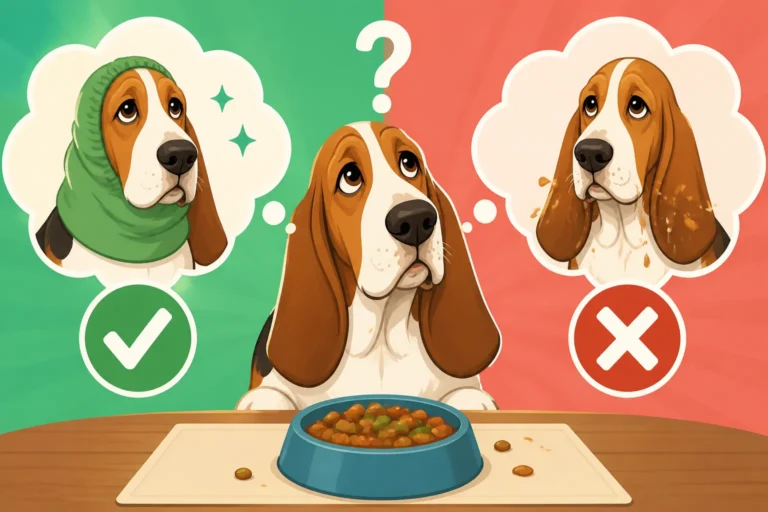
One of the most effective strategies for preventing bloat revolves around how and when your Basset Hound eats. Many Bassets are enthusiastic eaters, tending to gulp down their food quickly, which often means they swallow a lot of air in the process. This trapped air is a significant precursor to bloat. To combat this, consider investing in a slow feeder bowl. These bowls have various ridges and obstacles that force your dog to eat around them, drastically slowing down their consumption rate. Another simple trick is to spread their food out on a large baking sheet, making them "graze" rather than gulp.
Instead of one large meal a day, break your Basset's daily food ration into two or three smaller meals. This reduces the amount of food and gas in the stomach at any one time, lowering the overall risk. Ensure that your Basset has a calm, quiet place to eat, free from distractions or stress, which can also contribute to rapid eating. Regarding water, while hydration is vital, try to avoid letting your Basset guzzle excessive amounts of water immediately before or after meals, or after strenuous exercise. Instead, offer smaller, more frequent water breaks.
There's been a long-standing debate about elevated food bowls. While once thought to prevent bloat, recent studies, particularly in large and giant breeds, have actually suggested that elevated bowls might, in some cases, increase the risk of bloat. This is a nuanced area, and the best approach for your Basset Hound, considering their unique anatomy, should be discussed with your veterinarian. For now, the safest bet is to focus on slowing down eating and managing meal timing. You might find more detailed advice on feeding practices in articles like "How Much an Adult Basset Hound Eats Daily" or if you're concerned about digestive sensitivities, "Whether a Basset Hound Has a Sensitive Stomach".
Lifestyle Adjustments and Surgical Options
Beyond mealtime, several broader lifestyle adjustments can contribute to a lower bloat risk for your Basset Hound. Avoid vigorous exercise for at least an hour before and two hours after meals. This gives their stomach time to digest food without the added agitation that running, jumping, or intense play can cause. If your Basset needs to relieve themselves, a calm, leashed potty break is fine, but save the zoomies for other times. Minimizing stress in your Basset's daily life can also be beneficial, as stress is thought by some to be a contributing factor to bloat.
For Basset Hounds considered at extremely high risk – perhaps they have close relatives who have bloated, or you just want maximum peace of mind – a prophylactic gastropexy is a surgical option. This elective procedure involves surgically tacking the stomach to the abdominal wall to prevent it from twisting. While it doesn't prevent the stomach from dilating with gas, it effectively prevents the volvulus (the twist), which is the most deadly component of GDV. This surgery can often be performed at the same time as a spay or neuter, or as a standalone laparoscopic procedure, which is minimally invasive. It's a significant decision, and one you should discuss thoroughly with your veterinarian to weigh the benefits against the risks for your individual dog. Understanding all angles of prevention and care can help you avoid the terrifying scenario described in "Whether a Basset Hound Bloats After Eating".
The Financial and Emotional Toll of Bloat
Even with all the preventative measures in the world, bloat can still strike. When it does, the immediate focus is, understandably, on your Basset Hound's survival. However, it's also important for owners to be realistic about the significant financial and emotional toll this emergency can take. Being prepared for the potential costs can alleviate one layer of stress during an already traumatic time.
Understanding the Costs Involved
Emergency veterinary care, by its very nature, is expensive. When it comes to bloat, the costs can be particularly steep because it requires immediate, complex surgery and often intensive post-operative care. The initial emergency visit will involve examinations, diagnostics like X-rays to confirm the GDV, and immediate stabilization measures such as IV fluids and pain management. These initial steps alone can run into hundreds of dollars.
If surgery is required, which it almost always is for actual GDV, you're looking at thousands. The surgical procedure itself, anesthesia, surgical supplies, and the specialized care provided by the veterinary team all contribute to the bill. Post-operative care can be equally intensive, often requiring several days of hospitalization with continuous monitoring, medications, and fluid therapy. Depending on the severity of the case, the presence of complications, and the region you live in, the total cost for a bloat emergency can easily range from $3,000 to $10,000 or more. It's a staggering amount, and as we discussed in "What a Basset Hound's Emergency Surgeries Cost", these unexpected bills can be a huge source of stress for families already distraught about their pet's health.
| Symptom Category | Early Warning Signs | Advanced Symptoms |
|---|---|---|
| Behavioral | Restlessness, pacing, hiding, whining, looking at belly | Extreme pain, lethargy, unwillingness to move, collapse |
| Gastrointestinal | Non-productive retching (dry heaving), excessive drooling, gulping, trying to vomit | Visibly distended/swollen abdomen (firm to touch), increased gas |
| Respiratory/Circulatory | Labored breathing, rapid breathing, pale gums | Rapid, shallow breathing, very pale or blue-tinged gums, weak pulse, increased heart rate |
| General | Appears uncomfortable or anxious | Weakness, shock, cold extremities |
The Role of Pet Insurance
Given the potentially astronomical costs associated with bloat, pet insurance can be an absolute lifesaver. Many owners hesitate to invest in pet insurance, but for breeds like the Basset Hound, who are predisposed to several serious conditions including bloat, it can provide invaluable peace of mind. A good pet insurance policy will typically cover a significant portion of emergency veterinary bills, including diagnostics, surgery, hospitalization, and medications for unexpected illnesses and accidents. Providers like Healthy Paws are well-known for their comprehensive coverage, which can be a huge relief when facing a crisis.
It's crucial to understand how pet insurance works, though. Most policies have waiting periods before certain conditions are covered, and pre-existing conditions are almost always excluded. This means the best time to get pet insurance is when your Basset Hound is young and healthy, before any issues arise. By paying a monthly premium, you're essentially creating a financial safety net for those unforeseen emergencies. While it won't erase the emotional stress of watching your dog suffer, knowing that you can afford the best possible care without devastating your savings allows you to focus solely on your Basset's recovery. This aligns with broader financial planning discussions, such as those found in "Whether a Basset Hound Is Worth Insuring at All".
Living with a Basset Hound After a Bloat Scare
Surviving a bloat episode is a huge relief, but it’s not simply a return to normal. For both you and your Basset Hound, it marks the beginning of a new chapter of heightened vigilance and careful management. The emotional impact is profound, and the experience reshapes how you approach your dog's daily care.
Long-Term Management and Vigilance
If your Basset Hound has experienced bloat and undergone a gastropexy, the good news is that the risk of a recurrence of volvulus (the twisting) is significantly reduced. However, it's important to remember that the stomach can still dilate (fill with gas), which, while less immediately life-threatening than GDV, can still cause discomfort and may require veterinary attention. Therefore, long-term vigilance remains paramount. You'll need to continue implementing all the preventative feeding strategies, such as using a slow feeder bowl, feeding smaller, more frequent meals, and avoiding strenuous exercise around meal times.
Your veterinarian will likely recommend dietary adjustments and possibly specific probiotics or digestive aids to promote gut health. Regular check-ups will become even more important, allowing your vet to monitor your Basset's overall health and catch any subtle changes early. It’s about creating a consistent, low-stress routine that supports their digestive system and minimizes any potential triggers. This also ties into overall health management, touching on topics like "The Ten to Twelve Years a Basset Hound Lives" and how to ensure those years are as healthy as possible.
Emotional Impact on Owners
Surviving a bloat scare is an incredibly traumatic experience for owners. The suddenness of the event, the critical nature of the condition, and the sheer helplessness you feel as your beloved Basset struggles can leave lasting emotional scars. Many owners report experiencing anxiety around mealtimes, constantly checking their dog's belly, and feeling a heightened sense of worry at any subtle behavioral change. It's a natural reaction to such a severe threat.
It's important to acknowledge and process these feelings. Talk to your veterinarian, join online support groups for owners of dogs who have experienced bloat, or confide in trusted friends and family. Knowing that you did everything you could, especially getting them to emergency care as swiftly as possible, can be a source of comfort. The experience often deepens the bond you have with your Basset, reinforcing just how precious and fragile their lives can be. This renewed appreciation often translates into even more dedicated care, ensuring every effort is made to safeguard their health for the future, especially considering "What Basset Hounds Are Most Often Treated For" often includes serious ailments.
Disclaimer
The information provided in this article is for general informational purposes only and is not a substitute for professional veterinary advice, diagnosis, or treatment. Always seek the advice of your veterinarian or other qualified health provider with any questions you may have regarding a medical condition. Never disregard professional veterinary advice or delay in seeking it because of something you have read in this article.