Insuring a Basset Hound Against Eyes, Ears and Backs
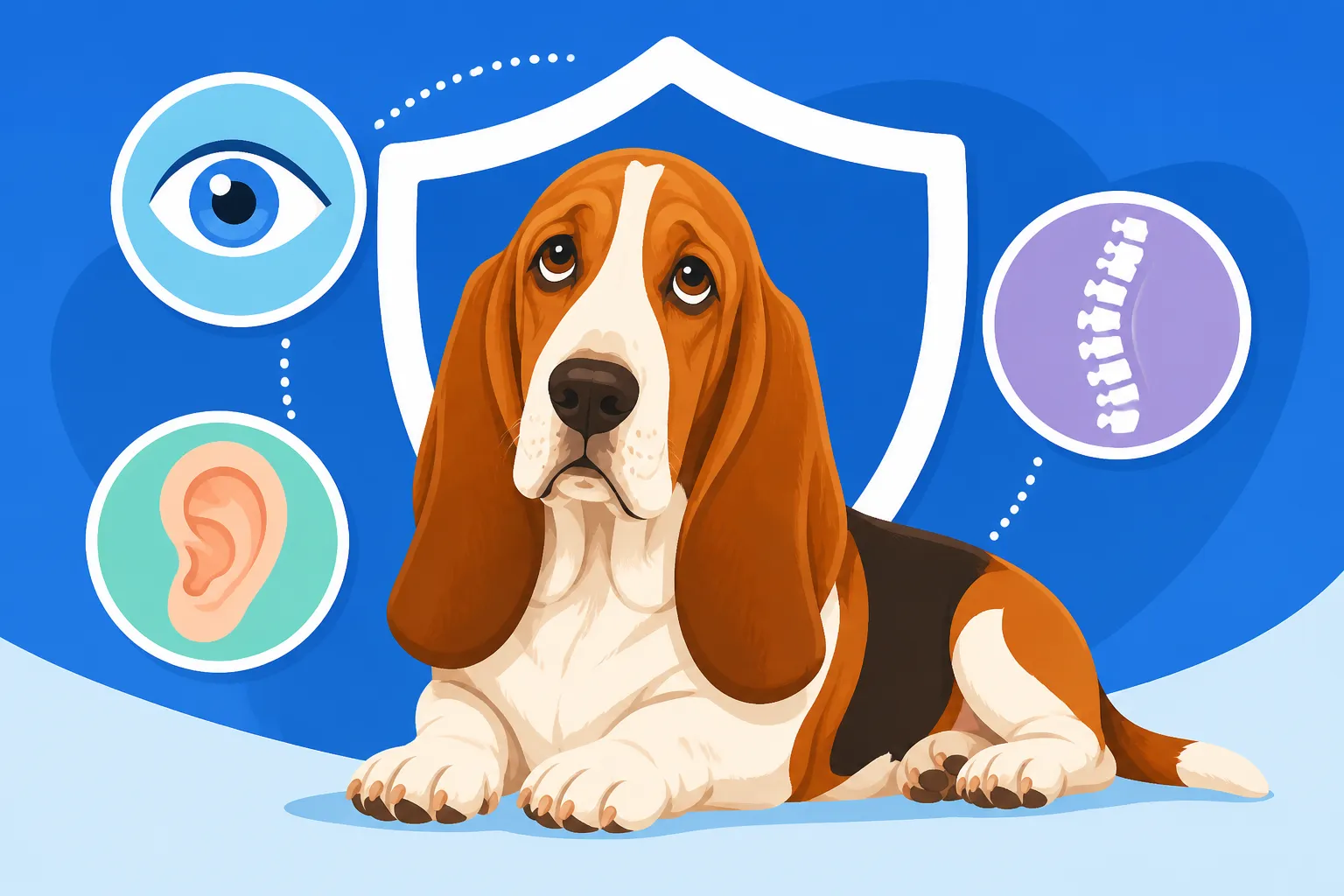
It’s a tough truth that as much as we adore our Basset Hounds with their soulful eyes, floppy ears, and charming waddle, they often come with a predisposition to certain health challenges. From those endlessly long ears that seem to attract every infection imaginable, to their unique skeletal structure that can lead to significant back and joint woes, vet bills can quickly pile up, leaving you feeling overwhelmed. This comprehensive guide is here to walk you through the often-confusing world of pet insurance, specifically focusing on how to best protect your Basset Hound against the common eye, ear, and back conditions that so frequently impact their quality of life and your wallet.
Understanding the Basset Hound's Unique Health Challenges
Before diving into the nitty-gritty of insurance, it’s crucial to understand why Basset Hounds are often considered a breed with higher-than-average veterinary costs. Their distinctive appearance, while utterly endearing, is also the root cause of many of their health predispositions. It's not just a matter of bad luck; it's often built right into their genetics and conformation. As responsible Basset parents, acknowledging these realities is the first step toward proactive care and financial preparation.
The Persistent Problem of Basset Hound Ears
Oh, those magnificent, sweeping ears! They are undoubtedly one of the Basset Hound's most iconic features, but they are also a veritable magnet for trouble. Their length means they drag on the ground, picking up dirt, debris, and moisture. Combine that with their thick, heavy structure and narrow ear canals, and you've got the perfect breeding ground for bacteria and yeast. It's a frustrating cycle for many owners, leading to chronic infections that seem to clear up only to return with a vengeance.
Many Basset Hound owners find themselves making frequent trips to the vet for ear infections, which can range from mild irritations to full-blown, painful inflammations requiring strong antibiotics, antifungals, and even sedated deep cleaning. The signs a Basset Hound's ear has gone bad are unmistakable: head shaking, pawing at the ear, redness, swelling, and a distinct odor that no amount of ear cleaning seems to completely resolve. These recurrent issues aren't just uncomfortable for your dog; they can lead to significant veterinary expenses over their lifetime, sometimes even requiring specialized care or surgery if the ear canal becomes permanently damaged.
Eye Conditions That Plagued Our Beloved Hounds
While their ears get a lot of attention, Basset Hounds also have those wonderfully droopy eyelids and a gentle, mournful gaze that can hide some serious underlying issues. Their loose facial skin and prominent eyes, while giving them that classic Basset expression, also make them susceptible to a range of eye conditions. These can be painful, rapidly progressive, and often require urgent veterinary intervention, adding another layer of financial stress for owners.
One of the most concerning eye conditions in Basset Hounds is glaucoma. This inherited condition can manifest as either open-angle or closed-angle glaucoma, and it causes increased pressure within the eye, leading to pain and, if untreated, irreversible blindness. The Age Glaucoma Shows in a Basset Hound can vary, but it's often a middle-to-senior age concern, although some Bassets can develop it earlier. Another common issue is entropion or ectropion, where the eyelids roll inward or outward, respectively, causing irritation, tearing, and potential corneal damage. Prompt diagnosis and treatment, which can include daily eye drops or even surgical correction, are essential to preserve their vision and comfort. These treatments, particularly specialized eye drops or surgery, can represent a substantial, ongoing cost.
The Vulnerable Basset Hound Spine
The Basset Hound's long body and short legs, a result of their characteristic achondroplasia, are what make them so uniquely adorable. However, this same conformation also places immense stress on their spinal discs, making them highly prone to intervertebral disc disease (IVDD). It's a condition where the cushioning discs between the vertebrae either bulge or rupture, pressing on the spinal cord. This can cause severe pain, nerve damage, and even partial or full paralysis, often without much warning.
Witnessing your Basset Hound suddenly struggle to move or become completely paralyzed is one of the most heartbreaking and terrifying experiences an owner can face. The signs a Basset Hound has hurt its back can range from reluctance to jump or use stairs, to crying out in pain, or even dragging their hind legs. Treatment for IVDD can be incredibly intensive and costly, involving strict crate rest, anti-inflammatory medications, pain relief, and often, emergency spinal surgery. The recovery process can be long and may require physical therapy, making it a marathon of emotional and financial commitment. Knowing that Intervertebral Disc Disease in a Basset Hound is a significant risk factor, particularly as they age or if they experience an accidental jump or fall, underscores the importance of having financial protection in place.
The Basics of Pet Insurance for Your Basset Hound
When you start looking into pet insurance, it can feel like navigating a maze. There are so many terms, different types of coverage, and various plans to choose from. It’s not just about finding any policy; it's about finding the right policy that genuinely protects your Basset Hound against their breed-specific vulnerabilities. Understanding the foundational elements of pet insurance will empower you to make an informed decision for your furry family member.
Accident-Only vs. Accident & Illness Policies
The first major distinction you'll encounter is between "accident-only" and "accident & illness" policies. As the names suggest, they offer very different levels of protection, and for a Basset Hound, this choice is particularly critical given their breed-specific health predispositions.
An accident-only policy is the most basic and typically the least expensive option. It covers injuries resulting from unforeseen events like broken bones from a fall, cuts sustained during a walk, or being hit by a car. While this type of coverage is better than nothing, it falls short for Basset Hounds because it doesn't address the chronic and genetic conditions they are so prone to. If your Basset develops a painful ear infection, is diagnosed with glaucoma, or suffers an IVDD flare-up, an accident-only policy won't provide any financial relief. For a Basset Hound, with its high likelihood of inherited or conformation-related illnesses, this type of policy simply isn't comprehensive enough to truly safeguard your finances or your dog's health.
On the other hand, an accident & illness policy offers far more robust coverage and is generally recommended for Basset Hounds. These policies cover both accidental injuries and a wide range of illnesses, including those chronic, hereditary, and breed-specific conditions that are so prevalent in our beloved hounds. This means that if your Basset develops recurrent ear infections, is diagnosed with glaucoma, or needs surgery for IVDD, an accident & illness policy would help cover the costs. While these policies come with higher monthly premiums, the peace of mind and substantial financial relief they can offer when serious health issues arise make them an invaluable investment for Basset Hound owners.
Understanding Deductibles, Reimbursement, and Annual Limits
Once you decide on an accident & illness policy, you'll need to understand the three main financial components that impact how much you pay out-of-pocket: deductibles, reimbursement percentages, and annual limits. These aren't just abstract numbers; they directly affect your financial commitment when your Basset Hound needs care.
The deductible is the amount you pay out of your own pocket before your insurance company starts to reimburse you. Think of it like the deductible on your car insurance. Most pet insurance policies offer a choice of deductibles, typically ranging from $100 to $1,000 or more per year. A lower deductible usually means a higher monthly premium, and vice-versa. For a Basset Hound, where you might have multiple smaller claims for ear infections or ongoing medication for eyes, a lower deductible might be appealing, but always balance it against your monthly budget. Some policies reset the deductible annually, while others may apply it per incident, which is an important detail to clarify.
The reimbursement percentage is the portion of the covered vet bill that the insurance company will pay back to you after your deductible has been met. Common percentages range from 70% to 90%. If your vet bill is $1,000 and your reimbursement is 80% (and you've met your deductible), the insurance company would pay $800, leaving you responsible for $200. A higher reimbursement percentage is always desirable, especially for expensive treatments like spinal surgery or ongoing eye medications, but it will increase your premium. It's a balancing act between how much you can comfortably pay each month and how much risk you're willing to take on for future vet bills.
Finally, the annual limit is the maximum amount the insurance company will pay out in covered expenses during a single policy year. Limits can range from a few thousand dollars to unlimited coverage. Given the potential for very high costs associated with Basset Hound health issues, such as What Disc Surgery Costs on a Basset Hound or What a Total Ear Canal Ablation Costs on a Basset Hound, an unlimited or very high annual limit is often a wise choice. Imagine a scenario where your Basset needs emergency IVDD surgery costing $8,000, followed by several months of physical therapy and then later develops glaucoma requiring ongoing medication. A low annual limit could be exhausted quickly, leaving you to cover substantial additional costs entirely out-of-pocket. Always consider the potential "worst-case" scenarios for your breed when selecting an annual limit.
Navigating Pre-Existing Conditions and Waiting Periods
This section is often where many pet owners get tripped up, and it's particularly vital for Basset Hound owners to understand fully. The concept of "pre-existing conditions" and the various "waiting periods" can significantly impact what your policy will and won't cover, especially given the breed's common health issues. You want to ensure that when your Basset needs care, your insurance is actually there to help.
What Counts as a Pre-Existing Condition
The term "pre-existing condition" refers to any illness or injury that your Basset Hound had before your pet insurance policy went into effect, or before the specific waiting period for that condition had passed. This is a critical distinction because pet insurance providers generally do not cover pre-existing conditions. And here’s the kicker: it doesn’t matter if the condition was formally diagnosed by a vet or not. If symptoms were present or observed by you, even if you hadn’t yet sought veterinary care for them, it can be classified as pre-existing.
For Basset Hounds, this is a huge deal. If your pup had an ear infection last year, even if it seemed to clear up, any future ear problems might be deemed pre-existing. If you noticed your Basset shaking its head frequently before you enrolled, that could lead to subsequent ear infection claims being denied. Similarly, if there's any mention in their vet records of a "limp" or "stiffness" before you got coverage, it could jeopardize future claims for elbow dysplasia or IVDD. This is why getting your Basset Hound insured as early as possible, ideally as a puppy before any significant health issues arise, is paramount. Some providers, like Healthy Paws, are quite transparent about their definitions, making it easier to understand.
The Importance of Early Enrollment
Given the strict rules around pre-existing conditions, enrolling your Basset Hound in a pet insurance policy as early as possible—ideally when they are a young puppy—is arguably the single most important decision you can make. When your Basset is young, their health history is usually clean, meaning fewer potential pre-existing conditions to worry about down the line. By establishing coverage early, you ensure that any future health issues, whether common Basset ailments like chronic ear infections, glaucoma, or IVDD, will be considered new conditions and eligible for coverage, provided they don't arise during the initial waiting periods.
Waiting until your Basset Hound starts showing subtle signs of a problem, like a slight limp, a bit of redness in the eye, or a recurring ear itch, is often too late to get full coverage for that specific issue. Once a symptom is noted in their veterinary records, it's very likely to be classified as pre-existing by the insurer, even if a formal diagnosis comes much later. Many seasoned Basset Hound owners will tell you that the upfront cost of premiums for a healthy puppy pales in comparison to the heart-stopping bills for emergency surgery or lifelong medication for conditions that could have been covered if only they had acted sooner.
Short vs. Long Waiting Periods and Their Impact
Beyond pre-existing conditions, all pet insurance policies have "waiting periods"—a specific amount of time that must pass after you enroll before coverage for certain conditions begins. These waiting periods vary significantly between providers and for different types of conditions, and understanding them is crucial for Basset Hound owners.
Typically, you'll find different waiting periods for accidents versus illnesses. Accident waiting periods are often the shortest, sometimes just a few days or even 24 hours. This means if your Basset Hound breaks a leg a week after enrollment, it would likely be covered. Illness waiting periods are generally longer, usually 14 days, but can be up to 30 days or more. This is particularly important for those recurring ear infections or sudden onset conditions like glaucoma. If your Basset shows symptoms of an illness, say, an ear infection, within that 14-day illness waiting period, it won't be covered, and worse, it might then be considered a pre-existing condition for any future ear problems.
Some companies also have extended waiting periods for specific orthopedic conditions, like cruciate ligament injuries or hip and elbow dysplasia, which can be 6 months or even a year. While hip dysplasia is less common in Bassets than in some other large breeds, elbow dysplasia is a significant concern for them. Knowing The Age a Basset Hound's Elbows Can Be Screened, and ensuring coverage is active long before any symptoms might appear, is key. It's vital to read the fine print of any policy you're considering to understand all waiting periods, especially for those conditions your Basset Hound is genetically predisposed to. This way, you can avoid devastating surprises when you need to file a claim.
Choosing the Right Coverage for Eye, Ear, and Back Issues
This is where the rubber meets the road for Basset Hound owners. You need a policy that doesn't just offer general coverage but specifically addresses the trio of health challenges that are almost synonymous with the breed: chronic ear infections, various eye conditions, and spinal problems. Not all policies are created equal, and digging into the details here can save you immense heartache and expense down the line.
Specific Coverage for Chronic Ear Infections
For Basset Hounds, ear infections are often not a one-off event but a recurring nightmare. Their long, heavy ears and unique canal structure mean they are constantly battling moisture, yeast, and bacteria. This can lead to a cycle of veterinary visits, ear flushes, medicated drops, and sometimes even a referral to a veterinary dermatologist. You need an insurance policy that understands this reality and provides robust coverage for chronic conditions.
Look for policies that explicitly state coverage for chronic illnesses and recurring conditions. Some policies might try to classify each recurrence as a new condition, but most reputable providers will treat it as a continuation of the initial ailment. The key is to get coverage before the first infection or, if your Basset has already had one, ensure that the policy doesn't classify future issues as pre-existing if they are related to the same ear. This is where the initial enrollment date relative to the first recorded symptom becomes paramount. A good policy will help cover the ongoing costs of diagnostics, medications, and specialized treatments, which can include regular flushes, cytology, antibiotics, antifungals, and even, in severe cases, What Ear Canal Surgery Costs on a Basset Hound to provide permanent relief.
Ensuring Protection for Glaucoma and Other Eye Ailments
The Basset Hound's expressive, sometimes mournful eyes are prone to conditions that can be both painful and vision-threatening, with glaucoma being a leading concern. A proper pet insurance policy should be a safety net for these delicate optical systems, helping to manage the significant costs associated with diagnosis, treatment, and ongoing care.
When reviewing policies, check for comprehensive coverage of inherited and breed-specific conditions. Glaucoma is often hereditary in Basset Hounds, and you want assurance that this is covered. Look for policies that cover specialist veterinary care, as eye issues often require an ophthalmologist. This includes diagnostic tests like tonometry (eye pressure checks), medications (which can be expensive daily drops for the rest of their life), and potential surgeries like laser procedures or even eye removal in severe cases, as discussed in What Removing a Basset Hound's Eye Costs. Beyond glaucoma, also ensure coverage for other common Basset eye issues such as entropion/ectropion (which may require surgery like What an Eyelid Correction Costs on a Basset Hound) and cherry eye (though less common, Whether a Basset Hound Gets Cherry Eye is a valid question). Some plans might even offer wellness add-ons that cover routine eye pressure checks, which are crucial for early detection in a predisposed breed.
The Lifeline for Intervertebral Disc Disease IVDD
For many Basset Hound owners, the fear of IVDD looms large. The potential for sudden onset paralysis and the associated emergency, intensive care, and long-term recovery costs can be financially crippling without adequate insurance. This is perhaps one of the most compelling reasons for a Basset Hound owner to invest in a comprehensive pet insurance plan.
A robust policy for a Basset Hound should offer excellent coverage for orthopedic conditions and neurological issues, explicitly including IVDD. This means covering the costs associated with diagnostic imaging like X-rays and potentially an MRI, emergency veterinary visits, pain management, anti-inflammatory drugs, and, critically, spinal surgery if needed. As mentioned, What Disc Surgery Costs on a Basset Hound can be astronomical, easily running into many thousands of dollars. Post-operative care, including hospitalization, rehabilitation, and physical therapy sessions (What Physical Therapy Costs a Basset Hound Owner), should also be covered. When comparing providers like Healthy Paws, make sure to ask specifically about their stance on IVDD and any related conditions, ensuring there are no exclusions for chronic back issues after an initial episode. Without this protection, an IVDD emergency can put immense strain on your finances and force difficult decisions about your beloved pet's care.
Deciphering Policy Exclusions and Limitations
Even with the most comprehensive "accident & illness" policy, there will always be things that aren't covered. Understanding these exclusions and limitations is just as important as knowing what is covered, especially for a breed with specific health quirks like the Basset Hound. The devil, as they say, is in the details, and ignoring these can lead to unexpected out-of-pocket expenses when you least expect them.
Common Exclusions to Watch Out For
While pet insurance is designed to cover unexpected veterinary costs, there are several common exclusions that apply across most providers. Being aware of these can help you manage your expectations and budget accordingly.
One of the most frequent exclusions is pre-existing conditions, which we've already discussed in depth. Remember, if your Basset Hound showed symptoms or received treatment for an issue before your policy began (or during the waiting period), it won't be covered. Another common exclusion is routine or wellness care, such as vaccinations, annual check-ups, flea and tick prevention, and spaying/neutering. Some providers offer optional "wellness add-ons" for an additional monthly fee, which can help cover some of these preventative costs, but they are typically separate from the core accident and illness policy. Furthermore, many policies do not cover cosmetic procedures (like tail docking or dewclaw removal if not medically necessary), breeding costs, or certain experimental treatments. Also, pay attention to behavioral issues; while some plans might cover vet visits for behavioral diagnoses, they often won't cover training, which is a key part of managing, for instance, Why a Basset Hound Stops Hearing You When It Smells Something.
Breed-Specific Conditions and Policy Fine Print
For Basset Hound owners, it’s not enough to just skim the common exclusions; you absolutely must dive into the fine print for any breed-specific limitations or unusual clauses related to conditions like those affecting their eyes, ears, and back. While most reputable policies aim to cover hereditary conditions, some might have very specific definitions or exclusions.
For example, while IVDD is generally covered under accident and illness policies, some older or less comprehensive plans might have specific waiting periods or limitations on spinal conditions. Always double-check that conditions like glaucoma are clearly covered, especially as it's an inherited condition in Bassets. Are there caps on certain types of treatments, or limitations on specialist visits? What about alternative therapies, like hydrotherapy for a Basset Hound recovering from back surgery? Some policies might cover them, others might not. Moreover, understand how recurring conditions like ear infections are handled. Will future ear infections be covered even if they stem from the same underlying chronic issue, or will they be considered a continuation of a pre-existing problem if the initial infection predates the policy? Don’t hesitate to call the insurance provider directly and ask detailed questions about these specific Basset Hound vulnerabilities before signing up. For instance, companies like Chewy often partner with various insurance providers, and their customer service might be able to help you navigate different options and clarify terms, ensuring you choose the best fit for your unique hound.
Comparing Insurance Providers for Basset Hounds
The market for pet insurance has grown significantly, and there are many providers out there, each with its own strengths and weaknesses. For a Basset Hound owner, the goal isn't just to find any provider, but one that truly understands and accommodates the unique health profile of this wonderful breed. It requires a bit of research and comparison to ensure you're getting the best bang for your buck and, more importantly, the most comprehensive protection.
What to Look for in a Basset Hound Friendly Policy
When you’re sifting through pet insurance policies for your Basset Hound, keep a very specific checklist in mind, tailored to their most common ailments. This focused approach will help you cut through the noise and find a policy that truly serves your dog’s needs.
First and foremost, prioritize a policy with comprehensive accident & illness coverage that explicitly includes hereditary and breed-specific conditions. This is non-negotiable for a Basset with known predispositions to ear, eye, and back problems. Look for clear language regarding chronic conditions and how recurring issues (like those pesky ear infections) are handled. You want reassurance that continuous treatment for a chronic problem won't be suddenly deemed pre-existing after the first claim. Second, consider policies that offer high reimbursement percentages (80-90%) and high or unlimited annual limits. The potential costs for IVDD surgery or ongoing glaucoma treatment are substantial, and a low limit could leave you in a tough spot. Third, investigate waiting periods, especially for orthopedic issues. A shorter waiting period for conditions like elbow dysplasia is always a plus. Fourth, check if the policy covers specialist veterinary care (e.g., ophthalmologists, neurologists, dermatologists) and physical therapy/rehabilitation, as these are often crucial for Basset Hounds recovering from back injuries or managing chronic pain. Lastly, consider the customer service reputation and ease of claims process. When you're stressed about a sick hound, you want a responsive and understanding insurance partner.
Provider Spotlight: Healthy Paws, Chewy, and Ollie's Offerings
Let's talk about some of the players in the market and how they might fit a Basset Hound's needs. While I can't give specific policy advice, I can highlight general aspects that might be relevant.
Healthy Paws is a well-regarded pet insurance provider that often receives high marks for customer satisfaction and quick claim processing. They offer one comprehensive accident and illness plan, which simplifies choice, and it typically covers hereditary and chronic conditions, which is excellent for Basset Hounds. Their policy includes coverage for alternative therapies and rehabilitation, which is a huge plus if your Basset ever needs recovery from IVDD. They also boast unlimited lifetime benefits, meaning no annual caps, which is incredibly reassuring when facing potentially lifelong or extremely costly conditions like severe glaucoma or multiple IVDD episodes. Their deductible is annual, not per condition, which can be beneficial for multiple claims in a year. When considering them, make sure to thoroughly understand their definition of pre-existing conditions and waiting periods, as with any provider.
Chewy, while primarily known as an online pet supply retailer, also offers pet insurance options through partnerships with various providers. This means that instead of offering their own proprietary insurance, they act as a platform to help you compare and enroll in plans from other reputable companies. The advantage here is convenience; you might be able to manage your pet's food, supplies, and insurance all in one place. When exploring Chewy's insurance offerings, you'll want to carefully examine the underlying providers they partner with. Each partner will have its own policy structures, deductibles, reimbursement rates, and coverage specifics for conditions like those affecting a Basset Hound's eyes, ears, and back. It's like a marketplace, so you still need to do your due diligence on the actual insurance company Chewy connects you with.
Ollie is a fresh dog food delivery service, known for its focus on high-quality nutrition. While they don't directly offer pet insurance, their emphasis on premium nutrition speaks to a broader philosophy of preventative health and wellness. Many pet parents who choose services like Ollie are actively investing in their pet's long-term health, hoping to mitigate some health issues through diet. While a good diet can certainly support overall health, it doesn't eliminate the genetic predispositions of a Basset Hound. Therefore, if you're already investing in a high-quality diet for your Basset, coupling that with a robust pet insurance plan would be the ultimate comprehensive approach to their well-being. A company like Ollie might indirectly support a healthier Basset, reducing the frequency of some vet visits, but insurance remains crucial for the big, unexpected, or genetic problems.
Ultimately, comparing quotes from several providers, reading sample policies, and asking pointed questions about Basset Hound specific conditions will be your best strategy. Look at what each offers for The Ear Infections That Never Really Leave a Basset Hound, The Glaucoma a Basset Hound Inherits, and The Back Trouble a Basset Hound Is Built Into.
The True Cost: Premiums vs. Potential Savings
Investing in pet insurance involves a monthly premium, and it's natural to question whether that ongoing cost truly pays off. For Basset Hound owners, given their breed-specific health challenges, the potential for significant veterinary bills is very real. Evaluating the true cost means looking beyond the monthly payment and considering the substantial financial protection and peace of mind a good policy can offer when emergencies strike.
Calculating Your Potential ROI
The Return on Investment (ROI) for pet insurance isn't just about dollars and cents; it's also about preventing financial catastrophe and ensuring your Basset Hound receives the best possible care without economic constraints. However, we can still look at the monetary aspect.
Let’s consider a hypothetical Basset Hound over its lifetime. Say your monthly premium is $50. Over 10 years, that’s $6,000 in premiums. Now, let’s look at potential claims. A single emergency IVDD surgery could easily cost $5,000 to $8,000 or more, plus post-op physical therapy. Chronic ear infections could mean multiple vet visits, diagnostic tests, and expensive medications, easily totaling $500-$1,500 annually. Glaucoma might involve $100-$300 per month in eye drops for life, plus specialist visits and possibly surgery. If your Basset only has one major health crisis, like a sudden IVDD event, the insurance could pay out far more than you've put in, providing a positive monetary ROI. Beyond that, consider the emotional ROI: not having to choose between your pet's health and your savings account. Setting Money Aside for a Basset Hound's Vet Bills is a good idea, but insurance provides a safety net for those truly massive, unexpected costs that even a healthy savings fund might struggle to cover.
Long-Term Financial Planning for Your Basset Hound
Owning a Basset Hound is a long-term commitment, often spanning The Ten to Twelve Years a Basset Hound Lives. Their health needs can change dramatically over this period, with many breed-specific issues becoming more prevalent as they age. Therefore, your financial planning should reflect this lifecycle.
Start early: As discussed, insuring your Basset Hound as a puppy is the best way to secure coverage for future hereditary and chronic conditions. As your Basset ages, their risk of conditions like arthritis, severe ear disease, and advanced eye issues increases. While pet insurance premiums tend to climb as your pet gets older, having continuous coverage means you're protected. What a Basset Hound Costs a Year to Keep generally increases as they move into their senior years due to more frequent vet visits and managing age-related conditions. This is when your insurance truly shines, helping to offset the mounting costs of care for The Old Basset Hound That Cannot Get Off the Floor or managing chronic conditions. Consider a combination approach: a robust pet insurance policy for catastrophic events and a dedicated savings account for routine care and deductible payments. This dual strategy offers both comprehensive protection and financial flexibility throughout your Basset Hound's life.
Making a Claim and Managing Your Policy
So, you've done your research, picked a policy, and your Basset Hound is insured. Fantastic! But what happens when the inevitable vet visit occurs, and you actually need to use that insurance? Understanding the claims process and how to manage your policy effectively will make your life much easier during potentially stressful times.
The Claims Process Explained
The idea of filing an insurance claim can seem daunting, but most pet insurance providers have streamlined their processes to be as user-friendly as possible. Here’s a general overview of what to expect when your Basset Hound needs care.
First, when your Basset Hound visits the vet, you’ll typically pay the bill in full at the time of service. This is a crucial point, as pet insurance operates on a reimbursement model for most providers. After the appointment, you'll need to submit a claim to your insurance company. This usually involves filling out a claim form (often available online or through a mobile app) and attaching an itemized invoice from your veterinarian, along with your Basset Hound's medical records pertaining to that visit. Many vets are familiar with this process and can help you gather the necessary documentation. Once submitted, the insurance company will review your claim, verify that the condition is covered, and apply your deductible and reimbursement percentage. Then, they will send you a check or direct deposit for the covered amount. The processing time can vary, but many providers aim for quick turnaround, with some, like Healthy Paws, often processing claims within a few days. Always keep copies of your invoices and records for your own files.
Annual Renewals and Policy Adjustments
Pet insurance policies, like most insurance, operate on an annual basis. This means each year, your policy will come up for renewal, and this is an important time to review your coverage and make any necessary adjustments.
During the annual renewal period, your insurance provider will typically send you a renewal offer detailing your new premium for the upcoming year. It's common for premiums to increase slightly each year, reflecting your Basset Hound's increasing age and the associated higher risk of illness. Don't be surprised if Whether a Basset Hound Costs More After Seven is reflected in your premium. This is also your opportunity to review your policy terms. Has your Basset developed any new, chronic conditions that you need to ensure are still covered appropriately? Are you happy with your deductible, reimbursement percentage, and annual limit, or do you want to adjust them based on your current financial situation or your Basset's evolving health needs? This is also the time to look for any changes in policy wording or exclusions. If your provider introduces new exclusions that might impact your Basset's specific predispositions, you might consider comparing options again. Proactive management of your policy ensures it continues to be the best fit for your Basset Hound's health journey.
| Basset Hound Condition | Typical Treatment (Approx. Cost Range) | Insurance Coverage Potential |
|---|---|---|
| Chronic Ear Infection | Vet visits, ear cleaning, antibiotics, antifungals, cytology ($200-$1000 per episode, up to $2,000+ for chronic/specialist) | High (Accident & Illness) |
| Glaucoma | Eye drops (lifelong, $100-$300/month), specialist consult ($300-$600), surgery ($1,500-$4,000 per eye) | High (Accident & Illness) |
| Intervertebral Disc Disease (IVDD) | Conservative management (meds, rest: $500-$2,000), MRI ($2,500-$4,000), Spinal Surgery ($5,000-$10,000+), Physical Therapy ($100-$200 per session) | High (Accident & Illness) |
| Elbow Dysplasia | X-rays ($300-$600), pain meds ($50-$200/month), surgery ($2,000-$5,000 per elbow), supplements | High (Accident & Illness) |
| Entropion/Ectropion | Surgery ($1,000-$3,000 per eye) | High (Accident & Illness) |
This table provides a generalized view. Actual costs and coverage will vary based on your location, vet, and specific insurance policy details.
Disclaimer
This article is for general informational purposes only and does not constitute professional advice. Laws, prices and regulations vary by location and change over time. Consult a qualified professional for guidance on your specific situation.