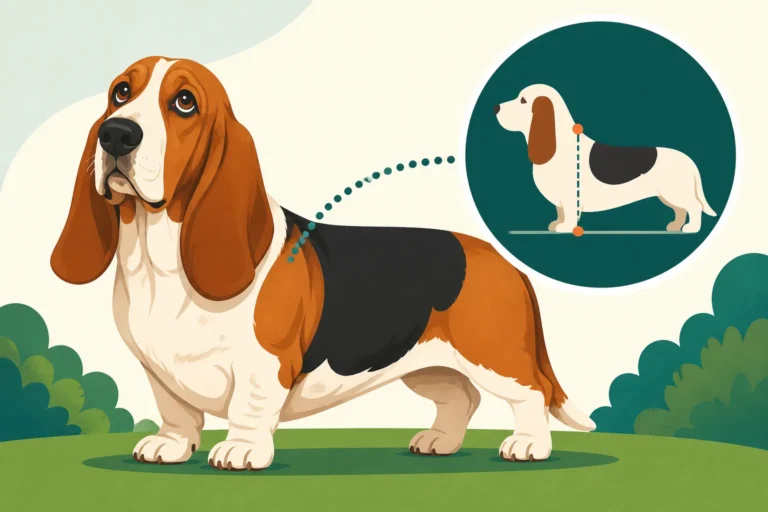
Basset Hound or Dachshund for a Small Home
A Basset Hound and a Dachshund can both fit into a small home, but their short legs do not make them equally easy to manage. A Basset takes up more floor space and can be surprisingly heavy to lift; a Dachshund is smaller but may bark, dig, or follow a scent with single-minded enthusiasm. This guide compares their everyday needs so you can choose for your actual home and routine.
Basset Hound or Dachshund for a Small Home
Space, size, and getting around indoors
A small home is not automatically a poor fit for either breed. What matters is how much usable floor space you have, whether your dog can move around without constantly squeezing past furniture, and how you’ll manage everyday obstacles. A Basset Hound is low to the ground but long and solidly built. A Dachshund is also long, but typically needs less room to turn, settle, and share a narrow hallway.
Think about the space the dog occupies when it is not walking. A stretched-out Basset may take over much of a small living room rug, while a Dachshund may tuck into a bed beside the sofa. Neither will necessarily stay in the neat little spot you choose: both can be determined about finding the warmest, most comfortable place in the house.
In a Philadelphia rowhouse or a compact Chicago apartment, stairs can matter more than the size of the living room. Both breeds have long backs and short legs, so repeated stair climbing and jumping down from furniture deserve consideration. You may need gates, rugs for traction, or a ramp to reduce risky leaps. If your home has several flights of stairs and you cannot safely help your dog, that should be part of your decision before bringing one home. Read Whether a Basset Hound Suits an Apartment for more on how a Basset can adapt to compact living.
| Everyday consideration | Basset Hound | Dachshund |
|---|---|---|
| Space needed to settle | Often needs more floor area because of a broader, heavier build | Usually takes up less floor space |
| Lifting and carrying | Can be difficult for one person as an adult | Usually easier to lift, though careful back support still matters |
| Stairs and furniture | Repeated climbing and jumping should be limited | Back protection is especially important; prevent frequent jumps |
| Exercise style | Steady, sniffing walks suit many Bassets | Walks and scent-based activities help meet a Dachshund’s needs |
| Noise considerations | Can bay or howl, which may carry through shared walls | Can bark persistently, particularly when alert or bored |
| Best small-home setup | Clear paths, nonslip footing, comfortable bed, and help with access | Ramps or blocked furniture access, secure doors, and enrichment |
A small home still needs room for a dog’s routine
The layout of your home may affect daily life more than the square footage. A narrow stairway, a slippery kitchen floor, a high bed, or an awkward entry can turn simple routines into repeated physical challenges. Check where your dog would sleep, eat, and rest, and whether you can keep those areas away from drafts and high-traffic bottlenecks.
For either breed, make a plan for furniture access instead of waiting until the dog has learned to launch itself onto the sofa. A ramp or low steps may help, but only if the dog can use them comfortably and consistently. Some dogs ignore new equipment at first, so introduce it gradually with rewards rather than expecting a brand-new ramp to solve everything on day one. Whether a Basset Hound Should Use a Ramp offers practical considerations for choosing and using one.
Small homes also make clutter more noticeable. Food bowls, leashes, beds, grooming supplies, and gates need a sensible place, particularly if your entryway is narrow. Keeping a designated dog-care basket by the door can make walks and cleanups easier. If you shop for basics through Chewy, check that beds and gates suit the dog’s adult dimensions and the space where they will actually go—not just the product photo.
Exercise, training, and noise in shared spaces
Neither breed is a low-effort house dog
A small apartment does not remove a dog’s need for walks, sniffing, play, and company. Basset Hounds and Dachshunds are scent hounds, and they often find following a smell more compelling than moving quickly from one block to the next. A Basset may take its time inspecting a patch of grass; a Dachshund may become intensely interested in a trail under a hedge. Allowing time to sniff can make a walk more satisfying than simply trying to cover distance.
Their exercise needs still vary from dog to dog. Age, health, weight, weather, and individual temperament all affect what is appropriate. Avoid assuming that a Basset is content with no activity because it looks relaxed indoors, or that a Dachshund can get everything it needs by running around a small living room. Ask your veterinarian about a suitable routine, especially if your dog is young, older, overweight, or dealing with joint or back concerns.
Plan for indoor enrichment on days when the weather or your schedule makes a longer walk difficult. Food puzzles, simple scent games, and short training sessions can give a dog something to do without requiring a large yard. Keep games low-impact and appropriate for the dog’s body. For ideas that make use of a hound’s nose, see Giving a Basset Hound's Nose Something to Do. Chewy may be one place to look for puzzle feeders, but a towel with a few pieces of kibble hidden in safe folds can also provide an inexpensive, supervised activity.
Barking and howling can be harder with shared walls
Noise deserves serious attention if you live in a building with neighbors close by. Basset Hounds can bay or howl, sometimes in response to a sound, excitement, loneliness, or a scent-driven burst of interest. Dachshunds can be vocal too, often barking at people, dogs, or noises they notice outside. The exact pattern depends on the individual dog, its history, and how it is managed.
A dog that is quiet during a brief visit may sound very different when left alone. If you live in a condo or a Brooklyn apartment with shared walls, think about how you would handle barking during work calls, deliveries, or long absences. Ask a rescue or breeder about the specific dog’s vocal habits, and consider arranging a trial visit or foster period where possible. Breed tendencies can help you prepare, but they cannot promise what one particular dog will do.
Training and routine can help, but neither is a guaranteed quick fix for persistent noise. Provide predictable walks and activities, reward calm behavior, and work on getting the dog comfortable with ordinary household sounds. Avoid relying on punishment or devices that frighten the dog; anxiety can make the problem worse. If noise appears when the dog is alone, investigate whether distress or boredom is involved. The Bay a Basset Hound Uses and the Neighbors Hear and Whether a Basset Hound Can Be Left Alone can help you think through those challenges.
Back health, stairs, and everyday care
Protecting a long back is part of choosing either breed
Bassets and Dachshunds have different builds, but both need thoughtful handling around stairs, furniture, and jumping. Their long backs and short legs make it sensible to limit repetitive leaps from beds and sofas. You do not have to turn your home into a no-fun zone; the goal is to create safer ways for the dog to reach favorite spots and to avoid making high-impact movements an everyday habit.
Start by identifying tempting launch points: a couch beside a window, a bed the dog sleeps on, or a staircase it races up when the doorbell rings. A sturdy barrier can prevent unsupervised stair trips, while a stable ramp may provide an alternative to jumping. Use nonslip runners or rugs where floors are slick. When lifting a dog, support both the chest and the hindquarters rather than letting the back hang unsupported. For a Basset, also consider whether you can manage the adult dog’s weight safely if it is injured or cannot climb into a car.
No setup can prevent every injury, and a sudden change in movement should not be dismissed as stubbornness. Reluctance to walk, yelping, a hunched posture, weakness, or difficulty standing warrants prompt veterinary advice. The details of spinal disease differ between dogs, but knowing the warning signs matters for both breeds. See Intervertebral Disc Disease in a Basset Hound and Whether a Basset Hound Should Jump Off Furniture for related guidance.
Compare the care burden, not just the dog’s height
A Dachshund’s smaller body may make bathing, lifting, and transporting easier for some owners, but it does not eliminate care needs. Coat type varies among Dachshunds, and grooming requirements depend on whether the dog is smooth-coated, longhaired, or wirehaired. A Basset’s short coat is easier to brush than a long coat, but its ears, skin folds, and general body care still need attention.
Basset Hound ears can be a regular chore because their long, heavy flaps may stay warm and damp. Check them as part of a calm routine, and follow veterinary guidance on cleaning rather than putting products into an irritated ear. Basset owners may also need to keep facial folds clean and dry. These are manageable tasks for many households, but they are worth considering if you want a dog with minimal hands-on care. How Often a Basset Hound's Ears Should Be Done and Cleaning a Basset Hound's Face Wrinkles explain what those routines can involve.
For either breed, small-home housekeeping matters. Use washable bedding, keep food and water stations easy to clean, and store grooming supplies within reach. If you order cleaning cloths, brushes, or other routine-care supplies from Chewy, choose items appropriate for your dog’s skin and coat; ask your veterinarian before using medicated products. A household routine that is easy to maintain is more useful than buying a large collection of products that end up unused in a cupboard.
Choosing the dog that fits your household
When a Basset Hound may be the better match
A Basset may suit you if you have enough clear floor space, can handle a heavier adult dog, and enjoy slower, scent-focused walks. Many owners appreciate a dog that is content to lounge after activity, but that relaxed indoor manner should not be mistaken for a lack of needs. Bassets still benefit from regular walks, company, training, and help managing access to stairs or furniture.
Think carefully about your ability to lift and assist the dog. A Basset that cannot get into a car or has trouble navigating steps may require practical help. If you have an elevator, a ground-floor home, or a manageable way to provide support, that can make ownership easier. If your home has a steep staircase and you live alone, the same dog’s build may become a daily complication rather than a minor detail.
A Basset could be a difficult match if shared-wall noise is a major concern, you want a dog that moves quickly through walks, or you cannot manage ear and skin-fold checks. That does not mean every Basset will be noisy or need extensive care, but the possibilities should be part of the decision. Learn more about the breed’s general needs in The Household a Basset Hound Actually Fits.
When a Dachshund may be the better match
A Dachshund may make more sense if you have limited floor space and prefer a smaller dog that is easier to carry. Its compact size can be convenient in a small home, but you will still need to manage stairs and jumping carefully. A dog that fits comfortably on your lap can still be difficult to lift safely if you bend awkwardly or let its back twist.
Be realistic about barking, digging, and scent-driven behavior. A small dog is not automatically a quiet or low-maintenance dog, and an apartment can make alerts at the front door feel especially loud. Daily walks, rewarding training, and safe scent activities can help, but the dog will need an outlet for its instincts. Do not count on a small yard or indoor play alone to satisfy that need.
In either case, meet the individual dog and ask specific questions about its behavior in a home. Find out how it handles being left alone, whether it uses stairs, how it responds to unfamiliar dogs, and what care routines it already accepts. If you are considering a puppy, ask how the breeder supports health and temperament. For a rescue dog, request any available medical and behavior history, while remembering that a new home can reveal habits that were not obvious in a shelter.
A practical decision checklist
Before deciding, picture an ordinary weekday rather than an ideal weekend. Who will walk the dog before work? Where will it rest while you cook? What happens when it refuses to climb stairs or needs help getting into the car? Can you cope with barking through a shared wall? The right breed is the one whose real routine you can support consistently.
Use this checklist to compare your situation:
- Measure the usable floor space for a bed, bowls, and clear walking paths.
- Count the stairs your dog would encounter every day.
- Decide whether you can safely lift and support an adult dog.
- Consider how neighbors may respond to barking, baying, or howling.
- Make room in your schedule for walks and sniffing, not only indoor play.
- Plan for back-friendly access to furniture and vehicles.
- Ask about the individual dog’s health, energy, noise, and time-alone habits.
- Consider whether you are comfortable with the breed’s grooming and routine care.
If both breeds seem appealing, meet adult dogs rather than choosing from appearance alone. A Dachshund’s smaller size may be convenient, but its energy or vocal habits may not suit your building. A Basset may be wonderfully calm indoors, but its adult weight and care needs may be more than you expected. A good match is not simply the dog that takes up the least space; it is the dog whose needs fit your home, physical abilities, schedule, and tolerance for noise.
Disclaimer
This article is for general informational purposes only and does not constitute professional advice. Laws, prices and regulations vary by location and change over time. Consult a qualified professional for guidance on your specific situation.