Why a Basset Hound’s Ears Help It Smell
If you've ever watched a Basset Hound with its nose glued to the ground, moving with a singular, determined focus, you've probably noticed those incredibly long, pendulous ears swinging along, almost sweeping the ground as they go. It might look a little comical, or perhaps even like a design flaw that leads to frequent ear infections, but I promise you, those ears are not just for show; they're a vital part of what makes your Basset Hound such an extraordinary scenting machine, actively helping them sniff out every intriguing whiff the world has to offer. This guide will dive deep into the fascinating way a Basset Hound's unique ear anatomy enhances their already legendary sense of smell, explaining the science behind those magnificent flaps and offering practical insights for every Basset owner.
The Basset Hound's Olfactory Superpower and Its Anatomy
It's no secret that Basset Hounds have an exceptional sense of smell, rivaled by few other breeds. What might be less obvious, however, is the intricate design of their head and, specifically, their ears, which are purposefully engineered to work in concert with their powerful noses. Their entire head structure is a masterclass in scent detection, honed over centuries of selective breeding.
More Than Just a Cute Accessory: The Purpose-Bred Ear
The Basset Hound's ears, often described as velvety and reaching impressive lengths, weren't an accident of nature. From their very origins, primarily in France, these hounds were developed for hunting small game like rabbits and pheasants. Unlike some faster hounds meant to chase down prey, the Basset Hound was bred for a slower, methodical hunt, allowing hunters on foot to keep up. This meant they needed a dog that could meticulously follow a cold scent trail, even hours after the quarry had passed. The physical characteristics that aid in this, including their low-slung body and deep chest, also include their remarkable ears.
These ears, which can genuinely measure up to twelve inches from base to tip, were specifically selected for. Think about that for a moment: The Twelve Inch Ears a Basset Hound Was Given on Purpose. Breeders understood that by breeding for longer, heavier ears, they were creating a biological tool to assist the dog's primary function. It wasn't about making them look adorable (though they certainly are!), but about optimizing their ability to process and follow scent. This purposeful breeding for such a distinctive ear shape is a testament to the importance placed on scenting ability in the breed's development.
The Mechanics of Scent Collection: How the Ears Work
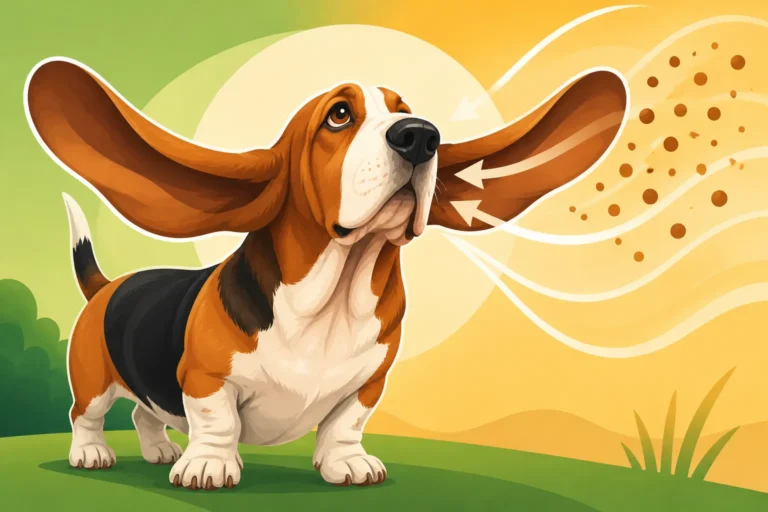
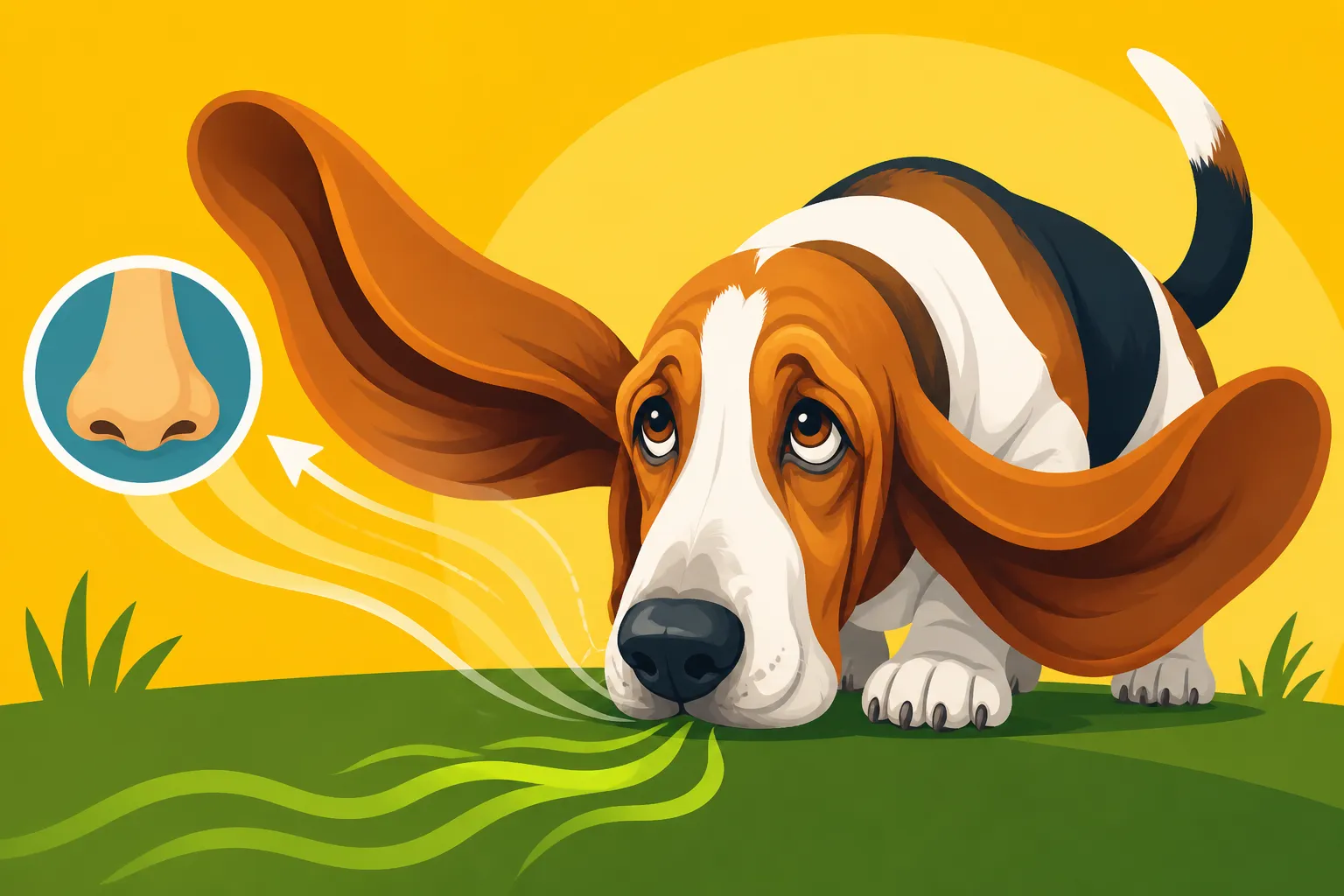
When a Basset Hound lowers its head to trail, those long, heavy ears don't just hang there; they actively engage with the environment. As the dog moves, its pendulous ears swing, effectively sweeping the ground right in front of and around its nose. This sweeping action isn't random; it's a deliberate, albeit unconscious, mechanism that helps stir up and concentrate scent particles from the ground.
Imagine a little cloud of air, laden with scent molecules, lying close to the grass or soil. As the Basset Hound walks, its ears disturb this air, lifting the scent upwards and directing it directly towards its nose. It's like having two organic, furry brooms guiding the crucial information right where it needs to go. This process is further enhanced by the sheer surface area of the ears. They act almost like funnels, gathering subtle odors that might otherwise disperse into the broader atmosphere. Without this physical aid, the Basset's nose would still be incredible, but it would have to work harder, and potentially miss fainter, older trails.
Trapping and Concentrating Scent: A Sensory Funnel
The genius of the Basset Hound's ears extends beyond simply sweeping scents into proximity. Their unique structure and texture play a crucial role in trapping and concentrating these airborne scent particles, creating a more intense and prolonged olfactory experience for the dog.
The 'Scent Blanket' Effect
One of the most fascinating aspects of a Basset Hound's ears is how they contribute to what's often called the "scent blanket" effect. When the dog's head is down, those broad, floppy ears drape downwards and forward, effectively creating a contained micro-environment around its nose and the immediate area of ground it's investigating. This "blanket" minimizes the interference of ambient air currents and wind, which can quickly disperse delicate scent molecules.
By reducing this environmental interference, the ears help to trap and hold the scent close to the nose, allowing the Basset Hound to analyze it more thoroughly and for a longer duration. It's akin to cupping your hand around a subtle aroma to get a better whiff. This sustained concentration of scent particles allows the Basset to meticulously "read" the trail, distinguishing individual scents, determining direction, and assessing the freshness of the track without the constant distraction of rapidly changing air currents. This makes them exceptionally good at following even very old trails.
The Role of Ear Leather Texture and Skin Folds
It's not just the size and hang of the ears that matter; the texture and specific folds of the Basset Hound's ear leather also play a part. Their ears are typically soft and velvety, often with subtle creases and folds. These textures aren't merely decorative; they act as additional surfaces that can capture and retain scent particles. Think of it like a micro-velcro for odors.
These minute imperfections and the porous nature of the skin can hold onto scent molecules even after the initial sweep, further contributing to the localized scent concentration. As the Basset Hound moves, these folds and the general draping of the ear can continuously present captured scent molecules to the nose, providing a richer, more sustained olfactory input. This means that a Basset isn't just sniffing a fleeting moment of scent; it's engaging with a complex, lingering tapestry of odors that its unique anatomy helps preserve and present. The interplay of soft leather and folds means that even if a strong gust of wind passes, some scent might still be held and delivered.
Working in Harmony with Other Scent Enhancements
While the ears are undeniably fantastic tools for scenting, they don't work in isolation. The Basset Hound's entire head and body structure are designed to maximize their olfactory prowess, creating a symphony of scent-gathering features.
The Dewlap and Wrinkles: A Scent Ensemble
Beyond the ears, a Basset Hound boasts a generous amount of loose skin around its face and neck, particularly the prominent dewlap, that distinctive fold of skin hanging beneath their chin. Just like the ears, these skin folds serve a crucial purpose in scent detection. As the Basset moves with its head down, the dewlap and facial wrinkles also drag along the ground, picking up and trapping scent particles. Whether a Basset Hound's Loose Skin Traps Scent
These additional skin surfaces, working in conjunction with the sweeping ears, amplify the "scent blanket" effect. They further enclose the area around the nose, creating an even more concentrated pocket of air rich with scent. Imagine all these features—the long ears, the heavy dewlap, the jowly cheeks—working together like a natural funnel, guiding every possible scent molecule directly to where it can be processed. It's a truly brilliant evolutionary design for a creature whose world is primarily defined by scent. This whole "ensemble" ensures that no nuance of an odor trail goes undetected, making the Basset Hound incredibly effective at its historical task of tracking.
The Unrivaled Nose Itself
It’s important to remember that these anatomical features, as impressive as they are, are merely enhancements to what is already an incredibly sophisticated piece of biological equipment: the Basset Hound's nose. The true power lies within the olfactory system itself. A Basset Hound possesses an extraordinary number of olfactory receptors—the specialized cells responsible for detecting odors—far more than humans and even surpassing many other dog breeds. Whether a Basset Hound Has More Scent Receptors Than a Beagle
While a Bloodhound is often cited as the gold standard for canine scenting, the Basset Hound is often placed second in terms of raw olfactory power. The Nose That Puts a Basset Hound Second to a Bloodhound Their nasal cavity is large and complex, filled with turbinates that provide a vast surface area for these receptors. The ears, dewlap, and wrinkles merely optimize the delivery of scent to this incredible internal machinery. They don't create the ability; they magnify it, ensuring that the Basset's phenomenal nose gets the most concentrated and sustained input possible. This combination of internal processing power and external scent-gathering aids is what makes a Basset Hound an unparalleled tracker.
Practical Implications for Basset Hound Owners
Understanding why a Basset Hound's ears are shaped the way they are sheds light on a lot of their unique quirks and care requirements. For owners, this knowledge is power, helping us provide the best life for our scent-driven companions.
Care and Maintenance for Scent-Enhancing Ears
The very design that makes a Basset Hound such an exceptional tracker also makes their ears incredibly susceptible to problems. Those long, heavy ear flaps cover the ear canal, creating a warm, dark, and often moist environment that is a perfect breeding ground for bacteria and yeast. This is why Basset Hounds are famously prone to ear infections. Whether Every Basset Hound Gets Ear Infections
As an owner, you're essentially signing up for a regular ear care routine. The Twice Weekly Ear Ritual a Basset Hound Owner Signs Up For This isn't just about cleaning, it’s about prevention. Weekly or bi-weekly cleaning with a vet-approved ear cleaner is often necessary to remove wax, debris, and moisture before it can lead to trouble. Overlooking this vital aspect of care can lead to chronic, painful ear infections, making your dog miserable and leading to costly vet visits. It’s a commitment, but one that is essential for their health and comfort. Checking their ears regularly for redness, discharge, or odor becomes a natural part of living with a Basset.
Managing the Scent-Driven Basset Hound
A Basset Hound's world is dominated by scent, and their incredible olfactory abilities mean they are constantly processing information from the ground. This has significant implications for their behavior and training. When a Basset Hound catches an interesting scent, it’s like suddenly being absorbed in a gripping novel; everything else fades into the background. This is why Why a Basset Hound Stops Hearing You When It Smells Something is a very real phenomenon.
For this reason, Basset Hounds are notoriously difficult to train for off-leash recall, especially in an unfenced area. Whether a Basset Hound Should Ever Be Off Leash The pull of a compelling scent trail is often far stronger than any command you might issue. Secure fencing is paramount, and even then, a determined Basset might find a way to follow its nose to adventure. Many owners find immense joy and fulfillment in engaging their Basset's natural talents through scent work, like tracking or nose work classes. Giving a Basset Hound's Nose Something to Do These activities provide mental stimulation and allow them to use their incredible noses in a safe, constructive way, without risking them wandering off after a phantom rabbit.
The Downside of Design: Challenges and Care
While their scent-enhancing ears are a marvel of natural selection, they come with a distinct set of challenges for Basset Hound owners. These challenges primarily revolve around hygiene and health, necessitating diligent care to prevent discomfort and illness.
Increased Risk of Ear Infections
The very characteristics that make a Basset Hound's ears so effective at gathering scent also make them a hotspot for infections. Those long, heavy ear flaps create a warm, moist, and poorly ventilated environment deep within the ear canal. This sealed-off space is an ideal breeding ground for opportunistic microorganisms, particularly yeast and bacteria. Whether Yeast or Bacteria Is in a Basset Hound's Ear Without proper airflow, moisture from baths, swimming, or even just humidity can get trapped, leading to a build-up that quickly ferments and causes problems.
Owners often face a constant battle against the tell-tale signs of infection: scratching, head shaking, redness, and a distinct odor emanating from the ears. Chronic ear infections can be incredibly painful for the dog and frustrating for the owner, sometimes requiring long courses of medication, specialized cleaners, or even, in severe cases, surgical intervention. It's a direct consequence of their unique anatomy, and it means that routine ear checks and cleaning aren't just good practice—they're absolutely essential for a Basset Hound's well-being.
Physical Hazards and Hygiene
Beyond infections, the Basset Hound's magnificent ears present several day-to-day practical challenges. Their sheer length means they can easily drag through food and water bowls, becoming wet and messy. Whether a Basset Hound's Ears Drag Through Its Food This not only makes them dirtier but also introduces more moisture into the ear canal, exacerbating the risk of infection. Many owners resort to special feeding solutions, such as narrow, tall bowls or even "snoods"—fabric tubes that hold the ears back during meal times. You can find a good variety of these on pet supply sites like Chewy. Whether a Snood Helps a Basset Hound at Dinner
Furthermore, those long ears can become minor hazards in other ways. They can get stepped on by the dog itself, or caught on furniture, leading to minor injuries or even hematomas. When a Basset Hound shakes its head with enthusiasm, those heavy ears can really whip around, potentially splattering anything they've picked up onto nearby walls or furniture. Regular external cleaning of the ear flaps is also important to remove dirt, debris, and food residue that accumulates, preventing skin irritations on the ears themselves. It’s a small price to pay for such a lovable and unique companion, but it’s definitely something every potential Basset owner should be prepared for.
Here's a quick overview of how each of a Basset Hound's unique features contributes to its incredible sense of smell:
| Feature | Contribution to Scent Detection | Owner Implication |
|---|---|---|
| Long Ears | Sweep ground, stir up scent, direct to nose | Requires diligent cleaning to prevent infections |
| Ear Flaps | Create 'scent blanket', trap molecules | Prone to getting wet/dirty; needs snoods/special bowls |
| Dewlap/Wrinkles | Trap additional scent, create micro-environment | Requires cleaning to prevent skin fold infections |
| Low Stature | Keeps nose closer to ground for constant trailing | Prone to back issues; limits strenuous exercise |
| Olfactory Receptors | High density for superior scent processing | Intense focus on scent; difficult recall off-leash |
This article is for general informational purposes only and does not constitute professional advice. Laws, prices and regulations vary by location and change over time. Consult a qualified professional for guidance on your specific situation.