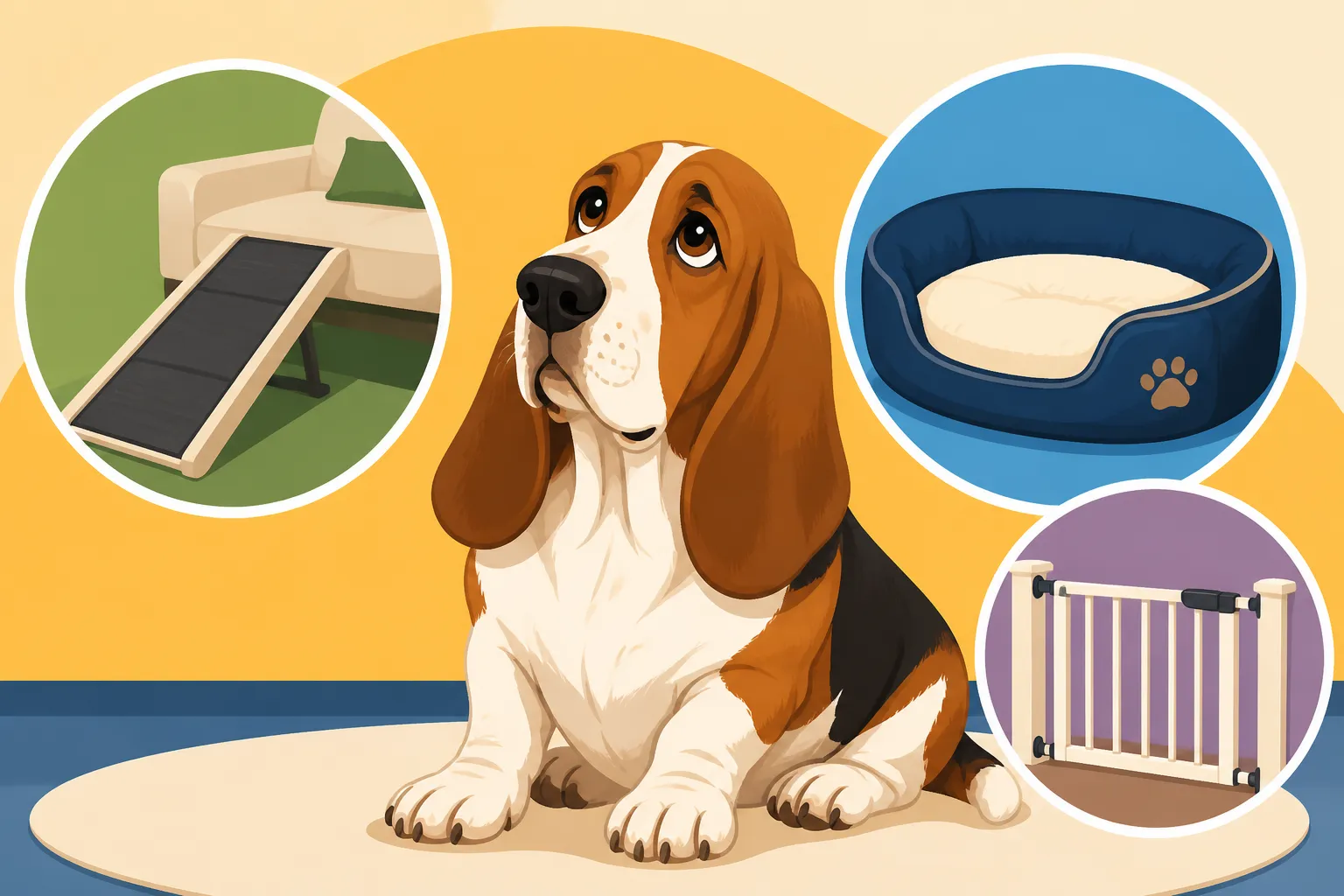
The Ramps, Beds and Gates a Basset Hound Needs
One of the biggest heartbreaks for a Basset Hound owner is watching their beloved, low-slung companion struggle with daily movements – whether it's hopping onto the sofa, getting into the car, or simply navigating stairs. Their unique build, while utterly charming, also makes them prone to a host of orthopedic challenges that can turn everyday obstacles into significant pain points. This comprehensive guide is here to walk you through the essential ramps, beds, and gates that can safeguard your Basset Hound's precious joints and spine, ensuring they live a comfortable, happy life free from preventable strain.
Why Special Equipment Is Essential for Basset Hounds
Basset Hounds are truly one-of-a-kind. Their long, heavy bodies combined with those adorably short, crooked legs are a marvel of selective breeding, but they also present a unique set of challenges when it comes to their physical well-being. It's not just about pampering; it's about crucial preventative care that can stave off years of pain and expensive veterinary bills down the line.
Understanding the Basset Hound's Unique Anatomy
Let's be real, Basset Hounds aren't built for leaping. Their characteristic low-to-the-ground stance, that deep chest, and those famously short, bowed legs are a direct result of chondrodystrophy, a form of dwarfism that affects cartilage development. This condition, while giving them their distinctive look, also means their joints, especially in the elbows and spine, are under constant stress. Think about their long back, almost disproportionately long compared to their legs – it's incredibly susceptible to injury. Every jump off a couch, every awkward descent down a flight of stairs, puts immense strain on those delicate discs in their spine. This is why understanding their anatomical predispositions is the first step in creating a safe and comfortable environment. We often see concerns about issues like Intervertebral Disc Disease in a Basset Hound, and much of that can be exacerbated by repetitive impact.
Preventing Common Basset Hound Injuries
The goal here isn't just to react to problems, but to prevent them from ever happening. The most common injuries we see in Basset Hounds stem directly from their build: back problems, elbow dysplasia, and arthritis. A simple jump can lead to a slipped disc, which can be excruciatingly painful and often requires costly surgery. Imagine the heartbreak of seeing your cheerful, waddling friend suddenly yelp and refuse to move because they've tweaked their back. By investing in the right equipment, you're not just buying a ramp or a bed; you're buying peace of mind and, more importantly, extending your Basset's quality of life. Preventing these injuries means fewer trips to the emergency vet, less medication, and a happier dog. It's about being proactive and recognizing that their adorable clumsiness isn't just charming; it's a call for us to provide a safer environment. You want to make sure you are Keeping a Basset Hound Off the Furniture It Should Not Jump From to avoid serious injury.
Choosing the Right Ramps for Your Basset Hound
Ramps are perhaps the single most important piece of equipment for a Basset Hound owner. They eliminate the need for jumping, lifting, or struggling, preserving your dog's spine and joints. It's not just for older dogs; puppies and young Bassets benefit immensely from using ramps to prevent future problems.
Ramps for Furniture Access
Let's face it, most Basset Hounds believe they are lap dogs, regardless of their size or weight. They want to be right there with you on the sofa, snuggled up on the bed. But those jumps, both up and down, are incredibly detrimental. A good furniture ramp provides a gentle incline, allowing them to stroll up and down without any jarring impact. When considering a ramp for furniture, think about the height of your sofa or bed. You'll need a ramp that reaches the top comfortably without being too steep. Look for models with a non-slip surface, as those clumsy Basset feet can easily slide on slick plastic or wood. Some ramps even fold up, which is handy if you need to move it for guests or cleaning. A quality ramp can prevent significant stress on their joints and spine, helping to avoid issues like The Back Trouble a Basset Hound Is Built Into.
- Materials: Wood ramps tend to be sturdy and more aesthetically pleasing for indoor use, but they can be heavy. Plastic ramps are lighter and often more portable. Carpeted or textured surfaces are best for grip.
- Stability: Ensure the ramp is stable and doesn't wobble when your Basset walks on it. A wobbly ramp can be scary for a dog and lead to refusal to use it.
- Angle: The shallower the angle, the better for your Basset's back. This might mean a longer ramp, so measure your space accordingly.
Ramps for Car Travel
Getting your Basset Hound into and out of the car can be a real workout for both of you. Lifting a heavy, wriggly Basset repeatedly is not only tough on your back but can also put their spine at risk if they shift unexpectedly. Car ramps are a godsend here. They allow your Basset to walk right into the back of an SUV or the trunk of a car, making trips to the vet, dog park, or simply running errands much easier and safer. When choosing a car ramp, portability and durability are key. You'll want something that folds or telescopes for easy storage and can withstand the elements if used outdoors. Brands like PetSafe and Solvit offer reliable car ramps that are popular among owners of larger, heavier breeds. This is particularly important because Whether a Basset Hound Should Be Lifted Under the Chest needs to be carefully considered to avoid injury.
- Portability: Look for lightweight, foldable, or telescoping designs that are easy to store in your car's trunk or back seat.
- Weight Capacity: Make sure the ramp can comfortably hold your Basset's weight. Some Bassets can weigh upwards of 60-70 pounds, so a sturdy ramp is crucial.
- Surface: Again, a non-slip surface is critical for car ramps, especially since they might be used in wet conditions. Sandpaper-like textures or rubber treads work well.
Ramp Materials and Safety Features
The devil is in the details when it comes to ramp safety. Not all ramps are created equal, and for a Basset Hound, specific features can make all the difference between a ramp they'll confidently use and one they'll eye with suspicion.
First, consider the material. Aluminum ramps are often lighter for their strength and weather-resistant, making them ideal for outdoor car use. Wooden ramps, especially those with carpeted surfaces, can blend better with home decor and offer excellent traction indoors. Plastic ramps are usually the lightest and most affordable, but ensure they are robust enough for your Basset's weight and don't flex too much.
Second, traction is paramount. A slippery surface defeats the entire purpose of the ramp, potentially causing a fall that could be even worse than jumping. Look for rubberized treads, sandpaper-like coatings, or high-quality carpet. Some ramps even have raised edges along the sides to act as guides, preventing your Basset from accidentally stepping off.
Finally, stability and locking mechanisms. The ramp should sit securely against the furniture or vehicle without slipping. Many car ramps have rubberized feet or safety tethers to prevent movement. For indoor ramps, ensure they don't slide on hardwood floors. A ramp that wobbles or shifts can scare your Basset, making them reluctant to use it. Taking the time to research and invest in a high-quality ramp now can save you significant heartache and expense later, especially as you consider Whether a Basset Hound Should Use Ramps at Home from a long-term perspective.
| Ramp Type | Best Use Case | Key Features | Considerations |
|---|---|---|---|
| Furniture Ramp | Sofa, Bed | Non-slip surface, appropriate height | Length for shallow angle, indoor aesthetics |
| Car Ramp | SUV, Trunk | Portable, durable, high weight capacity | Storage, weather resistance, robust grip |
| Pet Steps | Low furniture, temporary | Shorter, usually carpeted | Not ideal for Bassets due to joint impact |
Selecting the Perfect Bed for Basset Hound Comfort and Health
A Basset Hound spends a lot of time snoozing – it's part of their charm! But their bed isn't just a place to nap; it's a critical component of their joint health, especially as they get older and issues like Arthritis in a Basset Hound at Seven become more prevalent.
Orthopedic Support and Joint Health
For a Basset Hound, an orthopedic bed is not a luxury; it's a necessity. Their heavy, long bodies and predisposition to joint issues like hip and elbow dysplasia, as well as spinal problems, mean they need superior support. A thin, lumpy bed offers no real cushioning and can exacerbate joint pain. Orthopedic beds are designed with high-density foam (often memory foam) that conforms to your dog's body, evenly distributing their weight and relieving pressure points. This support helps to alleviate pain in already sore joints and provides preventative care for healthy ones. Think about how much better you feel after sleeping on a supportive mattress; it's the same for your Basset. These beds are particularly vital for The Old Basset Hound That Cannot Get Off the Floor, offering them the support they need to rest comfortably and rise with less struggle.
- Memory Foam: Look for beds with at least 3-4 inches of dense memory foam. The higher the density, the better the support and durability.
- Edge Support: Some orthopedic beds have bolstered edges, which Bassets love for resting their heads or curling up against. This also provides extra support.
- Size: A Basset Hound needs a bed large enough for them to stretch out fully in any position without body parts hanging off. Remember, they are long dogs!
Bedding Materials and Durability
Basset Hounds can be tough on beds, and their unique physiology means certain materials are better than others. Beyond orthopedic support, consider the durability and practicality of the bed's construction.
- Cover Material: Look for durable, washable covers. Bassets can be prone to drooling, shedding, and sometimes carrying in outdoor grime. A machine-washable cover is non-negotiable. Materials like heavy-duty canvas, microsuede, or even chew-resistant fabrics are excellent choices. Brands like Big Barker are renowned for their durable orthopedic beds designed for large breeds, and while an investment, they often come with a 10-year warranty, speaking to their longevity. For a more accessible option, Chewy offers a wide range of well-rated orthopedic beds that can withstand Basset shenanigans.
- Water-Resistant Liners: Ideally, the inner foam core should have a water-resistant or waterproof liner. This protects the foam from accidents, drool, or wet fur, which can lead to odors and degradation of the foam.
- Anti-Skid Bottom: A non-slip bottom prevents the bed from sliding around on hard floors, making it safer for your Basset to get in and out, especially if they are a bit wobbly.
Bed Placement and Cleaning Considerations
Where you place the bed and how you maintain it are just as important as the bed itself.
- Placement: Choose a quiet, draft-free spot where your Basset feels secure and can still be part of the family action. Many Bassets love being near their humans. Avoid placing beds in high-traffic areas where they might be tripped over or disturbed. If your Basset struggles with mobility, keep the bed on the ground floor to minimize stair climbing.
- Regular Cleaning: Basset Hounds can get pretty mucky. Regular cleaning of the bed cover is essential to keep odors at bay and maintain hygiene. Follow the manufacturer's instructions for washing. For the inner foam, spot cleaning is usually recommended. A sprinkle of baking soda can help absorb odors between washes. Consider having a spare bed cover, so one can be in the wash while the other is in use. Remember, a clean bed contributes to overall skin health, especially relevant when thinking about The Skin Under a Basset Hound's Folds.
- Longevity: While a good orthopedic bed can be an investment, it will last much longer and provide better support than cheaper alternatives. Expect to replace the foam core every 5-10 years, depending on quality and usage. This is a topic that often comes up when discussing Whether an Orthopedic Bed Costs for a Basset Hound, but the benefits far outweigh the initial outlay.
Gatekeeping: Securing Your Home for a Basset Hound
Basset Hounds are driven by their noses and, let's be honest, their stomachs. They're also often oblivious to personal safety when a fascinating scent or a potential snack is involved. Gates are not just for puppies; they are invaluable tools for safety, training, and managing your Basset's access within your home.
Containment for Safety and Training
A Basset Hound's powerful nose can lead them into all sorts of trouble. They're prone to sniffing out forgotten crumbs, unattended shoes, or even dangerous household chemicals. Gates provide a physical barrier, ensuring your Basset stays out of harm's way and in designated safe zones. This is crucial for their well-being and for maintaining your sanity!
- Kitchen Safety: The kitchen is often a magnet for Bassets, with tantalizing smells and potential dropped food. A sturdy gate can keep them safely out while you cook, preventing accidental ingestion of toxic foods or getting underfoot.
- Staircase Protection: As mentioned, stairs are a major risk for a Basset Hound's back. Gates at the top and bottom of staircases are absolutely essential to prevent them from attempting to climb or descend, particularly unsupervised. This links directly to concerns about Whether a Basset Hound Should Be Blocked From Stairs to prevent injuries.
- Quiet Zones: Sometimes your Basset just needs a quiet space, especially if they're napping or if you have visitors. Gates can define these areas, providing them with a secure retreat.
- House Training and Boundaries: Gates are fantastic for house training, allowing you to gradually expand their access as they learn the rules of the house. They also help teach boundaries, preventing access to rooms where they might chew furniture or simply not be welcome.
Gate Types and Installation
Not all gates are created equal, and the type you choose depends on the specific location and your Basset's personality.
- Pressure-Mounted Gates: These are great for temporary use or rental properties as they don't require drilling. However, they are not as secure as hardware-mounted gates and can be pushed over by a determined Basset. They're suitable for low-traffic areas or to block off rooms where your Basset isn't overly persistent. For a Basset, you'll need one sturdy enough not to be pushed through.
- Hardware-Mounted Gates: These are screwed into doorframes or walls and offer the highest level of security. They are essential for the top of staircases and any area where a breach would be genuinely dangerous. While they require a bit more effort to install, the peace of mind they provide is invaluable.
- Extra Wide/Tall Gates: Basset Hounds, while short, are long and surprisingly strong. If you have wide doorways or particularly persistent Houdini-hounds, you might need extra-wide gates or even slightly taller ones to deter climbing (though climbing isn't usually a Basset's forte, you never know!).
- Material: Metal gates are often more durable and chew-proof than plastic or wood, which a bored Basset might decide to gnaw on. Consider gates with vertical bars rather than horizontal ones, as horizontal bars could potentially be used for climbing, although less likely for a Basset. Brands like Carlson Pet Products offer a good variety of sturdy, wide metal gates.
Securing Outdoor Spaces
While indoor gates handle immediate home safety, don't forget about your outdoor spaces. A Basset Hound's nose is legendary, and if they catch a scent, they will follow it, often with complete disregard for property lines or traffic.
- Fencing: A secure, physical fence is non-negotiable for a Basset Hound. They are expert escape artists and diggers. The fence needs to be tall enough to prevent jumping (though Bassets aren't known for their vertical leap, some can surprise you) and, more importantly, extend below ground or have a solid base to prevent digging under. A good rule of thumb is at least 4-5 feet high, with extra precautions for digging.
- Gate Security: Any gate leading to your yard should be self-latching and regularly checked for gaps or weaknesses. A Basset will exploit even the smallest opening. Consider double-latching gates for extra security.
- Invisible Fences: While some owners use invisible fences, they are generally NOT recommended for Basset Hounds. Their scent drive is so powerful that they will often ignore the shock collar if a strong scent pulls them, suffering the unpleasant sensation just to follow their nose. Once past the boundary, they may then be too fearful to cross back over the static correction, leaving them stranded outside the fence.
- Supervision: Even with the most secure fencing, never leave a Basset Hound unsupervised outdoors for extended periods. They can still find trouble, get into plants, or be targeted by wildlife. Constant vigilance is the best gate of all.
Other Essential Home Modifications for Basset Hounds
Beyond ramps, beds, and gates, there are other thoughtful modifications that can significantly improve your Basset Hound's quality of life and reduce the risk of injury. These often get overlooked but are just as important for their long-term health.
Flooring and Traction Solutions
Slippery floors are a hidden hazard for Basset Hounds. Their short legs, heavy bodies, and low center of gravity mean they can easily lose their footing on hardwood, laminate, or tile. A slip and fall can lead to anything from minor sprains to severe spinal injuries, especially if they are already dealing with issues like The Crooked Front a Basset Hound Is Built On or developing arthritis.
- Rugs and Runners: The simplest and most effective solution is to lay down rugs, carpet runners, or anti-slip mats in high-traffic areas where your Basset walks. These provide much-needed traction and cushioning, making it safer for them to move about. Look for rugs with rubberized backing to prevent them from sliding themselves.
- Paw Grips/Socks: For Bassets that struggle particularly with slippery floors, products like "paw grips" or non-slip socks can offer immediate traction. While some dogs tolerate them better than others, they can be a great temporary or permanent solution.
- Nail Trims: Keeping your Basset's nails trimmed short is also crucial. Long nails can act like skates on hard floors, reducing traction and forcing their paws into unnatural positions, which stresses their toe and leg joints.
Elevated Feeders and Water Bowls
Watching a Basset Hound eat or drink from a bowl on the floor, with their long ears dragging and their neck bent at an awkward angle, might look cute, but it's not ideal for their posture or digestion.
- Reducing Neck Strain: Elevated feeders bring the bowl up to a more comfortable height, allowing your Basset to eat and drink without excessive bending of their neck and spine. This is particularly beneficial for older Bassets or those with existing neck or back issues.
- Improving Digestion: For some dogs, eating from an elevated bowl can also aid digestion and reduce the intake of air, which might (though evidence is mixed and largely anecdotal) contribute to a lower risk of bloat. While bloat is a serious concern for deep-chested breeds, elevated bowls are primarily a comfort measure for Bassets.
- Hygiene: Elevated bowls also help keep those magnificent, long ears out of the food and water, reducing the likelihood of ear infections and keeping mealtime tidier. Brands like OurPets and PetFusion offer well-designed elevated feeders with adjustable heights, perfect for accommodating a Basset Hound's stature.
Temperature Control and Comfort Items
Basset Hounds have short coats and a unique body shape that can make them susceptible to both heat and cold extremes. Ensuring they are comfortable is part of overall health management.
- Cooling Mats: In warmer climates or during summer months, Bassets can overheat easily, especially with their low-slung bodies absorbing heat from the ground. Cooling mats or elevated dog beds that allow for airflow can provide immense relief.
- Coats/Sweaters: Conversely, in colder weather, a Basset's short coat might not offer enough protection. A well-fitting dog coat or sweater can keep them warm during walks, preventing them from getting too chilled. Look for options that don't restrict their movement and cover their long body adequately.
- Fan/Air Conditioning Access: Ensure your Basset always has access to a cool, shaded area with good airflow in summer, and a warm, draft-free spot in winter. This proactive approach to comfort is part of understanding their specific needs.
The Cost Implications of Basset Hound Home Setup
Let's talk brass tacks. Setting up your home to be Basset-friendly isn't usually a one-time, minor expense. It's an investment, but one that pays dividends in your dog's health and happiness. It's important to budget for these items from the start.
Initial Investment Costs
The initial outlay for ramps, beds, and gates can vary widely depending on quality, brand, and where you purchase them. However, skimping on these items can lead to much higher vet bills down the line.
- Ramps: A decent quality dog ramp for furniture can range from $70-$200. Car ramps, especially sturdy, foldable ones, can be $100-$300 or more. If you need multiple ramps for different areas (e.g., sofa, bed, car), these costs add up quickly.
- Beds: Orthopedic beds for Basset Hounds are an investment. A high-quality memory foam bed large enough for a Basset can cost anywhere from $100 to $400+. For example, a quality large orthopedic bed from Chewy might be around $150-$250, while a premium brand like Big Barker could be $300-$500. This is where you really don't want to cut corners; a good bed can prevent so much pain.
- Gates: Pressure-mounted gates are generally $30-$80, while sturdy hardware-mounted gates for stairs can run $60-$150 each. If you need to secure multiple doorways and staircases, expect to spend $150-$500 on gates.
- Other Items: Elevated feeders (typically $30-$80), non-slip rugs ($20-$100+ per rug), and any necessary seasonal gear (coats, cooling mats: $20-$70 each) also contribute to the initial setup cost.
When you total it up, a comprehensive Basset Hound home setup can easily run into the hundreds, if not over a thousand, dollars. This upfront cost might seem steep, but compare it to the potential cost of spinal surgery, which can be thousands of dollars. Thinking about these expenses helps when considering What a Basset Hound's Emergency Surgeries Cost.
Long-Term Maintenance and Replacements
These items aren't always a one-and-done purchase. Like anything else, they wear out, break, or might need upgrading as your Basset ages.
- Bedding Replacements: While good orthopedic beds are durable, the foam will eventually compress and lose its supportive qualities, usually after 5-10 years. Covers may need replacing sooner due to wear and tear or chewing. Budget for a new high-quality orthopedic bed every few years, or at least a replacement foam core.
- Ramp Wear and Tear: Ramps, especially those used outdoors or frequently in cars, will show signs of wear. The non-slip surface might degrade, or the folding mechanisms could loosen. Regular inspection and eventual replacement are necessary.
- Gate Upgrades: As your Basset matures, their needs might change. You might discover a certain gate isn't quite as robust as you need, or you might reconfigure your living space. Be prepared for occasional upgrades or replacements.
- Ongoing Cleaning Supplies: Keeping all these items clean, especially beds and feeders, requires appropriate cleaning products. This is a small but ongoing cost.
- Insurance Consideration: Pet insurance can be a lifesaver for unexpected health issues, but it often doesn't cover preventative items like ramps or beds. However, if these preventative measures fail and your Basset does require surgery for a back or joint issue, having a robust policy from a provider like Healthy Paws can make a huge difference in managing those potentially astronomical bills.
Budgeting and Prioritizing Purchases
It's okay if you can't buy everything at once. Prioritize based on immediate needs and risks.
- Stairs and Jumping: If you have stairs, hardware-mounted gates are your top priority. If your Basset jumps on furniture, a furniture ramp is next.
- Orthopedic Bed: A quality orthopedic bed should be high on the list, especially if your Basset is already showing signs of stiffness or is getting older.
- Car Ramp: If your Basset frequently travels in the car, a car ramp is essential.
- Flooring & Feeders: Address slippery floors with rugs and consider an elevated feeder for comfort and hygiene.
Look for sales, check online retailers like Chewy, and read reviews. Investing in durable, well-made products upfront often saves money in the long run by reducing the need for frequent replacements. You can also explore options from brands like Ollie if you're already investing in premium nutrition, as they sometimes offer complementary accessories or advice on overall wellness which can tie into these needs. Remember, taking care of a Basset Hound means being prepared for their unique needs, and that includes financial planning for their comfort and health.
Making Informed Choices and Adapting Over Time
Owning a Basset Hound is a journey, and their needs will evolve throughout their lives. What works for a boisterous puppy might not be suitable for a senior dog with mobility challenges. Staying informed and adaptable is key to providing them with the best possible care.
Assessing Your Basset Hound's Individual Needs
Every Basset Hound is an individual, even within the breed. While they share common anatomical traits, their activity levels, weight, personality, and specific health predispositions can differ.
- Observe Your Dog: Pay close attention to how your Basset moves. Do they struggle to get up from a lying position? Do they hesitate before jumping? Do they seem stiff after a walk or a nap? These are all cues that they might need more support or easier access solutions.
- Consult Your Vet: Your veterinarian is your best resource. They can assess your Basset's joints, spine, and overall mobility. They might recommend specific types of orthopedic support, physical therapy, or even dietary supplements to support joint health. If your Basset is carrying a bit of extra weight, which can severely impact their joints and back, your vet can advise on diet and exercise to address What Extra Weight Does to a Basset Hound.
- Consider Their Habits: If your Basset loves to sleep sprawled out, they'll need a larger bed. If they're a determined counter-surfer (even if they can only reach the edges!), stronger gates might be necessary. Tailor your purchases to their specific behaviors and requirements. This includes knowing How Much a Basset Hound Should Weigh and ensuring they stay within a healthy range.
Evolving Needs as Your Basset Hound Ages
The equipment needs of a Basset Hound often change significantly as they transition from a rambunctious puppy to a wise, senior companion.
- Puppyhood: Even puppies benefit from ramps to prevent bad habits like jumping and to protect their still-developing growth plates. Gates are essential for puppy-proofing and house training.
- Adulthood: In their prime, a Basset might still be agile, but maintaining good habits with ramps and orthopedic beds will help prevent premature joint degradation and back issues. This is also a good time to ensure they're not engaging in activities that put undue strain on their bodies, such as excessive jumping.
- Senior Years: This is when the need for adaptive equipment becomes most critical. As Bassets age, Arthritis in a Basset Hound at Seven or later is common, and their mobility will naturally decline. Ramps become indispensable for all high surfaces, orthopedic beds are paramount for comfort, and more extensive use of rugs and anti-slip solutions may be required. You might also consider steps for the couch if they prefer that over a ramp, or other assistive devices like harnesses with handles to help them up. Knowing when they are becoming The Old Basset Hound That Cannot Get Off the Floor is important for prompt intervention and support.
Integrating New Gear Seamlessly
Introducing new equipment to your Basset Hound might require a little patience and positive reinforcement. They are creatures of habit and can be a bit wary of new things.
- Positive Association: Make the new ramp or bed a positive experience. Lure them onto the ramp with their favorite treats or a toy. Praise them profusely for even small attempts. Let them explore the new bed at their leisure, perhaps placing a familiar blanket or toy on it.
- Consistency: Use the equipment consistently. Don't let them jump off the sofa one day and use the ramp the next. Consistency reinforces the new behavior.
- Patience: Basset Hounds are intelligent but can also be stubborn. Don't force them. If they're hesitant, take a break and try again later. Many will eventually adopt the new routine once they understand it benefits them.
- Regular Checks: Periodically check all your equipment for wear and tear, cleanliness, and proper function. Adjust gates, tighten screws on ramps, and wash bed covers regularly to ensure they remain safe and effective.
By thoughtfully planning and adapting your home environment, you're not just buying products; you're investing in your Basset Hound's lifelong comfort, safety, and well-being. It's a testament to the love and care we have for these wonderful, unique dogs.
Disclaimer
This guide offers general information and recommendations regarding Basset Hound care and home modifications. It is not a substitute for professional veterinary advice. Always consult with your veterinarian for specific health concerns, treatment plans, or before making significant changes to your dog's care routine. Individual needs may vary, and a qualified vet can provide personalized guidance.