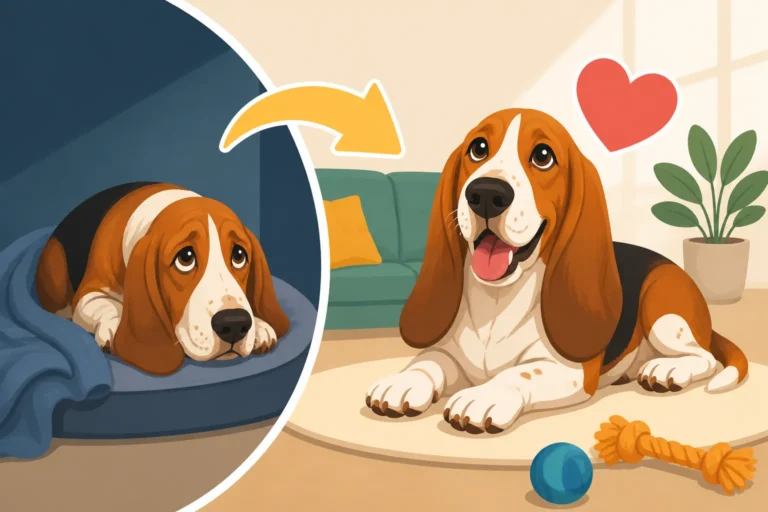
What Neutering a Basset Hound Costs
Making the decision to neuter your beloved Basset Hound is a big step, and it’s completely natural to feel a bit overwhelmed wondering about the financial side of things. We all want the best for our floppy-eared companions, and that often means facing veterinary costs that can feel like a mystery. This guide aims to clear up some of that confusion, offering a realistic look at what you can expect when budgeting for your Basset's neuter procedure, without getting bogged down in medical jargon.
Understanding the Factors That Influence Neutering Costs
When you start asking around about the cost of neutering, you might get a dizzying range of answers. It’s not because vets are randomly pulling numbers out of a hat, but because there are so many variables at play. Thinking about these ahead of time can help you prepare for the estimate you’ll receive.
The Geographic Roulette of Vet Bills
Just like the cost of a cup of coffee or a gallon of gas varies wildly depending on where you live, so does the cost of veterinary services. A clinic in a bustling metropolitan area, with higher overheads like rent and staff wages, will almost certainly charge more for a neuter than a practice in a quieter, more rural setting. This isn't unique to Basset Hounds; it's a universal truth in veterinary care.
Imagine calling a vet in a popular, affluent city like San Francisco versus one in a charming small town in Nebraska. The difference can be quite significant. These higher costs in urban centers often reflect the overall cost of living and doing business in that area. It’s not necessarily about better care, but about the economic realities of the location. So, when you're getting quotes, remember that your postcode plays a surprisingly big role.
Your Basset Hound's Specific Needs
Every Basset Hound is a unique individual, and their specific characteristics can influence the cost of their neuter. It's not a one-size-fits-all procedure, and your vet will tailor their approach based on several key factors.
First, consider your Basset's age. While most neuters happen when dogs are relatively young, neutering an older Basset might involve more extensive pre-surgical screening, especially if they have age-related health concerns. Their size and weight also play a huge role. Basset Hounds, with their robust build, often weigh more than people expect, typically between 40-65 pounds. A heavier dog generally requires more anesthetic, larger doses of medication, and more supplies, which can increase the overall cost. If you're wondering How Much a Basset Hound Should Weigh, it's something to discuss with your vet before the procedure.
Any pre-existing health conditions are a significant factor. If your Basset has a heart murmur, a history of unusual bleeding (like in cases of Thrombopathia and the Basset Hound That Will Not Clot), or any other chronic illness, your vet will need to take extra precautions. This could mean more extensive bloodwork, additional diagnostic tests like an echocardiogram, or a specialized anesthetic protocol, all of which add to the bill but are absolutely vital for their safety. The peace of mind knowing your Basset is as safe as possible is worth it.
The Veterinary Practice You Choose
The type of veterinary practice you opt for also has a direct impact on the price. You generally have a few different options, each with its own cost structure and level of service.
A full-service private veterinary clinic, often where you take your Basset for routine check-ups, typically offers comprehensive care. This means they often have the latest monitoring equipment, a dedicated team of veterinary technicians, and a more personalized approach. Their prices will reflect this higher level of care and personalized attention. These clinics are often equipped to handle more complex cases or unforeseen complications during surgery, which can be reassuring.
Then there are larger veterinary hospital chains, which might offer a slightly different pricing model, sometimes with package deals. Finally, many communities have low-cost spay/neuter clinics, often run by humane societies or charitable organizations. These clinics are fantastic resources for making neutering accessible, but they often operate on a high-volume model, which might mean less personalized pre- and post-operative care, or a more standardized approach to the procedure. They might also have longer wait times for appointments. The key is to understand what each type of clinic includes in its pricing so you can make an informed decision that balances cost with your comfort level for your Basset’s care.
What's Typically Included in the Neutering Package
When you get a quote for your Basset Hound's neuter, it's not just for the surgical removal itself. A responsible vet includes a whole suite of services to ensure your dog’s safety and comfort. Understanding these components can help you see the value in the overall cost.
The Pre-Surgical Work-Up
Before your Basset Hound even steps into the operating room, a lot of important preparatory work needs to happen. The first step is always a thorough physical exam by the veterinarian. This isn't just a quick pat-down; it's a careful assessment of your Basset’s general health, listening to their heart and lungs, checking their temperature, and looking for any signs of illness or underlying conditions that could complicate anesthesia or surgery. It's their final green light for the procedure.
Then comes the bloodwork, and this is a component that can sometimes be optional at lower-cost clinics but is highly recommended, especially for Bassets. Pre-anesthetic blood tests are crucial for checking your dog's organ function, particularly their liver and kidneys, which are responsible for processing anesthetic drugs. This helps the vet tailor the anesthetic protocol to your Basset's individual needs, minimizing risks. If you're wondering Whether a Basset Hound Should Be Tested Before Neutering, the answer is almost always yes, and bloodwork is a primary part of that. It's a vital safety net, allowing the vet to identify potential issues before they become emergencies. Some clinics include a basic blood panel, while others might offer more comprehensive panels for an additional charge.
Finally, a good practice will discuss and plan for pain management. This isn't just about discomfort; it impacts recovery significantly. Having a clear plan in place ensures your Basset will be as comfortable as possible before, during, and after the procedure.
The Procedure Itself
This is the core of what you're paying for: the actual surgery and the meticulous care taken during it. Anesthesia is a major component here. Vets use different types of anesthetic agents, and the specific protocol will be chosen based on your Basset's health and the vet's assessment. What truly matters is the monitoring of that anesthesia.
During the surgery, a dedicated veterinary technician or assistant will continuously monitor your Basset Hound's vital signs. This includes things like heart rate, respiratory rate, blood pressure, oxygen saturation (using a pulse oximeter), and sometimes even carbon dioxide levels. This level of diligent monitoring is what distinguishes high-quality care and helps ensure your dog remains stable and safe throughout the procedure.
The surgical removal of the testes (the neuter itself) is performed with sterile techniques and precision. Afterward, your Basset will be moved to a recovery area where they'll be carefully observed as they wake up from anesthesia. Initial pain relief is also administered during this recovery period, often through injectable medications that provide immediate comfort. It's a delicate phase, and having experienced staff watching over them is invaluable.
Post-Operative Care and Take-Home Meds
The care doesn't stop once your Basset is awake. The post-operative phase is just as critical for a smooth recovery and to prevent complications. Most comprehensive neuter packages will include medication to send home with you. This typically consists of oral painkillers and sometimes anti-inflammatory drugs to manage any discomfort over the next few days.
You’ll also almost certainly go home with an Elizabethan collar – affectionately known as the "cone of shame." While your Basset Hound might give you the most mournful look imaginable while wearing it, this cone is absolutely essential to prevent them from licking, biting, or chewing at their incision site. Believe me, a Basset’s long tongue can reach places you wouldn't expect, and stitches are a tempting target. Licking can lead to infection or cause the incision to open, leading to far more expensive emergency visits.
Finally, a follow-up visit is often included in the cost. This appointment usually takes place about 10-14 days after surgery, allowing the vet to check the incision site, ensure it's healing properly, and remove any external sutures if they were used. This is your chance to ask any lingering questions and get reassurance that your Basset is on the mend. While complications are rare, it's good to know that your vet is there for that final check.
Navigating the Costs and Making it Affordable
Even though neutering is a common procedure, the cost can still be a hurdle for many Basset Hound owners. The good news is that there are several strategies you can employ to make it more manageable without compromising on your beloved dog's safety and well-being.
Shopping Around (Wisely)
It’s perfectly okay, and even encouraged, to call around to a few different veterinary clinics in your area to get quotes. However, the key here is to shop wisely. Don't just compare the bottom-line number. Ask detailed questions about what exactly is included in that price. Does it include pre-surgical bloodwork? What kind of anesthesia monitoring do they use? Are take-home pain medications and an e-collar part of the package, or are they extra?
A lower initial quote might seem appealing, but if it doesn't include essential components like pain management or bloodwork, the final bill could end up being similar, or even higher, elsewhere. Be wary of clinics that seem to tack on every item as an "optional" extra. Transparency is key. Local humane societies or non-profit organizations often run low-cost spay/neuter clinics. These can be excellent, affordable options, but be sure to understand their protocols and what services are included versus what would be an additional charge. They often have limited services beyond the surgery itself, so you might need to handle your own pain meds or e-collar purchases, which you can easily find on sites like Chewy.
Exploring Financial Assistance and Payment Options
If the upfront cost feels daunting, remember you're not alone, and there are resources available. Don't be afraid to talk to your veterinarian's office about payment options. Some clinics offer in-house payment plans, allowing you to pay the cost over several weeks or months. There are also specialized veterinary credit cards, like CareCredit, which offer deferred interest periods if paid off within a certain timeframe.
Look into local animal welfare organizations and shelters. Many have programs or partnerships to offer subsidized spay/neuter services to pet owners in need. These programs are designed to promote responsible pet ownership and prevent unwanted litters, and they can significantly reduce your out-of-pocket expenses.
Another avenue worth exploring is pet insurance. While most pet insurance policies won't cover pre-existing conditions or elective procedures if you sign up after the decision to neuter has been made, having a policy in place before issues arise can be a lifesaver for future unexpected veterinary costs. For a Basset Hound, with their known predispositions to conditions like The Back Trouble a Basset Hound Is Built Into or chronic ear issues, having insurance from a provider like Healthy Paws can provide immense peace of mind for the long haul. Think of neutering as one of the first major vet expenses, and it might prompt you to consider future coverage to protect your Basset throughout The Ten to Twelve Years a Basset Hound Lives.
Finally, the most straightforward approach, if time allows, is to simply start a dedicated savings fund. Even putting aside a small amount regularly can quickly build up to cover the cost of neutering.
The Long-Term Savings of Neutering
While the immediate cost of neutering can seem high, it's important to consider the long-term financial benefits, not to mention the health advantages for your Basset Hound.
Neutering completely eliminates the risk of testicular cancer, a common cancer in intact male dogs, and significantly reduces the risk of certain prostate problems, such as benign prostatic hyperplasia, as they age. Treating these conditions, especially cancer, can involve extensive diagnostics, surgery, chemotherapy, and long-term medication, costing far more than a routine neuter. Preventing these health issues proactively is a sound financial decision.
Beyond health, neutering can also curb certain undesirable behaviors that could lead to costly problems. Intact males are notoriously driven to roam in search of females in heat. A Basset Hound's incredible nose means they are particularly susceptible to this urge, often ignoring calls and boundaries when a scent is on the breeze. A wandering Basset can easily get lost, injured (leading to emergency vet bills), or even cause accidents. You might wonder Whether a Basset Hound Is Stolen Easily, and while neutering won't prevent theft, it certainly reduces the inclination to stray, keeping them safer at home.
Preventing unplanned litters is perhaps the most significant financial benefit. Raising a litter of puppies is incredibly expensive, requiring significant time, resources, and veterinary care for the mother and her offspring. The cost far outweighs that of neutering a single dog. Responsible pet ownership includes controlling the pet population, and neutering plays a huge role in that.
After the Neutering: What to Expect and How to Care for Your Basset
Once your Basset Hound is home after their neuter, your job as a loving pet parent shifts to ensuring a smooth and comfortable recovery. Knowing what to expect and how to provide the best care will make all the difference.
Home Care and Recovery
The first few days after neutering are crucial for your Basset's recovery. Your vet will give you specific instructions, and following them to the letter is paramount. One of the most important aspects is keeping your Basset quiet and rested. This can be a challenge for a curious Basset, but limiting their activity will prevent strain on the incision site. This means no vigorous play, no long walks (short, leashed potty breaks only), and definitely no jumping onto or off furniture. Given a Basset's long back, avoiding jumps is always good advice, but it's especially critical during recovery. For more on this, check out Whether a Basset Hound Should Jump Off Furniture.
You'll need to diligently monitor the incision site daily. Look for any signs of excessive redness, swelling, discharge, or if the incision appears to be opening. A small amount of bruising or minor swelling is sometimes normal, but anything concerning warrants a call to your vet.
The "cone of shame" (e-collar) is non-negotiable. Your Basset will likely hate it, but it's absolutely essential to prevent them from licking or chewing at their stitches. Even one moment of unsupervised licking can cause infection or pull out sutures, leading to a much more complicated and expensive recovery. Keep it on, even if it breaks your heart to see their sad eyes.
Feeding should generally remain the same, unless your vet advises a temporary bland diet due to post-anesthesia nausea. If your Basset has a sensitive stomach, a gentle, highly digestible food from a brand like Ollie might be recommended for a few days to ease them back into their routine. You can often find a good selection of recovery aids and specialized foods on platforms like Chewy.
Potential Changes and Ongoing Health Considerations
After your Basset Hound is fully recovered, you might notice a few changes, and it's important to be prepared for them. One of the most common concerns after neutering is weight gain. Neutering can cause a slight decrease in metabolic rate, meaning your Basset might need fewer calories to maintain their ideal weight. This is particularly relevant for Bassets, who are prone to putting on pounds. It’s vital to closely monitor their food intake and ensure they get regular, appropriate exercise to prevent obesity. Being overweight can exacerbate many of the health issues Bassets are prone to, such as joint problems and back trouble. We've discussed this extensively in Keeping a Basset Hound at Its Correct Weight and Whether an Overweight Basset Hound Lives Shorter. Adjusting their diet and exercise routine might be necessary to keep them healthy. You might find yourself needing to switch to a weight-management food, which can affect What Feeding a Basset Hound to the Right Weight Costs.
Behaviorally, you might notice some positive shifts. Neutered males are often less inclined to roam, mark territory, or exhibit certain types of aggression. They might become calmer and more focused on their family. However, it's important to temper expectations; neutering won't change an ingrained personality or cure all behavioral issues, but it can certainly help with hormonally driven ones.
Regular veterinary care remains paramount. Neutering is a one-time procedure, but your Basset Hound will still need annual check-ups, vaccinations, parasite prevention, and dental care throughout their life. These ongoing costs are part of responsible Basset ownership, and proactive care can often prevent more serious, expensive problems down the road.
Remember, neutering is a gift you give your Basset Hound: it contributes to their long-term health and reduces the risks of unwanted behaviors. While the initial cost requires consideration, the peace of mind and potential savings in the long run make it a truly worthwhile investment in your Basset's happy, healthy life.
| Service Item | Basic Clinic Offerings | Comprehensive Vet Clinic Offerings |
|---|---|---|
| Pre-surgical Exam | Included | Included |
| Pre-surgical Bloodwork | Often optional, recommended, extra cost | Often mandatory, included |
| IV Catheter & Fluids | Often optional, extra cost (vital for safety) | Often included (highly recommended for all surgeries) |
| Anesthesia | Standard protocol, basic monitoring | Tailored protocol, advanced monitoring (ECG, BP, SpO2) |
| Pain Medication (in clinic) | Basic injection | Multi-modal, extended relief protocols |
| Take-home Pain Medication | Separate cost or not always provided | Often included |
| E-collar | Separate cost | Often included |
| Dedicated Recovery Nurse | Limited, shared duties | High level, continuous observation |
| Post-op Check-up | Separate cost, if needed or not always offered | Often included |
| Waste Anesthetic Scavenging | Standard, but may vary in technology | Advanced systems for staff/patient safety |
Disclaimer
This article is for general informational purposes only and does not constitute professional advice. Laws, prices and regulations vary by location and change over time. Consult a qualified professional for guidance on your specific situation.