What a Ramp for a Basset Hound Costs
The adorable, low-slung body of a Basset Hound is undeniably charming, but it comes with a unique set of challenges, especially when it comes to navigating the heights of your home. Many Basset owners find themselves constantly lifting their chunky companions onto the sofa or into the car, only to worry about their long backs and delicate joints. This guide will walk you through the world of Basset Hound ramps, helping you understand the costs involved, the different options available, and how investing in the right ramp can protect your beloved hound for years to come.
Why Your Basset Hound Absolutely Needs a Ramp
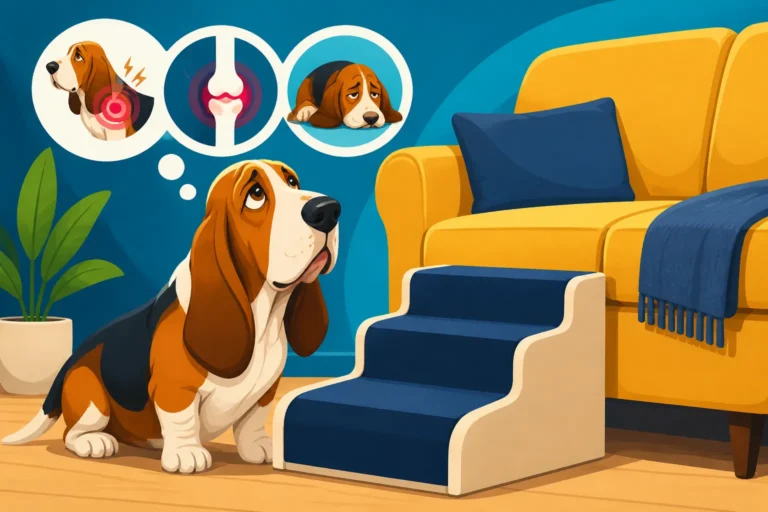
Let's be honest, those short legs and long bodies are a recipe for potential trouble when it comes to jumping. You might think your Basset is a champion jumper, launching themselves onto the couch with surprising agility, but every single jump places immense strain on their spine, elbows, and hips. It's not just about comfort; it's about preventing serious, painful, and often expensive injuries down the line.
The Strain of Jumping on a Basset Hound's Body
Imagine repeatedly dropping a heavy, elongated object from a height. That's essentially what your Basset Hound is doing every time they leap off the bed or jump down from the car. Their unique conformation, a hallmark of the breed, makes them particularly prone to certain orthopedic issues. The force of impact resonates through their joints and especially their long, relatively unsupported spinal column. This isn't just a hypothetical concern; it's a very real one that many Basset owners eventually face.
One of the most common and devastating issues Basset Hounds can suffer from is intervertebral disc disease (IVDD). Their long backs, combined with the shock of repeated impacts, can lead to discs slipping or rupturing, causing excruciating pain, nerve damage, and even paralysis. Preventing these high-impact activities is crucial. Similarly, their elbows and hips, already predisposed to issues like elbow dysplasia in a Basset Hound, can wear down prematurely or suffer acute injury from repeated jolts. A ramp mitigates this by providing a gentle, gradual incline, distributing their weight evenly and eliminating the jarring impact of a jump. This simple piece of equipment acts as a proactive shield against potential lifelong discomfort and staggering vet bills.
Avoiding Costly Vet Bills and Emergency Surgeries
When we talk about the cost of a ramp, it's vital to frame it against the potential cost of not having one. A ruptured disc or severe joint injury isn't just painful for your Basset; it's an emotional and financial burden for you. Emergency veterinary visits, diagnostic imaging like X-rays or MRIs, medications, physical therapy, and potentially even surgery can easily run into thousands, if not tens of thousands, of dollars. Compared to these figures, the cost of a well-made ramp pales in comparison.
Consider the ripple effect of a back injury. Your dog might need strict crate rest, pain management, and potentially months of rehabilitation. This can disrupt your routine, cause immense stress, and still not guarantee a full recovery. Many owners find themselves grappling with difficult decisions about their pet's quality of life. For an old Basset Hound that cannot get off the floor, the transition to using ramps and supportive bedding can make all the difference in their comfort and mobility. Pet insurance providers like Healthy Paws can help manage these unexpected health costs, but preventing them in the first place is always the best approach. Investing in a ramp is an investment in your Basset's long-term health, mobility, and your peace of mind. It’s a small upfront expense that can save you a fortune and a lot of heartbreak in the future.
Types of Ramps Available for Basset Hounds
Just like there's a myriad of dog beds, there's a whole world of ramps out there designed for various needs, sizes, and budgets. For a Basset Hound, you're primarily looking for stability, appropriate length, and a gentle slope. Understanding the different types will help you narrow down the best fit for your home and your hound.
Portable Car Ramps
These ramps are designed with travel in mind, specifically for helping your Basset get in and out of vehicles. They are typically lightweight, foldable or telescopic, and made from durable materials like aluminum or heavy-duty plastic. The key features here are portability and stability when deployed. A good car ramp will have a textured surface for grip, ensuring your Basset doesn't slip on the way up or down, especially when wet.
The length is critical for a Basset. While a short, steep ramp might work for a small, agile dog, a Basset needs a longer ramp to create a shallower incline, reducing strain on their back. Think about the height of your car's tailgate or back seat – the ramp needs to reach this comfortably while maintaining a manageable slope. Some models even come with side rails for added security, which can be a huge confidence booster for a nervous dog. You'll find a wide array of options at online retailers like Chewy or specialty pet supply stores. Remember, a car ramp isn't just for road trips; it's for every time your Basset needs to enter or exit your vehicle, protecting their joints from repeated strain. Consider it an essential part of responsible ownership, much like using a harness for walks instead of just a collar.
Indoor Furniture Ramps and Stairs
For your home, you'll want ramps or even specialized pet stairs to allow your Basset independent access to their favorite lounging spots – the sofa, a comfy armchair, or your bed. These are often made from wood, plastic, or a combination, and are designed to be more aesthetically pleasing to blend with your home décor. They typically feature carpeted or non-slip surfaces to provide secure footing.
When choosing an indoor ramp, consider the height of the furniture it will serve and the available space. A ramp that's too short will be too steep, defeating the purpose of reducing strain. Some ramps are adjustable, offering flexibility for different furniture heights. While some Basset owners opt for pet stairs, it's worth noting that ramps generally offer a more gradual and less impactful ascent and descent, which is paramount for breeds prone to back issues. Stairs, even shallow ones, still involve a lifting motion with each step that can jar the spine. Ramps, by contrast, allow for a smooth, continuous movement. Make sure the ramp is sturdy enough not to wobble when your Basset walks on it, as instability can deter them from using it. Many pet supply stores and online marketplaces offer a range of styles, from basic functional ramps to more furniture-like designs that complement your living space.
Factors Influencing Ramp Costs
The price tag on a Basset Hound ramp isn't just pulled out of thin air. It's a reflection of several key factors, from the materials used to the features included, and even the brand reputation. Understanding these elements can help you make an informed decision that balances quality, functionality, and your budget.
Material and Construction Quality
One of the biggest drivers of ramp cost is the materials used in its construction and the overall build quality. Ramps made from high-grade aluminum, for example, tend to be more expensive than those constructed from lighter plastics. Aluminum offers superior strength, durability, and often a higher weight capacity, making it ideal for larger or heavier dogs and frequent use, particularly for car ramps. It's also resistant to rust and wear, holding up well to outdoor elements.
On the other hand, plastic ramps are generally more budget-friendly and lighter, making them easier to carry. However, the quality of the plastic can vary significantly, impacting how sturdy and long-lasting the ramp will be. For indoor ramps, wood is a popular choice, offering a more furniture-like appearance. The type of wood, finishes, and anti-slip surface material (carpet, rubber, sandpaper-like grit) will all play a role in the price. A ramp with a robust, well-engineered hinge mechanism for folding or telescoping will also command a higher price than a simpler, less durable design. Essentially, you're paying for the peace of mind that comes with a ramp that won't buckle or wear out quickly, and more importantly, one that your Basset will feel safe and secure using.
Length, Width, and Weight Capacity
The dimensions and weight capacity of a ramp are directly tied to its cost. For a Basset Hound, you absolutely need a longer ramp than you might initially think. A longer ramp means a shallower incline, which is critical for protecting their back and joints. The longer the ramp, the more material is used, and typically, the higher the price. A common mistake owners make is buying a ramp that's too short to save money, only to find it's too steep for their Basset to comfortably or safely use, rendering it useless.
Width is another important consideration. Basset Hounds, while short, have a substantial build. A ramp that's too narrow can feel unstable, making your dog hesitant to use it. A wider ramp provides better footing and confidence. Naturally, more width also means more material and a higher cost. Finally, weight capacity is crucial. While Bassets aren't giant breeds, they are heavy for their size. A ramp needs to be rated to safely support your Basset's weight without flexing or bowing, which contributes to material strength requirements and thus, cost. Don't skimp here; ensuring the ramp can comfortably hold your Basset's full weight, plus a safety margin, is non-negotiable for their safety.
Special Features and Brand
Beyond the basic materials and dimensions, various special features can add to the cost of a ramp. These might include integrated side rails for enhanced safety, advanced non-slip surfaces with extra grip, or even automatic folding mechanisms for car ramps. Some indoor ramps might feature elegant wood finishes, upholstered surfaces, or custom designs to match specific home décor, pushing their price higher.
The brand name can also influence pricing. Established brands known for their pet safety products and durable construction might charge a premium, but they often come with a reputation for quality and customer support. While it's always tempting to go for the cheapest option, especially when researching "what a ramp for a Basset Hound costs", remember that sometimes a slightly higher investment in a reputable brand with good reviews can save you money in the long run by providing a more durable, safer, and effective product that your Basset will actually use. Look for ramps with strong, positive user feedback specifically from owners of similar short-legged, long-backed breeds.
Where to Buy Basset Hound Ramps
Once you've decided a ramp is essential for your Basset Hound's well-being, the next step is figuring out where to find one that meets your needs. Thankfully, the market offers a wide variety of retailers, each with its own advantages and disadvantages.
Online Retailers and Specialty Pet Stores
Online retailers like Chewy, Amazon, or even specialty websites dedicated to pet mobility solutions offer an incredibly vast selection of ramps. This is often where you'll find the most competitive pricing due to lower overheads and the ability to compare multiple brands and models side-by-side. You can read customer reviews, check detailed specifications, and often find ramps tailored specifically for dogs with orthopedic concerns or unique builds like Basset Hounds. The sheer volume of options means you're more likely to find a ramp that matches your specific requirements for length, material, and features, whether it's a sturdy car ramp or a stylish indoor furniture ramp.
However, the downside of online shopping is that you can't physically inspect the ramp before buying. You can't feel its sturdiness, test its anti-slip surface, or see how easily it folds. This is where researching reviews and watching product videos becomes crucial. Some specialized pet stores, particularly larger ones, might have a limited selection of ramps in stock, allowing you to get a hands-on feel for the product. While they might not have the same breadth of choice or rock-bottom prices as online giants, the ability to see and touch the ramp, and even get advice from staff, can be invaluable. It's a good idea to research online first, then perhaps visit a local store if you want to examine a particular style or brand.
Used Marketplaces and DIY Options
For those on a tighter budget, or if you simply enjoy a good project, the used marketplace or a DIY approach can be appealing. Websites like Craigslist, Facebook Marketplace, or local classifieds often have used pet ramps for sale. People might sell them after their pet no longer needs one, or they've upgraded. This can be a fantastic way to acquire a high-quality ramp at a significantly reduced cost. Before purchasing a used ramp, always inspect it thoroughly for any signs of damage, wear and tear, or instability. Ensure all locking mechanisms (for foldable ramps) are functional and that the anti-slip surface is still effective.
If you're handy with tools, building your own ramp is another option. There are plenty of online tutorials and plans available for DIY pet ramps. This allows for complete customization to fit your specific furniture heights and your Basset's size, ensuring the perfect length and incline. You can choose your own materials, such as marine-grade plywood for durability, and customize the gripping surface. The cost will primarily be for materials (wood, carpet, screws, hinges) and your time. While it might seem like a cheaper route, remember to factor in the cost of tools if you don't already own them, and ensure the finished product is absolutely safe and stable for your Basset Hound. A poorly constructed ramp is not only ineffective but can also be dangerous. Always prioritize safety over savings.
Long-Term Value and Hidden Costs
When you're evaluating "what a ramp for a Basset Hound costs," it's easy to focus solely on the initial purchase price. However, just like with any significant pet accessory, there are long-term considerations and potential hidden costs (or savings!) that paint a more complete picture of its true value.
Maintenance and Replacement
A good quality ramp, especially one made from durable materials like aluminum or sturdy wood, should last for many years. However, even the best ramps require some basic maintenance. For instance, the anti-slip surface might need occasional cleaning to prevent grime build-up that could reduce grip. If the surface is carpeted, it might eventually wear out or fray, requiring replacement to maintain safety. For outdoor car ramps, checking for rust on metal components (if not aluminum) or cracks in plastic from sun exposure is good practice.
Over time, even a well-maintained ramp might need parts replaced, like rubber feet, locking pins, or the non-slip tread. These costs are usually minimal but are worth considering. If you opt for a cheaper, less durable ramp, you might find yourself replacing it much sooner, negating any initial savings. Think of it as investing in quality to avoid repeat purchases. A solid ramp is a foundational piece of equipment, and choosing one that stands the test of time means continuous, reliable protection for your Basset. This longevity contributes significantly to its long-term value, preventing scenarios like those discussed in "The Old Basset Hound That Cannot Get Off the Floor."
The Unseen Costs of Not Using a Ramp
The true "hidden costs" often lie in not providing a ramp for your Basset Hound. As we've touched upon, the orthopedic issues common in Bassets – such as intervertebral disc disease (IVDD) and exacerbated elbow or hip problems – are frequently triggered or worsened by repetitive jumping and jarring impacts. The vet bills associated with diagnosing and treating these conditions can be astronomical. We're talking about specialist consultations, X-rays, MRIs, pain medications, anti-inflammatory drugs, and potentially highly invasive and expensive surgeries.
Beyond the financial strain, there's the emotional toll. Seeing your beloved Basset in pain, unable to move freely, or facing a lengthy recovery period is heartbreaking. The quality of life for your dog can be severely impacted, and your daily routine will likely revolve around managing their condition. Furthermore, if your Basset develops severe mobility issues, you might need to invest in additional support items like orthopedic beds or even a cart. These are costs that are almost entirely avoidable with the proactive measure of providing a ramp. The small initial investment in a ramp truly pales in comparison to the potential expenses and heartache of dealing with a preventable injury. It's a prime example of how preventive care can save you immensely in the long run.
Alternative Solutions and Their Costs
While ramps are widely recommended for Basset Hounds to protect their long backs and joints, they aren't the only way to help your low-rider navigate a human-sized world. Sometimes, a ramp isn't feasible due to space constraints or your dog's preference. It's worth exploring alternatives and understanding their associated costs.
Pet Stairs and Steps
Pet stairs offer a similar function to ramps: providing a gradual ascent to furniture or beds. For some Bassets, especially those who might be hesitant about the continuous motion of a ramp, steps can feel more natural. They come in various materials, including foam, wood, and plastic, with carpeted or non-slip treads. The cost of pet stairs can vary widely, from relatively inexpensive foam steps found at general pet stores to elaborate, furniture-grade wooden stairs that might cost as much as a mid-range ramp.
When considering pet stairs for a Basset Hound, it's crucial to look for steps with a low rise and deep tread. Each step should be easy for their short legs to manage without having to jump. Steps that are too high or too shallow will still put stress on their joints and spine. While pet stairs are generally less impactful than jumping directly, they still involve a slight "up" motion with each step, which some veterinarians might consider less ideal than the smooth glide of a ramp for breeds prone to back issues. However, if space is at a premium and a long ramp simply won't fit, well-designed pet stairs can be a viable compromise. Retailers like Chewy offer a diverse selection, allowing you to compare features and costs.
| Feature | Ramps | Pet Stairs | Lifting/Carrying |
|---|---|---|---|
| Back/Joint Stress | Lowest impact, smooth incline | Low impact, but each step is a small 'lift' | Highest impact, potential for handler injury/strain |
| Ease of Use | Requires training, but once learned, very easy | Easier for some dogs to grasp initially | Always relies on human intervention |
| Space Required | Can be long, requires clear path; some fold/telescope | Can be bulky, but more compact than long ramps | Requires no pet equipment, but human space |
| Cost Range | Mid to High (depending on material/features) | Low to High (depending on material/style) | No direct equipment cost, but potential vet/chiro bills |
| Portability | Good for car ramps (foldable/telescoping) | Less portable than folding ramps | N/A |
| Primary Benefit | Maximum joint protection, long-term health | Good for dogs wary of ramps, slightly more compact | Free (initially), direct human interaction |
Lifting Your Basset Hound
This isn't really an "alternative solution" in the same vein as a ramp or stairs, but rather a common practice that many Basset owners resort to, especially for getting their dogs into cars or onto high furniture. Lifting your Basset Hound can seem like the easiest and cheapest option, requiring no equipment and plenty of cuddles. However, it's important to understand that this carries its own set of risks and hidden costs, both for your dog and for you.
First, improper lifting can still strain your Basset's back and joints, especially if they squirm or you don't support their full body weight adequately. You should always lift a Basset by supporting their chest and hindquarters simultaneously, keeping their spine level. Second, as Basset Hounds can be quite substantial in weight (often 50-65 pounds or more), repeatedly lifting them can lead to back strain, shoulder injuries, or other orthopedic issues for you. This is especially true as your Basset ages and becomes less cooperative, or if you have your own physical limitations. The long-term physical toll on an owner can be significant, potentially leading to personal chiropractic or medical expenses. While it seems free, the long-term cost could be substantial for both of you. It's much better to utilize a ramp for the car or bed, even if it requires a bit of patience to teach your Basset to use it. Helping an old Basset Hound onto the couch with a ramp or steps is far safer for both of you than constant lifting.
Creating a Safe, Low-Impact Home Environment
Beyond physical aids, modifying your home environment can significantly reduce the need for constant climbing and jumping, thereby mitigating the risks. This strategy often involves minimal direct cost, but requires thoughtful planning and execution. One primary approach is to ensure your Basset has comfortable, easily accessible sleeping and lounging spots on the floor. An orthopedic bed can provide excellent support for their joints without requiring them to jump onto elevated surfaces. Look for durable, washable options, perhaps from brands like Big Barker or similar.
You can also use baby gates to block access to certain rooms with high furniture or stairs if you're concerned about them jumping unsupervised. Training your Basset to "wait" before entering certain areas can also be helpful. Some owners even choose lower-profile furniture to make jumping less of an issue, though this is a more drastic and costly home modification. The goal is to minimize temptations for high-impact activities by providing attractive, ground-level alternatives. This preventative approach works hand-in-hand with ramps and steps, ensuring that even when a ramp isn't immediately available, your Basset's overall environment is designed for their comfort and safety. This is particularly relevant to "Keeping a Basset Hound Off the Furniture It Should Not Jump From".
Disclaimer
This article is for general informational purposes only and does not constitute professional advice. Laws, prices and regulations vary by location and change over time. Consult a qualified professional for guidance on your specific situation.