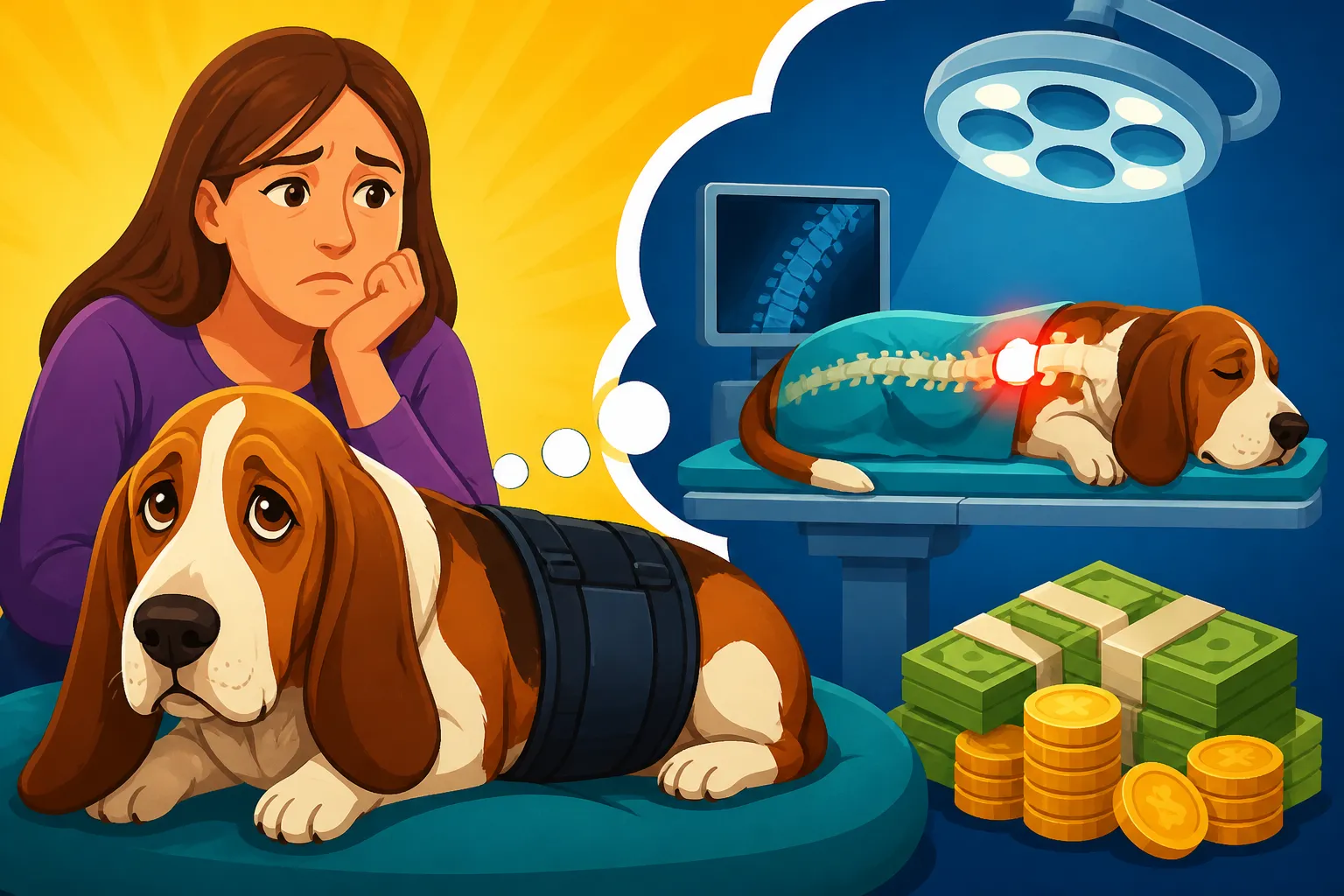
What Back Surgery Costs a Basset Hound Owner
It's a fear that creeps into the hearts of so many Basset Hound parents: that sudden yelp, the reluctance to move, or worse, the unexpected paralysis that means something has gone terribly wrong with their beloved dog's back. Seeing your floppy-eared friend struggling with pain or mobility issues because of back problems is truly heartbreaking, and the first thought that often follows is, "What's wrong, and how much is it going to cost to fix?" This guide is here to walk you through the complex world of Basset Hound back surgery, detailing the common issues, diagnostic steps, surgical options, and the financial considerations involved, so you can feel more prepared should this difficult situation arise.
Understanding Intervertebral Disc Disease in Basset Hounds
Basset Hounds are wonderful, charming dogs with their distinctive long bodies and short legs, but these very characteristics, which make them so endearing, also predispose them to certain health challenges, particularly with their spines. The most common and serious back issue they face is Intervertebral Disc Disease, or IVDD.
What is IVDD and Why Bassets are Prone to It
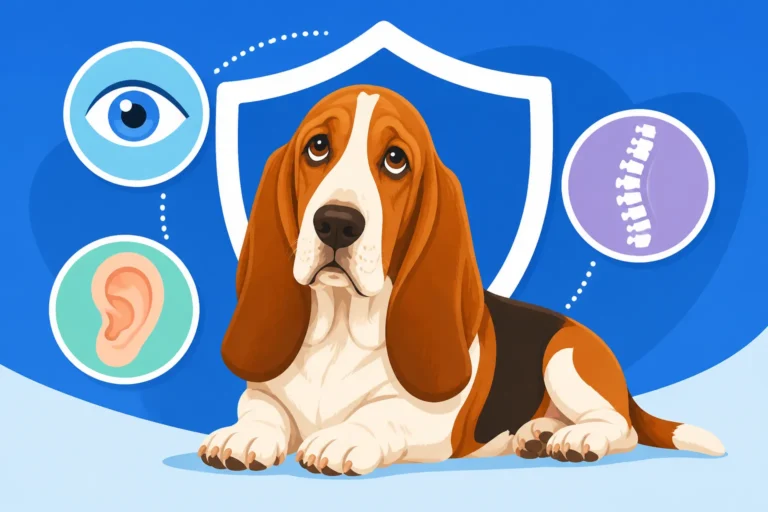
Imagine the spine as a stack of bony building blocks (vertebrae) with soft, jelly-filled cushions (intervertebral discs) in between, acting as shock absorbers. In Basset Hounds, due to their unique genetic makeup—specifically a condition called chondrodystrophy, which is responsible for their short, stocky limbs—these discs are different. Instead of being soft and flexible, they tend to calcify and harden prematurely. This means that, over time, these discs can become brittle and rupture or bulge out from between the vertebrae. When this happens, the disc material can press on the spinal cord, causing immense pain, nerve damage, and in severe cases, partial or complete paralysis. It's a cruel twist of genetics that gives them their iconic look but also makes them more susceptible to this debilitating condition. We've discussed this extensively in our article on Intervertebral Disc Disease in a Basset Hound. It’s not just a matter of "bad luck"; it’s deeply rooted in their breed standard.
This predisposition means that even a simple jump off the sofa, a sudden twist during play, or even just the cumulative wear and tear of daily life can trigger a disc event. Unlike other breeds where IVDD might be more common in older age, Basset Hounds can experience disc issues at surprisingly young ages, sometimes as early as two or three years old. Their long, heavy bodies, combined with those relatively short legs, put considerable strain on their spines every single day, making them a prime candidate for this type of injury. This is a key part of The Back Trouble a Basset Hound Is Built Into, making proactive awareness crucial for owners.
Recognizing the Signs of Back Trouble
Catching back issues early can make a significant difference in treatment outcomes and, ultimately, the cost and recovery for your Basset Hound. The signs can be subtle at first, often dismissed as just being "stubborn" or "lazy," which Bassets are sometimes (affectionately) known to be. However, any sudden change in movement or demeanor warrants close attention. Look for reluctance to jump, climb stairs, or even stand up. They might arch their back, cry out in pain when touched, or shiver uncontrollably. You might notice them dragging their paws, staggering, or showing weakness in their hind legs.
Sometimes, the initial signs are simply a change in appetite or a refusal to engage in activities they once loved. They might become withdrawn or even aggressive due to pain. In more severe cases, you might observe complete paralysis of the hind limbs, loss of bladder or bowel control, or severe pain responses. These more acute symptoms are undeniable emergencies that require immediate veterinary attention. Don't delay if you see these signs, as prompt intervention can dramatically impact the prognosis. Our article, The Signs a Basset Hound Has Hurt Its Back, delves deeper into these critical indicators.
The Initial Diagnostic Journey and Its Costs
Once you suspect your Basset Hound has back trouble, the path to diagnosis begins with your veterinarian. This journey involves several steps, each with its own associated costs, and it’s important to understand why each step is necessary to get an accurate picture of what’s happening inside your dog’s spine.
Vet Visits and Preliminary Tests
Your first step will be an emergency visit to your primary veterinarian. They'll conduct a thorough physical examination, paying close attention to your Basset's neurological function, reflexes, and pain responses. They might gently palpate the spine to pinpoint areas of sensitivity. At this stage, your vet might recommend basic pain relief and strict crate rest to see if symptoms improve. Sometimes, this conservative management is enough for mild disc bulges. However, if the signs are severe or rapidly progressing, or if conservative management doesn't yield results, more advanced diagnostics will be necessary.
Preliminary tests might also include blood work and urinalysis. While these won't diagnose IVDD directly, they are crucial for ruling out other potential causes of neurological symptoms (like infections or metabolic issues) and for ensuring your Basset is healthy enough for sedation or anesthesia, which will be required for any advanced imaging. These initial consultations and tests represent the foundational expenses in determining the scope of the problem and whether specialized care is needed. Your regular vet is your first line of defense, and their initial assessment is invaluable.
Advanced Imaging: X-rays, CT Scans, and MRIs
When spinal cord compression is suspected, your vet will likely refer you to a veterinary neurologist or specialty hospital for advanced imaging. X-rays are often the first imaging modality used, as they can reveal abnormalities in the vertebrae or calcified discs, but they don't show the spinal cord or the soft disc material itself in detail. They're more useful for ruling out other bone-related issues or getting a general overview of the spine.
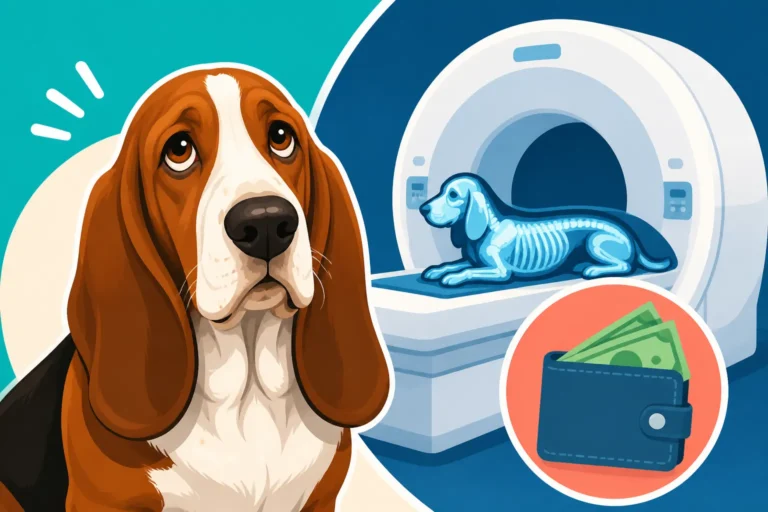
For a definitive diagnosis of IVDD and to determine the exact location and severity of spinal cord compression, a CT scan or, more commonly, an MRI (Magnetic Resonance Imaging) is required. An MRI provides incredibly detailed images of soft tissues, including the discs and spinal cord, allowing the veterinary team to see precisely where the disc has ruptured or bulged and how much it's impacting the nerves. This information is critical for surgical planning. The cost of these advanced imaging procedures can be substantial because they require specialized equipment, trained personnel, and general anesthesia for your Basset Hound to remain still during the scan. Many owners feel the pinch at this stage, trying to navigate the decision-making process while facing potentially high diagnostic fees. We've talked about What a Basset Hound's MRI Costs in another post, and it truly represents a significant portion of the diagnostic bill.
Surgical Interventions: What to Expect
Once a definitive diagnosis of IVDD requiring surgery has been made, the veterinary team will discuss the surgical options available. The goal of surgery is to remove the offending disc material that is compressing the spinal cord, thereby relieving pressure and allowing the nerves to heal.
Types of Back Surgery for Basset Hounds
There are several surgical techniques for IVDD, and the choice depends on the specific location and nature of the disc herniation. The most common procedures include:
- Hemilaminectomy: This is perhaps the most frequent type of back surgery for IVDD in Basset Hounds. It involves removing a small section of bone (lamina) from one side of the affected vertebra to access the spinal canal and carefully remove the extruded disc material. This decompresses the spinal cord.
- Ventral Slot: Used primarily for disc herniations in the neck (cervical spine), this procedure involves making an incision on the underside of the neck and removing a small window of bone from the vertebral bodies to access and remove the disc material.
- Fenestration: In some cases, particularly for preventative measures in discs that haven't yet ruptured but are calcified and prone to doing so, a fenestration might be performed. This involves creating an opening in the outer layer of the disc to remove the central nucleus pulposus, reducing the risk of future herniation. This isn't typically a primary treatment for acute compression but can be part of a broader surgical approach or preventative measure.
Each of these surgeries aims to achieve the same outcome: decompressing the spinal cord to allow for recovery. The complexity of the surgery will depend on the exact location of the disc, the amount of disc material pressing on the cord, and whether the herniation is acute or chronic. The veterinary surgeon will explain the rationale behind their recommended approach, considering the Basset's specific condition and prognosis.
The Surgical Procedure Itself
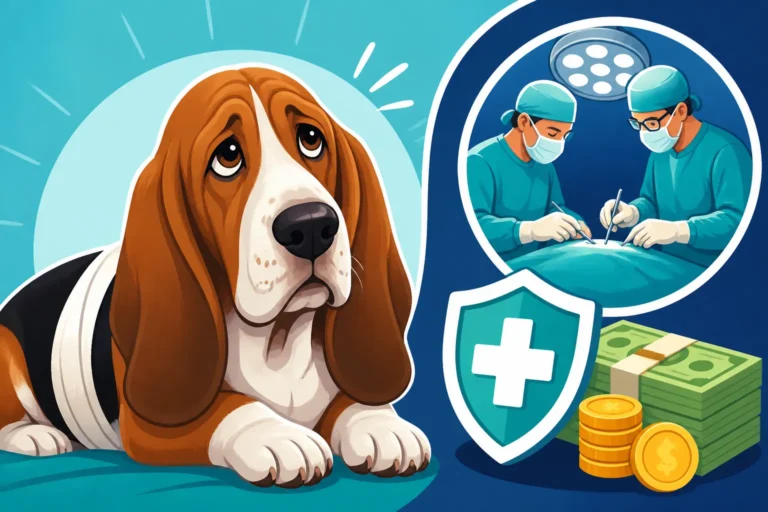
Undergoing back surgery is a major event for any dog, and Basset Hounds are no exception. The procedure is performed by a board-certified veterinary neurologist or surgeon who specializes in these intricate operations. Your Basset will be under general anesthesia for the duration of the surgery, which can last several hours. The surgical team will meticulously monitor vital signs throughout.
During the surgery, the surgeon will carefully make an incision over the affected area of the spine. Using specialized instruments, they will gain access to the spinal cord and meticulously remove the herniated disc material. This is delicate work, requiring immense skill and precision, as any misstep could lead to further neurological damage. Once the decompression is complete, the surgical site is closed layer by layer. Following surgery, your Basset Hound will be moved to a recovery area for close monitoring as they wake up from anesthesia. The immediate post-operative period is crucial for managing pain and preventing complications. This entire process, from pre-surgical preparation to the actual procedure and immediate recovery, involves a highly skilled team and specialized facilities, all contributing to the overall cost. We've compiled more detail on What Disc Surgery Costs on a Basset Hound in another comprehensive article.
Post-Operative Care and Rehabilitation Expenses
The surgery itself is only part of the journey. The post-operative care and rehabilitation phase are critical for your Basset Hound's successful recovery and can also incur significant costs, sometimes even rivaling the surgical expenses over time.
Hospital Stay and Immediate Recovery
After surgery, your Basset Hound will typically remain hospitalized for several days, usually ranging from 3 to 7 days, depending on the severity of their condition and their recovery progress. During this time, they will receive intensive care, including pain management, intravenous fluids, and close monitoring for any complications. The veterinary staff will ensure they are kept clean, comfortable, and that their bladder and bowels are managed if they don't have voluntary control yet. This often involves manual expression of the bladder or the use of urinary catheters.
The hospital stay is a vital period for stabilizing your Basset and initiating the healing process. The cost associated with this includes daily hospitalization fees, medications, nursing care, and any further diagnostic tests or treatments that might be needed. It's a critical investment in their initial recovery, ensuring they get the best possible start on the road to regaining mobility. Often, a strict regime of crate rest will be prescribed, even after they come home. Learning to lift your Basset safely and provide a comfortable, accessible resting space is paramount, especially for breeds prone to back issues, as explored in Helping an Old Basset Hound Onto the Couch.
Long-Term Rehabilitation and Physical Therapy
Once your Basset Hound is discharged from the hospital, the real work of rehabilitation begins at home, often guided by a certified canine rehabilitation therapist. This long-term commitment is essential for maximizing their recovery and preventing re-injury. Rehabilitation can be a lengthy process, sometimes taking weeks to several months, and it’s truly an exercise in patience and dedication.
Rehabilitation may include:
- Strict Crate Rest: This is non-negotiable for weeks to allow the spine to heal.
- Controlled Exercise: Gradually introducing short, controlled leash walks.
- Physical Therapy Sessions: These can involve therapeutic exercises, hydrotherapy (underwater treadmill), massage, passive range of motion exercises, and sometimes even acupuncture or laser therapy. These sessions help rebuild muscle strength, improve coordination, and reduce pain.
- Medications: Continued pain medication, anti-inflammatories, and sometimes muscle relaxants.
- Mobility Aids: For Bassets with significant weakness or paralysis, slings, harnesses, or even a specialized cart might be necessary to aid mobility during recovery. We've discussed What a Basset Hound Cart Costs as a potential tool for long-term support.
Each rehabilitation session, specialist consultation, and piece of equipment contributes to the ongoing cost. While some exercises can be done at home, professional guidance is invaluable. The goal is to get your Basset Hound back to as much normal function as possible, even if it means helping The Old Basset Hound That Cannot Get Off the Floor to regain some independence. You can find more insights into this in our article What Physical Therapy Costs a Basset Hound Owner.
Managing the Financial Burden of Basset Hound Back Surgery
Facing the prospect of back surgery for your Basset Hound can be overwhelming, not just emotionally, but financially. These procedures and the subsequent care are not inexpensive, but there are ways to prepare and manage these significant costs.
Pet Insurance: A Lifeline for Unexpected Costs
For many Basset Hound owners, pet insurance can be an absolute game-changer when faced with a medical emergency like IVDD surgery. Pet insurance plans typically work by reimbursing you a percentage of your veterinary bills after you've met a deductible. If your Basset Hound is enrolled in a good accident and illness policy before any symptoms of back trouble appear, the surgery and subsequent rehabilitation costs can be substantially covered.
When considering pet insurance, it's crucial to understand the different plans, deductibles, and reimbursement percentages. Companies like Healthy Paws are popular choices, but it's important to research what each policy covers, especially for breed-specific conditions. Some policies might have waiting periods before certain conditions are covered, or they might exclude pre-existing conditions. For Basset Hounds, it’s particularly important to investigate Whether Back Disease Is Excluded on a Basset Hound Policy when choosing a plan, as this can be a common concern. While pet insurance involves a monthly premium, it can provide immense peace of mind and prevent you from having to make agonizing financial decisions during a crisis. It's a strong argument for Whether a Basset Hound Is Worth Insuring at All, especially given their predispositions.
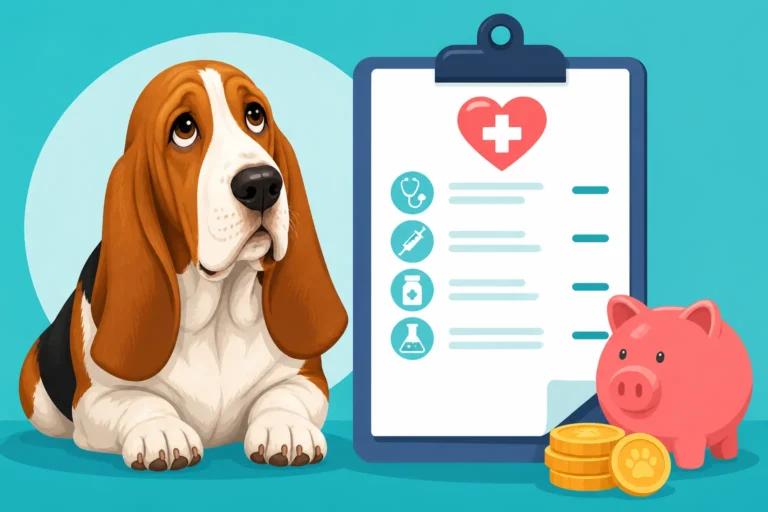
| Expense Category | Typical Services/Items Included | Cost Profile (General, No Figures) |
|---|---|---|
| Diagnostics | Initial vet consult, blood work, X-rays, referral to neurologist, CT scan, MRI | Moderate to High |
| Surgery | Anesthesia, surgical procedure (hemilaminectomy, ventral slot), surgeon's fees, operating room | Very High |
| Hospitalization | Post-op recovery, pain management, IV fluids, nursing care, monitoring, medications | Moderate to High (per day) |
| Medications | Pain relievers, anti-inflammatories, muscle relaxants (post-discharge) | Low to Moderate (ongoing) |
| Rehabilitation | Physical therapy sessions (hydrotherapy, exercises), laser therapy, acupuncture | Moderate to High (per session, ongoing) |
| Mobility Aids | Harnesses, slings, orthopedic beds, ramps, specialized carts | Low to Moderate (one-time or as needed) |
| Follow-up Vet Visits | Progress checks, medication adjustments, re-evaluations | Low to Moderate |
| Specialized Food | Prescription diets for joint support or weight management (e.g., from Chewy or Ollie) | Low to Moderate (ongoing) |
Note: This table describes the general cost profile without specific numerical values, as costs vary widely based on location, veterinary practice, and individual patient needs.
Exploring Other Financial Assistance Options
If pet insurance isn't an option or doesn't cover all the costs, don't despair. There are other avenues you can explore to help manage the financial burden. Many veterinary specialty hospitals understand that these procedures are expensive and offer payment plans or work with third-party financing companies that specialize in veterinary care. These services can allow you to pay off the bill over time with manageable monthly installments.
Additionally, there are various charitable organizations and foundations that offer financial aid to pet owners who need help affording emergency or specialized veterinary care. Many breed-specific rescues, for example, have funds dedicated to assisting Basset Hound owners with significant medical expenses. Crowdfunding platforms have also become a popular way for owners to raise funds from their communities. Don't be afraid to discuss your financial concerns openly with your veterinary team; they are often aware of local and national resources that can help. Sometimes, even simple measures like using online retailers like Chewy for regular supplies or considering subscription meal services like Ollie for tailored nutrition can free up funds for unexpected medical costs.
Disclaimer
This article is for general informational purposes only and does not constitute professional advice. Laws, prices and regulations vary by location and change over time. Consult a qualified professional for guidance on your specific situation.