Whether a Basset Hound Can Be Returned
It's a heartbreaking scenario that many dog owners, especially those of us who adore our Basset Hounds, secretly fear: a situation arises where you can no longer keep your beloved companion. Whether it's a sudden life change, an unexpected health issue with your dog, or even behavioral challenges that prove overwhelming, the question inevitably surfaces – can you return a Basset Hound? This guide will delve deep into the various avenues, expectations, and crucial steps involved if you ever find yourself contemplating rehoming your Basset.
Understanding Breeder Contracts and Guarantees
When you bring a Basset Hound puppy home, it's often a whirlwind of excitement, puppy breath, and floppy ears. What many new owners might overlook in that initial joy is the often-dense paperwork that comes with it – specifically, the breeder contract. This document is not just a formality; it's the foundation of your rights and responsibilities, and it's almost always the first place to look regarding returns.
The Importance of a Written Contract
A written contract from a responsible Basset Hound breeder isn't just a piece of paper; it's a legally binding agreement that protects you, the breeder, and most importantly, the dog. It outlines everything from the purchase price to health guarantees, and yes, often includes clauses about what happens if you can no longer keep your Basset. Without a clear, signed contract, you're operating on assumptions, which can lead to immense frustration and heartache down the line. Imagine discovering your Basset has an inherited health condition and having no formal agreement on how to proceed – that's a situation no one wants to face.
A good contract should explicitly detail the conditions under which a return might be accepted. Does it specify a timeframe? Are there certain criteria the dog must meet? What are the financial implications? These are all questions that should be answered clearly in black and white. It’s not about anticipating failure, but about having a safety net for unexpected life events, ensuring the welfare of your Basset Hound is paramount, no matter what.
Health Guarantees and Return Clauses
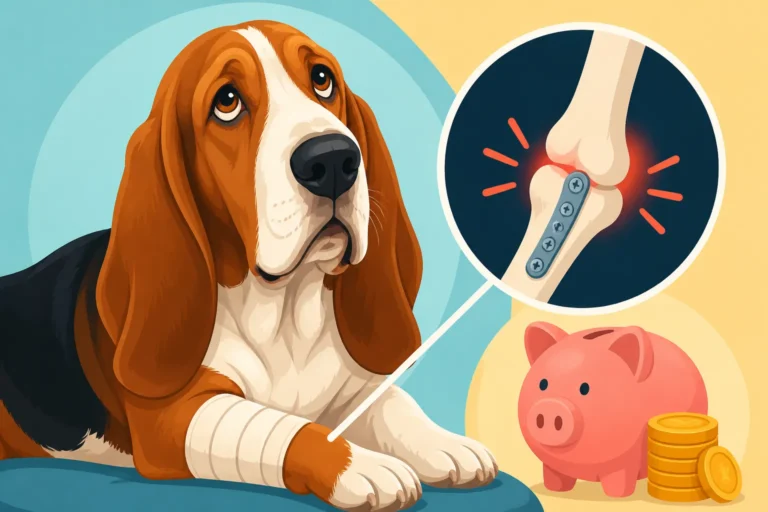
One of the most common reasons a return clause is invoked is due to health issues. Basset Hounds, for all their charm, can be prone to certain genetic conditions, such as The Ear Infections That Never Really Leave a Basset Hound, The Glaucoma a Basset Hound Inherits, or orthopedic problems like Whether a Basset Hound Gets Elbow Dysplasia. Responsible breeders are usually upfront about these possibilities and will often provide a health guarantee in their contract.
This guarantee typically states that if a Basset Hound develops a specific hereditary condition within a certain period (e.g., one or two years), the breeder will offer a replacement puppy or, in some cases, a partial refund or assistance with veterinary costs. The exact terms of this can vary wildly, so it's vital to read every line. You might find that the contract specifies that the dog must be returned, often at your expense, or that you must provide proof from a licensed veterinarian. Understanding What a Basset Hound Health Guarantee Covers before you even bring your puppy home is critical for peace of mind. These clauses are designed to protect both parties and, crucially, to maintain the integrity of their breeding program by addressing potential genetic issues.
Behavioral Clauses and Temperament Concerns
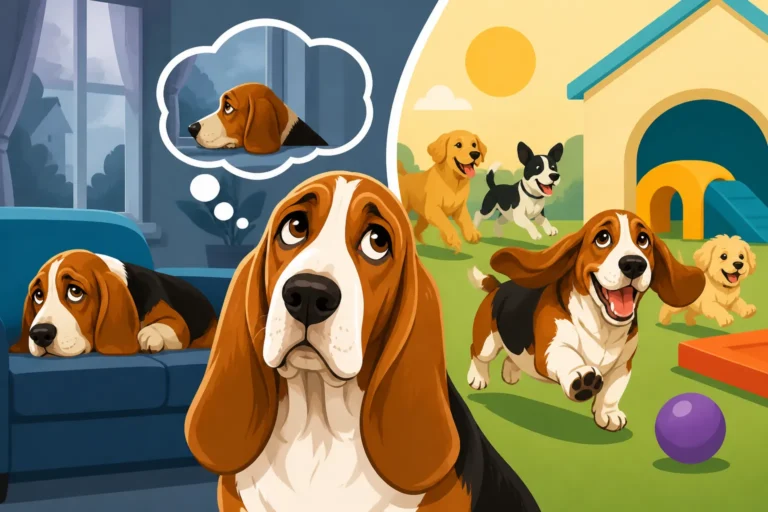
While health issues are often a clear-cut reason for a return, behavioral problems can be far more complex and emotionally taxing. Some breeder contracts might include stipulations regarding temperament, especially if a Basset Hound develops extreme aggression or unmanageable issues. However, it's important to understand that breeders generally expect owners to put in the effort for training and socialization. A Basset Hound's natural inclination to bay, for example, or its infamous "stubborn" streak – often really just a deep focus on scent – isn't usually considered a defect warranting a return.
If your Basset Hound is demonstrating behaviors that are genuinely unmanageable, beyond typical breed traits, your contract might offer guidance. However, many breeders will first require proof that you've sought professional training or veterinary consultation. They understand that a Basset Hound's behavior is a complex interplay of genetics, environment, and training. If you're struggling with issues like excessive howling or house-training challenges, remember that consistent effort and perhaps a good trainer can make a huge difference before considering rehoming. Addressing issues like Why a Basset Hound Stops Hearing You When It Smells Something or understanding Whether a Basset Hound Is Stubborn or Just Not Interested through dedicated training is often the solution, not a reason for return.
When Returning to a Breeder Is (and Isn't) an Option
Even with the best of intentions, life happens. Circumstances can change dramatically, leading to the difficult decision that you can no longer provide the best home for your Basset Hound. This is where the intricacies of breeder policies and alternative rehoming options come into play.
Breeder of First Resort Clause
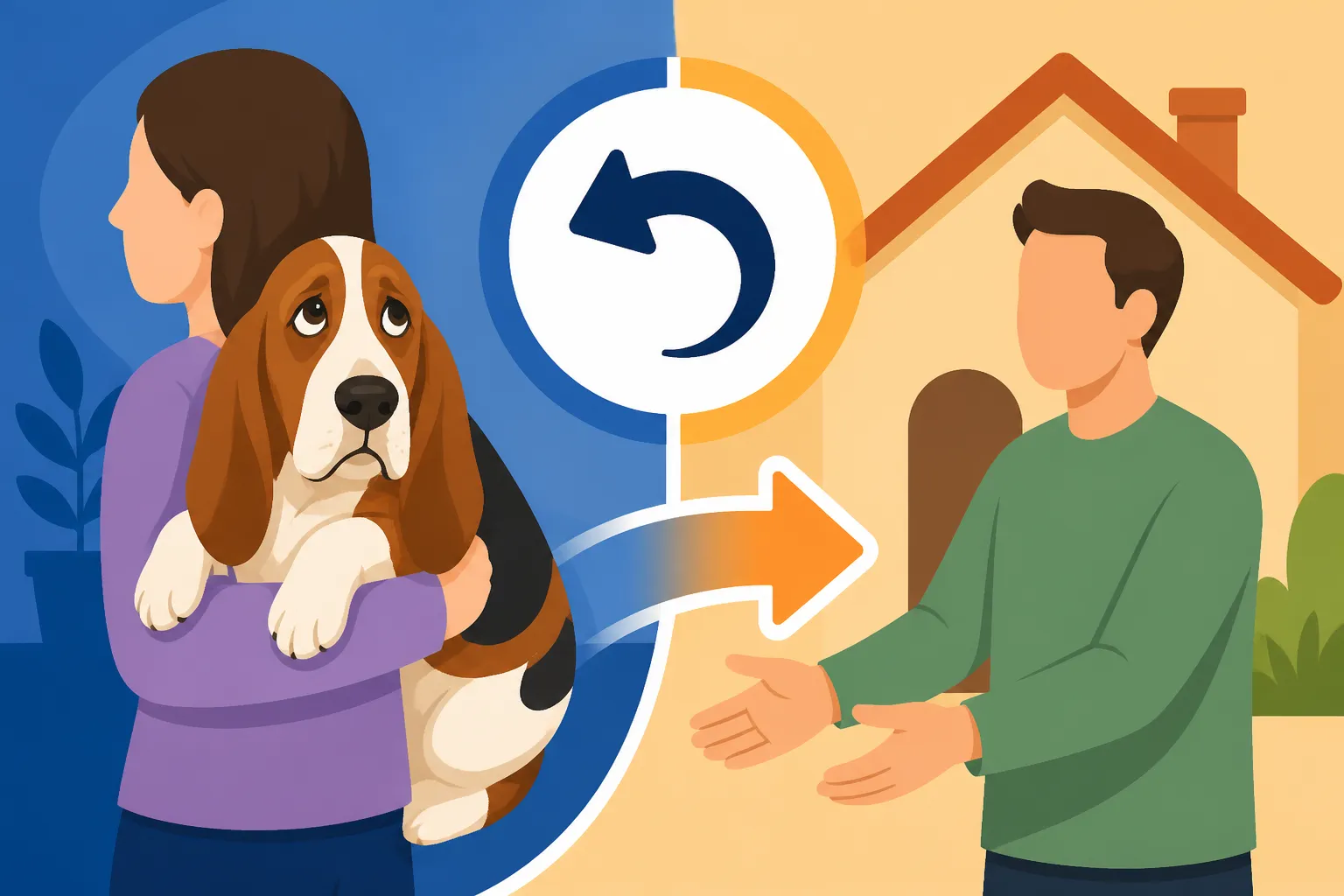
Many reputable Basset Hound breeders include a "breeder of first resort" clause in their contracts. This isn't necessarily a return-for-refund policy, but rather an agreement that if, at any point in the dog's life, you are unable to keep it, you must contact the breeder first. The breeder will then often either take the dog back or assist you in finding a suitable new home. This clause is a hallmark of responsible breeding, demonstrating a lifelong commitment to the dogs they produce.
This practice is incredibly valuable because the breeder knows the dog's lineage, temperament, and potential health predispositions. They have a vested interest in ensuring their Basset Hound lives out its life in a loving, appropriate home. While you typically won't receive your purchase price back years down the line, this clause provides an ethical safety net for the dog. It means your Basset won't end up in a shelter or with an unknown fate, which is a huge relief for a responsible owner facing such a tough decision.
Time Limits and Conditions for Returns
While health guarantees often have specific timeframes (e.g., 48 hours for a vet check, or two years for genetic defects), general "returns" due to owner circumstance are typically handled on a case-by-case basis, often falling under the "breeder of first resort" clause rather than a strict return policy. If you're returning a puppy within the first few days due to an unexpected, debilitating health issue that wasn't apparent at sale, the terms of the health guarantee would apply, likely offering a full or partial refund or replacement.
However, if you're looking to return an older Basset Hound because you're moving, having a baby, or can't manage its exercise needs, it's highly unlikely you'd receive any financial compensation. The conditions for acceptance usually revolve around the dog's current health, temperament (e.g., not aggressive), and whether it has been spayed or neutered (as many contracts require this by a certain age if not designated for breeding). The breeder's primary concern becomes finding the Basset a stable, loving home, and they will want to assess the dog thoroughly upon its return.
Financial Implications of a Return
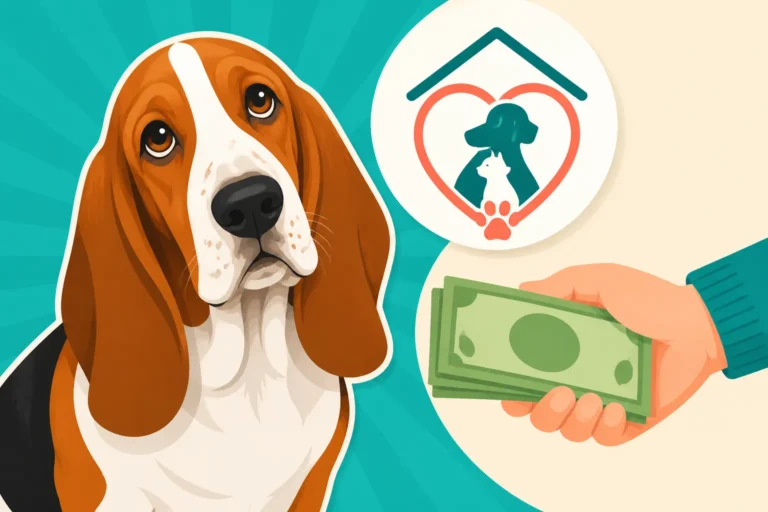
Let's be realistic: unless it's a young puppy returned within a very short, specified window for a covered health defect, don't expect a full refund. Even then, many contracts specify a replacement puppy rather than cash back. For an older Basset Hound, especially one you've owned for months or years, the financial expectation should be zero. The breeder is often providing a service by taking the dog back, saving you the difficult task of finding a new home and preventing the dog from entering the shelter system.
Think of it this way: the breeder is incurring costs to rehome the dog, including potential vet checks, food, and advertising. Their ethical obligation is to the dog, not to financially reimburse an owner for a change in personal circumstances. If a refund is paramount to you, it must be explicitly stated and agreed upon in the initial contract, usually within very strict parameters. This isn't meant to be harsh, but rather to set realistic expectations for a very difficult situation.
Alternative Options When a Direct Return Isn't Possible
Sometimes, even with a great breeder, a direct return might not be feasible, or perhaps you acquired your Basset Hound from a source that didn't provide a contract or offer a safety net. This doesn't mean you're out of options; it just means exploring other avenues for responsible rehoming.
Reaching Out to the Breeder for Assistance
Even if your contract doesn't explicitly state a "breeder of first resort" clause, or if years have passed since you first got your Basset Hound, it's always worth reaching out to the original breeder. A truly responsible breeder will care deeply about the welfare of the dogs they've brought into the world, no matter how much time has passed. They often maintain networks of previous buyers, Basset Hound enthusiasts, or local breed clubs.
Many breeders are willing to help facilitate rehoming or at least offer advice and support. They might know someone looking for an older Basset, or they might be able to temporarily house your dog while a new home is found. Don't underestimate the power of a breeder's commitment and network. Even a simple phone call or email can open doors you didn't know existed, and often eases the burden during an already stressful time.
Basset Hound Rescues and Breed-Specific Organizations
If your breeder isn't available or able to help, or if you adopted your Basset from a different source, breed-specific rescues are an absolute lifeline. Organizations like the Basset Hound Rescue of (your state/region) are dedicated to finding new homes specifically for Basset Hounds. They understand the unique needs, quirks, and potential health issues of the breed – from their profound noses to their potential for The Back Trouble a Basset Hound Is Built Into.
These rescues often operate with experienced volunteers who provide foster homes, giving the dogs a safe, loving environment while they await adoption. They meticulously vet potential adopters, conduct home checks, and ensure a good match, reducing the chance of the dog ending up in a similar situation again. While there might be a surrender fee involved to help cover the dog's care (vet checks, food, etc.), it's a small price to pay for the peace of mind that your Basset Hound will be placed in a truly knowledgeable and loving home. You can learn more about their processes and fees by researching What a Basset Hound Rescue Charges.
Responsible Rehoming Practices
Should you find yourself needing to rehome your Basset Hound independently, perhaps because local rescues are full, it's crucial to do so responsibly. This isn't a task to take lightly, and it requires careful screening of potential new owners to ensure your Basset goes to a safe, permanent home. Avoid simply posting "free dog" ads on general online marketplaces, as this can attract individuals with ill intentions.
Instead, utilize networks you trust. Speak to your veterinarian, groomer, or local pet supply store (like a store associated with Chewy that might have community boards). Consider using reputable rehoming platforms that help you screen applicants. When vetting potential new owners, ask detailed questions about their lifestyle, experience with dogs (especially Basset Hounds), living situation, and veterinary references. Request a home visit. Prepare all your Basset's medical records, vaccination history, and information about their habits, likes, and dislikes to hand over. A small rehoming fee is often advisable, as it indicates a serious commitment from the new owners. Ensuring a smooth transition can include sending them home with a favorite toy, blanket, or even a sample of their current food from Ollie or another brand they love, to make them feel more secure.
Preventing the Need for Rehoming in the First Place
The best "return policy" is one you never have to use. The emotional toll of rehoming a pet is immense for both the owner and the Basset Hound. Proactive steps and thorough preparation can significantly reduce the likelihood of ever facing this heartbreaking decision.
Thorough Research Before Acquiring a Basset Hound
Before you even think about bringing a Basset Hound into your life, do your homework – and then do some more. These aren't just cute, floppy-eared dogs; they come with a unique set of characteristics that aren't for everyone. They are known for their incredible scent drive, which means The Recall a Basset Hound Will Never Reliably Give You, and they can be incredibly single-minded when following a trail. This impacts their exercise needs and safety off-leash.
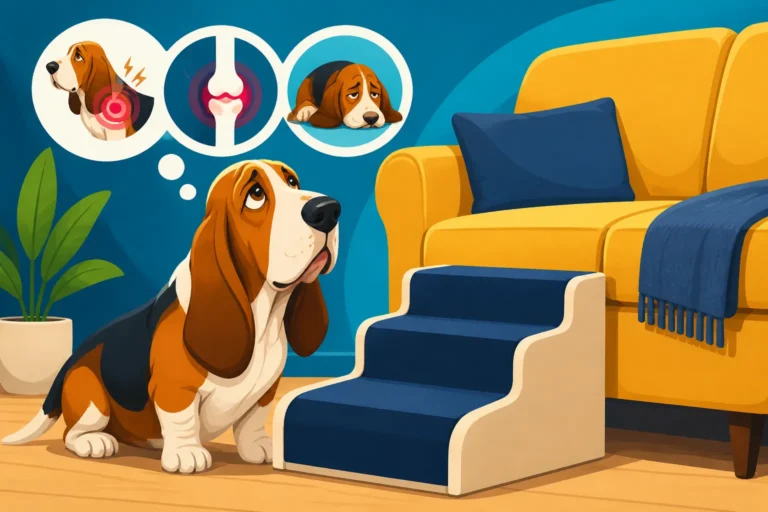
Basset Hounds are also famous for their baying. While charming to some, their deep, melodious vocalizations can be a significant source of neighbor complaints if not managed. Their long ears require diligent care, often necessitating The Twice Weekly Ear Ritual a Basset Hound Owner Signs Up For to prevent painful infections. And their distinctive long backs mean that care must be taken to protect them from injury, especially from jumping off furniture, as they are prone to The Back Trouble a Basset Hound Is Built Into. Understanding these realities upfront can prevent many heartaches later.
Commitment to Training and Socialization
Many behavioral issues that lead to rehoming could be mitigated, or even avoided, with early and consistent training and socialization. Basset Hounds are intelligent, but they are also independent thinkers driven by their noses. They respond best to positive reinforcement and patience, not harsh methods. Starting puppy classes early is invaluable, exposing them to different people, dogs, and environments in a controlled setting.
Consistent training addresses common Basset Hound traits. For instance, teaching a strong "leave it" command can be life-saving given their tendency to eat things off the ground. Working on leash manners is crucial because they will pull hard once they catch a scent. Don't underestimate their trainability just because they have a reputation for stubbornness; it's often more about finding what truly motivates a Basset Hound. A well-socialized and trained Basset Hound is a joy, making it far easier to integrate them into various aspects of your life and reducing the likelihood of behavioral issues becoming insurmountable.
Financial Planning for a Basset Hound's Lifespan
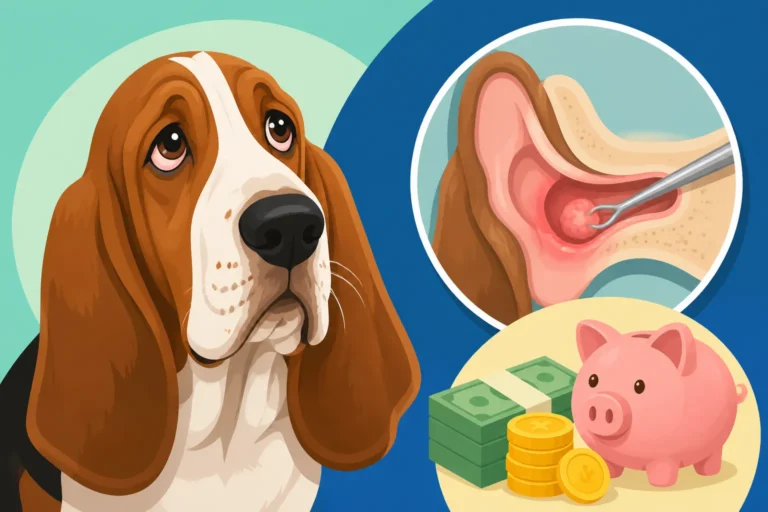
Let's face it: owning a Basset Hound isn't cheap. The initial purchase price is just the tip of the iceberg. You need to consider ongoing costs like high-quality food (whether it's premium kibble, fresh food from Ollie, or specialty diets), regular veterinary check-ups, vaccinations, and parasite prevention. Then there are the potential breed-specific health costs. Those long ears mean frequent cleaning solutions and potential vet visits for ear infections. Their long backs mean a risk of disc disease, which can lead to costly surgeries. Their unique structure often requires special beds, ramps, or even a cart in old age.
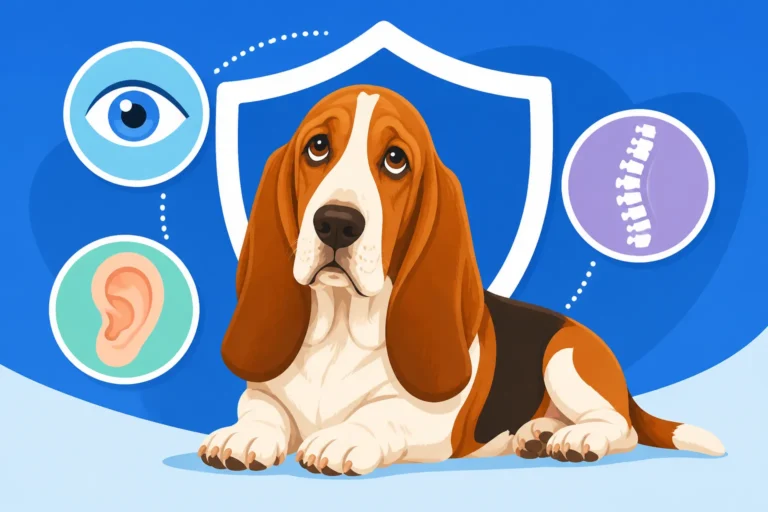
It's critical to budget for both routine care and unexpected emergencies. Consider pet insurance from a provider like Healthy Paws to help cover the costs of unforeseen illnesses, accidents, or chronic conditions, especially for issues like Insuring a Basset Hound Against Eyes, Ears and Backs. Having a financial cushion can make all the difference when faced with a costly medical diagnosis, preventing the difficult choice between providing care and economic hardship. For a clear picture, delve into What a Basset Hound Costs a Year to Keep to understand the full financial commitment.
Disclaimer
This article is for general informational purposes only and does not constitute professional advice. Laws, prices and regulations vary by location and change over time. Consult a qualified professional for guidance on your specific situation.