Whether a Basset Hound Gets Ectropion
If you're a Basset Hound owner, you know those soulful, droopy eyes are a huge part of their charm. But sometimes, that beautiful, loose skin around their eyes can lead to real problems, making you worry if their unique looks are causing them discomfort or worse. One such concern is ectropion, a condition where the eyelid rolls outward, and it can be confusing to know if your beloved Basset is just being a Basset or if there's a serious issue developing. This comprehensive guide is here to shed light on ectropion in Basset Hounds, helping you understand what it is, how to spot it, and what steps you can take to keep your furry friend comfortable and healthy.
Understanding Ectropion in Basset Hounds
The Basset Hound's distinctive appearance, with its long, pendulous ears and wonderfully wrinkled face, is part of what makes them so endearing. However, these very traits, particularly the loose skin around their eyes, can unfortunately predispose them to certain health conditions. Ectropion is one of those conditions that often catches new owners by surprise, and even experienced Basset enthusiasts need to stay vigilant.
What Exactly Is Ectropion?
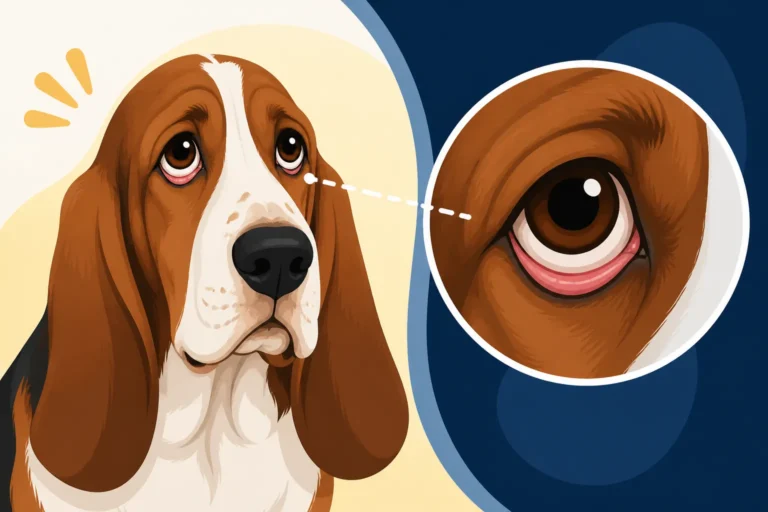
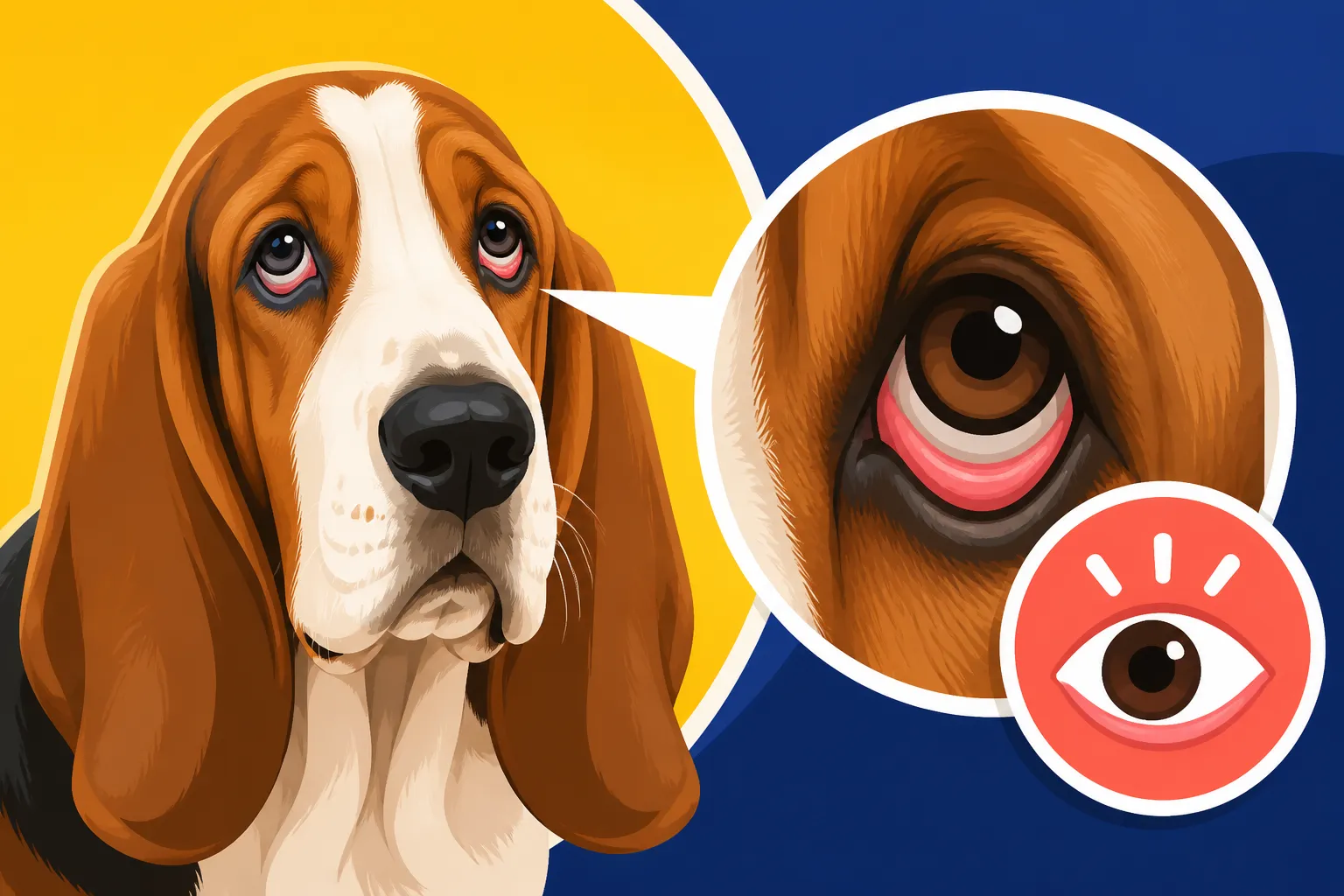
Ectropion is a medical term for a condition where the lower eyelid rolls outward, exposing the delicate pink conjunctiva – the mucous membrane that lines the inside of the eyelids and covers the white part of the eye. Instead of the eyelid sitting snugly against the eyeball, protecting it, it sags or droops away. Imagine if your own lower eyelid was constantly pulled down, leaving the inner surface exposed to the elements. That's essentially what ectropion does for a dog. This constant exposure leaves the eye vulnerable to irritation, dryness, and a whole host of secondary infections. It’s not just a cosmetic issue; it’s a functional problem that impacts your Basset’s comfort and eye health significantly.
When the eyelid sags, it can no longer effectively distribute tears across the surface of the eye. Tears are vital for lubrication and flushing away debris, so when they can't do their job properly, the eye becomes dry, itchy, and prone to inflammation. You might notice your Basset tearing up more than usual, but paradoxically, this is often a sign of dry eye as the eye tries to overcompensate for the lack of proper lubrication and tear film distribution. This cycle of irritation and dryness can be quite uncomfortable for your hound and quickly escalate if not addressed.
Why Basset Hounds Are Prone to This Condition
Basset Hounds are genetically predisposed to ectropion due to their specific breed standard, which calls for loose skin and a distinct facial structure. Those lovely, mournful eyes with their visible lower conjunctiva are part of what makes a Basset a Basset. However, the exaggerated looseness of the skin around their eyes means that the lower eyelids don't always sit tight against the eyeball. It’s often considered a conformational defect in the breed, meaning it's linked directly to their physical structure. This isn't a fault of poor breeding in all cases, but rather an inherent characteristic that, when taken to an extreme, becomes a health issue.
Other breeds with similar loose facial skin, like Bloodhounds, Cocker Spaniels, and Bulldogs, also commonly experience ectropion. In Basset Hounds, the combination of heavy brows and substantial facial skin simply means there’s more tissue that can sag. This isn't just about aesthetics; it's about the mechanics of the eyelid. The weight and laxity of the surrounding skin pull the eyelid down and away from the eye, preventing it from performing its protective function. This anatomical setup creates a perfect storm for the development of ectropion, making it something every Basset owner should be aware of and regularly check for.
The Difference Between Ectropion and "Normal" Basset Hound Eyes
This is where it gets a little tricky for new Basset owners, or even those who’ve had Bassets for years. A certain degree of visible conjunctiva, often referred to as "haw," is considered normal and even desirable in the Basset Hound breed standard. Their eyes are meant to look droopy and soulful. The challenge is distinguishing between this characteristic breed trait and true ectropion, which is a problematic outward rolling. The key difference lies in the degree of exposure and whether it leads to clinical signs of discomfort or secondary issues.
In a healthy Basset, while you might see a bit of the lower red conjunctiva, the eyelid still maintains enough tension and contact with the eye to protect it and facilitate proper tear drainage. The eye will typically appear moist, clear, and free from excessive redness or discharge. However, with ectropion, the eyelid sags away significantly, creating a pocket where debris can collect, and the eye tissue becomes visibly dry, inflamed, or excessively weepy due to irritation. If you're wondering if your Basset Hound's droopy eyelids cause trouble, it's about more than just their appearance; it's about persistent symptoms.
If you observe constant redness, persistent discharge, or your dog frequently rubbing or pawing at their eyes, then it's very likely you're dealing with more than just a characteristic Basset eye. It's about moving from a charming, slightly exposed lower lid to an actual anatomical defect that impairs eye function and causes chronic discomfort. If you're ever in doubt, a veterinary check-up is always the best course of action to get a professional opinion and prevent potential long-term damage.
Recognizing the Signs and Symptoms of Ectropion
Spotting ectropion early in your Basset Hound is crucial for effective management and preventing more severe complications. It’s easy to dismiss some early signs as "just how Bassets are," but knowing the specific indicators can help you intervene before your dog experiences significant discomfort or health issues.
Visual Cues of Ectropion
The most obvious visual cue of ectropion is the noticeable sagging or rolling out of the lower eyelid. Instead of just a hint of the inner lid, you'll see a significant amount of the pink or red conjunctiva. This exposed tissue might appear dry, thickened, or inflamed. Often, the eye itself will look red and irritated, especially the white part (sclera) and the exposed conjunctiva.
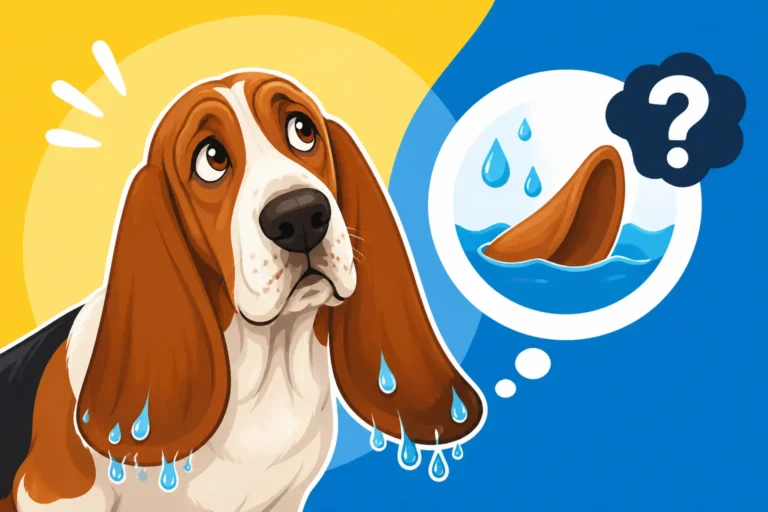
Another common sign is excessive tearing, or epiphora. While it might seem counterintuitive for a condition causing dryness, the eye often produces more tears to try and compensate for the lack of proper lubrication and tear distribution. However, these tears often spill over the lower lid and run down the face, staining the fur, rather than doing their job on the eye itself. This constant wetness can lead to secondary skin irritation and infections in the skin folds around the eye. You might also notice a thick, mucous-like discharge, which can be clear, whitish, or even yellowish-green if a bacterial infection has taken hold. This discharge can crust around the eye, especially after your Basset has been sleeping.
Behavioral Indicators and Discomfort
Beyond the visual signs, your Basset Hound's behavior can tell you a lot about their discomfort. Dogs with ectropion often paw at their eyes, rub their face against furniture or the ground, or blink excessively. They might seem more sensitive to bright light, squinting or holding their eyes partially closed. This is known as photophobia and is a clear indicator of irritation or pain.
You might also notice a change in their general demeanor; they could become more withdrawn, less playful, or simply seem "off" due to the constant irritation. Chronic discomfort can really impact a dog's quality of life. If your Basset, usually so jovial, seems to be avoiding interactions or just resting more, it’s worth checking their eyes thoroughly. Sometimes, the problem might not be obvious until you see them actively trying to relieve the itching or discomfort, or if their eyes are consistently watering or crusty, making them unable to engage in their usual activities.
When to Seek Veterinary Attention
If you notice any of the visual or behavioral signs described above, it's time to make an appointment with your veterinarian. Early diagnosis and intervention are key to managing ectropion and preventing secondary complications such as chronic conjunctivitis, corneal ulcers, or even vision impairment. Don't wait until the condition is severe or your Basset is in obvious pain. Even mild, intermittent signs warrant a professional check-up.
Your vet will be able to perform a thorough eye exam, assess the severity of the ectropion, and rule out other potential eye issues. They might use special dyes to check for corneal abrasions or ulcers, or measure tear production. If your Basset Hound's red eye is an emergency, they'll be able to tell you immediately. Remember, what looks like a minor irritation can quickly escalate into a serious problem if left untreated. Prompt veterinary care can make a world of difference in your Basset's comfort and long-term eye health.
Managing and Treating Ectropion in Basset Hounds
Once your veterinarian has diagnosed ectropion, they'll discuss the best course of action. Treatment can range from conservative management for mild cases to surgical correction for more severe, debilitating ectropion. The goal is always to reduce discomfort, prevent complications, and protect your Basset's vision.
Non-Surgical Management and Daily Care
For very mild cases of ectropion, especially those that are intermittent or cause minimal irritation, your vet might recommend a non-surgical approach. This often involves a regimen of topical eye drops or ointments. These products can help lubricate the exposed eye surface, reduce dryness, and manage inflammation. Your vet might prescribe artificial tears, antibiotic eye drops if there's an infection, or anti-inflammatory ointments. It’s crucial to administer these medications exactly as directed by your vet, even if your Basset puts up a bit of a fuss.
Beyond medication, daily care is paramount. Gently cleaning around your Basset's eyes with a soft, damp cloth can help remove discharge and prevent crusting. Be sure to use clean cloths or cotton balls and wipe from the inner corner outwards. Protecting your Basset’s eyes from environmental irritants like dust, wind, or harsh cleaning chemicals is also important. For example, some owners find that using a snood to keep their Basset's ears back during meals also helps to keep stray food and water from irritating their eyes. Keep in mind that non-surgical treatments primarily manage the symptoms; they don't correct the underlying anatomical issue of the eyelid rolling outwards. They are often a temporary solution or a way to alleviate discomfort in cases where surgery isn't yet necessary or possible.
Surgical Correction for Severe Cases
When ectropion is severe, causes chronic irritation, recurrent infections, or poses a risk to your Basset's vision, surgical correction becomes the most effective long-term solution. There are several surgical techniques designed to tighten the lower eyelid and restore its normal position against the eyeball. These procedures aim to remove a small wedge or strip of tissue from the eyelid, effectively shortening and tightening it to prevent it from rolling outward. Common techniques include the Hotz-Celsus procedure, V-plasties, or a combination of methods, tailored to the individual dog's needs.
The decision for surgery will be made by your vet, often in consultation with a veterinary ophthalmologist, after a thorough evaluation of your Basset’s eyes. While surgery sounds daunting, it can dramatically improve your dog's quality of life, eliminating constant pain and preventing more serious eye damage. It's a precise procedure, and sometimes, in very severe cases, multiple procedures might be necessary to achieve the desired outcome, especially if the skin laxity is extensive. It's important to discuss all the options, potential outcomes, and associated costs with your veterinary team. What an eyelid correction costs on a Basset Hound can vary significantly based on the complexity and location.
Post-Operative Care and Long-Term Outlook
Post-operative care is just as vital as the surgery itself to ensure a successful recovery. Your Basset will likely need to wear an Elizabethan collar (the "cone of shame") to prevent them from rubbing or scratching at the surgical site, which could disrupt healing or introduce infection. You'll also be given a regimen of oral antibiotics, pain medication, and potentially topical eye drops or ointments to prevent infection and control inflammation. Keeping the surgical area clean and dry, and ensuring your Basset gets adequate rest, are crucial during this recovery period.
Regular follow-up appointments with your vet will be necessary to monitor healing and remove sutures. The long-term outlook for Basset Hounds after ectropion surgery is generally very good, with most dogs experiencing significant improvement in comfort and eye health. However, because Basset Hounds are genetically predisposed to loose skin, there is always a slight chance of recurrence or the need for further minor adjustments down the line. It's also worth considering pet insurance, such as Healthy Paws, which can help cover a significant portion of the costs associated with surgical procedures and ongoing care for conditions like ectropion, making these necessary treatments more accessible. While you can't always predict every health issue, preparing for potential costs is a smart move for any Basset owner. What a Basset Hound's eye care costs can add up, making insurance a valuable asset.
Preventing Complications and Ensuring Eye Health
Taking a proactive approach to your Basset Hound's eye health can significantly reduce the risk of complications from ectropion, or even help manage the condition more effectively if it's already present. It’s about being observant and diligent in their daily care.
Regular Eye Checks and Hygiene
Making a habit of regularly inspecting your Basset's eyes is one of the best preventative measures you can take. Look closely at their lower eyelids to ensure they are sitting as close to the eyeball as possible without excessive sagging. Check for any signs of redness, swelling, discharge, or if your Basset is pawing at their face more than usual. This daily visual check only takes a moment and can catch problems early.
Beyond inspection, gentle daily hygiene is beneficial, especially for Bassets prone to tear staining or mild ectropion. Use a soft, clean, damp cloth (or a sterile eye wipe designed for pets) to gently clean away any dust, debris, or dried tear stains from around their eyes. Always wipe away from the eye, towards the nose. Be careful not to use harsh chemicals or human eye products, as these can irritate their sensitive eyes. For Basset Hounds, even cleaning the folds a Basset Hound's face is made of can indirectly help prevent irritants from migrating towards the eyes. Maintaining good overall facial hygiene can contribute to better eye health.
The Role of Responsible Breeding and Genetic Screening
For those considering getting a Basset Hound puppy, understanding the role of responsible breeding is paramount. Ectropion often has a genetic component, meaning it can be passed down from parent dogs to their offspring. Reputable breeders will be acutely aware of conformational issues like ectropion within their lines and will actively work to minimize its incidence. They should be transparent about the eye health of their breeding stock and previous litters.
Ask prospective breeders about the prevalence of ectropion (and entropion, another eyelid condition where the lid rolls inward) in their dogs. They should be able to discuss how they screen their breeding animals for eye conditions and why they choose specific pairings. While there isn't a single genetic test for ectropion, breeders can carefully select dogs with appropriate facial conformation and healthy eyes to reduce the likelihood of passing on severe ectropion. This practice helps ensure the long-term health and welfare of the breed. It ties into the broader question of whether a Basset Hound's eyes should be screened before breeding.
Environmental Considerations and Protection
Your Basset's environment also plays a role in managing ectropion and preventing secondary issues. Dogs with ectropion have more exposed conjunctival tissue, making their eyes more susceptible to irritation from external factors. On windy days, dust, pollen, and other airborne particles can easily get into their exposed eyes, causing irritation and inflammation. During walks or outdoor activities, try to avoid very dusty areas or strong winds.
If you live in an area with a lot of allergens, keeping your Basset indoors during peak pollen times might offer some relief. Similarly, protecting their eyes from harsh sunlight can be beneficial. While not common for every Basset, some owners of very susceptible dogs might even use dog-specific goggles or eye protection, often referred to as "Doggles," during outdoor adventures like car rides with the window down or long hikes. This extra layer of protection can make a big difference in preventing irritation and keeping those beautiful eyes healthy.
Here's a quick comparison to help you distinguish between a normal Basset Hound's eye appearance and signs of ectropion:
| Feature | "Normal" Basset Hound Eye | Ectropion in Basset Hound |
|---|---|---|
| Lower Eyelid Position | Slightly droopy, showing a small amount of "haw" (red conjunctiva) | Eyelid sags or rolls outward significantly, exposing much more conjunctiva |
| Conjunctiva Appearance | Pink, moist, healthy | Red, inflamed, dry, possibly thickened, visible for a wider area |
| Tearing | Normal tear production, moist eye, no excessive overflow | Excessive tearing (epiphora) running down the face, paradoxical dry eye |
| Discharge | Minimal to none, clear if present | Clear, whitish, or yellowish-green mucus, often crusty |
| Comfort Level | Comfortable, no signs of irritation | Frequent pawing, rubbing, squinting, light sensitivity, discomfort |
| Risk of Infection | Low | High due to exposure to irritants and poor tear distribution |
Disclaimer
The information provided in this article is for general informational purposes only and is not a substitute for professional veterinary advice. Always consult with a qualified veterinarian for any health concerns or before making any decisions related to your Basset Hound's health and treatment.