Whether a Basset Hound Is Fat or Just Built That Way
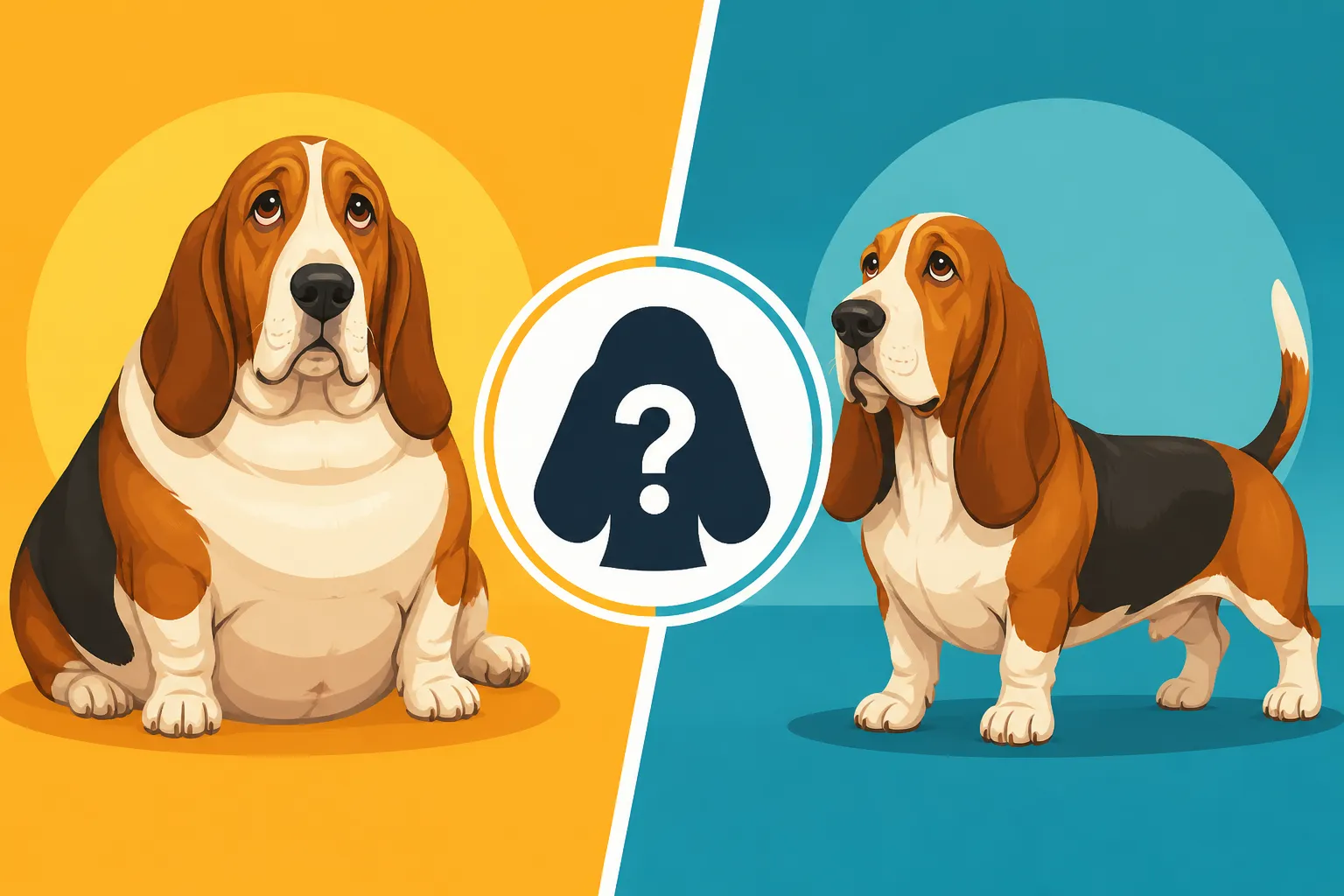
It’s a tale as old as time for Basset Hound owners: you look at your beloved, long-eared companion waddling across the living room and wonder, "Are they just built this way, or have I let them get a bit too comfortable?" The unique physique of a Basset Hound can make it incredibly difficult to tell the difference, leading to frustration and sometimes, unintentional health risks. This guide will walk you through understanding your Basset's true build, how to spot the signs of excess weight, and why keeping them lean is so crucial for their long-term health and happiness.
Understanding the Basset Hound Physique
Basset Hounds are distinct for a reason, and their conformation plays a huge role in why it’s so easy to mistake a healthy weight for being "chunky." They aren’t built like your average Labrador or even a Beagle; their structure is truly one-of-a-kind.
The Unique Basset Build
When you first meet a Basset Hound, you can’t help but notice their low-slung body, incredibly short legs, and heavy bone structure. This isn't a fluffy coat or an optical illusion; Basset Hounds are genuinely dense dogs. They possess a surprising amount of muscle and bone for their height, which is why a Basset that only stands 12-15 inches at the shoulder can often weigh as much as a medium-sized dog. Their loose skin, often referred to as "dewlap" around their neck and extensive wrinkles on their face, further adds to the illusion of bulk. It's easy to look at all that skin and think it's extra fat, but a good portion of it is simply part of their breed standard, designed to help them trap scent as they trail.
This unique architecture means that what might look like a healthy weight on a different breed would be drastically underweight for a Basset. They are meant to be substantial, with powerful, short legs and a deep chest. However, this natural heaviness can easily mask actual obesity, making it a constant challenge for owners to assess their dog's true condition. Understanding this foundational build is the first step in differentiating between a robust, healthy Basset and one carrying too many pounds.
Breed Standard Versus Reality
The breed standard for Basset Hounds emphasizes a dog of considerable substance and heavy bone, yet also notes they should be active and free-moving. This often translates to an ideal weight range for males typically between 50-65 pounds and females slightly less, generally 45-60 pounds, but it's important to understand that these are guidelines, not rigid rules. Individual genetics and bone structure can cause variations. What's more crucial than a number on the scale is how that weight is distributed on your dog's frame. Many Basset Hounds, particularly those from show lines, are bred to be quite heavy-boned and substantial, which can sometimes push them towards the higher end of or even slightly beyond these ranges while still being in good condition.
However, the reality for many Basset Hounds is that their affectionate nature and love for food can quickly lead them astray from this ideal. Owners, charmed by their pleading eyes, often overindulge them, leading to a steady creep of extra pounds. It becomes easy to rationalize that they are "just a big boned Basset" when, in fact, they might be accumulating detrimental fat. This discrepancy between the breed's intended robust structure and the easily achievable state of obesity is where many owners find themselves struggling.
Distinguishing Healthy Weight from Overweight
Given the Basset Hound's deceptive build, it's crucial to move beyond just looking at them and learn how to properly assess their body condition. This involves a combination of tactile examination and observing their movement and energy levels. It’s a skill every Basset owner needs to master.
The Rib Test and Body Score
Forget the scale for a moment; the most reliable way to determine if your Basset Hound is at a healthy weight is through a body condition score, which primarily involves feeling their ribs. Stand over your Basset and gently run your hands along their sides. You should be able to feel their ribs with minimal pressure, almost like feeling the knuckles on your hand. If you have to press firmly to locate them, or if you can't feel them at all, your Basset is likely carrying too much weight. Conversely, if the ribs are visibly prominent without even touching, they might be underweight. You can read more about this in our detailed guide on Feeling for a Basset Hound's Ribs Under Loose Skin.
Beyond the ribs, check for a discernible waist. While Basset Hounds are long and low, they should still have a slight tuck-up from their ribcage to their hips when viewed from above. If their body forms a straight line or even bulges out, that's another indicator of excess fat. The American Veterinary Medical Association (AVMA) and many veterinary clinics use a 9-point body condition scoring system, where a score of 4 or 5 is ideal. Familiarizing yourself with these charts, often available at your vet's office, can be incredibly helpful. This tactile and visual assessment is far more accurate than simply assuming their heavy build means they should be heavy.
Visual Cues and Behavioral Changes
Beyond the rib test, there are several visual cues and behavioral changes that can signal your Basset Hound is overweight, even if their unique shape makes it hard to tell at first glance. Look for a thickening of their neck, an excessively large dewlap that swings significantly as they walk, and fatty deposits over their hips and tail base. Their already-short legs might appear even shorter, almost swallowed by their widening body. When viewed from the side, a healthy Basset should still have a slight abdominal tuck; an overweight one will have a straight or even sagging belly line.
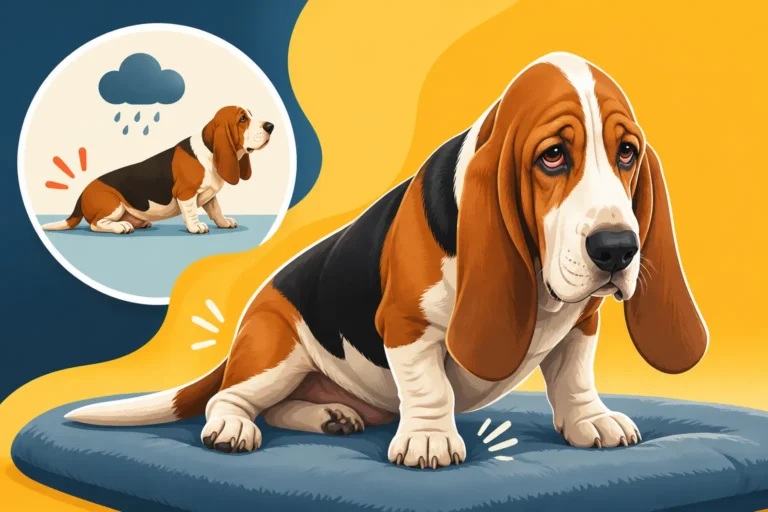
Behaviorally, an overweight Basset Hound will often show a marked decrease in their activity levels. While Bassets are known for their leisurely pace, excessive weight can turn a gentle stroll into an exhausting ordeal. They might be less enthusiastic about walks, struggle to get up from lying down, or even become reluctant to climb stairs or jump onto furniture – actions that, even for a healthy Basset, should be managed carefully to protect their backs. If your normally scent-driven Basset seems more interested in napping than following an interesting trail, or if they struggle to play with the same vigor, these are strong indicators that their weight might be impacting their quality of life. Regularly monitoring How Much a Basset Hound Should Weigh and observing these subtle shifts can help you intervene early.
Here’s a quick overview of how to tell the difference:
| Characteristic | Healthy Basset Hound | Overweight Basset Hound |
|---|---|---|
| Ribs | Easily felt without pressing hard, distinct | Difficult to feel, requires firm pressure, often covered |
| Waist | Slight tuck behind ribs when viewed from above | Straight line or bulging out, no discernible waist |
| Abdomen | Slight tuck-up from side view | Straight or sagging belly line |
| Dewlap/Loose Skin | Present, but not excessively padded with fat | Very large, appears swollen with extra fat |
| Activity Level | Enjoys walks, curious on scent, moderate energy | Less enthusiastic, tires easily, prefers resting, slow |
| Mobility | Moves freely, can get up easily, avoids struggle | Struggles to rise, reluctant to climb/jump, stiff |
| Overall Appearance | Robust but proportional, muscles visible under skin | Rounder, less defined, appears heavy and cumbersome |
The Risks of Extra Weight for Basset Hounds
Allowing a Basset Hound to carry extra weight isn't just about aesthetics; it significantly increases their risk for a multitude of serious health problems. Their unique anatomy, which makes them so endearing, also makes them particularly vulnerable to the consequences of obesity.
Joint Stress and Mobility Issues
This is perhaps the most immediate and impactful consequence of a Basset Hound being overweight. Their short, heavy-boned legs and long, low backs are already under considerable strain. Add extra pounds, and that pressure intensifies dramatically. Imagine trying to carry a heavy backpack all day, every day – that's what an overweight Basset experiences. This constant stress exacerbates conditions like Arthritis in a Basset Hound at Seven and contributes to the development or worsening of elbow dysplasia.
The increased load on their joints leads to inflammation, pain, and premature wear and tear on cartilage. This can quickly manifest as lameness, stiffness, and reluctance to move. You might notice your Basset struggling to get off the floor, even at a younger age than expected. This cycle of pain often leads to less activity, which in turn leads to more weight gain, creating a vicious downward spiral. It’s heart-wrenching to watch a Basset Hound, whose very essence is to follow a scent trail, become immobile and uncomfortable due to preventable weight issues. Insurance providers like Healthy Paws often see claims for these types of chronic conditions, highlighting how prevalent and costly they can be.
Increased Health Complications
Beyond joint issues, excess weight opens the door to a host of other severe health complications for Basset Hounds. Their elongated backs are already predisposed to serious conditions like Intervertebral Disc Disease (IVDD), and The Back Trouble a Basset Hound Is Built Into is significantly worsened by carrying extra fat. The increased strain on their spine can lead to slipped or herniated discs, causing immense pain, nerve damage, and potentially paralysis. This often results in expensive emergency surgeries and extensive rehabilitation, as detailed in articles like What a Basset Hound's Emergency Surgeries Cost.
Furthermore, Basset Hounds with extra weight are at a higher risk for:
- Respiratory Problems: The extra fat can accumulate around their chest and neck, making breathing more difficult, especially in warm weather.
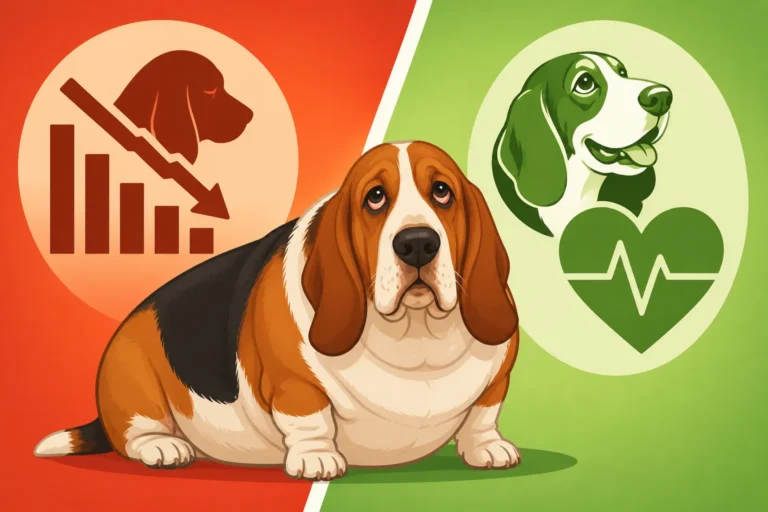
- Heart Disease: Just like in humans, obesity puts a greater strain on the heart, leading to increased blood pressure and a higher risk of cardiac issues.
- Diabetes: The body's ability to regulate blood sugar can be impaired by excess fat, leading to canine diabetes.
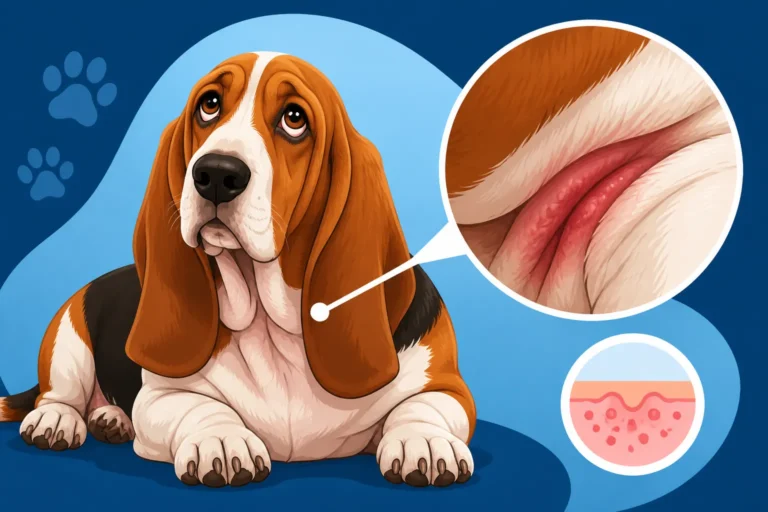
- Skin Fold Infections: Basset Hounds already have abundant loose skin. When they are overweight, these folds become deeper and more numerous, trapping moisture and bacteria, leading to painful and persistent Skin Fold Infections on a Basset Hound.
- Reduced Lifespan: Perhaps most sobering, studies show that Whether an Overweight Basset Hound Lives Shorter is a definite yes. Every extra pound can shave months or even years off their precious lives, impacting The Ten to Twelve Years a Basset Hound Lives.
It's clear that while a plump Basset might look endearing, What Extra Weight Does to a Basset Hound is profoundly detrimental to their overall well-being and longevity.
Practical Steps to Manage Your Basset Hound's Weight
Recognizing that your Basset Hound is overweight is the first critical step; the next is taking action. It requires commitment and consistency, but the rewards—a healthier, happier, more mobile companion—are immeasurable.
Diet and Portion Control
The cornerstone of weight management for any dog, especially a Basset Hound, is a carefully controlled diet. Bassets are notoriously food-motivated and will often act as if they are perpetually starving, no matter how recently they've eaten. It’s essential to resist those mournful eyes and stick to a strict feeding schedule and portion size. Start by consulting your veterinarian to determine the ideal caloric intake for your Basset's target weight and activity level. This is not a "one size fits all" scenario, as factors like age, metabolism, and individual activity play a role.
Invest in a good quality dog food, ideally one formulated for weight management or lower calorie intake, if recommended by your vet. The most crucial part is measuring every meal accurately. Don't eyeball it; use a kitchen scale or a proper measuring cup. Treats should be dramatically reduced or replaced with low-calorie options like small pieces of carrot or green beans. If you have multiple people in the household, make sure everyone is on the same page about feeding and treats to avoid accidental overfeeding. Implementing strategies for Keeping a Basset Hound at Its Correct Weight starts with what goes into their bowl.
Appropriate Exercise
While diet is paramount, appropriate exercise plays a vital supporting role in managing a Basset Hound's weight. However, due to their unique structure, it's not about intense, high-impact workouts. The goal is consistent, moderate activity that builds muscle without straining their joints or backs. Short, frequent walks are ideal. Aim for two to three walks a day, each lasting 15-20 minutes, rather than one long, grueling hike. This allows them to indulge their incredible sense of smell, which is excellent mental stimulation, without overexerting their bodies.
Consider nose work games, where you hide treats around the house or yard and let them sniff them out. This engages their natural instincts and provides mental and physical exercise without high impact. Swimming, if your Basset enjoys it, can also be fantastic as it's low-impact and great for conditioning. Just remember to thoroughly dry their long ears afterwards to prevent infections. If your Basset is already overweight, they might be reluctant to move. In these cases, working with your vet on a controlled exercise plan is crucial for Getting Weight Off a Basset Hound That Will Not Exercise safely. Encourage gentle play and short bursts of activity, gradually increasing the duration as their stamina improves. For an aging Basset, or one with existing joint issues, using aids like ramps to access furniture or cars can prevent painful jumps and make movement easier, contributing to a more active lifestyle even if they're not running marathons.
Regular Vet Checks and Support
Managing your Basset Hound's weight isn't a solitary journey; your veterinarian is your best partner. Regular check-ups are essential to monitor their progress, address any underlying health issues that might contribute to weight gain, and adjust their diet and exercise plan as needed. Your vet can perform a professional body condition assessment, which is invaluable, and provide specific recommendations for food types, portion sizes, and safe exercise routines tailored to your individual dog's health status. They can also screen for conditions like hypothyroidism, which can cause weight gain.
Don't hesitate to openly discuss your struggles and concerns with your vet. They can offer practical advice, behavioral tips for dealing with persistent begging, and recommend canine nutritionists or physical therapists if your Basset needs more specialized intervention. Remember, preventative care is always less costly and less stressful than treating advanced diseases. Having a robust pet insurance plan, like those offered by Healthy Paws, can provide peace of mind, knowing that if weight-related health issues do arise, you'll be better prepared to cover the costs of diagnostics, medications, or specialized treatments. Proactive management and professional guidance are key to ensuring your beloved Basset Hound lives their fullest, healthiest life.
Disclaimer
The information provided in this article is for general informational purposes only and is not a substitute for professional veterinary advice. Always consult with a qualified veterinarian for any health concerns or before making any decisions related to your pet's health and well-being.