Whether a Basset Hound Gets Pancreatitis
It's incredibly frustrating when your sweet Basset Hound, who seems to live for mealtime and snacks, suddenly goes off their food or, even worse, starts vomiting and acting like they're in pain. We all know how much our Bassets adore their kibble and any crumb that hits the floor, which can sometimes lead to uncomfortable and even dangerous health issues. This guide will help you understand pancreatitis in Basset Hounds, from recognizing the subtle signs to managing treatment and, most importantly, how to try and prevent this painful condition.
Understanding Pancreatitis in Basset Hounds
Pancreatitis, an inflammation of the pancreas, is one of those conditions that can sneak up on you and your Basset Hound, causing a lot of worry and discomfort. Our beloved Bassets, with their deep love for food and their often relaxed approach to exercise, can unfortunately be more susceptible to this particular ailment than some other breeds. It’s a complex issue, but understanding what it is and why it happens is the first step in protecting your floppy-eared friend.
What is Pancreatitis and Why Do Basset Hounds Get It?
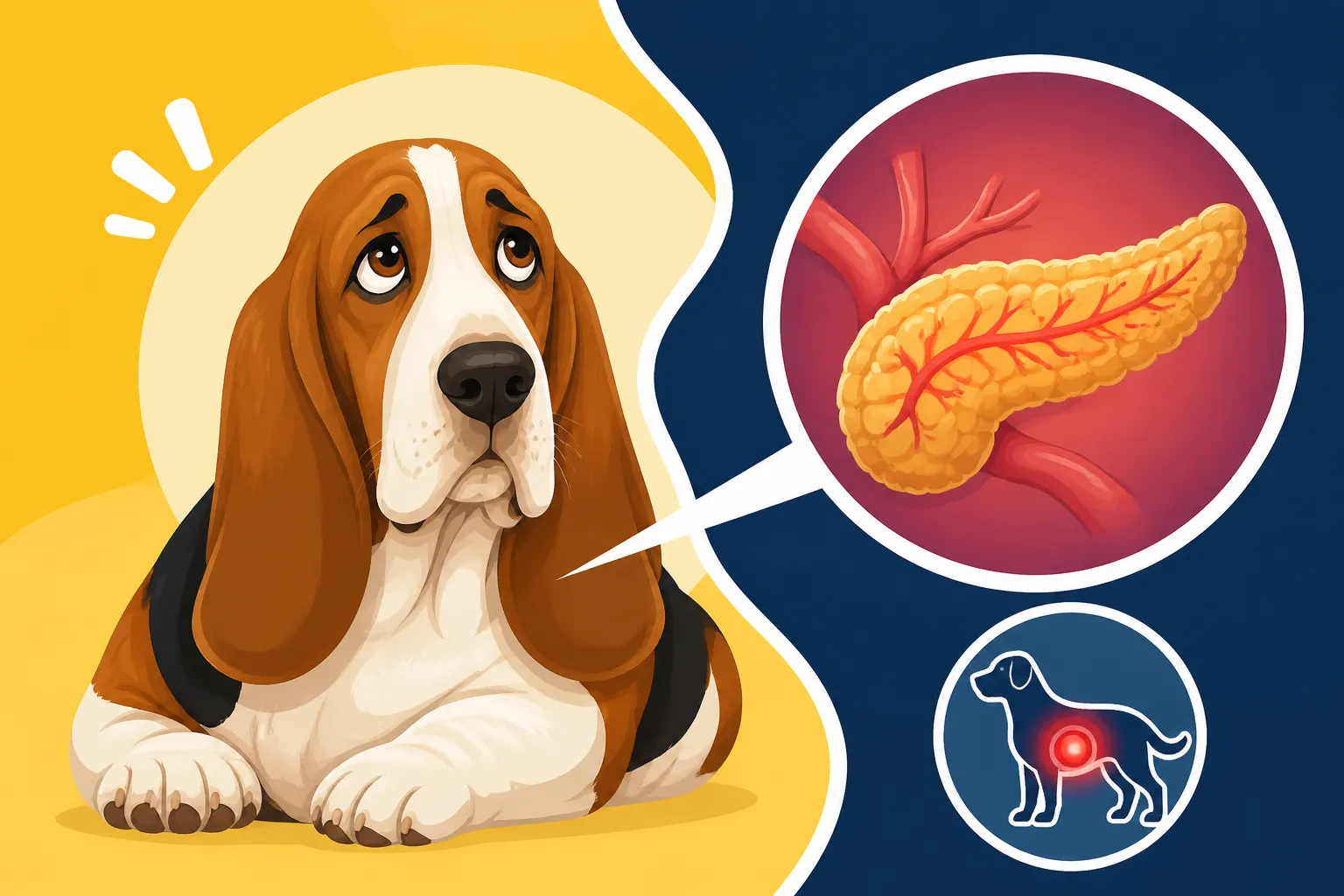
The pancreas is a vital, leaf-shaped organ nestled near your dog’s stomach and small intestine. It has two main jobs: producing enzymes that help digest food, and creating hormones like insulin, which regulate blood sugar. When the pancreas becomes inflamed, these digestive enzymes, which are usually inactive until they reach the small intestine, get activated prematurely inside the pancreas itself. This essentially means the pancreas starts to digest itself, leading to pain, inflammation, and potential damage to the organ and surrounding tissues.
For Basset Hounds, several factors can contribute to pancreatitis. One of the biggest culprits is dietary indiscretion – fancy vet talk for eating something they shouldn't have, especially high-fat foods. Think about it: a Basset Hound's nose is constantly to the ground, sniffing out every dropped morsel, every forgotten picnic scrap. A rich piece of bacon, a fatty steak trimming, or even just too much rich food in one sitting can trigger an attack. Their bodies, accustomed to a certain level of fat, might just rebel when overloaded. Additionally, Basset Hounds are prone to carrying extra weight. If you've ever wondered Whether a Basset Hound Is Fat or Just Built That Way, you know it can be a challenge to discern. Unfortunately, obesity is a significant risk factor for pancreatitis, as excess fat tissue can contribute to inflammation throughout the body, including the pancreas. This is why paying close attention to What Extra Weight Does to a Basset Hound is so crucial for their overall health.
The Different Forms of Pancreatitis
Pancreatitis isn't a one-size-fits-all condition; it can manifest in different ways, each with its own set of challenges for both your Basset and for you as their caregiver. Understanding these forms can help you and your veterinarian better manage the situation if your dog is affected.
The most commonly recognized form is acute pancreatitis. This is what typically happens after a dog gets into a high-fat meal. It's a sudden, severe onset of inflammation. Picture this: your Basset just "helped himself" to the Thanksgiving turkey drippings or an unattended plate of greasy fried chicken. Within hours or a day or two, he might become incredibly sick. The pain can be intense, the vomiting relentless, and he might become severely dehydrated very quickly. Acute episodes are emergencies and require immediate veterinary attention to stabilize your dog and get the inflammation under control. It's a terrifying experience for any pet parent, seeing your usually robust hound in such distress.
Then there's chronic pancreatitis. This form is more subtle and insidious. Instead of a sudden, dramatic attack, chronic pancreatitis involves recurring, less severe bouts of inflammation over time. Your Basset might seem a little "off" for a few days, maybe a bit lethargic, with mild stomach upset, and then seem to recover, only for the symptoms to return weeks or months later. This can make diagnosis tricky because the signs are often vague and easily mistaken for other minor digestive upsets. Over time, chronic inflammation can lead to permanent damage to the pancreas, potentially affecting its ability to produce digestive enzymes (leading to Exocrine Pancreatic Insufficiency, or EPI) or even insulin (leading to diabetes). It's a condition that requires ongoing vigilance and careful management to prevent progression and maintain your Basset Hound's quality of life.
Recognizing the Signs and Getting a Diagnosis
Spotting pancreatitis can be tough, partly because our Bassets are pretty good at hiding discomfort, and partly because the symptoms can mimic other common ailments. You know your Basset best, though, so paying close attention to any changes in their behavior or habits is your superpower here.
Common Symptoms You Might See
The symptoms of pancreatitis can range from mild to severe, depending on whether it’s an acute flare-up or a more chronic, underlying issue. One of the most common signs you'll notice first is vomiting. It might be just once or twice, or it could be persistent and severe, sometimes accompanied by diarrhea. Your Basset, who usually tackles their food with gusto, might suddenly show a complete loss of appetite or appear uninterested in their regular meals. This is often one of the most alarming signs for a Basset owner, as they are usually such enthusiastic eaters!
Beyond the digestive upset, you might observe signs of abdominal pain. A classic posture for dogs experiencing abdominal discomfort, including pancreatitis, is the "praying position" or "play bow," where their front end is down on the floor with their rear end up in the air. They're trying to stretch their abdomen to relieve the pain. They might also appear lethargic, unwilling to move, or just generally not themselves. Some Bassets might develop a fever, or you might notice them panting excessively. It's easy to dismiss some of these as just an upset stomach from something they ate, but if these symptoms persist or seem severe, especially after a particularly fatty meal or snack, it’s always best to err on the side of caution. Remember, your Basset might not complain loudly, but their body language can tell you a lot.
How Vets Diagnose Pancreatitis
When you bring your Basset Hound to the vet with suspected pancreatitis, they'll start with a thorough physical examination. They’ll feel your dog's abdomen, check for pain, and assess for dehydration or fever. Because the symptoms can be vague, a series of blood tests are crucial for an accurate diagnosis. The most specific test for pancreatitis in dogs is the canine pancreatic lipase immunoreactivity test, or cPLI. This test measures a specific enzyme that is elevated when the pancreas is inflamed. While older tests like amylase and lipase can sometimes be elevated, they aren't as specific to the pancreas and can be affected by other issues. The cPLI is considered the gold standard and can help differentiate pancreatitis from other gastrointestinal problems.
In addition to blood tests, your vet might recommend abdominal imaging, particularly an ultrasound. An ultrasound allows the vet to visualize the pancreas directly, looking for signs of inflammation, fluid accumulation around the pancreas, or other abnormalities. X-rays might also be taken to rule out other causes of vomiting, such as an obstruction. Getting a definitive diagnosis is vital because treatment protocols for pancreatitis differ significantly from those for other conditions. It's important not to just treat the symptoms, but to get to the root of the problem. This can be an anxious time, but knowing exactly what you're dealing with allows for the most effective and targeted approach to get your Basset feeling better.
Managing and Treating Pancreatitis
Finding out your Basset Hound has pancreatitis can be scary, and the road to recovery requires careful management. The good news is that with prompt and appropriate veterinary care, most Bassets can recover, especially from acute episodes. The key is knowing what to expect during treatment and how to support them afterward.
Immediate Treatment for Acute Cases
When your Basset Hound is suffering from an acute pancreatitis attack, the immediate goal is to stabilize them and reduce the inflammation and pain. This typically involves several critical steps. Firstly, intravenous (IV) fluids are almost always necessary. Pancreatitis causes significant dehydration due to vomiting and diarrhea, and IV fluids help rehydrate your dog, maintain electrolyte balance, and support blood flow to the pancreas and other organs. Your Basset will likely need to stay at the veterinary clinic for a few days for this intensive supportive care.
Secondly, pain management is paramount. Pancreatitis is incredibly painful, and effective pain relief is crucial for your Basset's comfort and recovery. Your vet will administer strong pain medications to keep them as comfortable as possible. Anti-nausea medications are also vital to stop the vomiting, which further dehydrates your dog and prevents them from absorbing any medications. For the first 24-48 hours, or sometimes longer, your vet might recommend NPO (nothing by mouth), meaning no food or water, to give the pancreas a chance to rest and reduce enzyme stimulation. Once they can keep food down, a very specific, low-fat, highly digestible diet will be slowly introduced. This is usually a prescription diet designed for gastrointestinal issues. In some cases, if a secondary bacterial infection is suspected (though less common for primary pancreatitis), antibiotics might be prescribed. The cost of such emergency care can be substantial, often running into the thousands of dollars. This is where having pet insurance, like a policy from Healthy Paws, can be a real lifesaver, helping to cover a significant portion of these unexpected expenses and allowing you to focus on your Basset's recovery without added financial stress.
Long-Term Management for Chronic Pancreatitis
For Basset Hounds diagnosed with chronic pancreatitis, the focus shifts to ongoing management and prevention of future flare-ups. The cornerstone of this long-term strategy is strict dietary control. Your vet will almost certainly recommend a prescription low-fat diet for the rest of your Basset’s life. Brands like Royal Canin Gastrointestinal Low Fat or Purina Pro Plan Veterinary Diets EN Gastroenteric Low Fat are specifically formulated to be easy on the pancreas and help prevent further inflammation. It's not just about what they eat, but how much. How Much a Basset Hound Should Weigh is a constant battle for many owners, and maintaining a lean body condition is critical. Even a small piece of fatty table scrap can trigger a painful flare-up, so everyone in the household needs to be on board with avoiding extra treats and strict portion control.
Beyond diet, managing chronic pancreatitis involves being vigilant for subtle signs of discomfort and having a plan in place with your vet for when flare-ups occur. Some Bassets might benefit from pancreatic enzyme supplements if their pancreas has sustained damage and isn't producing enough digestive enzymes. Regular vet check-ups are essential to monitor their progress, adjust medication if needed, and ensure their overall health. Lifestyle changes are also key; ensuring a consistent feeding schedule, minimizing stress, and providing appropriate, non-strenuous exercise (keeping in mind The Old Basset Hound That Cannot Get Off the Floor sometimes, or The Back Trouble a Basset Hound Is Built Into) can all contribute to a healthier, happier Basset. While these ongoing treatments and special diets do add up over time, pet insurance plans, even those from providers like Healthy Paws, often cover a portion of prescription foods and continued veterinary care for chronic conditions, helping to ease the financial burden of keeping your Basset comfortable and healthy.
Preventing Pancreatitis in Your Basset Hound
Prevention truly is the best medicine when it comes to pancreatitis, especially for Basset Hounds who can be so enthusiastic about food. Taking proactive steps can save your beloved companion a lot of pain and potentially save you significant veterinary costs.
Dietary Discipline and Weight Management
The number one preventative measure for pancreatitis in Basset Hounds is strict dietary discipline. This means no table scraps, no sneaking fatty treats, and no "accidentally" dropping food on the floor. It's incredibly tempting to share a bit of your meal with those soulful Basset eyes staring up at you, but resisting is one of the kindest things you can do for their long-term health. Stick to their regular, high-quality dog food, and ensure any treats are low in fat and given in moderation. If your Basset is already on the pudgy side, working with your vet on a safe and effective weight loss plan is crucial. You might be interested in What Feeding a Basset Hound to the Right Weight Costs as part of this. Obesity significantly increases the risk of pancreatitis, so keeping your Basset at their ideal body weight is paramount. This can be a challenge since Basset Hounds would, if given the chance, probably eat forever. Understanding Keeping a Basset Hound at Its Correct Weight is not just about aesthetics; it's about safeguarding their internal organs and overall well-being.
Other Preventative Measures
Beyond diet, a few other measures can help reduce the risk of pancreatitis. Regular vet check-ups are important not just for catching problems early, but for discussing preventative care. Your vet can advise you on the best diet, monitor your Basset's weight, and flag any other underlying conditions that might increase their risk. While less common, certain medications can potentially trigger pancreatitis, so always discuss any new medications with your vet and understand the potential side effects. Managing other health conditions your Basset might have, such as Whether a Basset Hound Gets Diabetes or Whether a Basset Hound Has a Sensitive Stomach, is also crucial, as these can sometimes be linked to pancreatic health.
Ensuring your Basset Hound doesn't have access to trash cans or other tempting (but dangerous) food sources is also vital. A curious Basset nose can lead them into trouble faster than you can say "leave it!" Investing in secure trash cans and keeping tempting foods out of reach is a simple but effective preventative step. While you can't prevent every single illness, a proactive approach to diet, weight, and general health significantly lowers the risk of your Basset Hound ever suffering from this painful condition. Thinking ahead about unexpected vet bills for things like emergency surgery (you might be curious about What a Basset Hound's Emergency Surgeries Cost) can be less stressful if you have comprehensive pet insurance. Healthy Paws, for example, offers plans that cover accidents and illnesses, giving you peace of mind should a health issue like pancreatitis arise despite your best preventative efforts.
Pancreatitis in Basset Hounds: Acute vs. Chronic Overview
Here’s a quick overview to help distinguish between acute and chronic pancreatitis:
| Feature | Acute Pancreatitis | Chronic Pancreatitis |
|---|---|---|
| Onset | Sudden and severe | Gradual, recurring, or persistent mild symptoms |
| Causes | High-fat meal, dietary indiscretion, obesity, trauma, drugs | Long-term low-grade inflammation, recurring acute attacks |
| Severity | Moderate to severe, often life-threatening | Mild to moderate, but can lead to severe complications |
| Key Symptoms | Severe vomiting, diarrhea, intense abdominal pain, lethargy, loss of appetite, praying position, fever | Intermittent vomiting/diarrhea, mild appetite changes, occasional abdominal discomfort, weight loss over time, general "off" feeling |
| Diagnosis | Physical exam, cPLI blood test, ultrasound | Physical exam, cPLI blood test (possibly multiple), ultrasound, biopsy |
| Immediate Treatment | IV fluids, pain medication, anti-nausea meds, NPO, low-fat diet introduction | Management of flare-ups, pain relief, continued low-fat diet |
| Long-Term Management | Strict low-fat diet, weight management, preventing dietary indiscretion | Lifelong strict low-fat diet, regular vet check-ups, enzyme supplementation, managing secondary conditions |
| Prognosis | Good with prompt treatment, but can recur | Guarded; requires ongoing management, potential for EPI or diabetes |
Disclaimer
The information provided in this article is for general informational purposes only and is not a substitute for professional veterinary advice. Always seek the advice of your veterinarian or other qualified animal health provider with any questions you may have regarding a medical condition or treatment for your pet. Never disregard professional veterinary advice or delay in seeking it because of something you have read in this article.