Whether a Paralyzed Basset Hound Walks Again
The sight of your beloved Basset Hound dragging their hind legs, suddenly unable to stand or walk, is one of the most heartbreaking and terrifying experiences a pet parent can face. It’s a moment filled with panic, fear, and a desperate question: Will they ever walk again? This comprehensive guide will delve deep into the causes of paralysis in Basset Hounds, explore the potential for recovery, and discuss how you can best support your furry friend through such a challenging time, offering hope and practical advice.
Understanding Paralysis in Basset Hounds: What Causes It?
When a Basset Hound's back legs suddenly stop working, or they become weak and wobbly, it's often a sign of a serious neurological issue. Understanding the root cause is the first crucial step toward recovery.
Intervertebral Disc Disease IVDD The Primary Culprit
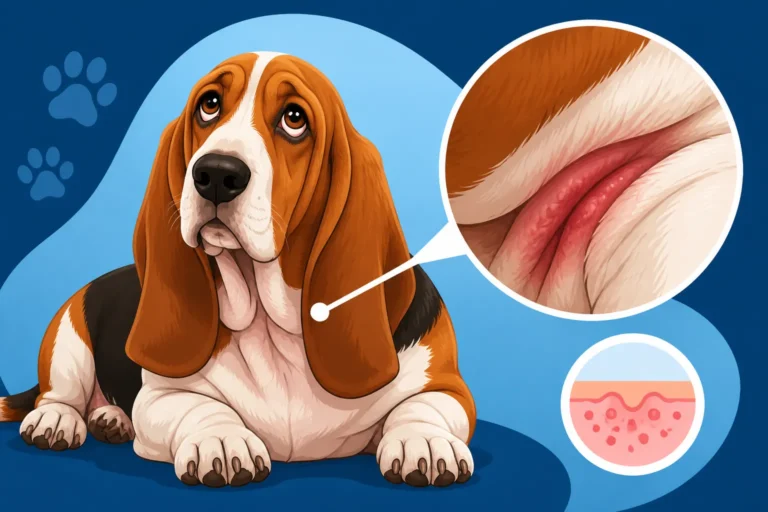
For Basset Hounds, with their distinctive long backs and short legs, the most common and devastating cause of sudden paralysis is Intervertebral Disc Disease, often shortened to IVDD. This isn't just a minor backache; it's a degenerative condition where the cushioning discs between the vertebrae in their spine begin to harden and protrude or rupture into the spinal canal. Think of it like a jelly donut: the outer layer stiffens, and the jelly inside gets pushed out. When that "jelly" presses against the spinal cord, it can cause immense pain, nerve damage, and, ultimately, partial or complete paralysis.
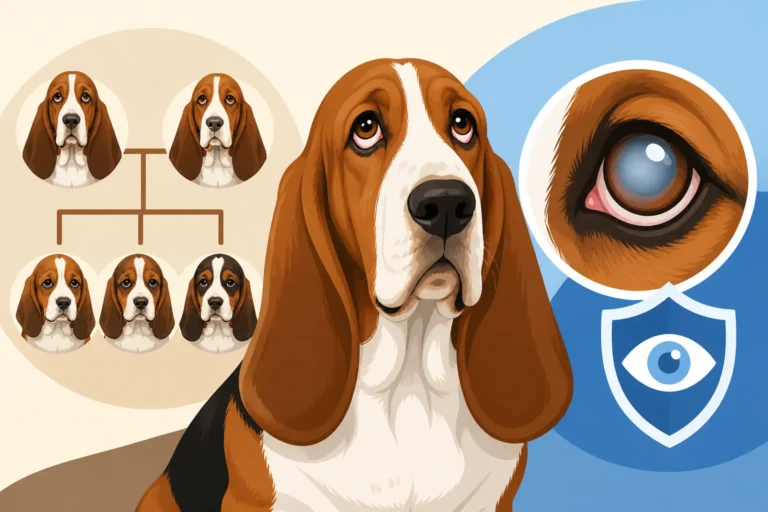
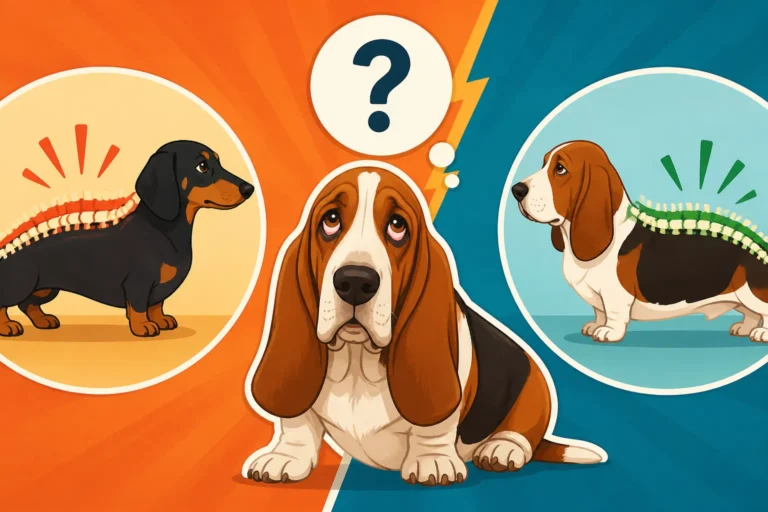
Basset Hounds are genetically predisposed to IVDD because they are a chondrodystrophic breed, meaning they have abnormal cartilage development that leads to their characteristic short limbs and long bodies. This makes their spinal discs more prone to early degeneration. It's a cruel irony that the very feature that makes them so uniquely adorable also makes them incredibly vulnerable to this condition. The severity of IVDD can range from mild discomfort and weakness to complete inability to move the hind legs, loss of deep pain sensation, and even incontinence. If you've ever wondered if your Basset Hound's back is as fragile as a Dachshund's, the answer is often a resounding yes. It's a constant worry for Basset owners, knowing that one wrong jump or twist could trigger a crisis.
Other Causes of Hind Limb Weakness or Paralysis
While IVDD is the overwhelming culprit, it’s not the only reason a Basset Hound might experience hind limb issues. It’s important for your veterinarian to rule out other possibilities, though they are generally less common.
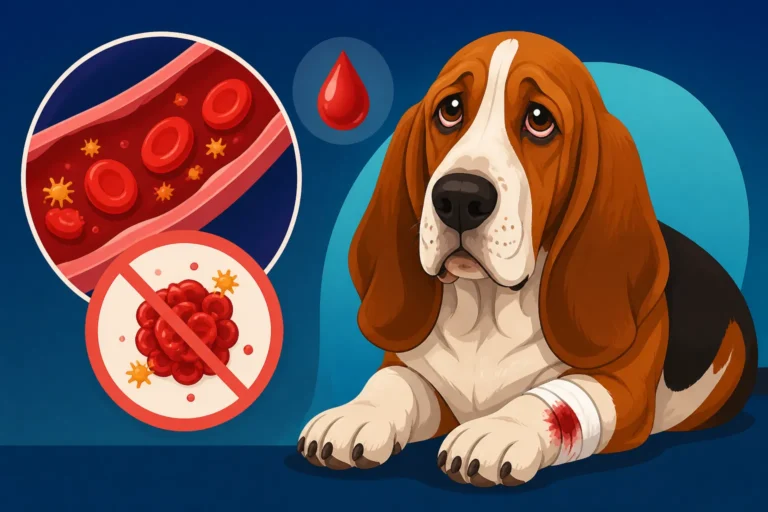
One such condition is Fibrocartilaginous Embolism (FCE), often referred to as a "spinal stroke." This occurs when a small piece of cartilage from a disc breaks off and blocks a blood vessel supplying the spinal cord, causing localized tissue death. Unlike IVDD, FCE is usually non-painful and often has a more sudden onset. While it can cause paralysis, the prognosis for recovery is generally better than severe IVDD because the spinal cord itself isn't directly compressed or damaged, but rather deprived of blood flow temporarily. Another possibility, though rarer, could be a spinal tumor, which can slowly or rapidly compress the spinal cord. In older Basset Hounds, degenerative myelopathy might be a consideration, a progressive disease that leads to weakness and paralysis, though it's less common in Bassets than in some other large breeds. Of course, direct trauma, like being hit by a car or falling from a height, can also cause spinal cord injury and paralysis. The good news is that these other conditions, while serious, often have different diagnostic indicators than IVDD, allowing for a tailored treatment approach once identified.
The Road to Recovery: Can a Paralyzed Basset Hound Walk Again?
This is the question that haunts every owner whose Basset Hound has suddenly lost the use of their legs. The answer, thankfully, is often yes, but it depends heavily on several critical factors, starting with immediate action and comprehensive care.
Immediate Veterinary Intervention and Diagnosis
Time is absolutely critical when dealing with potential spinal cord injury. If your Basset Hound suddenly shows signs of weakness, pain, or paralysis in their hind limbs, it is an emergency. Get them to a veterinarian immediately. The sooner the diagnosis and treatment begin, the better the chances of a positive outcome. Your vet will perform a thorough neurological exam to assess the extent of the damage and determine if your dog has deep pain sensation, which is a key prognostic indicator.
To get a definitive diagnosis and pinpoint the exact location and severity of the spinal cord compression, advanced imaging like an MRI (Magnetic Resonance Imaging) is typically required. While an X-ray might show some spinal abnormalities, it won't reveal the soft tissue damage to the discs or spinal cord itself. You might be asking, What a Basset Hound's MRI costs? It's a significant investment, but it provides invaluable information for guiding treatment. Based on the MRI results, the vet will determine if conservative management (strict crate rest, pain medication, anti-inflammatory drugs) is an option, or if urgent surgery is necessary. This decision is paramount, as waiting too long when surgery is indicated can severely reduce the chances of recovery.
Surgical Intervention and Post-Operative Care
For many cases of severe IVDD leading to paralysis, surgery is often the best, and sometimes only, option for restoring mobility. The goal of surgery is to decompress the spinal cord by carefully removing the herniated disc material. This can relieve the pressure and allow the nerves to begin healing. When considering whether a Basset Hound's disc surgery is worth it, it's important to weigh the potential for recovery against the risks and costs involved.
The surgery itself is delicate, and the post-operative care is just as crucial. Your Basset Hound will need strict crate rest for several weeks, often 4-8 weeks, to allow the surgical site to heal and prevent further injury. This can be incredibly challenging with an active Basset, but it is non-negotiable. Pain management will be paramount during this period, and your vet will prescribe appropriate medications. During this time, you'll be responsible for helping them with bladder and bowel management, which may involve manual expression of the bladder, especially if they are temporarily incontinent. It’s a round-the-clock commitment, but seeing even small improvements can be incredibly motivating. Many owners find peace of mind knowing they have pet insurance that can help cover these substantial costs, with providers like Healthy Paws offering comprehensive plans that can ease the financial burden of such critical procedures and recovery. Understanding what back surgery costs a Basset Hound owner can help you prepare for the financial commitment involved.
The Role of Rehabilitation and Physical Therapy
Once the initial healing phase is over, the real work of regaining mobility often begins with intensive rehabilitation and physical therapy. This isn't just about getting your Basset Hound walking again; it's about strengthening their muscles, improving their balance, and re-educating their nervous system.
A certified canine rehabilitation therapist will design a personalized program for your Basset Hound. This might include a variety of techniques such as hydrotherapy (walking in an underwater treadmill), therapeutic exercises, massage, stretching, laser therapy, and electrical stimulation. Hydrotherapy is particularly beneficial because the buoyancy of the water reduces stress on the spine while allowing the dog to move their limbs and build muscle. These sessions can be exhausting for your Basset, but they are vital for maximizing their recovery potential. Owners often ask about what physical therapy costs a Basset Hound owner, and while it varies, it’s an ongoing expense that is well worth it for the chance at restored mobility. Consistency is key; faithfully attending sessions and diligently performing at-home exercises will significantly impact the outcome. Some Basset Hounds might start showing signs of voluntary movement within days of surgery and therapy, while others may take weeks or even months to make progress.
Life After Paralysis: Supporting a Basset Hound's Mobility
Even if full mobility isn't regained, a paralyzed Basset Hound can still lead a full and happy life with the right support and care. Your commitment and adaptation are key to their ongoing well-being.
Assistive Devices and Home Modifications
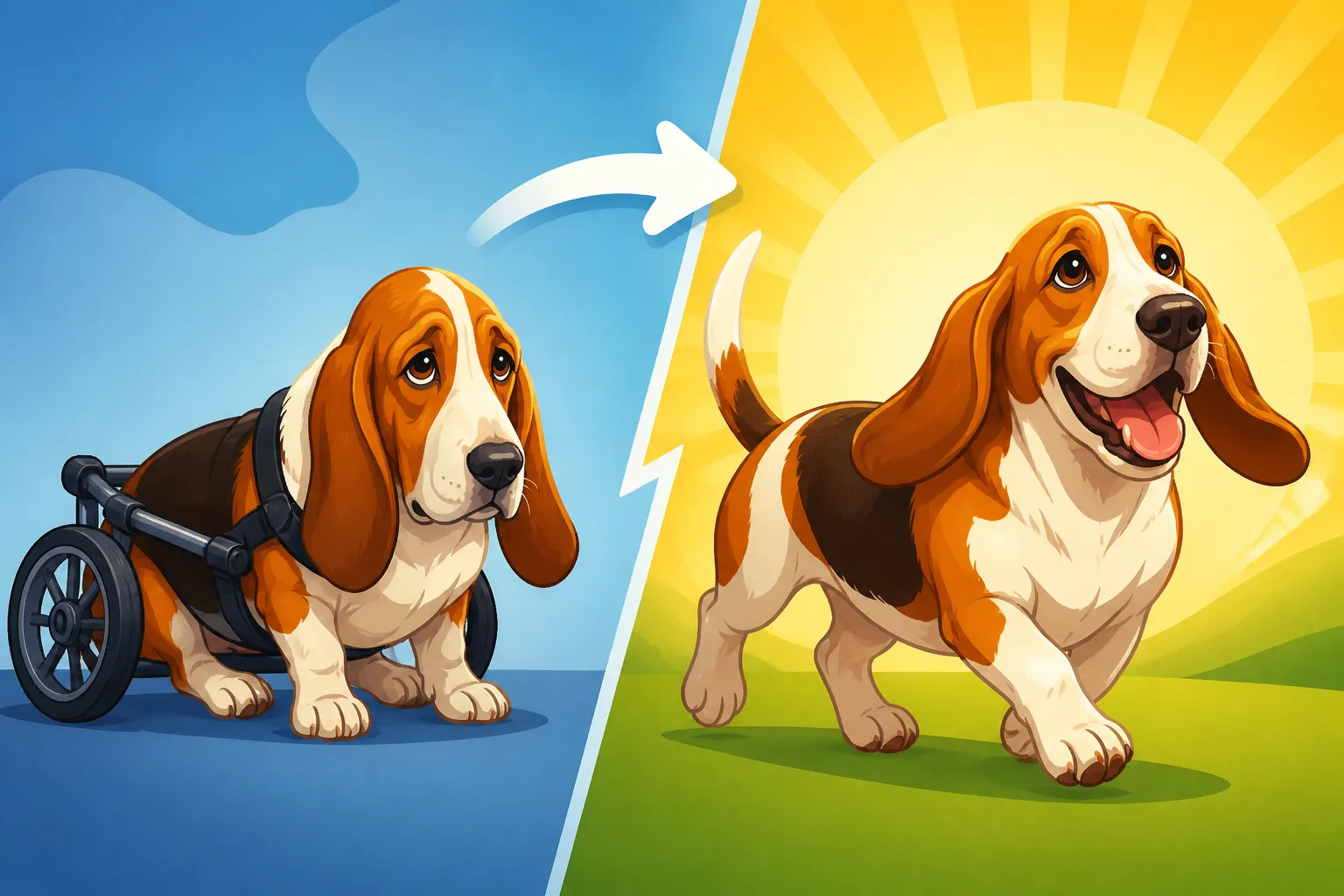
For Basset Hounds who don't regain full use of their hind legs, or those on the slower path to recovery, assistive devices can be life-changing. A dog wheelchair, often called a cart, can give them back their independence and allow them to enjoy walks, playtime, and outdoor adventures once more. Finding the right cart that fits their unique Basset body shape is important for comfort and stability. If you're looking into whether a Basset Hound needs a cart, it's a wonderful option that can truly enhance their quality of life.
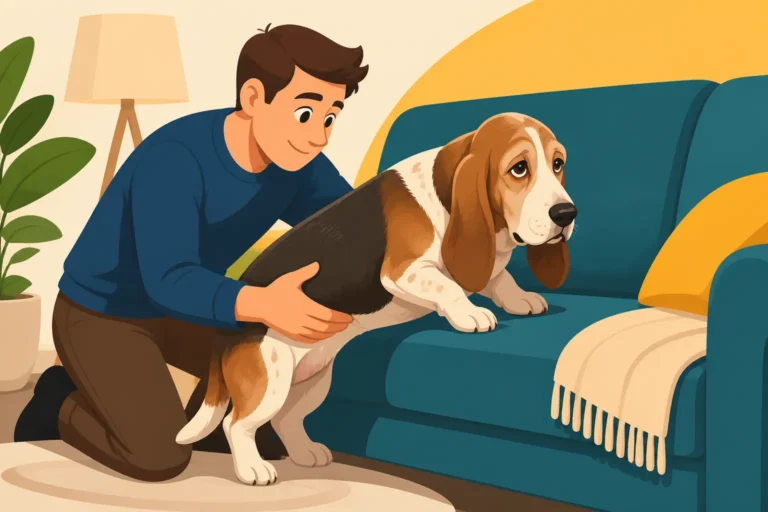
Beyond carts, simple home modifications can make a huge difference. Using ramps instead of stairs, especially if you have an older Basset Hound that cannot get off the floor or struggles to stand, can prevent re-injury and make movement easier. Placing non-slip rugs on hard floors can provide better traction, reducing slips and falls. Raising food and water bowls can also make mealtime more comfortable if they struggle to lower their head. Creating a safe, accessible environment is paramount to their physical and emotional health.
Long-Term Management and Quality of Life
Living with a Basset Hound who has experienced paralysis often means a commitment to long-term management. Bladder and bowel control can be a lingering issue, even for dogs who regain some ability to walk. Owners may need to continue manually expressing their dog's bladder several times a day to prevent urinary tract infections, a common complication. Keeping their hindquarters meticulously clean is essential to prevent urine scald and skin infections, especially if they drag their legs or spend a lot of time in a cart.
Regular veterinary check-ups are important to monitor for secondary complications and adjust their care plan as needed. The emotional well-being of your Basset Hound is just as important as their physical health. Provide plenty of love, mental stimulation through nose work games, and opportunities for social interaction. A paralyzed Basset Hound can still be a joyful companion; their spirit often remains undimmed, and their unwavering loyalty and affection will shine through. Pet insurance, like that offered by Healthy Paws, can be a lifesaver in managing the ongoing costs of specialized food, medications, and vet visits that often accompany long-term conditions.
Factors Influencing a Positive Outcome
Several factors can influence the likelihood of a paralyzed Basset Hound walking again. These include:
- Severity of the Injury: Dogs with deep pain sensation intact generally have a much better prognosis for walking again compared to those who have lost it. The longer deep pain sensation is absent, the poorer the prognosis.
- Speed of Intervention: As mentioned, immediate veterinary attention and diagnostic imaging are critical. Early surgical decompression, if needed, offers the best chance.
- Owner Commitment: The dedication of the owner to strict rest, medication protocols, and rehabilitation therapy plays an enormous role in success. It's a significant time and emotional investment.
- Financial Resources: The cost of diagnostics (like an MRI), surgery, and long-term physical therapy can be substantial. Understanding what a Basset Hound's emergency surgeries cost is important. This is where pet insurance can truly alleviate stress. Healthy Paws, for instance, offers plans that can help cover a large percentage of these unforeseen and expensive treatments.
- Age and Overall Health: Younger, otherwise healthy Basset Hounds may have a stronger recovery capacity, though dogs of all ages can and do recover.
It's important to manage expectations realistically. While many Basset Hounds do walk again, sometimes even run, some may only achieve "functional" walking, meaning they can get around but not perfectly, or they may require a cart indefinitely. The goal is always to provide the best possible quality of life for your cherished companion.
Recovery Outlook for Paralysis in Basset Hounds
Here's a general overview of recovery potential based on the neurological deficits observed in Basset Hounds suffering from spinal cord compression, typically due to IVDD:
| Neurological Grade | Signs Exhibited | Treatment Approach | Prognosis for Walking Again | Key Considerations |
|---|---|---|---|---|
| Grade 1 (Mild) | Back pain, mild weakness, reluctant to move | Conservative (rest, meds) | Excellent (>90%) | Strict rest is crucial to prevent progression. |
| Grade 2 (Moderate) | Wobbliness (ataxia), partial weakness (paresis) | Conservative or Surgical | Very Good (80-90%) | Often recovers with rest, but surgery may speed recovery. |
| Grade 3 (Severe) | Inability to stand or walk (non-ambulatory paresis) | Surgical | Good (50-80%) | Surgery often recommended; intensive rehab needed. |
| Grade 4 (Paralysis) | Complete paralysis, deep pain sensation present | Urgent Surgical | Fair (40-60%) | Timely surgery is paramount; prolonged rehab expected. |
| Grade 5 (No Deep Pain) | Complete paralysis, no deep pain sensation | Urgent Surgical within 24-48 hrs | Guarded (5-10%) | Poorest prognosis; success highly time-dependent. |
Note: These percentages are generalizations and individual outcomes can vary based on many factors, including the exact location of the lesion, concurrent health issues, and post-operative care quality.
No matter the outcome, remember that a paralyzed Basset Hound can still have a wonderful life full of love and happiness. Your bond with them is what truly matters, and your willingness to adapt and care for their special needs is the greatest gift you can give them.
Disclaimer
The information provided in this article is for general informational purposes only and is not a substitute for professional veterinary advice, diagnosis, or treatment. Always seek the advice of your qualified veterinarian with any questions you may have regarding a medical condition or treatment plan for your Basset Hound.