Helping an Old Basset Hound Onto the Couch
It’s a familiar scene for so many of us Basset Hound parents: your beloved, long-eared companion, once so eager to bounce onto the sofa for a snuggle, now stands at the edge, looking up with those soulful eyes, perhaps letting out a soft whine, clearly struggling. It tugs at your heartstrings to see them hesitate, knowing they want to be close but are held back by aching joints or a tired body. This guide is all about giving your senior Basset Hound the comfort and access they deserve, safely helping them rejoin you on the couch without risking injury or causing them discomfort.
Understanding Why Your Senior Basset Hound Struggles
Watching your Basset Hound, who once bounded with youthful exuberance, now deliberate and struggle with what used to be a simple leap, can be genuinely upsetting. It’s not just about them getting older; their unique anatomy makes these age-related challenges particularly pronounced and often more painful. We need to understand the underlying reasons for their difficulties to best support them.
The Physical Changes of Aging
Just like us, Basset Hounds experience a range of physical changes as they gracefully transition into their senior years. These aren't just minor inconveniences; they directly impact their mobility and their ability to navigate their environment, including something as seemingly simple as getting onto the couch.
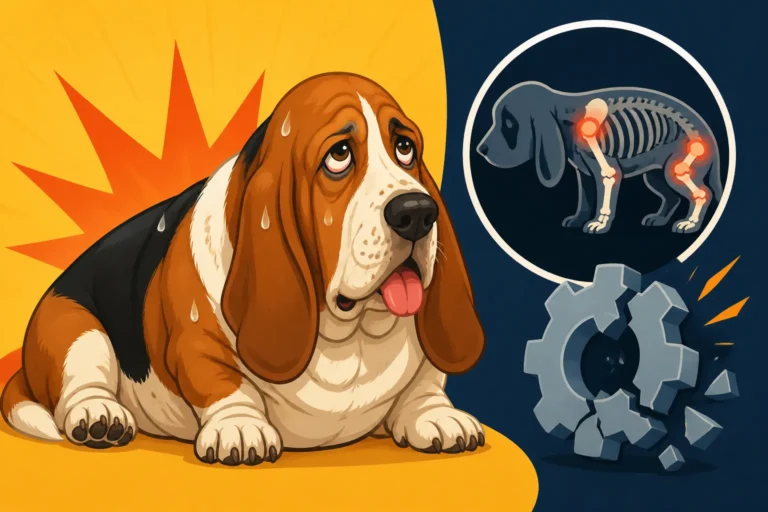
First and foremost, arthritis is a huge factor. This is a progressive disease that causes inflammation of the joints, leading to pain, stiffness, and reduced range of motion. For a Basset Hound, whose frame already puts a lot of pressure on its joints due to their heavy bone structure and short limbs, arthritis can be debilitating. You might notice them moving more slowly, being reluctant to walk, or even limping after rest. This discomfort makes jumping onto a couch a painful endeavor, if not an impossible one. If you notice signs of Arthritis in a Basset Hound at Seven, it's crucial to address it promptly.
Beyond arthritis, Basset Hounds are also genetically predisposed to conditions like elbow and hip dysplasia, which can worsen with age. Even if these conditions were managed in their younger years, the wear and tear over a lifetime, combined with natural aging, can cause significant discomfort. Their muscles naturally weaken and lose mass, making the explosive strength needed for a jump much harder to muster. The once-flexible spine becomes stiffer, and the cartilage that cushions their joints thins, reducing their natural shock absorbers. All of these factors combine to make activities like jumping a high-risk, high-pain proposition. It's truly heartbreaking to witness, and it’s why understanding the 'why' is so important.
The Risks of Jumping for an Old Basset Hound
While it might seem like a small jump, for an old Basset Hound, launching onto or off a piece of furniture carries significant risks. Their distinctive build, which makes them so charming, also makes them particularly vulnerable to certain injuries, especially as they age.
The most critical concern for Basset Hounds is their long, heavy back and short legs. This body type predisposes them to intervertebral disc disease (IVDD), a condition where the discs between the vertebrae bulge or rupture, pressing on the spinal cord. A sudden, jarring movement like jumping or landing incorrectly can easily trigger an IVDD episode, which can range from extreme pain and nerve damage to partial or even full paralysis. It’s an incredibly serious condition that can lead to expensive emergency surgery and a long, difficult recovery. Understanding The Back Trouble a Basset Hound Is Built Into is key for any owner.
Beyond IVDD, a bad jump or fall can lead to other injuries. Sprains, strains, or even fractures in their already compromised joints are a real possibility. An older dog's bone density might not be what it once was, making them more susceptible to breaks. A misstep from the couch could result in a pulled muscle, a torn ligament, or a painful twist that leaves them limping or worse. This is precisely why we strongly advise against letting an older Basset Hound jump from furniture. If you want to dive deeper, you can read more about Whether a Basset Hound Should Jump Off Furniture. It’s not about restricting their joy, but protecting their well-being and preventing painful, debilitating accidents that could severely impact their quality of life.
Practical Solutions for Couch Access
Once you understand why your senior Basset Hound is struggling, the next step is finding safe, practical ways to help them continue enjoying their favorite spot on the couch. There are several excellent solutions available, each with its own benefits, that can make a world of difference for their comfort and safety.
Ramps: The Gentle Slope Solution
Ramps are often the preferred choice for Basset Hounds due to their long bodies and short legs. They provide a gradual, gentle incline that allows your dog to walk up and down without any jarring impact on their joints or spine. This smooth transition is far less stressful on their system than steps or jumping.
When choosing a ramp, look for a sturdy, stable model with a non-slip surface. The length of the ramp is crucial; a longer ramp will provide a shallower, easier incline, which is ideal for a Basset Hound. A ramp that's too steep will still be difficult to navigate. Consider materials like wood or durable plastic, and ensure it has sufficient width so your Basset feels secure and doesn't feel like they might fall off. Some ramps are freestanding, while others attach directly to the furniture. Measure your couch height to ensure the ramp you select is appropriate. Brands like PetSafe or Chasing Tails offer a variety of options that might suit your needs.
Introducing a ramp takes patience. Start by placing the ramp on flat ground and encouraging your Basset to walk over it with treats. Once they're comfortable, move it to the couch. Lure them up and down with their favorite high-value treats and plenty of praise. Never force them; make it a positive experience. With consistency, most Basset Hounds will quickly learn to appreciate their new, safe path to comfort. For more guidance on this, you might find Whether a Basset Hound Should Use a Ramp helpful.
Steps: A Sturdier Option
While ramps are generally excellent, some Basset Hounds, or specific home layouts, might benefit more from dog steps. Steps offer a distinct advantage in that they take up less floor space than a ramp, making them a good option for smaller living areas. They also provide a firm, stable surface that some dogs prefer over a ramp's incline.
When selecting steps for your Basset Hound, height and depth are key. Each step should be low enough for their short legs to comfortably manage without having to "climb" too high, and deep enough for them to place all four paws securely. Foam steps, often covered in soft, removable fabric, are lightweight and comfortable, while wooden or plastic steps tend to be more durable and heavier, offering greater stability. Again, a non-slip surface is essential. Always ensure the steps are wide enough to accommodate your Basset Hound's body without them feeling cramped or unstable. You can find excellent quality steps from brands like Majestic Pet or Furhaven.
Training a Basset Hound to use steps follows a similar principle to ramps – positive reinforcement is your best friend. Start with one step on the floor, luring them over it. Gradually add more steps. Use treats, enthusiastic praise, and perhaps even a favorite toy to make it fun and rewarding. Make sure the steps are positioned securely against the couch so there's no wobbling or shifting when they use them. Remember, the goal is to create a sense of security and ease, not another challenge.
Lifting Techniques: When and How to Help
Sometimes, despite your best efforts with ramps or steps, there might be moments when your Basset Hound needs a little extra help to get onto the couch. This is where proper lifting techniques become incredibly important, not only for their safety but for yours too. Improper lifting can cause back strain for you and potentially injure your dog.
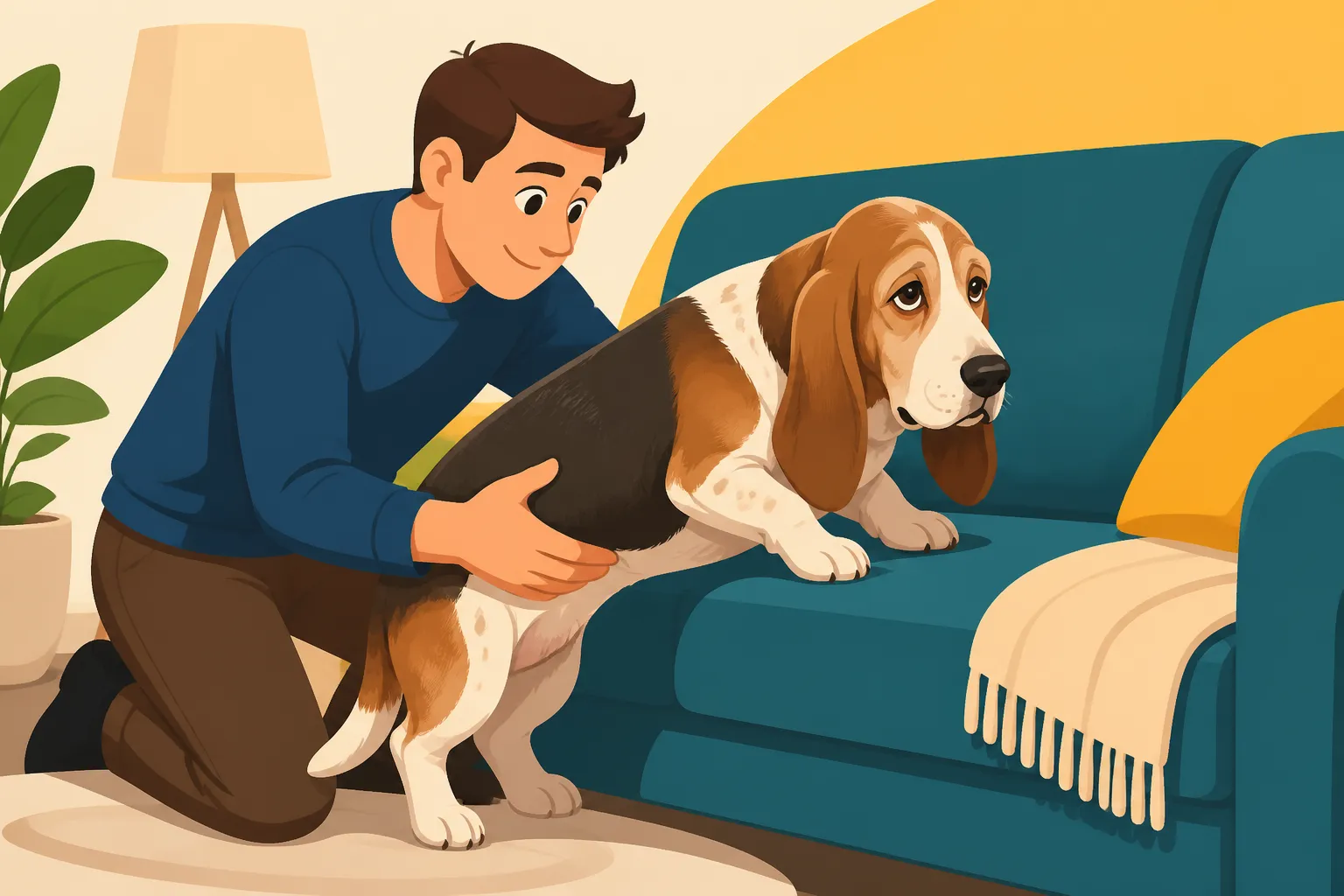
If you must lift your Basset Hound, always aim for a two-person lift if possible, especially with larger or more infirm dogs. One person can support the chest and front legs, while the other supports the hindquarters and tail. This distributes their weight evenly and minimizes stress on their long spine. If you're lifting alone, squat down beside your dog, wrap one arm under their chest between their front legs, and the other arm under their hindquarters, making sure to support their abdomen and back. Lift with your legs, not your back, keeping your own spine straight. Hold them close to your body for better leverage and control.
However, lifting should ideally be reserved for occasional needs, like a quick trip to the vet, or in emergency situations. Relying on daily lifting, especially if you have an older, heavier Basset Hound, can quickly become strenuous for you and might not be the most comfortable or empowering solution for your dog in the long run. It's much better to invest in tools like ramps or steps that promote their independence and reduce the need for constant manual handling. Regularly lifting a heavy, older Basset can be physically demanding for an owner, making consistent, safe alternatives like ramps or steps a much better long-term strategy for both of you.
Creating a Joint-Friendly Home Environment
Making the couch accessible is just one piece of the puzzle. To truly support your senior Basset Hound, it's beneficial to create an entire home environment that is mindful of their changing physical needs. This proactive approach can significantly improve their quality of life, comfort, and overall mobility.
Orthopedic Beds and Supportive Furniture
Beyond the couch, think about where your Basset Hound spends the rest of their time. Hard floors or flimsy beds offer little to no support for aging joints, exacerbating pain and stiffness. Investing in high-quality orthopedic dog beds is one of the best things you can do for them. These beds are designed with dense, supportive foam, often memory foam, that contours to their body, relieving pressure points and providing excellent support for their spine and joints.
Place these orthopedic beds in all their favorite resting spots – by the window, near your desk, or in the living room. Look for beds with washable covers for easy cleaning, as older dogs can sometimes have accidents. You might also consider lowering certain furniture pieces, like coffee tables, or adding low ottomans that can act as intermediate steps, making it easier for them to navigate around the room. Small adjustments like these can make a huge difference in their daily comfort. If you're curious about the investment, you can learn more about What an Orthopedic Bed Costs for a Basset Hound.
Managing Slippery Surfaces
Slippery floors are a hidden menace for senior dogs, particularly those with joint issues. Hardwood, tile, or laminate floors offer no traction, making it difficult for them to get up from a lying position, stand steadily, or walk without slipping and potentially causing injury. This constant struggle can lead to anxiety and further strain on their already compromised joints.
To combat this, strategically place rugs, runners, or carpet tiles in high-traffic areas and wherever your Basset Hound frequently walks or rests. Ensure these rugs have non-slip backings to prevent them from sliding around. You can also explore options like paw grips or special dog socks with traction pads, which can provide extra grip on slippery surfaces. Keeping your Basset Hound's nails trimmed short is also crucial, as long nails can make it even harder for them to gain purchase on smooth floors. The more secure they feel on their feet, the less likely they are to slip and injure themselves.
Incorporating Gentle Exercise and Weight Management
It might seem counterintuitive to talk about exercise for an old dog that struggles to move, but appropriate, gentle activity is vital for maintaining muscle mass, joint flexibility, and overall well-being. Coupled with careful weight management, it forms a cornerstone of senior Basset Hound care.
Focus on low-impact activities. Short, frequent walks on soft surfaces like grass are much better than long, strenuous treks on pavement. Swimming, if your Basset Hound enjoys it and can do it safely (many Basset Hounds are not natural swimmers due to their body shape, so supervision and a life vest are critical), is an excellent non-weight-bearing exercise that strengthens muscles without stressing joints. The key is moderation and listening to your dog. If they show signs of fatigue or pain, it’s time to stop. For more ideas, explore Exercise for an Old Basset Hound.
Weight management is perhaps one of the most impactful things you can do for an aging Basset Hound. Even a few extra pounds put immense strain on their joints, exacerbating arthritis and increasing the risk of IVDD. Consult your vet to determine the ideal weight for your Basset Hound and create a feeding plan. This might involve switching to a senior-specific or weight-management dog food, carefully portioning meals, and limiting treats. It’s a commitment, but the payoff in their comfort and longevity is immense. For advice on this, you can refer to Keeping a Basset Hound at Its Correct Weight or What Extra Weight Does to a Basset Hound. Proactive measures like this can even help reduce future vet bills for joint issues, which is something many pet insurance plans, like Healthy Paws, are designed to help cover.
Supporting Your Basset Hound's Overall Health
Helping your Basset Hound onto the couch is an immediate concern, but it's part of a larger picture of comprehensive senior care. As they age, their needs evolve, and a holistic approach to their health will ensure their golden years are as comfortable and joyful as possible.
Regular Veterinary Check-ups and Pain Management
As your Basset Hound enters their senior years, regular veterinary check-ups become even more critical. These aren't just routine visits; they are opportunities for your vet to thoroughly assess your dog's health, catch potential issues early, and adjust their care plan as needed. Senior Bassets should typically see their vet twice a year, as health conditions can progress quickly in older dogs.
During these visits, your vet will pay close attention to their joint health. They might recommend various pain management strategies, which could include non-steroidal anti-inflammatory drugs (NSAIDs) to reduce inflammation and pain, or other medications like Gabapentin to manage nerve pain. Nutritional supplements such as glucosamine, chondroitin, and omega-3 fatty acids (fish oil) can also play a vital role in supporting joint health and reducing inflammation. Always discuss supplements with your vet first to ensure they are appropriate and don't interact with any other medications. Many pet insurance providers, including Healthy Paws, recognize the importance of these treatments and often include coverage for eligible senior care and prescription medications, which can significantly ease the financial burden.
Beyond medication, your vet might suggest alternative therapies. This could include acupuncture, which can help alleviate chronic pain, or hydrotherapy (underwater treadmill exercises), which allows for low-impact muscle strengthening and joint mobilization. These therapies, when combined with conventional treatments, can offer significant relief and improve your Basset's overall mobility and comfort.
The Emotional Aspect of Aging
It’s easy to focus solely on the physical challenges of an aging Basset Hound, but their emotional well-being is just as important. Seeing their physical capabilities decline can be confusing or even depressing for them, and it's our job to ensure they still feel loved, valued, and engaged.
Maintain routines as much as possible, as predictability provides comfort and security for older dogs. While their physical exercise needs may change, their need for mental stimulation doesn't disappear. Incorporate gentle nose work games, puzzle toys with soft treats, or short, familiar sniff walks in the yard. These activities keep their minds sharp and satisfy their natural Basset instincts without overtaxing their bodies. Remember, the Basset Hound's nose is one of its greatest assets, so giving it a job can bring immense satisfaction.
Most importantly, continue to shower them with affection and reassurance. Make them feel cherished, even if they can't greet you with the same energetic leaps they once did. Ensure their favorite spots are easily accessible and comfortable. The goal is to minimize their frustration and pain, allowing them to enjoy their senior years with dignity and happiness. Recognizing when they are struggling and finding ways to assist, rather than letting them suffer in silence, is the ultimate act of love for your loyal companion. This dedication is often what makes the bond with an old Basset Hound so incredibly special, especially when they need you the most, just as outlined in The Old Basset Hound That Cannot Get Off the Floor. It’s important to understand when their quality of life might be diminishing, and the article Knowing When an Old Basset Hound Has Had Enough can provide further insight.
Comparison: Ramps vs. Steps for Basset Hounds
Choosing between a ramp and steps depends on several factors, including your Basset Hound's specific needs, your home environment, and your personal preference. Here’s a quick comparison to help you decide:
| Feature | Dog Ramps | Dog Steps |
|---|---|---|
| Incline/Movement | Gradual slope, smooth walking motion. Gentle on joints. | Series of distinct steps, requires lifting each paw. |
| Joint Impact | Minimal impact, ideal for severe arthritis, IVDD. | Moderate impact, better for less severe joint issues. |
| Space Required | Generally longer, takes up more floor space. | More compact, better for smaller rooms. |
| Stability | Needs to be long enough and wide enough for security. | Can be very stable if weighted and non-slip. |
| Training Ease | Often easier for dogs to adapt to, feels natural. | Some dogs may be hesitant; requires more coordination. |
| Portability | Can be bulky, some foldable options available. | Generally easier to move or store. |
| Best For | Basset Hounds with significant back/joint problems. | Basset Hounds needing less strain, limited space. |
Ultimately, the best choice is the one your Basset Hound uses comfortably and safely. You might even find that a combination works best, with a ramp for the main couch and steps for a lower bed or chair.
Disclaimer
The information provided in this article is for general informational purposes only and is not a substitute for professional veterinary advice. Always consult with a qualified veterinarian for any health concerns or before making any decisions related to your pet's health and treatment.