Whether a Basset Hound’s Disc Surgery Is Worth It
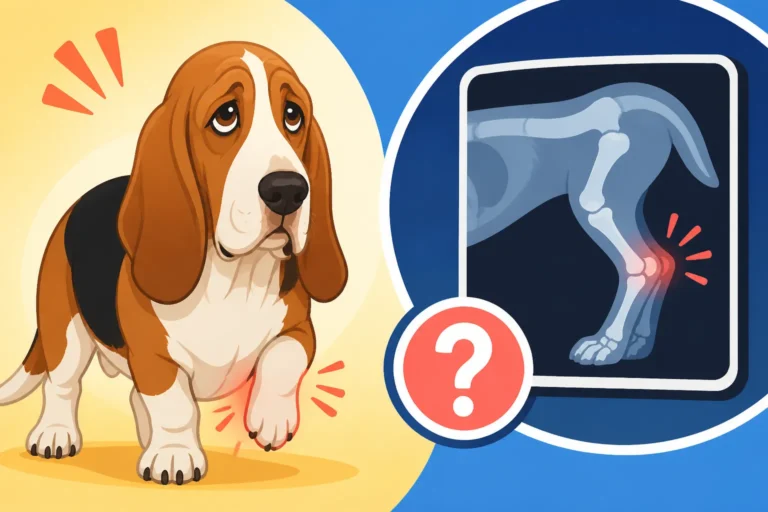
Few things are as heart-wrenching as watching your beloved Basset Hound struggle with back pain or, worse, suddenly lose the use of their legs. Intervertebral Disc Disease (IVDD) is a common, often devastating, condition in our long-bodied, short-legged friends, and when it strikes, one of the most pressing and terrifying questions is whether disc surgery is truly worth the significant emotional and financial toll. This guide will delve deep into the realities of IVDD surgery, helping you understand what it entails, its potential outcomes, and how to make the best decision for your unique Basset Hound.
Understanding Intervertebral Disc Disease (IVDD) in Basset Hounds
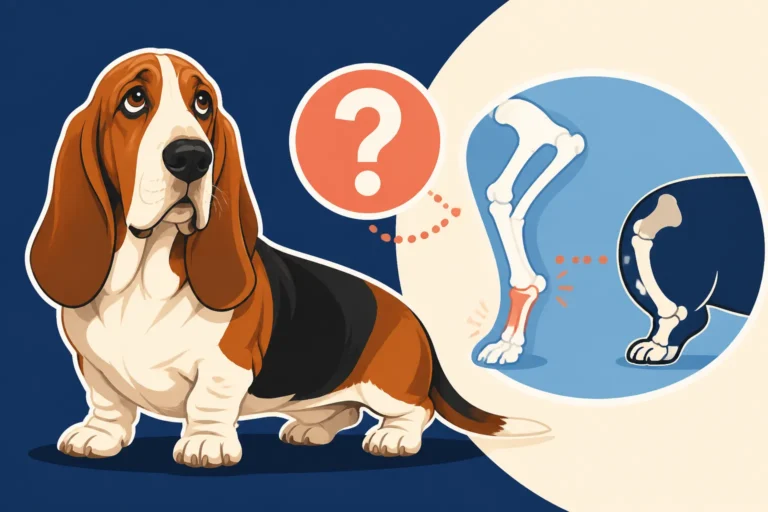
Intervertebral Disc Disease, or IVDD, is a degenerative condition that affects the spinal discs in dogs. These discs act as cushions between the vertebrae, allowing for flexibility and absorbing shock. When these discs degenerate, they can either bulge or rupture into the spinal canal, pressing on the delicate spinal cord. For a Basset Hound owner, this isn't just a technical term; it's a terrifying reality that can strike suddenly and leave your dog in agonizing pain or even paralyzed.
Why Basset Hounds Are Prone to Disc Problems
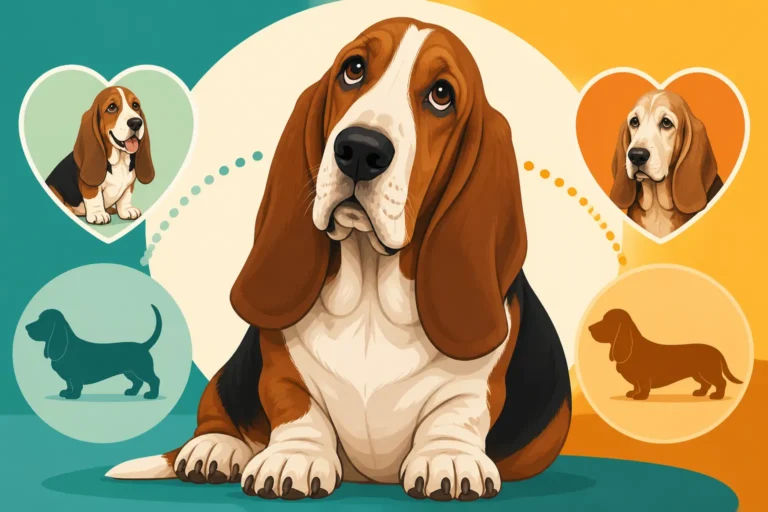
Our sweet Basset Hounds are, unfortunately, genetically predisposed to IVDD, a characteristic they share with other chondrodystrophic breeds like Dachshunds and Corgis. This means their cartilage development is abnormal, causing the discs to prematurely harden and become calcified. Instead of soft, jelly-like cushions, their discs turn rigid and brittle, much like dried-out bread. This process can start quite early in life, making them ticking time bombs for disc herniation.
The very anatomy that makes Basset Hounds so distinctive – their wonderfully long backs and short, sturdy legs – also puts immense stress on their spinal columns. Every movement, every jump, every wobble places strain on those already compromised discs. It’s not a matter of if a disc might rupture, but often when and where along that magnificent, low-slung back. Understanding The Back Trouble a Basset Hound Is Built Into is crucial for any owner, as it highlights the inherent vulnerabilities of the breed.
Recognizing the Signs of a Slipped Disc
Identifying the signs of IVDD early can be critical for a better prognosis, whether you opt for conservative management or surgery. The symptoms can range dramatically depending on the severity and location of the disc herniation. You might first notice subtle changes: a reluctance to jump, hesitation to go up or down stairs, or an unusual stiffness in their gait. They might cry out when picked up or when you touch their back.
As the condition progresses, or if the rupture is sudden and severe, symptoms can become more alarming. Your Basset Hound might arch their back, tremble, refuse to move, or even become completely paralyzed in their hind legs. They might drag their paws, stumble, or seem uncoordinated. Sometimes, the pain is so intense that they pant heavily and refuse to eat or drink. Losing bladder or bowel control is an emergency sign, indicating severe spinal cord compression. It's incredibly distressing to witness, and knowing The Signs a Basset Hound Has Hurt Its Back can prompt immediate action.
Diagnosing IVDD: What Your Vet Will Do
When you rush your Basset Hound to the vet with suspected IVDD, the diagnostic process usually begins with a thorough physical and neurological examination. Your veterinarian will check your dog's reflexes, pain response, and ability to coordinate their limbs. They'll also gently palpate your Basset Hound's spine to pinpoint areas of pain.
While X-rays can show calcified discs and rule out other bone issues, they typically don't show the actual soft tissue disc herniation that presses on the spinal cord. For a definitive diagnosis, especially if surgery is being considered, advanced imaging is almost always necessary. This means a trip to a specialist for an MRI (Magnetic Resonance Imaging) or a myelogram, which involves injecting contrast dye into the spinal canal to highlight the compression. These diagnostics are not inexpensive, with What a Basset Hound's MRI Costs being a significant initial outlay, but they are essential for surgical planning, as they show the exact location and severity of the disc material causing the problem.
Navigating Treatment Options: Conservative Care vs. Surgery
Once IVDD is diagnosed, your veterinarian will discuss the available treatment paths. This is where the truly tough decisions begin, as both conservative management and surgical intervention come with their own set of pros, cons, and significant commitments. It’s important to remember that every Basset Hound’s case is unique, and what works for one might not be suitable for another.
When Conservative Management is the Right Choice
Conservative management typically involves strict crate rest, pain medication, and anti-inflammatory drugs. The goal is to reduce swelling around the spinal cord, allow the disc to retract (if possible), and give the body time to heal. "Strict crate rest" isn't just a suggestion; it means your Basset Hound should be confined to a small crate, only coming out for short, leashed potty breaks, often for several weeks, if not months. This is incredibly difficult for active Basset Hounds, who might resist the confinement.
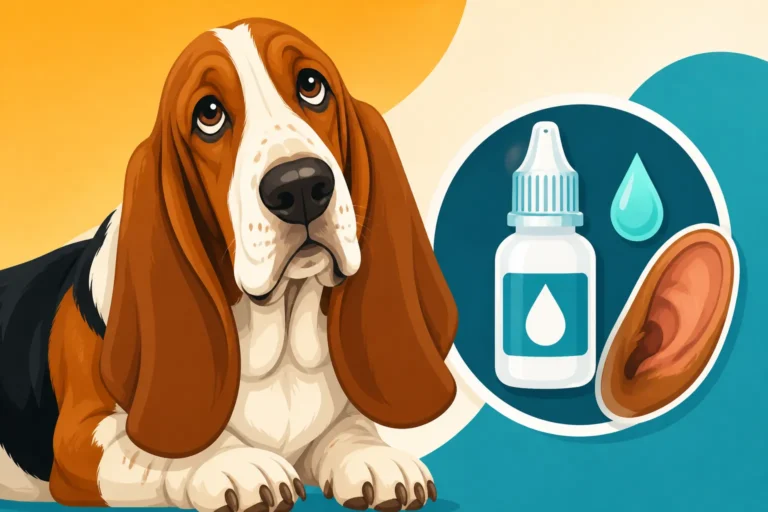
Conservative care is usually recommended for Basset Hounds with mild pain and no neurological deficits, or only very minor weakness. It can also be an option for dogs who are not surgical candidates due to other health issues or advanced age, or when surgery is simply not an option for the owner for various reasons. While less invasive and less costly upfront, conservative management requires immense dedication from owners to enforce the strict rest. The risk of the condition worsening or recurring is also higher, and some dogs may never fully regain comfort or mobility, leaving owners wondering if they could have done more. This is particularly relevant when considering the long-term struggle, which is why topics like Whether a Basset Hound Needs Lifelong Ear Medication, though about ears, highlights the concept of ongoing management for chronic conditions.
The Surgical Procedure for IVDD
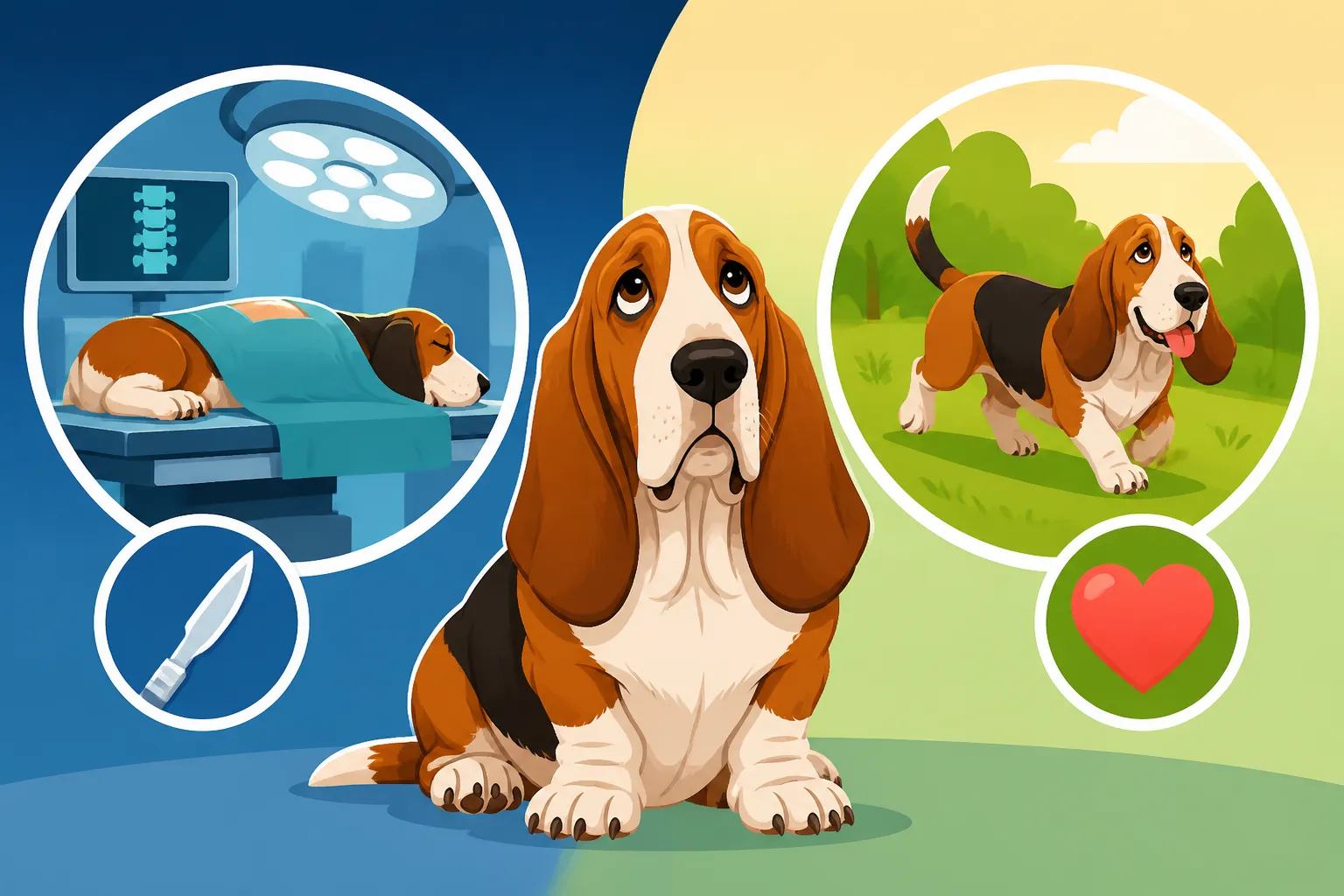
For Basset Hounds with severe pain, significant neurological deficits, or paralysis, surgery often offers the best chance at recovery and a pain-free life. The most common surgical procedure for IVDD in Basset Hounds is a hemilaminectomy, where a portion of the vertebral bone is carefully removed to allow access to the spinal canal. The herniated disc material that is compressing the spinal cord is then meticulously removed. The goal is to decompress the spinal cord, alleviate pain, and restore neurological function.
This is a highly specialized surgery, usually performed by a veterinary neurologist or orthopedic surgeon. It's not a quick fix; the procedure itself can be complex, and the recovery process is extensive. However, the potential benefits are significant. For many Basset Hounds, surgery offers immediate pain relief and can prevent further, irreversible damage to the spinal cord. It can dramatically improve their quality of life and give them back their ability to walk. Many owners find the investment in this procedure justifiable when faced with a beloved pet in severe distress.
Weighing the Risks and Benefits of Surgery
Deciding on surgery is a monumental decision, and it’s natural to feel overwhelmed. There are genuine risks involved, as with any major surgery. Anesthesia, while generally safe, always carries a small risk. Post-operative complications can include infection at the surgical site, continued pain, or, in rare cases, further neurological damage. There's also the possibility of recurrence at another disc space down the line, although the immediate surgical site is typically stabilized. It's a heavy thought, knowing that What Disc Surgery Costs on a Basset Hound is not just a sum, but an investment with inherent risks.
However, the benefits often outweigh these risks for suitable candidates. For Basset Hounds with acute, severe IVDD, surgery can be life-changing, leading to a much faster and more complete recovery of function compared to conservative management alone. It can resolve agonizing pain and restore mobility, giving your Basset Hound back their zest for life. The success rates for pain relief are generally very high, and many dogs regain the ability to walk and enjoy a good quality of life, even if they don't return to 100% pre-injury mobility. It's a pathway to relieving profound suffering and offering a brighter future for your furry family member.
The Cost and Commitment of Basset Hound Disc Surgery
Let's be candid: Basset Hound disc surgery is not cheap. The financial aspect is often a major concern for owners, and rightly so. Beyond the initial sticker shock, it’s also a significant commitment of time and emotional energy. Being prepared for this reality is crucial for making an informed decision.
Breaking Down the Financial Investment
The cost of IVDD surgery for a Basset Hound can vary widely depending on your location, the veterinary specialist's fees, the severity of the condition, and the length of hospitalization required. Generally, you can expect the total bill to be several thousands of dollars. This includes the initial consultation with the specialist, the advanced imaging like MRI (which, as mentioned, is costly), the surgical procedure itself, anesthesia, post-operative medications, and several days of hospitalization.
Then, you have the rehabilitation. Physical therapy, hydrotherapy, and follow-up vet visits are all essential parts of the recovery, and these expenses add up. While the initial surgical cost can be daunting, companies like Healthy Paws offer pet insurance plans that can significantly alleviate the financial burden of such emergency procedures, covering a large percentage of veterinary bills once your deductible is met. It’s definitely something worth looking into proactively, because What Back Surgery Costs a Basset Hound Owner can be a sum that blindsides unprepared families.
Here's a simplified comparison of typical costs and commitment for IVDD treatment:
| Feature | Conservative Management (Mild Cases) | Surgical Intervention (Moderate to Severe) |
|---|---|---|
| Initial Diagnostic (MRI) | Potentially optional (if signs are mild and clear) | Essential for surgical planning ($2,500 – $5,000+) |
| Procedure Cost | Medications only (pain relievers, muscle relaxers) | Surgery, anesthesia, hospitalization ($4,000 – $8,000+) |
| Recovery Supplies | Crate, orthopedic bedding, pee pads | Crate, orthopedic bedding, harness, sling |
| Rehabilitation | Limited home exercises, follow-up vet checks | Intensive physical therapy, hydrotherapy ($1,000 – $3,000+) |
| Total Estimated Cost | $500 – $2,000 (over several months) | $7,500 – $15,000+ (initial + rehab) |
| Time Commitment | Strict crate rest 4-8 weeks, gradual activity | Strict confinement 4-8 weeks, intensive daily rehab |
| Pet Insurance Help | Covers medications, vet visits | Significantly reduces out-of-pocket for surgery & rehab |
Note: These are estimates and can vary significantly.
The Post-Operative Recovery Journey
Surgery is only the first step. The post-operative recovery period is often the most challenging, demanding unwavering commitment and patience from you as the owner. Your Basset Hound will typically need strict crate rest for several weeks after surgery to allow the spinal cord to heal and prevent re-injury. This means carrying them outside for potty breaks, keeping them away from stairs, and preventing any jumping or rough play. It’s hard to keep a Basset Hound still, even when they’re recovering from something as serious as Intervertebral Disc Disease in a Basset Hound.
Physical rehabilitation is absolutely critical for a successful recovery. This might include passive range of motion exercises, massage, stretching, balance exercises, and hydrotherapy (underwater treadmill) to help rebuild muscle mass and coordination without putting excessive strain on the spine. This can last for several weeks or even months. The dedication to this process is immense, but it is what often makes the difference between a good and an excellent outcome. You’ll become intimately familiar with how to safely move and support your dog, understanding that How to Lift a Basset Hound Safely is a skill every owner should master, especially during recovery.
Life After Surgery: What to Expect Long-Term
For many Basset Hounds, disc surgery leads to a significant improvement in quality of life, often allowing them to return to a relatively normal, active routine. However, "normal" might look a little different. They may always be prone to future disc issues, so preventative measures become a lifelong commitment. This includes strict weight management – What Extra Weight Does to a Basset Hound is something to always be mindful of – and continued vigilance against jumping off furniture or other activities that stress the back. Ramps for the couch and car are often a permanent fixture in the home.
Some Basset Hounds may not fully regain 100% of their neurological function. They might still have a slightly wobbly gait, proprioceptive deficits (not knowing where their feet are), or require ongoing physical therapy. In severe cases, especially if paralysis was complete before surgery, a Basset Hound might need a specialized cart to get around. While this can seem daunting, it's incredible how adaptable and happy dogs can be with a cart, proving that Whether a Paralyzed Basset Hound Walks Again isn't the only measure of a good life. Even with permanent limitations, a pain-free Basset Hound who can move around, play, and engage with their family often has a wonderfully rich and happy life after surgery.
Making the Difficult Decision: Is Surgery Worth It?
This is the million-dollar question, and there's no single, easy answer. The "worth" of surgery is highly personal, blending financial considerations with emotional capacity, your Basset Hound's specific prognosis, and your commitment to the recovery process.
Factors to Consider for Your Basset Hound
When deliberating whether to proceed with disc surgery, several critical factors should weigh heavily on your mind. First and foremost is the severity of your Basset Hound's condition. For dogs with complete paralysis or rapidly worsening neurological deficits, immediate surgery often offers the best chance of recovery. Delaying can lead to irreversible damage to the spinal cord. Conversely, for very mild cases, conservative management might be a viable, less invasive first step.
Consider your Basset Hound's age and overall health. A younger, otherwise healthy Basset Hound typically has a better prognosis and tolerance for surgery and the extensive recovery. An older dog with pre-existing heart conditions or other health issues might face higher anesthetic risks. Their temperament also plays a role – a calm, cooperative Basset Hound will generally fare better with strict crate rest and physical therapy than a high-energy, stubborn one. Pet insurance, like the comprehensive coverage offered by Healthy Paws, can also be a significant factor, making an otherwise impossible financial decision manageable.
Quality of Life and Prognosis
Ultimately, the core of this decision boils down to your Basset Hound's future quality of life. What kind of life can you realistically expect for them after surgery? What if you choose conservative management and it fails? These are tough questions. Discuss the prognosis thoroughly with your veterinary neurologist. They can give you an honest assessment of the likelihood of regaining ambulation, controlling pain, and avoiding recurrence based on the degree of spinal cord compression and the duration of symptoms.
For many owners, seeing their Basset Hound free from pain, able to move, even with some limitations, is priceless. It means they can still enjoy their favorite smells on walks, cuddle on the couch (with a ramp, of course!), and be a happy, engaged member of the family. If the alternative is chronic pain, progressive paralysis, or euthanasia, then surgery, despite its challenges, often represents the path to a significantly better quality of life. Sometimes, the peace of mind knowing you gave your beloved companion the best possible chance is worth every penny and every sleepless night during recovery.
Support Systems and Resources
You don't have to go through this alone. Caring for a Basset Hound with IVDD, especially post-surgery, is a demanding journey, and having a strong support system is invaluable. Your veterinary team, including your primary vet, the specialist surgeon, and the rehabilitation therapists, will be your primary guides. Don't hesitate to ask them all your questions, no matter how small they seem. They are there to help you understand every step of the process, from What Physical Therapy Costs a Basset Hound Owner to daily care routines.
Online communities and support groups for owners of dogs with IVDD can also be incredibly helpful. Sharing experiences, asking for advice, and finding emotional support from people who truly understand what you're going through can make a huge difference. Organizations dedicated to spinal cord injuries in pets often provide resources and guidance. Remember that proactive measures, like ensuring your Basset Hound doesn't jump off high surfaces – understanding Whether a Basset Hound Should Jump Off Furniture is a lifelong lesson – can mitigate future risks. Pet insurance providers like Healthy Paws also often have resources and support available to help navigate these stressful times, extending beyond just financial reimbursement to advice and assistance.
Disclaimer
The information provided in this article is for general informational purposes only and is not intended as a substitute for professional veterinary advice. Always consult with a qualified veterinarian or veterinary specialist for any health concerns or before making any decisions about your Basset Hound's medical care.