Whether a Thrombopathic Basset Hound Can Be Operated On
It’s a deeply unsettling moment when your beloved Basset Hound needs surgery, and then you discover they have a bleeding disorder like thrombopathia. The worry can be overwhelming: can they even undergo an operation safely? This guide is here to walk you through what thrombopathia means for surgical procedures, the critical precautions, and how to work with your veterinary team to ensure the best possible outcome for your furry friend.
Understanding Thrombopathia in Basset Hounds
Finding out your Basset Hound has a bleeding disorder can be a shock, especially if it only comes to light when surgery is on the horizon. Thrombopathia is one such condition that many Basset owners aren't even aware of until a crisis hits. It’s not about not having enough platelets, which are those tiny cells that help your blood clot; it’s about those platelets not working correctly. They might be present in normal numbers, but they just can't do their job of clumping together to form a stable clot, which is absolutely essential to stop bleeding, particularly during and after an operation.
What is Thrombopathia and How Does It Affect Blood Clotting?
Thrombopathia is essentially a platelet function disorder. Think of it like this: your Basset Hound's body has all the building blocks (platelets) for a strong wall (a blood clot), but the glue holding those blocks together just isn't sticky enough. This means that even a minor cut or bruise can lead to prolonged bleeding, and a significant event like surgery can become incredibly dangerous. Unlike some other bleeding disorders, such as hemophilia, which involves clotting factor deficiencies, or Von Willebrand disease, which affects a specific protein crucial for platelet adhesion, thrombopathia specifically targets the function of the platelets themselves. This distinction is vital because it impacts how veterinarians approach diagnosis and treatment.
Identifying the Signs of a Bleeding Disorder Before Surgery
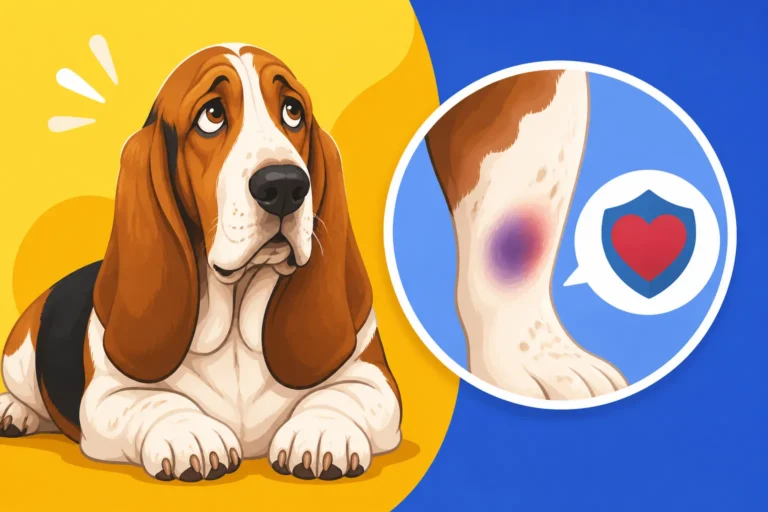
Sometimes, a Basset Hound with thrombopathia might go through life with no major issues, only exhibiting subtle signs or none at all until a stressful event like surgery or an injury occurs. However, there are often clues if you know what to look for. You might notice your Basset bruises easily, seemingly out of nowhere, or develops larger-than-expected bruises from minor bumps. Prolonged bleeding from small cuts, scrapes, or even when a nail is trimmed too short can be a red flag. Nosebleeds, blood in their urine or stool, or bleeding gums during chewing are also concerning symptoms that warrant immediate veterinary attention.
It’s truly a relief that proactive screening can often catch this condition before it becomes an emergency. If your Basset Hound has any history of unusual bleeding, or if you're planning an elective surgery like a spay or neuter, it's incredibly important to discuss these concerns with your vet. Many breeders now advocate for pre-surgical screening for bleeding disorders, especially in breeds known to carry certain genetic predispositions. For this reason, many responsible breeders will test their stock, and it’s worth asking about this before you even bring a puppy home.
The Risks of Surgery for a Thrombopathic Basset Hound
The thought of your Basset Hound going under the knife is stressful enough, but adding a bleeding disorder like thrombopathia elevates that anxiety to a whole new level. It changes a routine procedure into a potentially high-risk situation, requiring extensive preparation and vigilant monitoring. The primary concern is, of course, the inability of the blood to clot effectively, leading to significant complications during and after the operation.
Potential Complications During and After Operation
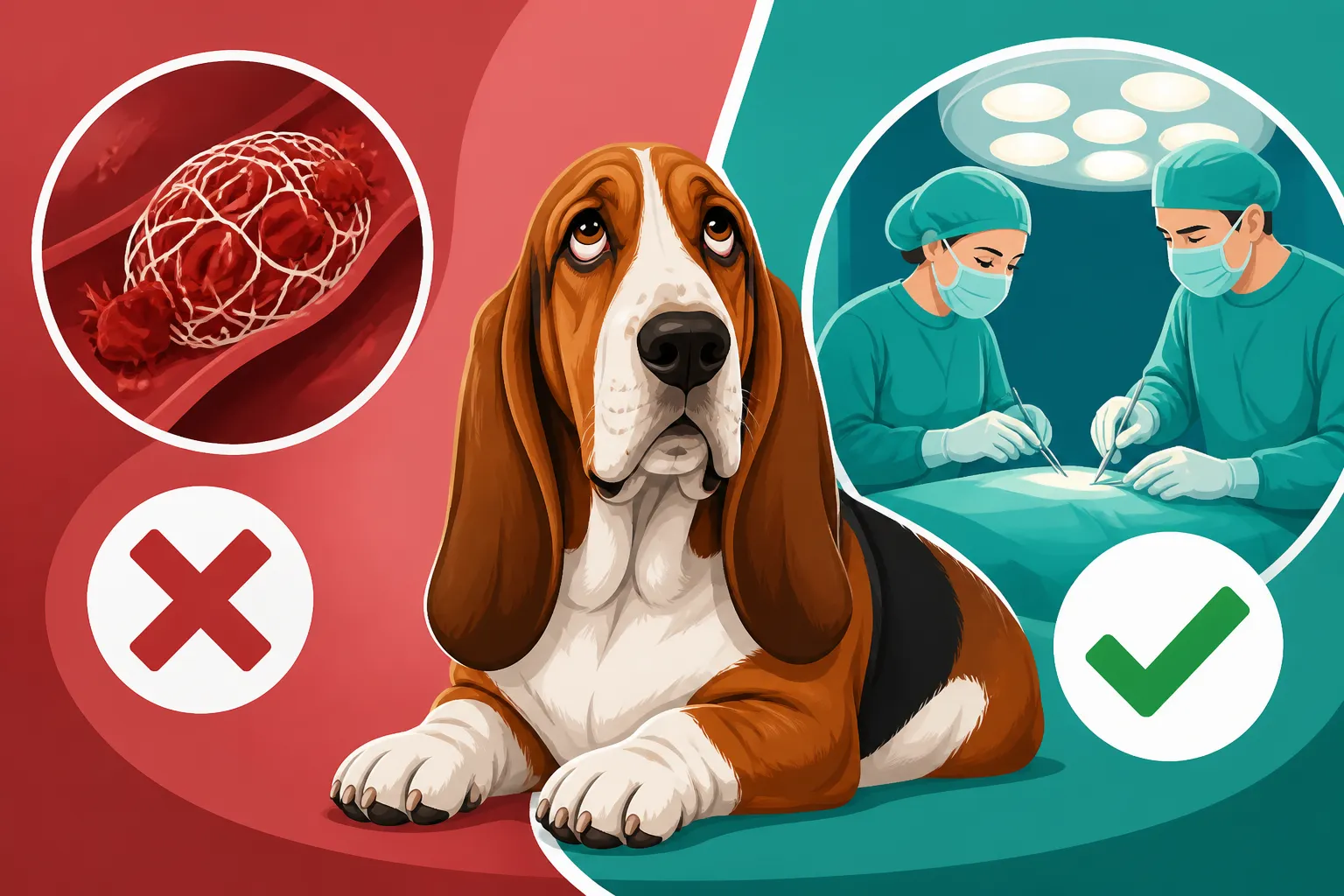
During surgery, the main complication is excessive hemorrhage. Normal surgical incisions cause bleeding, but a healthy dog’s clotting system quickly controls it. In a thrombopathic Basset Hound, this control mechanism is faulty. Even the most skilled surgeon can face challenges if the blood doesn’t clot. This can lead to increased blood loss, requiring transfusions, and prolonging anesthesia time, which carries its own risks. The period immediately after surgery is just as critical. The incision sites, both external and internal, can continue to ooze or bleed. This persistent bleeding can lead to the formation of hematomas (collections of blood under the skin) or even internal bleeding that might not be immediately obvious. These complications can necessitate additional emergency surgeries, extend recovery times, and significantly increase medical costs. Pet insurance providers like Healthy Paws can be a real lifeline in these unexpected, high-cost scenarios.
Why Routine Procedures Become High-Stakes
For a Basset Hound with thrombopathia, even what seems like a standard, low-risk procedure suddenly becomes a high-stakes event. A routine spay or neuter, typically straightforward, now carries a much higher risk of life-threatening hemorrhage. The same goes for removing a benign lump, repairing a minor injury, or even deep dental cleaning that often involves gumline work. What might be a simple outpatient procedure for another dog turns into one requiring intensive pre-operative preparation and post-operative monitoring. For instance, dental work, which is common in Basset Hounds, can easily cause uncontrolled bleeding if not managed properly. Owners often ask about bleeding after surgery, and for a thrombopathic Basset, this concern is amplified exponentially.
Strategies for Safe Surgery in a Thrombopathic Basset Hound
Navigating surgery for a Basset Hound with thrombopathia requires a meticulous, multi-pronged approach. It’s not about avoiding surgery at all costs, especially when it’s medically necessary, but about implementing every possible safeguard. This involves thorough pre-surgical testing, specific medical interventions, and choosing a veterinary team that is experienced and well-equipped to handle such cases.
Pre-Surgical Screening and Diagnostic Steps
The cornerstone of safe surgery for a thrombopathic Basset Hound is comprehensive pre-surgical screening. This isn't just a basic blood panel; it involves specific tests to evaluate the clotting cascade and platelet function.
Here's a breakdown of common tests:
| Test Name | What It Measures | Why It's Important for Thrombopathia |
|---|---|---|
| Complete Blood Count (CBC) | Platelet count, red/white blood cells | Confirms platelet numbers are adequate, rules out other issues |
| Buccal Mucosal Bleeding Time (BMBT) | Time it takes for a small incision to stop bleeding | Directly assesses in vivo platelet function (how well they plug holes) |
| Platelet Function Analyzer (PFA-100) | Measures platelet plug formation in vitro | More objective assessment of platelet function than BMBT |
| Coagulation Profile (PT/aPTT) | Tests intrinsic & extrinsic clotting pathways | Rules out other clotting factor deficiencies (e.g., hemophilia) |
| Specific Thrombopathia Test | Genetic test for the Basset Hound variant | Confirms the specific genetic mutation for thrombopathia |
A positive result on a BMBT or PFA-100, especially when combined with a normal platelet count, strongly suggests thrombopathia. Confirmation with a genetic test for the specific Basset Hound thrombopathia mutation is ideal. This comprehensive diagnostic approach allows your veterinary team to understand the exact nature of the bleeding disorder and tailor their surgical plan accordingly. Many vets recommend this approach if there's any suspicion of a bleeding disorder.
Managing Bleeding Risk: Medications and Transfusions
Once thrombopathia is confirmed, the veterinary team will focus on strategies to mitigate bleeding risk. This often involves a combination of medications and, potentially, blood product transfusions.
- Desmopressin (DDAVP): This synthetic hormone can sometimes be administered before surgery. While primarily used for Von Willebrand disease, some Bassets with thrombopathia may show a temporary improvement in platelet function after DDAVP administration. Its effectiveness varies, so a trial run might be performed.
- Antifibrinolytic agents (e.g., Amicar, Tranexamic Acid): These medications work by preventing the breakdown of clots once they've formed, providing an extra layer of protection against persistent bleeding. They are often given before, during, and after surgery.
- Fresh Frozen Plasma (FFP): While thrombopathia isn't about lacking clotting factors, FFP can provide additional proteins that might indirectly support clot stability.
- Platelet-Rich Plasma (PRP) or Platelet Transfusions: The most direct approach is to provide healthy, functional platelets from a donor. This is often done immediately before or during surgery to ensure the Basset Hound has enough working platelets to form a clot. This requires a readily available blood bank or donor dogs.
- Cryoprecipitate: This blood product is rich in von Willebrand factor and some clotting factors, and can sometimes be used in conjunction with other treatments.
It's crucial to understand that these interventions are designed to manage the risk, not eliminate it entirely. Your vet will weigh the pros and cons of each, considering the urgency and invasiveness of the surgery.
Choosing the Right Veterinary Team and Facility
For a thrombopathic Basset Hound, selecting the right veterinary team and facility is paramount. This isn't a situation for just any general practice clinic. You need a team that has experience with complex coagulation disorders. Look for a facility with:
- Board-certified surgeons: These specialists have advanced training and experience in intricate procedures and managing complications.
- Critical care specialists and 24/7 monitoring: Post-operative care for a thrombopathic patient is intensive. Access to critical care staff and round-the-clock monitoring is non-negotiable.
- In-house blood bank or immediate access to blood products: The ability to perform transfusions rapidly can be life-saving.
- Advanced diagnostic capabilities: Access to specialized coagulation testing equipment is essential for monitoring and guiding treatment.
Don't hesitate to ask your primary veterinarian for a referral to a specialty veterinary hospital. Discussing their experience with bleeding disorders and the specific protocols they have in place is crucial. This proactive approach significantly improves your Basset Hound's chances of a successful outcome. The costs associated with such specialized care can be substantial, making reliable pet insurance like Healthy Paws an invaluable asset for many owners. It’s also wise to know these costs when budgeting for your Basset's care.
Post-Operative Care and Long-Term Outlook
Even after a successful surgery, the journey for a thrombopathic Basset Hound isn't over. The post-operative period is just as critical, requiring vigilant monitoring and careful management to prevent complications. Moreover, living with thrombopathia means making certain adjustments to your Basset's care for the rest of their life.
Monitoring and Recovery at Home
Once your Basset Hound is home, your role in their recovery becomes vital. Your veterinary team will provide detailed instructions, but generally, you'll need to closely watch for any signs of bleeding. This includes:
- Incision site: Check regularly for excessive oozing, swelling, or redness beyond what’s normal for healing. A small amount of redness or light discharge can be normal, but any significant bleeding or rapidly growing swelling needs immediate attention.
- Bruising: Monitor for new or expanding bruises, especially in areas not directly involved in the surgery.
- General demeanor: Watch for lethargy, weakness, pale gums (which can indicate blood loss), or any signs of pain that aren't controlled by prescribed medication.
- Elimination: Check for blood in urine or stool.
Strict adherence to post-operative medication schedules, including pain relief and any prescribed anti-bleeding agents, is crucial. Restricting activity as advised by your vet is also paramount to prevent accidental injury or disruption of the healing clot. Even a simple bump could restart a bleed. Understanding this risk is crucial, especially for a Basset with this condition.
Living with Thrombopathia
Thrombopathia is typically a lifelong condition, meaning you’ll need to adopt a proactive approach to your Basset Hound’s care to minimize future bleeding episodes.
- Medication Avoidance: Certain medications are known to inhibit platelet function and must be strictly avoided. The most common culprits are non-steroidal anti-inflammatory drugs (NSAIDs) like aspirin, ibuprofen, and sometimes even prescription NSAIDs if not carefully managed. Always inform any veterinarian or specialist treating your Basset about their thrombopathia before any medication is prescribed.
- Safe Environment: Try to minimize opportunities for injury. This might mean cushioning sharp furniture corners, avoiding rough play, and ensuring a safe, supervised outdoor environment.
- Routine Veterinary Care: Regular check-ups are essential. Your vet can monitor your Basset's overall health and discuss any new concerns. Keep detailed records of any bleeding episodes to share with your vet.
- Emergency Preparedness: Have an emergency plan in place, including contact information for your veterinary emergency clinic and a clear summary of your Basset's condition, medications, and contact information for your regular vet. This information should be readily accessible.
- Informing Others: Ensure anyone caring for your Basset, such as pet sitters or dog walkers, is fully aware of their condition and the necessary precautions.
While living with a thrombopathic Basset Hound requires extra vigilance, it's absolutely manageable with the right knowledge, a dedicated veterinary team, and careful daily practices. Many dogs with this condition lead full, happy lives. Awareness, proactive screening, and diligent care are truly the keys to their well-being. Knowing this can really make a difference for a responsible owner.
Disclaimer
This article is intended for informational purposes only and does not constitute medical advice. Always consult with a qualified veterinarian for any health concerns or before making any decisions about your pet's medical care.