Whether a Basset Hound Bruises Easily
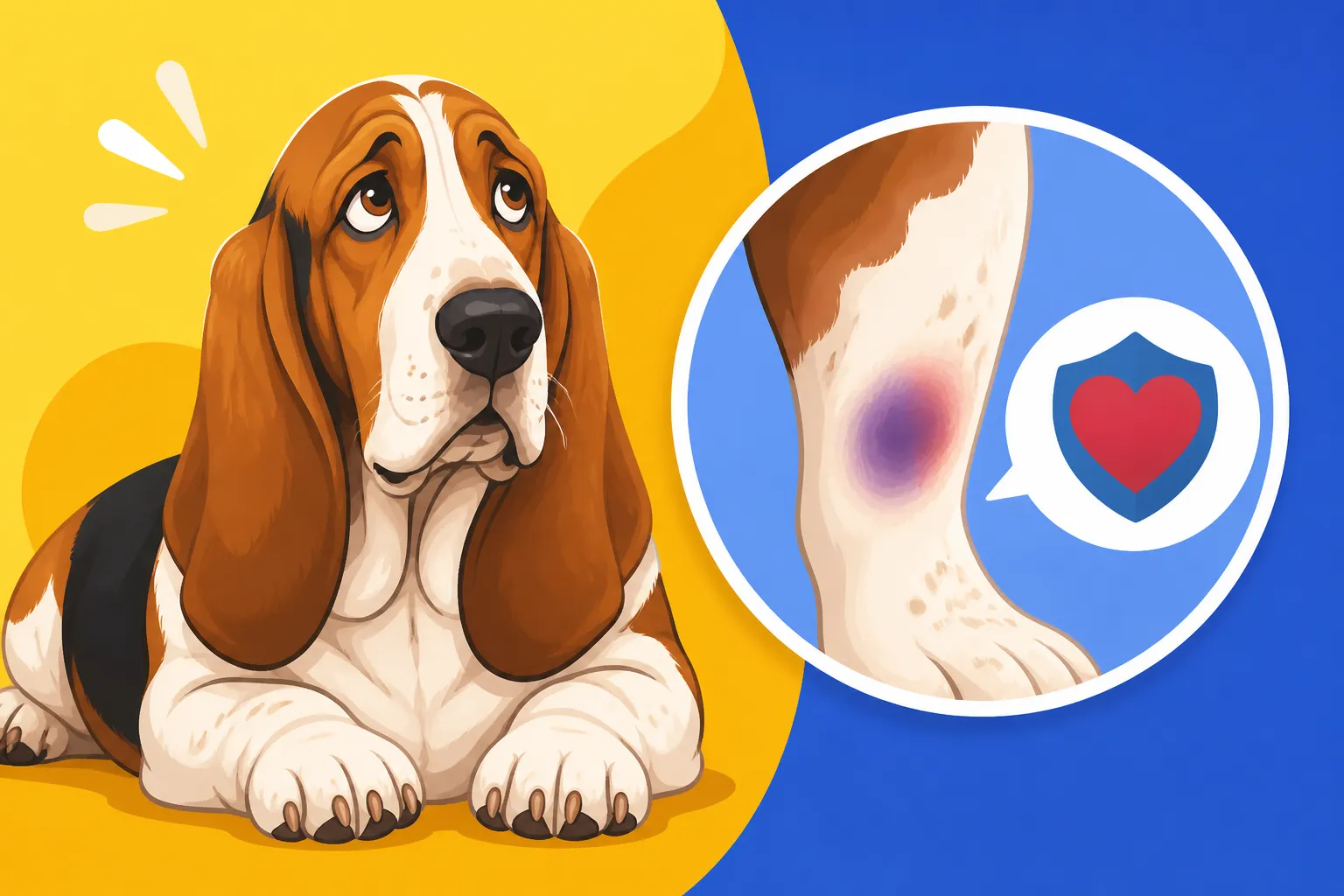
It’s a common worry for Basset Hound parents: you spot a dark mark on their floppy ear or a bruise on their side and immediately your heart leaps into your throat. These wonderful, lumbering hounds often seem to collect bumps and scrapes, leaving us wondering if they’re just clumsy or if there’s a deeper reason why they might bruise more easily than other breeds. This guide dives into the unique physical characteristics and potential underlying health conditions that contribute to a Basset Hound's susceptibility to bruising, offering peace of mind and practical advice.
The Basset Hound's Predisposition to Bumps and Bruises
Let's be honest, Basset Hounds aren't exactly known for their delicate nature when navigating the world. They're built low to the ground, with heavy bone, and those magnificent, long ears and loose skin can sometimes work against them. This physical design, combined with their sometimes-clumsy demeanor, creates a perfect storm for accidental bumps and the bruises that follow. It's not always a sign of something serious, but understanding their unique physical traits can help you recognize normal wear and tear versus a cause for concern.
Those Long, Floppy Ears Are Targets
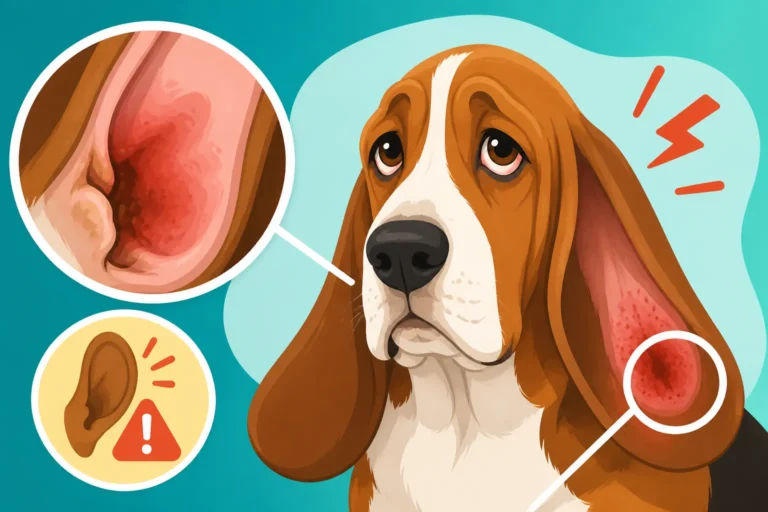
Anyone living with a Basset Hound knows their ears are a defining feature – long, velvety, and irresistibly droopy. While they're fantastic for sweeping scents, they also happen to be incredibly vulnerable. Think about it: they drag on the ground, get stepped on (sometimes by the Basset themselves, which is why you might wonder whether a Basset Hound steps on its own ears!), get caught under furniture, and can even get snagged during enthusiastic play. These minor traumas can easily lead to bruising or even more significant issues like an aural hematoma, which is essentially a large blood blister that forms between the skin and cartilage of the ear flap, often after vigorous head shaking. The skin on the ears, while thick, is still susceptible to capillaries breaking beneath the surface, showing up as a discoloration.
Moreover, the sheer weight and length of their ears mean they get jostled around quite a bit. If your Basset shakes its head a lot, especially if they have chronic ear issues (and let's face it, many do; you've probably worried about The Ear Infections That Never Really Leave a Basset Hound), that constant flapping can cause minor internal trauma. You might notice dark spots or tenderness along the ear flap, often just from the everyday life of being a Basset Hound.
Loose Skin and a Clumsy Gait
Basset Hounds are famous for their abundance of loose skin, from their dewlaps to their wrinkled brows. While this contributes to their endearing charm, it also means there's a lot of skin that can get caught, stretched, or pinched. This loose skin can make it harder to spot smaller bruises initially, as they might be hidden deep within a fold, but it also makes them more prone to developing them. Imagine their jowls getting caught on a thorny bush during a sniff-a-thon, or a fold of skin getting snagged on a doorframe as they lumber past.
Their distinctive, low-slung body and somewhat "crooked front" are part of their breed standard, but it also contributes to a unique gait that isn't always the most graceful. They aren't sprinters or agile jumpers; they're built for endurance and scent work. This means they can be a bit clumsy, bumping into things, tripping over their own feet, or misjudging steps, particularly as they get older. If you've ever watched a Basset Hound try to navigate stairs, you know what I mean! These little daily collisions, while usually harmless, can result in minor bruising, especially on their legs, chest, or belly where they might impact objects. It’s part of the package when you choose a breed with The Crooked Front a Basset Hound Is Built On.
When Bruising Might Signal Something More Serious
While many bruises on a Basset Hound are simply a badge of honor from a life well-sniffed and well-lived, there are times when bruising can be a red flag for an underlying health concern. It's crucial for Basset parents to know the difference and when to seek veterinary advice. Pay close attention to the nature of the bruising, how it appears, and any accompanying symptoms.
Understanding Thrombopathia: A Basset Hound Specific Concern
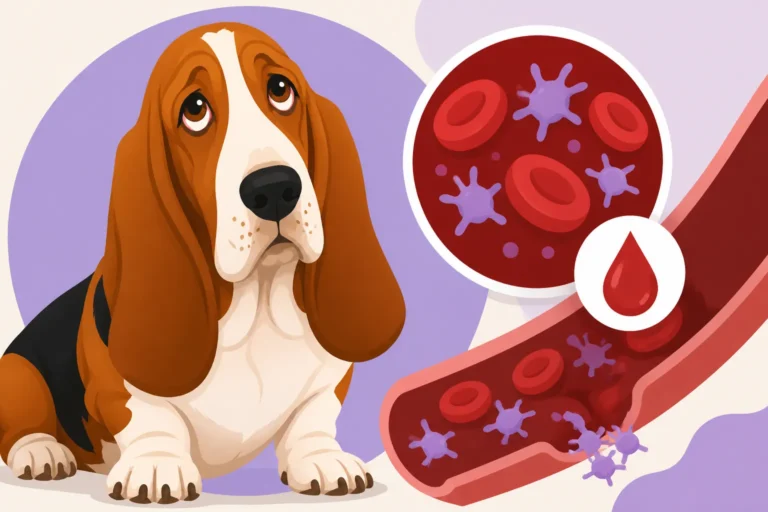
One of the most significant reasons a Basset Hound might bruise easily, or experience abnormal bleeding, is a genetic condition called Thrombopathia. This isn't just about being clumsy; it's a disorder where the platelets, which are tiny cells responsible for blood clotting, don't function properly. Even though the dog might have a normal number of platelets, their platelets don't activate correctly to form a plug at the site of an injury. This means minor bumps that wouldn't even faze another dog could lead to noticeable bruising, and more serious injuries or surgeries could result in excessive bleeding.
If your Basset Hound is bleeding more than expected after a minor cut, has nosebleeds for no apparent reason, or develops large, unexplained bruises, especially on their gums or belly, Thrombopathia should definitely be on your radar. This condition is inherited, so if you got your Basset from a reputable breeder, they should have screened for it, but it's not always the case. You can learn more about this serious condition in our article, Thrombopathia and the Basset Hound That Will Not Clot. If you suspect this is an issue, discussing Whether Thrombopathia Can Be Tested in a Basset Hound with your vet is crucial for proper diagnosis and management, especially before any procedures like spaying or neutering where Whether a Basset Hound Bleeds After Surgery becomes a critical concern.
Other Medical Conditions Leading to Easy Bruising
Beyond Thrombopathia, other medical issues can also contribute to a Basset Hound's propensity for bruising. These conditions are not unique to the breed but are important to consider if you notice unusual bruising patterns.
- Liver Disease: The liver plays a vital role in producing clotting factors. If the liver isn't functioning correctly, your dog might not produce enough of these factors, leading to easier bruising and bleeding.
- Certain Medications: Some medications, particularly NSAIDs (non-steroidal anti-inflammatory drugs) or corticosteroids, can affect platelet function or thin the blood, increasing the risk of bruising. Always discuss potential side effects with your vet.
- Autoimmune Diseases: In some autoimmune conditions, the body mistakenly attacks its own platelets, leading to a low platelet count (thrombocytopenia) and thus, easy bruising or bleeding.
- Cancer: Certain cancers, especially those affecting bone marrow or the immune system, can disrupt normal blood clotting mechanisms.
- Toxicity: Ingesting certain toxins, such as rat poison, can severely impair the blood's ability to clot, leading to widespread and severe bruising, often accompanied by other serious symptoms.
Always observe your Basset Hound closely. If bruising is accompanied by lethargy, loss of appetite, pale gums, nosebleeds, blood in urine or stool, or lameness, it's time for an immediate vet visit.
How to Help Prevent and Manage Basset Hound Bruising
While you can't completely prevent your Basset Hound from being, well, a Basset Hound, there are definitely steps you can take to minimize their risk of injury and manage any bruising that does occur. Proactive care and a keen eye for changes can make a world of difference.
Environmental Adjustments and Safety Measures
Making your home and yard as Basset-friendly as possible can significantly reduce the likelihood of accidental bumps and scrapes.
- Clear Clutter: Keep floors clear of small items they might trip over or sharp objects they could brush against. A tidy home is a safer home for a low-rider like a Basset.
- Secure Spaces: Ensure fences are secure and gates are closed to prevent escape attempts that could lead to injury. Remember, their nose rules all, and they will follow a scent almost anywhere!
- Padding and Ramps: Consider padding sharp furniture corners, especially at Basset-level. For getting on and off furniture or in and out of cars, ramps are a fantastic investment to protect their long backs and short legs, and prevent hard landings that could cause bruising or more severe injury. We've discussed this extensively in Keeping a Basset Hound Off the Furniture It Should Not Jump From.
- Supervised Play: While Bassets love to play, especially with other dogs, always supervise to prevent overly roughhousing that could lead to injury, particularly to those vulnerable ears. If you have concerns about injuries, a good pet insurance plan from providers like Healthy Paws can be a lifesaver for unexpected vet bills.
Regular Health Checks and Proactive Care
Consistent veterinary care and at-home monitoring are your best tools for early detection and prevention.
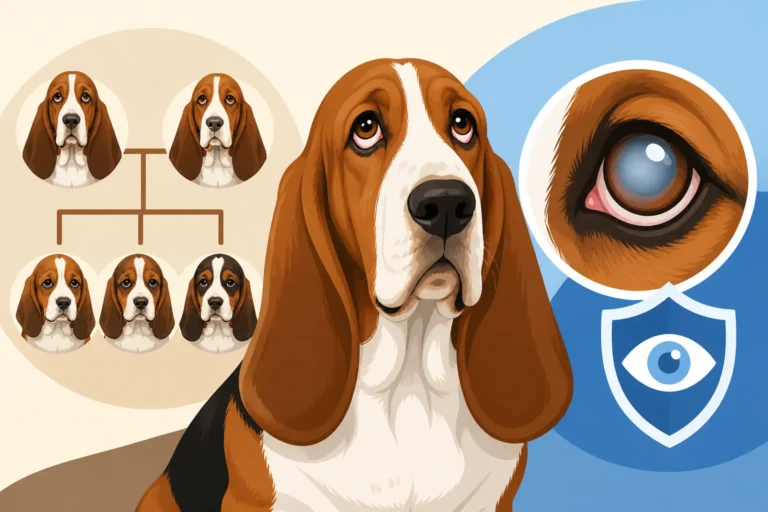
- Routine Vet Visits: Regular check-ups are vital. Your vet can spot subtle signs of underlying conditions and recommend appropriate screenings, such as for Thrombopathia if there's a family history or concerns arise. Discuss with your vet whether a Basset Hound needs a yearly eye pressure check as well, as other breed-specific health issues exist.
- Ear Care: Given their ears are frequent targets for bumps and hematomas, consistent ear cleaning and inspection are paramount. Knowing How Often a Basset Hound's Ears Must Be Cleaned and what to look for can help you catch minor issues before they become major. Gentle handling during cleaning can also prevent accidental trauma. If you notice any swelling or severe bruising on the ear flap, seek veterinary attention immediately, as this could be an aural hematoma, which often requires veterinary intervention. Healthy Paws is a great option for covering these kinds of unexpected treatments.
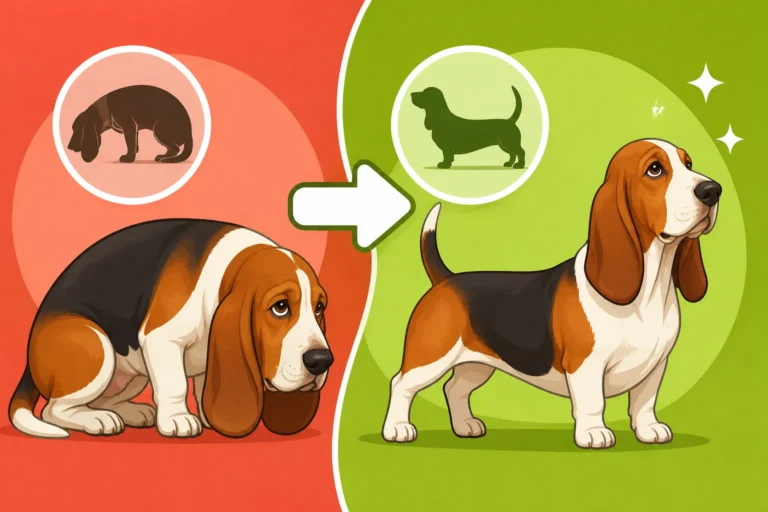
- Nutrition and Weight Management: A well-balanced diet supports overall health, including strong blood vessels and a healthy immune system. Maintaining a healthy weight helps reduce strain on their joints and improves their agility, potentially leading to fewer clumsy bumps. Being overweight also exacerbates many Basset Hound specific health issues, as explored in What Extra Weight Does to a Basset Hound.
- Grooming Checks: During grooming, take the opportunity to perform a full body check. Gently part their loose skin and check for any lumps, bumps, or unexplained bruises. Pay close attention to their belly, inner legs, and especially their ear flaps. Early detection of a small bruise or lump can sometimes prevent it from escalating.
What to Do If You Find a Bruise
When you find a bruise on your Basset Hound, don't panic immediately. Assess the situation calmly.
- Observe: Note the size, color, and location of the bruise. Is it getting bigger or smaller? Is it tender to the touch?
- Check for Other Symptoms: Is your dog acting normally? Eating, drinking, and playing as usual? Are there any other signs like lethargy, pain, or bleeding from other areas?
- Apply Cold Compress: For a fresh bruise from a known bump, a cold compress applied for 10-15 minutes a few times a day might help reduce swelling and discomfort. Ensure your Basset tolerates this.
- Monitor: Keep a close eye on the bruise over the next 24-48 hours. Most minor bruises will start to fade.
- Contact Your Vet: If the bruise is large, painful, rapidly growing, doesn't fade, is accompanied by other symptoms, or if you suspect an underlying clotting disorder like Thrombopathia, contact your veterinarian right away. Don't hesitate. It's always better to be safe, and a quick consultation can prevent a small issue from becoming a big one. For larger health concerns, pet insurance from companies like Healthy Paws can provide much-needed financial support.
Here’s a quick guide to help you differentiate between common and concerning bruising:
| Feature | Common Bruising (Minor Trauma) | Concerning Bruising (Potential Underlying Issue) |
|---|---|---|
| Cause | Known bump, scrape, rough play, ear shake, minor collision. | Unknown origin, very minor trauma (e.g., leash bump), or excessive bleeding post-injury. |
| Appearance | Small to medium, usually localized, may change color (blue/purple to green/yellow). | Large, widespread, multiple sites, spontaneous (no obvious trauma), petechiae (pinpoint red dots), purpura (larger purple patches). |
| Location | Legs, chest, ear flaps (especially if aural hematoma forms), areas prone to impact. | Gums, belly, inside of ears (not just the flap), joints, mucous membranes. |
| Associated Symptoms | Mild tenderness, dog otherwise active and normal. | Lethargy, pain, loss of appetite, pale gums, nosebleeds, blood in urine/stool, lameness, distended abdomen. |
| Progression | Slowly fades over a few days to a week. | Worsens, spreads, doesn't fade, or recurs frequently. |
| Action | Monitor, cold compress if tolerated. | Immediate veterinary visit. |
Caring for a Basset Hound means embracing their unique quirks, including their occasional clumsiness. By understanding why they might bruise easily, and by being vigilant about their health, you can ensure your beloved companion lives a happy, healthy, and mostly bruise-free life.
Disclaimer
The information provided in this article is for general informational purposes only and is not a substitute for professional veterinary advice. Always consult with a qualified veterinarian for any health concerns or before making any decisions related to your pet's health and treatment.