Whether a Basset Hound Shakes Its Head Constantly
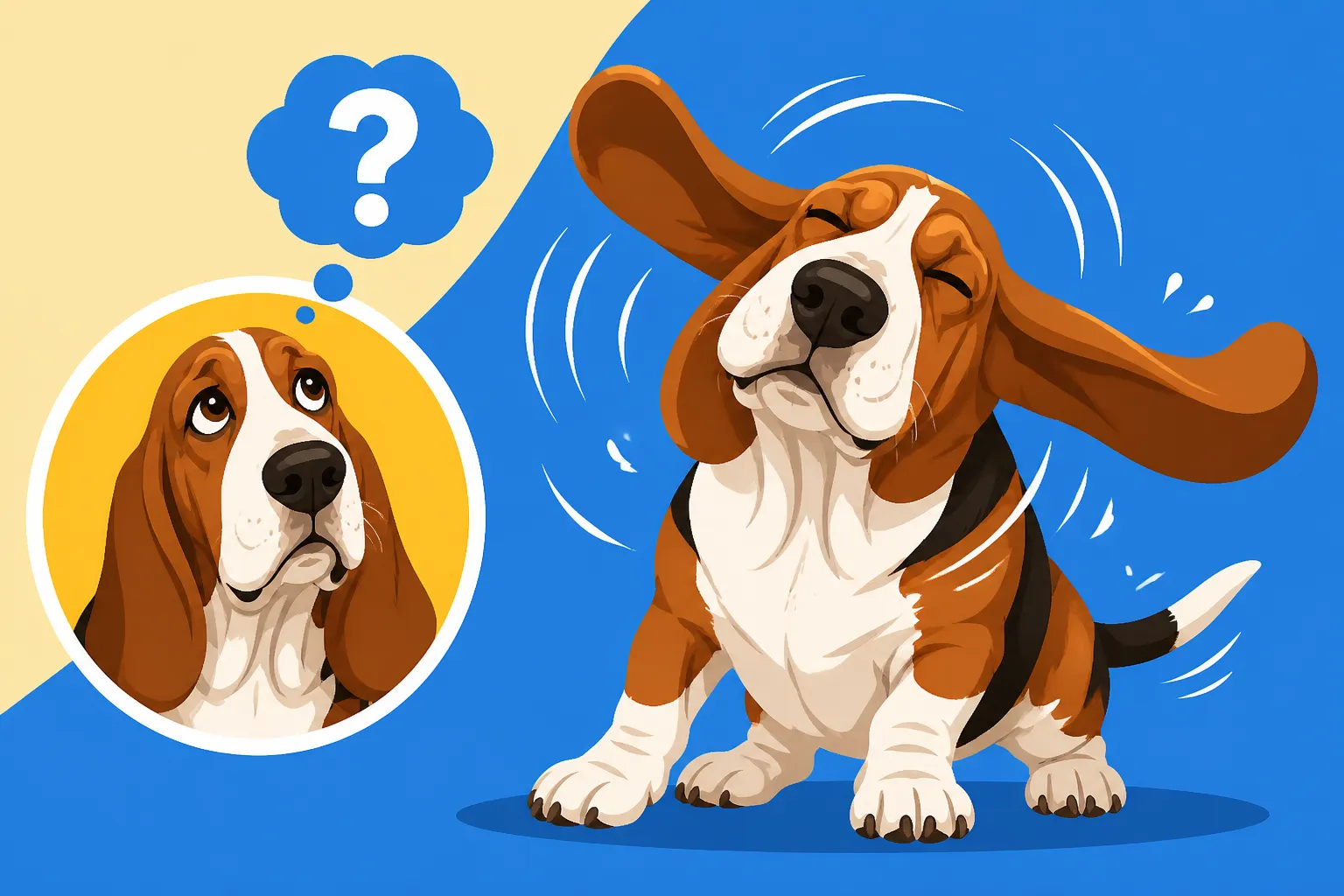
There's nothing quite like the sight of your beloved Basset Hound, all floppy ears and soulful eyes, suddenly shaking their head with frantic energy. It’s often alarming and can leave you wondering what on earth is going on, especially when it seems to happen constantly. This isn't just a quirky habit; it's almost always a sign that your Basset is uncomfortable or in pain. This guide will delve deep into the common reasons behind this persistent head shaking and what you can do to help your furry friend find relief.
Understanding Why Your Basset Hound Shakes Its Head Constantly
When your Basset Hound is shaking its head, it’s instinctively trying to dislodge something, relieve an itch, or ease discomfort. Given their unique anatomy, certain issues are far more prevalent in Basset Hounds than in other breeds. It’s crucial to understand these underlying causes to provide the best care.
The Anatomy of a Basset Hound's Ear
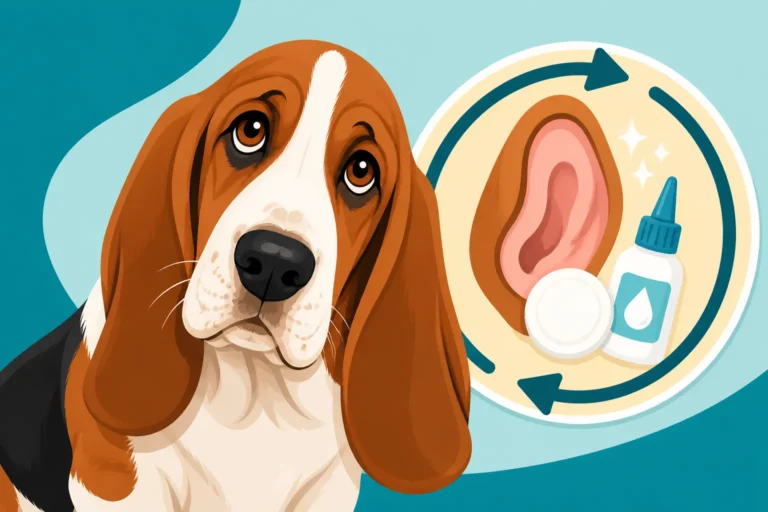
Let's be honest, those magnificent, long, heavy ears are undeniably a hallmark of the Basset Hound breed, a feature we all adore. But, as beautiful as they are, they’re also a major contributing factor to many of their common health woes. Imagine having two thick, warm blankets constantly covering your ears; that's essentially what your Basset's ears are doing to their ear canals. This design creates a perfect storm: warmth, humidity, and reduced airflow, an ideal breeding ground for all sorts of trouble.
Beyond the external ear flap, the internal ear canal itself is another challenge. Unlike many breeds with straighter ear canals, a Basset Hound's ear canal takes a distinctive L-shape. This makes it incredibly difficult for debris, moisture, and earwax to naturally escape. Gravity, which helps clear out ears in other dogs, actually works against a Basset. Instead, everything tends to collect at the bend, setting the stage for irritation and infection. This combination of heavy, occlusive ear flaps and a labyrinthine ear canal means that even minor issues can escalate quickly, leading to that tell-tale head shaking.
Common Ear-Related Issues Causing Head Shakes
Given their unique ear structure, it’s no surprise that the vast majority of constant head shaking in Basset Hounds points directly to an ear problem. These can range from irritating to downright painful.
Bacterial and yeast infections are probably the most notorious culprits. That warm, moist environment we just talked about? It’s a five-star resort for bacteria and yeast. When these microscopic organisms proliferate, they cause inflammation, itchiness, and pain, all of which manifest as intense head shaking. You might also notice a foul odor emanating from the ear, redness, swelling, or a dark, waxy discharge. It’s a truly miserable experience for your Basset, and left untreated, these infections can become chronic and much harder to resolve. You might find yourself wondering Whether Yeast or Bacteria Is in a Basset Hound's Ear, as the treatment often differs depending on the specific pathogen.
Foreign bodies are another surprisingly common issue. Picture your Basset joyfully sniffing and trailing through tall grass or shrubbery. It’s all part of their hound nature! However, tiny grass awns, seeds, or even small pieces of debris can easily work their way into those intricate ear canals. Once inside, they act like a persistent splinter, causing intense irritation and pain as they try to migrate deeper. Your Basset will shake its head, paw at its ear, and might even tilt its head to one side in a desperate attempt to dislodge the invader. These need prompt veterinary attention because if they travel too far, they can perforate the eardrum or cause severe infection.
Ear mites, while more common in puppies or multi-pet households where they can easily spread, can certainly afflict adult Basset Hounds too. These tiny parasites cause intense itching, leading to vigorous head shaking, scratching, and often a dark, crusty discharge that looks a bit like coffee grounds. While not usually as severe as bacterial infections, the constant irritation they cause is incredibly disruptive to your dog's comfort. Lastly, and perhaps more rarely, polyps or tumors can grow within the ear canal, especially in older Basset Hounds. These growths take up space, causing discomfort and potentially blocking the canal, which leads to head shaking. Any persistent head shaking, especially if accompanied by other concerning signs, warrants a trip to the vet to rule out these more serious possibilities. It's a sad reality that some Basset Hounds suffer from The Ear Infections That Never Really Leave a Basset Hound, making chronic care a part of their life.
Beyond the Ear: Other Reasons for Head Shaking
While ear issues are undeniably the most frequent cause of a Basset Hound’s head shaking, it’s important not to get tunnel vision. Sometimes, the problem lies elsewhere in the body, with symptoms radiating or manifesting in a way that makes your Basset shake its head to cope. Overlooking these possibilities could mean missing a crucial diagnosis.
Skin Issues and Allergies
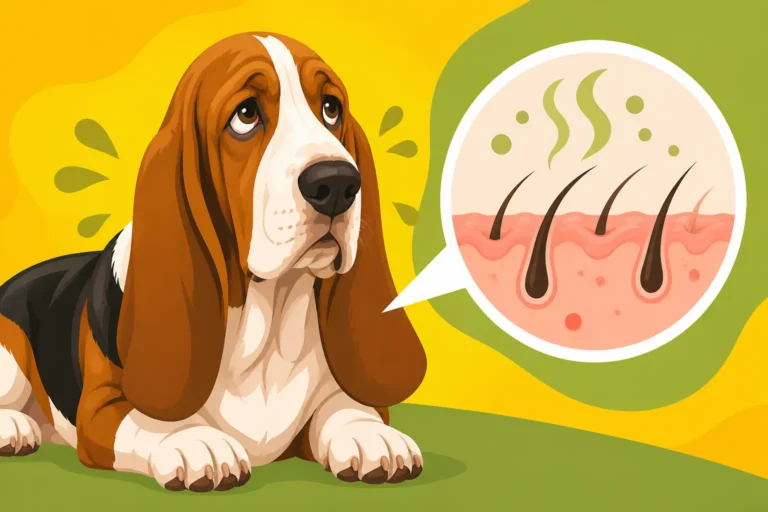
Basset Hounds are known for their magnificent, loose skin and numerous folds, which, much like their ears, add to their charm but can also contribute to various skin problems. Allergies are incredibly common in Basset Hounds and can often manifest as intense itchiness around the head and neck, leading to persistent head shaking. Environmental allergies, triggered by pollen, dust mites, or molds, can cause skin inflammation that extends to the ears, face, and even the paws. When their skin feels irritated, Bassets will shake their heads, scratch, and rub their faces in an attempt to alleviate the incessant itch. This can even cause secondary ear infections, creating a frustrating cycle.
Food allergies or sensitivities can also cause similar symptoms. If your Basset Hound is constantly scratching, licking its paws, or shaking its head, and you've ruled out primary ear infections, it’s worth investigating dietary triggers. Certain proteins or grains in their food might be setting off an allergic reaction that causes widespread skin discomfort, including around the head and ears. This systemic itchiness often leads to compulsive behaviors like head shaking. Managing these allergies often requires a multi-faceted approach, including dietary changes and environmental controls. Understanding Whether a Basset Hound Gets Allergies is key to addressing these frustrating conditions. The loose skin, particularly The Skin Under a Basset Hound's Folds, can also harbor yeast and bacteria, leading to irritation that causes head shaking as a symptom of generalized discomfort.
Pain, Discomfort, and Neurological Causes
Sometimes, the head shaking isn't about an itch, but rather about pain. Dental problems are a prime example. Basset Hounds, like many breeds, are prone to dental disease, including tartar buildup, gum inflammation, and tooth abscesses. A painful tooth or an infection in the mouth can cause radiating pain that makes your Basset shake its head or rub its face against furniture to try and alleviate the discomfort. If you notice bad breath, difficulty eating, or pawing at the mouth in addition to head shaking, it’s time for a dental check-up.
Neck pain or injury is another possibility that often gets overlooked. Basset Hounds have long bodies and relatively short legs, which can put strain on their spines and necks. If your Basset has strained a muscle, slipped a disc in their neck, or is experiencing arthritis in their cervical spine, they might shake their head as a way to "crack" or relieve pressure. This can be quite painful and might be accompanied by reluctance to move their head, yelping when touched, or a change in gait. Diagnosing neck pain often requires a thorough veterinary examination, and sometimes imaging like X-rays or even an MRI. This relates closely to issues like The Back Trouble a Basset Hound Is Built Into, which can sometimes extend to the neck.
While less common, certain neurological conditions can also cause head shaking. Vestibular disease, which affects balance, can lead to a sudden onset of head tilt, disorientation, and nystagmus (involuntary eye movements), often accompanied by head shaking as the dog tries to regain equilibrium. Seizures, even mild ones, can sometimes present as repetitive head movements or tremors. These are usually more obvious and severe, but it’s important to be aware that neurological issues can sometimes be the root cause. If you suspect any kind of severe pain or neurological symptoms, prompt veterinary attention is crucial, as some of these conditions, like certain emergencies, can lead to significant What a Basset Hound's Emergency Surgeries Cost.
What to Do When Your Basset Hound Shakes Its Head
Observing your Basset Hound constantly shaking its head can be distressing, and it’s natural to want to fix the problem immediately. However, the most important first step is to recognize that this isn't a symptom you should try to diagnose or treat entirely on your own. It almost always indicates an underlying issue that needs professional attention.
The Importance of a Veterinary Check-up
I cannot stress this enough: if your Basset Hound is persistently shaking its head, a trip to the veterinarian is absolutely non-negotiable. Self-diagnosing based on internet searches or guessing games can lead to prolonged discomfort for your dog and potentially worsen the condition. What might seem like a simple ear infection could be something far more serious, or a different problem entirely. Your vet has the tools and expertise to properly examine those deep, L-shaped ear canals and determine the true cause of the head shaking.
During a veterinary examination, your vet will perform a thorough physical exam, paying close attention to your Basset's head, ears, and neck. They will use an otoscope, a specialized instrument with a light, to look deep into the ear canal, past that tricky bend. This allows them to identify foreign bodies, evaluate the eardrum, and check for inflammation, discharge, or growths. They might also take a swab of any ear discharge for cytology, which involves examining the sample under a microscope to identify whether yeast, bacteria, or mites are present. In some cases, if the ears are extremely painful or swollen, sedation might be necessary for a proper examination or even a deep ear flush. Don't delay the visit, especially if you notice signs like a strong odor, severe pain when touching the ear, or a dark, gooey discharge, as these are clear The Signs a Basset Hound's Ear Has Gone Bad and indicate an emergency. When dealing with chronic issues like ear infections, a good pet insurance policy can be a lifesaver. Providers like Healthy Paws often cover diagnostics and treatment for recurring conditions, which can accumulate quickly.
Managing and Preventing Recurrent Issues
Once your veterinarian has identified and treated the immediate cause of your Basset’s head shaking, the next step is often focused on management and prevention, especially given their predisposition to ear issues. For Basset Hounds, this usually revolves around a consistent and proper ear cleaning routine. This isn't just a casual wipe; it's a dedicated ritual. You'll need a vet-approved ear cleaner (ask your vet for their recommendation, as some are better for specific types of infections than others). The process involves gently filling the ear canal with the solution, massaging the base of the ear to break up debris, and then allowing your dog to shake their head before wiping out the visible debris with cotton balls. Never use cotton swabs deep inside the ear, as you risk pushing debris further down or damaging the eardrum. My best advice on this topic can be found in The Twice Weekly Ear Ritual a Basset Hound Owner Signs Up For and How to Clean a Basset Hound's Ears Properly.
If allergies are the root cause, managing them is paramount. This could involve dietary changes to a limited ingredient or hypoallergenic food if food allergies are suspected. For environmental allergies, your vet might recommend antihistamines, anti-inflammatory medications, or even allergy immunotherapy (allergy shots). Regular bathing with a medicated shampoo can also help soothe irritated skin. It's about finding a comprehensive strategy to reduce the overall allergic burden on your Basset. Proactive care, like routinely checking and cleaning their ears and folds, can often catch problems before they escalate into persistent head shaking. It’s a huge relief to know that when an emergency strikes, or even when those persistent ear issues pop up, you have financial backing. Healthy Paws is one of those providers that Basset owners often look to for comprehensive coverage that understands breed-specific predispositions. Regular veterinary care is crucial, and having a plan from companies such as Healthy Paws can help you stay on top of preventative measures and address problems promptly without financial stress. Investing in pet insurance, perhaps with Healthy Paws, allows you to focus on your Basset's health rather than worrying about the bill.
Common Causes of Head Shaking in Basset Hounds
Here's a quick reference table outlining the most common reasons a Basset Hound might shake its head, along with key indicators to look out for:
| Cause | Key Indicators | Urgency for Vet Visit |
|---|---|---|
| Ear Infections (Yeast/Bacterial) | Foul odor, redness, swelling, dark discharge (waxy/gooey), pain when touched, pawing at ear. | High – needs medication. |
| Ear Mites | Dark, crumbly discharge (like coffee grounds), intense itching, scratching. | Moderate – treatable, but causes discomfort. |
| Foreign Body in Ear | Sudden onset of intense shaking/pawing, head tilting, pain, sometimes discharge. | High – can cause severe damage or infection. |
| Allergies (Skin-related) | Generalized itchiness, redness on skin/paws, rubbing face, skin fold issues. Often seasonal or diet-related. | Moderate – managing symptoms for comfort. |
| Dental Pain | Bad breath, reluctance to eat, pawing at mouth, swelling around face. | Moderate – can lead to severe infection. |
| Neck Pain/Injury | Reluctance to move head, yelping, stiffness, altered gait. | High – needs diagnosis and pain management. |
| Aural Hematoma | Swelling on the ear flap itself, often squishy to the touch, caused by excessive shaking/scratching. | High – needs drainage to prevent permanent deformity. |
Disclaimer
The information provided in this article is for general informational purposes only and is not a substitute for professional veterinary advice. Always consult with a qualified veterinarian for any health concerns or before making any decisions related to your pet's health and treatment.