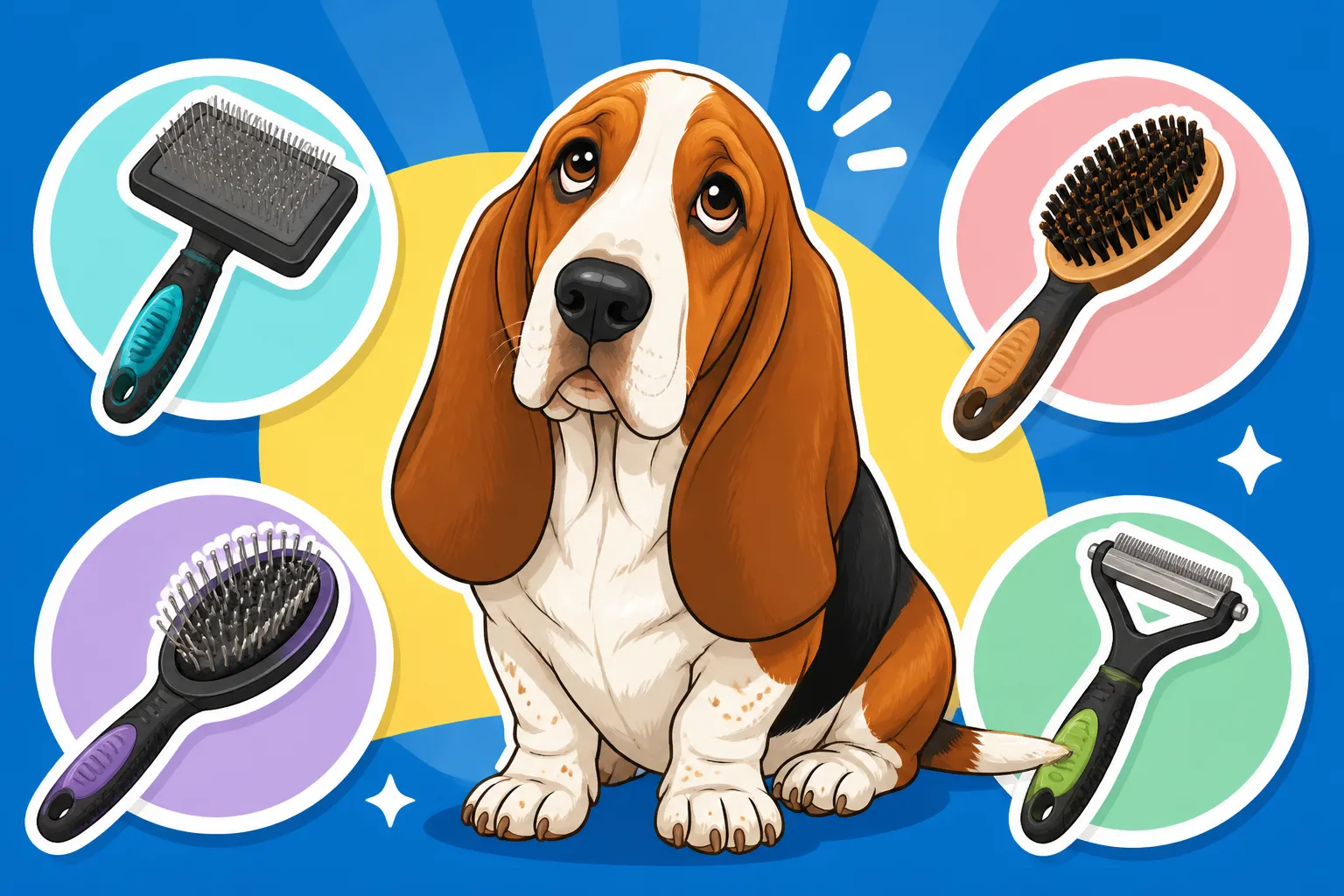
Which Brush Suits a Basset Hound
Oh, the joy (and sometimes, the sheer volume of hair) of living with a Basset Hound! If you're wondering which brush out there can actually tackle that deceptively short, dense coat and manage the shedding, you're not alone. Many Basset owners grapple with finding the right tools to keep their beloved hounds comfortable and their homes a little less fur-filled. This guide is here to walk you through the best brushing options for your Basset, explain why certain brushes work better than others, and help you establish a grooming routine that benefits both you and your low-slung companion.
Understanding the Unique Basset Hound Coat and Its Challenges
Before we dive into the world of brushes, let's take a moment to truly appreciate (and understand) the Basset Hound's coat. It's not like a fluffy Poodle or a wire-haired Terrier; it has its own distinct characteristics that inform the best grooming choices. Ignoring these nuances can lead to ineffective brushing, skin irritation, and a whole lot of frustration when you feel like you're constantly battling a losing war against loose hair.
The Short, Dense, and Oily Truth
A Basset Hound's coat is typically short, smooth, and incredibly dense. While it might look easy to manage at first glance, that density means there's a lot of hair packed into a small area. This coat serves a purpose – historically, it offered protection during hunts. Beneath that top layer, there's often a softer undercoat that contributes to its thickness. And let's be honest, Bassets are known for their distinct "houndy" smell, which is often tied to the natural oils in their skin and coat. These oils are part of what gives their fur its characteristic sheen but can also make the coat feel a bit greasy to the touch if not properly managed.
This combination of short, dense, and slightly oily means a regular brush designed for long-haired dogs won't cut it. You need something that can penetrate that dense layer to reach loose hairs and stimulate the skin without scratching or pulling. The constant shedding, regardless of the season, is another battle. You might think a short-haired dog sheds less, but a Basset will quickly disabuse you of that notion, leaving little hair tumbleweeds across your floors and furniture. Many owners find themselves asking How Much Hair a Basset Hound Leaves on Furniture and the answer is usually "a lot!"
Seasonal Shedding Versus Year-Round Hair Loss
While Basset Hounds do shed year-round, you'll likely notice periods where the hair loss intensifies. These are typically seasonal "blowouts" when they shed their winter coat in spring to prepare for warmer weather, and then again in the fall to make way for a thicker winter coat. During these times, it can feel like your Basset is actively trying to redecorate your home with their fur.
During heavy shedding seasons, your grooming routine will need to step up. What might be a weekly brush during calmer periods could easily become a daily affair. This isn't just about keeping your home clean; it's also about your Basset's comfort. Removing dead hair helps their skin breathe, prevents matting (yes, even short coats can get matted if the undercoat isn't managed), and can help to distribute those natural oils more evenly, which can also help with their skin health. Understanding Whether a Basset Hound Sheds Seasonally is key to staying ahead of the fur onslaught.
The Best Brushes for a Basset Hound's Coat
Alright, let's get down to business: which brushes are truly going to make a difference for your Basset? Forget those flimsy little brushes meant for tiny lapdogs. We need something with a bit more oomph to handle that dense hound coat. The right brush makes grooming a bonding experience, not a wrestling match, and significantly reduces the amount of fur floating around your house.
The Indispensable Rubber Curry Brush or Grooming Mitt
If there's one brush you absolutely must have for a Basset Hound, it's a rubber curry brush or a grooming mitt. These are absolute game-changers for their short, dense coats.
- How they work: Rubber curry brushes (often with short, flexible rubber nubs) and grooming mitts (which you wear on your hand, with rubber nubs on the palm) work by gently massaging the skin while simultaneously loosening and gathering dead hair. The friction created by the rubber on the short coat is perfect for lifting shedding hair that would otherwise stick around.
- Why they're great for Bassets:
- Gentle yet effective: The rubber is soft enough not to irritate your Basset's sensitive skin, which is crucial, especially in areas with folds.
- Stimulates circulation: The massaging action feels good to your dog and promotes healthy skin and coat by improving blood flow.
- Distributes natural oils: As you brush, the rubber helps to spread those natural Basset oils evenly across the coat, leading to a healthier shine and reducing that oily feeling in one spot. This can also help with Whether a Basset Hound's Skin Is Oily.
- Excellent for bathing: These tools are also fantastic to use during bath time. They help work shampoo through the dense coat and thoroughly remove loose hair before rinsing, making the whole process more efficient. You can often find great options for these on sites like Chewy or Amazon.
Bristle Brushes for Shine and Finish
While a rubber curry brush does the heavy lifting for shedding, a good quality bristle brush is wonderful for finishing touches.
- How they work: Bristle brushes, especially those made with natural bristles, have densely packed bristles that are excellent for smoothing the coat, removing fine dust, and distributing natural oils.
- Why they're great for Bassets:
- Adds shine: After using a curry brush to remove loose hair, a bristle brush helps to buff the coat, enhancing its natural sheen and making your Basset look extra spiffy.
- Gentle grooming: It's a very gentle brush, making it ideal for daily light grooming and bonding time.
- Good for puppies: Bristle brushes are often soft enough for young puppies who are getting used to the grooming routine.
- Light debris removal: Perfect for brushing off dried mud or dust after a romp in the yard, without being too harsh on their skin.
Deshedding Tools: Use with Caution
Deshedding tools, like those popularized by the brand FURminator, can be incredibly effective, but they need to be used with a discerning eye and a light hand on a Basset Hound.
- How they work: These tools often feature a fine-toothed metal blade designed to reach through the topcoat and pull out loose undercoat hair without cutting the topcoat.
- Why they can be helpful (and where to be careful):
- Effective for heavy shedding: During intense shedding seasons, a deshedding tool can remove a surprising amount of loose undercoat. If you're struggling with How Much a Basset Hound Sheds, this can offer significant relief.
- Risk of skin irritation: The critical caveat with Bassets is their delicate skin and folds. Overuse or applying too much pressure with these tools can easily cause skin irritation, redness, or even brush burn. You should only use them sparingly, perhaps once or twice a week during heavy shedding, and always with very gentle strokes. Never go over the same spot too many times.
- Areas to avoid: Be extremely cautious around their sensitive ears and the loose skin on their neck and dewlap. For general grooming supplies, including specific deshedding tools, a broad online retailer like Amazon can provide many options.
What About Other Brush Types?
You might see other brushes on the market, but many are not ideal for a Basset Hound's specific coat.
- Slicker Brushes: These have fine wire pins and are usually meant for long, curly, or double coats prone to matting. For a Basset's short coat, the wire pins can be too harsh and scratch their skin, causing discomfort and damage. I generally advise against them.
- Pin Brushes: Similar to slicker brushes but with widely spaced, rounded metal pins. Again, these are typically for longer coats and won't be very effective at removing the dense, short shedding hair from a Basset, nor will they provide the beneficial skin stimulation of a curry brush.
Here’s a quick overview of the best brush types for your Basset:
| Brush Type | Primary Function | Basset Hound Suitability | Pros | Cons |
|---|---|---|---|---|
| Rubber Curry Brush | Loose hair removal, skin massage | Excellent | Gentle, stimulates skin, distributes oils | Not for deep mats (Bassets rarely get them) |
| Grooming Mitt | Loose hair removal, quick touch-ups | Excellent | User-friendly, good for bonding, gentle | Less aggressive than a curry brush |
| Bristle Brush | Shine, smoothing, fine debris removal | Good | Adds luster, gentle, good for puppies | Limited efficacy for heavy shedding |
| Deshedding Tool | Undercoat removal | Use with caution | Highly effective for heavy shedding | Can irritate skin if overused |
| Slicker Brush | Detangling, mat removal | Poor | Too harsh for short, dense Basset coat | Can cause skin irritation |
| Pin Brush | Detangling, long coat grooming | Poor | Not effective for short Basset coat | Doesn't penetrate dense short fur |
How to Brush Your Basset Hound Effectively
Now that you know which brushes to use, let's talk about how to use them. Effective brushing isn't just about pulling hair out; it's about making the experience positive for your dog and truly benefitting their skin and coat health. Establishing a routine from puppyhood, even if it's just a few minutes a day, will make a world of difference.
Making Grooming a Positive Experience
Basset Hounds can be wonderfully tolerant, but they can also be, shall we say, a bit "stubborn" if they don't see the point or find something uncomfortable. The key to successful grooming is positive reinforcement.
- Start young: If you have a puppy, begin with short, gentle brushing sessions. Let them sniff the brush, give them treats, and praise them lavishly. This builds a positive association.
- Short and sweet: Especially at first, keep sessions brief—just a few minutes. You want to end before they get fidgety or bored.
- Treats are your friend: High-value treats should flow freely, especially when they tolerate brushing in sensitive areas like around their ears or tail.
- Gentle touch: Always be gentle. Bassets have a lot of loose skin, and you don't want to pull or scratch. A rubber curry brush feels like a massage, which most Bassets adore.
Step-by-Step Brushing Routine
Here’s a simple routine that works wonders for Basset Hounds:
- Gather your tools: Have your rubber curry brush/mitt, bristle brush, and a deshedding tool (if using) ready. A towel for loose hair and some treats are also essential.
- Find a comfortable spot: A quiet, comfortable spot where your Basset can relax is best. Some dogs prefer being on the floor, others on a grooming table (if they're used to it).
- Start with the curry brush: Begin by using your rubber curry brush or grooming mitt. Work in the direction of hair growth, starting from the head and moving down the body, sides, and legs. Apply gentle pressure. You’ll be amazed at how much loose hair comes off! Pay extra attention to their back and sides, where the coat is densest. This helps immensely with How Much Hair a Basset Hound Leaves on Furniture.
- Target problem areas (if needed) with a deshedding tool: If you're in a heavy shedding season, very carefully and sparingly use your deshedding tool on dense areas like the back, avoiding sensitive spots. Keep strokes short and light, and lift the tool after each stroke. Remember, less is more here.
- Finish with a bristle brush: Once you’ve removed the bulk of the loose hair, switch to your bristle brush. Brush all over to smooth the coat, distribute natural oils, and add a healthy shine. This is like the final polish!
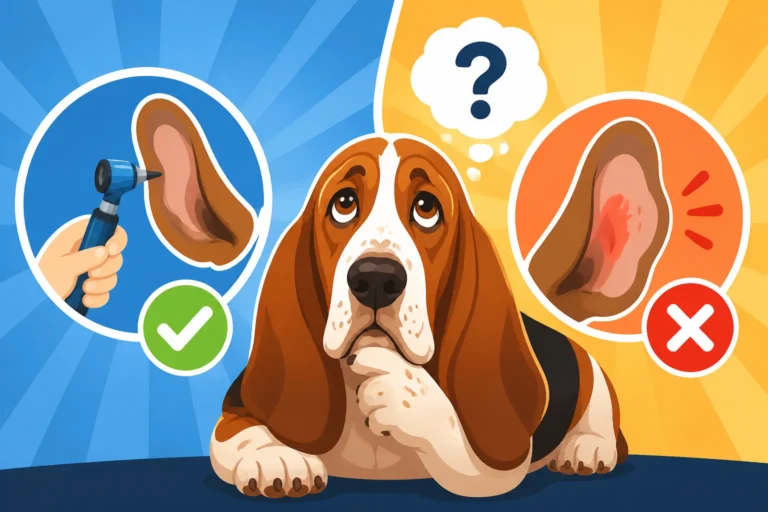
- Don't forget the ears: Basset Hounds have those magnificent, long ears. While a regular body brush isn't ideal for the inner ear, a soft bristle brush can gently smooth the hair on the outside of the ear flap. Remember, their ears need special attention for cleaning to prevent infections, which is separate from brushing, but overall grooming includes ensuring the ear flaps themselves are clean and smooth. Check out The Twice Weekly Ear Ritual a Basset Hound Owner Signs Up For for more on that.
- Clean up: Wipe down your dog with a damp cloth if needed to remove any residual loose hair. Give them a final treat and plenty of praise!
Frequency: How Often Should You Brush?
The frequency of brushing depends on the individual Basset and the time of year.
- Regular maintenance: At a minimum, aim for 2-3 times a week with a rubber curry brush or grooming mitt and a bristle brush. This keeps shedding manageable and stimulates their skin.
- Shedding season: During spring and fall "blowouts," you might need to brush daily or every other day. This proactive approach will save your furniture and your sanity.
- Quick touch-ups: A quick pass with a grooming mitt can be done daily, even just for a minute or two, to pick up any loose hairs and keep your dog feeling fresh.
Consistency is more important than marathon sessions. Regular, shorter sessions are far more effective than infrequent, long, and potentially uncomfortable ones.
Beyond the Brush: Other Grooming Essentials for Your Basset
While brushing is a huge part of Basset Hound care, their unique physical attributes mean other grooming tasks are equally vital. These aren't just about aesthetics; they're crucial for preventing common Basset health issues and ensuring their overall well-being.
Bathing for a Healthy Coat and Skin
Basset Hounds can get a bit stinky, let's be honest. Their oily skin and tendency to drag those long ears through everything mean baths are a necessary evil for many owners. The right shampoo and bathing technique can significantly impact their coat health and reduce that "houndy" odor.
- Frequency: While you don't want to over-bathe and strip their natural oils, a bath every 4-6 weeks is often a good rhythm for a Basset. If they're particularly adventurous or have skin issues, it might be more frequent. Always consult your vet if you notice persistent skin problems or excessive odor.
- Shampoo choice: Use a mild, pH-balanced dog shampoo. Some Bassets benefit from oatmeal-based shampoos for sensitive skin or deodorizing shampoos if odor is a major concern. Avoid harsh detergents that can dry out their skin. After shampooing, make sure to rinse thoroughly. Any residue left in that dense coat can lead to skin irritation. You can find many specialized dog shampoos on platforms like Chewy or Amazon. For more on this, consider Which Shampoo Suits a Basset Hound.
- Drying: Completely drying your Basset is crucial, especially in their folds. Dampness can lead to skin fold infections. Towel dry vigorously, and if your dog tolerates it, a low-heat pet dryer can help get them thoroughly dry, paying close attention to those deep wrinkles.
Caring for Those Wonderful Wrinkles and Folds
The Basset Hound's adorable wrinkles and folds are charming, but they're also prime spots for moisture, dirt, and bacteria to get trapped, leading to infections. This is a common pain point for Basset owners.
- Daily checks: Make it a daily habit to quickly check their facial folds, especially around their eyes and mouth. Look for redness, moisture, discharge, or any unpleasant odor.
- Cleaning: Use a soft, damp cloth, or specifically designed pet wipes, to gently clean inside their folds. After cleaning, ensure the folds are completely dry. You can use a clean, dry cloth or even a cotton swab (carefully!) to absorb any moisture. This can prevent Skin Fold Infections on a Basset Hound. For stubborn cases, your vet might recommend a medicated wipe or cream.
- Drool management: Bassets drool. A lot. This drool can collect in their lip folds. Wiping their mouth area after meals and drinks helps prevent irritation and odor. Keep a "drool towel" handy!
Nail Care and Foot Health
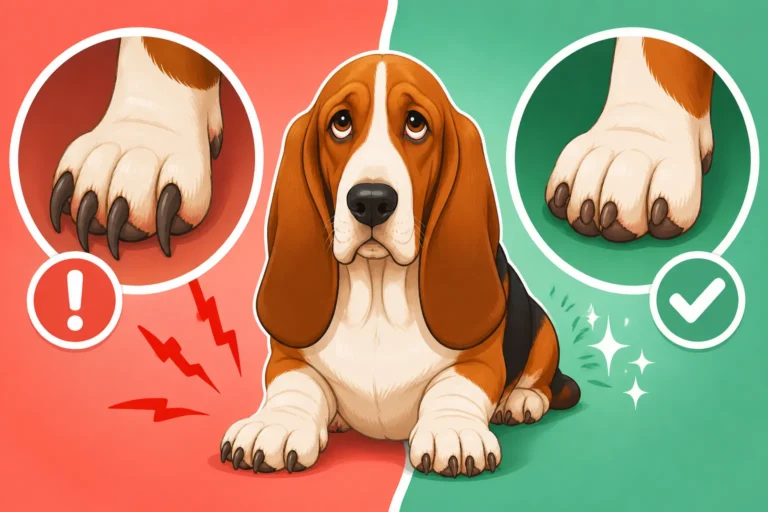
Bassets have sturdy, low-slung bodies, and their feet are the foundation. Overgrown nails can throw off their gait, cause discomfort, and even lead to long-term joint issues, especially given their predisposition to back and leg problems.
- Regular trims: Nails should be trimmed regularly, usually every 3-4 weeks, or whenever you hear them clicking on hard floors. If you're unsure how to do this safely, ask your vet or a professional groomer to show you. Many owners use dog-specific nail clippers or a dremel tool.
- Dewclaws: Don't forget their dewclaws (the thumbs on their front legs). These don't touch the ground and won't wear down naturally, so they can curl back into the leg if neglected.
- Paw pad inspection: Regularly check their paw pads for cracks, cuts, or foreign objects. Bassets love to sniff around, and their low stature means their paws are often in direct contact with various terrains. Keep an eye out for any signs of discomfort or licking, which might indicate Whether a Basset Hound Gets Interdigital Cysts Between Toes.
By incorporating these essential grooming practices into your routine alongside regular brushing, you'll be well on your way to keeping your Basset Hound happy, healthy, and looking their best. It's a commitment, but one that is well worth it for these affectionate, charming dogs.
Disclaimer
This article is for general informational purposes only and does not constitute professional advice. Laws, prices and regulations vary by location and change over time. Consult a qualified professional for guidance on your specific situation.