How Much Hair a Basset Hound Leaves on Furniture
One of the biggest surprises for new Basset Hound owners, and even some seasoned folks, is just how much hair these adorable, low-slung dogs can leave behind, despite their seemingly short coats. You might expect a fluffy Akita or a shaggy Golden Retriever to blanket your home in fur, but a Basset Hound? Many people assume their short, dense coat means minimal shedding, only to find their sofas, clothes, and floors perpetually dusted with fine, stubborn hairs. This guide is here to shed some light on why Basset Hounds shed more than you might imagine, where all that hair ends up, and most importantly, how to manage the furry fallout without losing your mind (or your sanity).
The Truth About Basset Hound Shedding: More Than You Might Expect
It’s a common misconception that short-haired dogs don’t shed much. If only that were true for our beloved Basset Hounds! The reality is, a Basset Hound's coat, while short, is incredibly dense and often features a double layer, meaning there's a lot of hair packed into that compact body. This density, combined with their unique hair growth cycle, means they're constantly replenishing their fur, and the old stuff has to go somewhere – usually, all over your furniture and clothes.
Why a Short Coat Doesn't Mean Less Shedding
Think of a Basset Hound's coat not as sparse, but as a tightly woven carpet. It's designed to be protective, offering insulation and a barrier against elements during their scent-tracking escapades. While it might feel smooth and soft to the touch, beneath that top layer of guard hairs, many Bassets possess a soft, insulating undercoat. This dual-layer construction is a big part of Whether a Basset Hound Has a Double Coat and explains why those short hairs can feel so pervasive.
Every single hair on your Basset Hound, whether it's a coarse guard hair or a fine undercoat strand, goes through a growth cycle: it grows, it rests, and then it sheds to make way for new growth. Because their hairs are short, they don't get tangled or caught in the coat as easily as long hairs might. Instead, they fall out readily and scatter far and wide. You might not see big clumps of fur like you would with a long-haired breed, but you'll experience a constant, fine layer of hair that seems to magically appear on every surface. It's a never-ending cycle, and once you understand this, you can start to adjust your expectations and management strategies.
Seasonal Shedding vs. Year-Round Hair Loss
While Basset Hounds are champions of year-round shedding, they do have peak seasons where the fur situation ramps up considerably. Typically, you'll notice a significant increase in shedding during the spring and fall. These are the times when their bodies naturally adjust their coat density to prepare for changes in temperature. In spring, they're shedding their thick winter undercoat to make way for a lighter summer one, and in fall, they're preparing to grow a denser coat for the colder months ahead.
During these seasonal blowouts, you might find yourself vacuuming daily and still pulling handfuls of fur from your Basset with a brush. It can feel overwhelming, especially if you're not prepared for it. Even outside of these times, though, your Basset will still be shedding consistently. That "average" amount of hair you find on your floors and furniture? That's your everyday Basset. The seasonal shedding is when it feels like a Basset-shaped cloud has permanently taken up residence in your home. Understanding this rhythm is key to effective management, as your grooming efforts will need to intensify during these periods to keep the fur blizzard at bay. It's truly a testament to How Much a Basset Hound Sheds throughout the year.
Quantifying the Hair: Where Does It All End Up?
If you live with a Basset Hound, you probably already know the answer to this: everywhere. Their unique body shape, coupled with their love for comfort and proximity to their humans, means their fur often ends up in the most intimate corners of your home. It’s not just on the floor; it’s an integral part of your décor, your wardrobe, and sometimes, even your meals!
On Your Furniture: Sofas, Chairs, and Beds
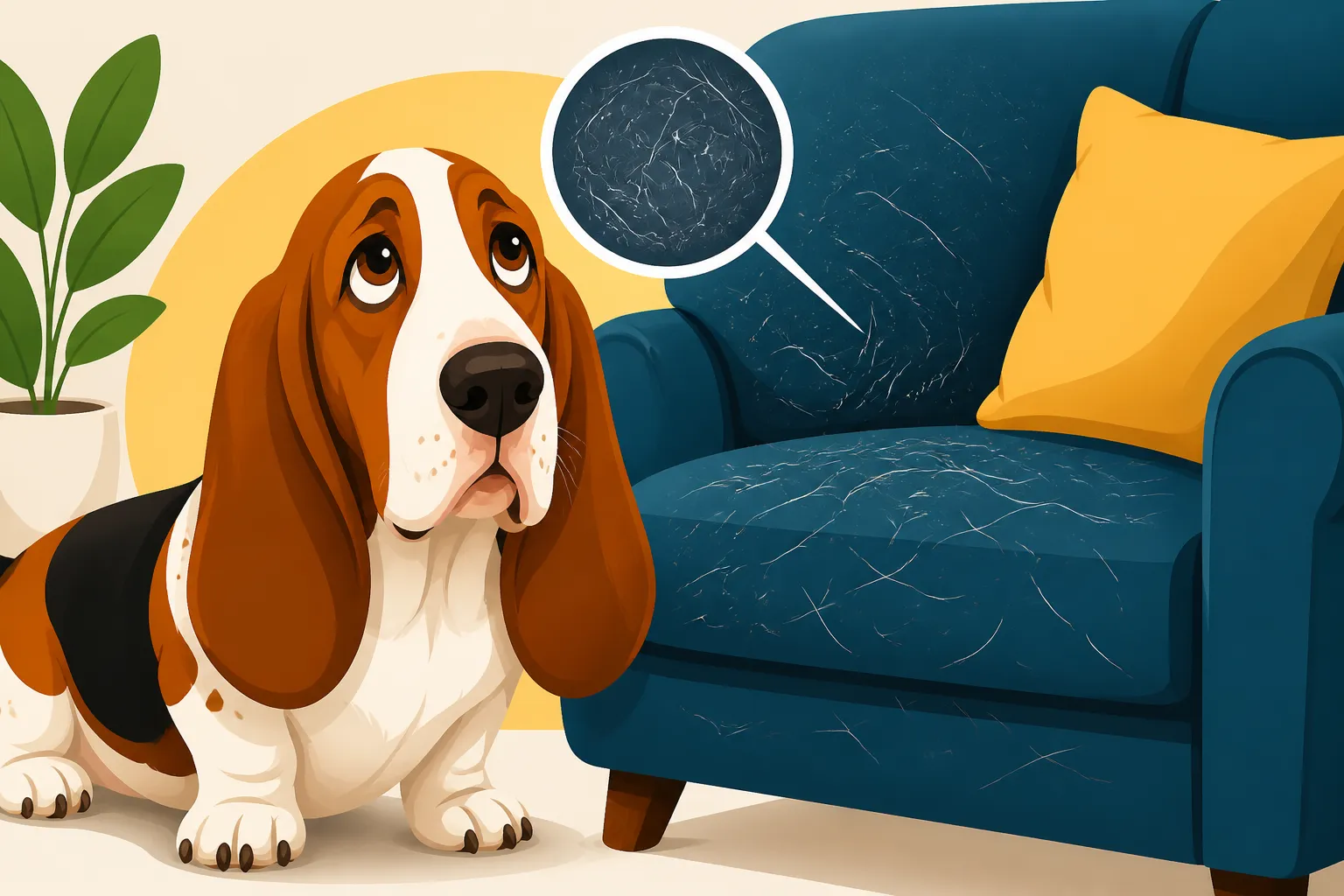
Your furniture is often ground zero for Basset Hound hair accumulation. Think about it: Bassets love to lounge. They adore curling up on soft cushions, stretching out on a plush rug, or burrowing into the blankets on your bed. Because they're low to the ground, they have direct contact with every surface they choose to grace with their presence. A quick nap on the sofa leaves behind a distinct Basset silhouette in fur. You might sit down on your favorite armchair only to rise covered in a fine dusting of Basset fur, perfectly matching the outline of your posterior.
This isn't just a minor inconvenience; it's a lifestyle choice you make when you welcome a Basset into your home. Their short, stiff hairs can weave themselves into fabric fibers, making them notoriously difficult to remove from upholstery. Darker furniture can highlight lighter Basset fur, while lighter fabrics will proudly display those darker strands. Your Basset sees your furniture as an extension of their own personal napping zone, and with every lounge session, they're leaving a little piece of themselves behind, a furry love letter to their comfort.
On Your Clothes, Floors, and Everything Else
Beyond the furniture, Basset Hound hair has an uncanny ability to infiltrate every aspect of your life. You'll find it clinging to your clothes, even those freshly laundered and stored in a drawer. A quick hug with your Basset before heading out the door can leave you looking like you've been napping in a dog bed yourself. The car interior, especially seats and floor mats, becomes a fuzzy tribute to every ride your Basset has enjoyed.
And let's not forget the floors! Whether you have plush carpeting, gleaming hardwood, or cool tile, Basset hair will find a way to settle. On carpets, it weaves in, requiring powerful vacuuming. On hard surfaces, it gathers into charming little tumbleweeds that roll playfully across the room with every breeze. It’s not uncommon to find a Basset hair or two (or twenty) making its way onto your kitchen counter, into your freshly folded laundry, or even sticking to the butter dish. This is just the reality of living with a Basset. While it can be frustrating, especially when you're trying to keep things pristine, it's a constant reminder of the furry companion who shares your home.
Here’s a quick glance at where Basset Hound hair typically accumulates:
| Location | Description of Hair Accumulation | Ease of Removal |
|---|---|---|
| Upholstered Furniture | Deeply embedded in fabric fibers, especially on frequently used spots. | Moderate to Difficult |
| Clothes | Clings to all fabrics, often noticeable immediately after contact. | Easy (with lint roller) |
| Carpets/Rugs | Weaves into carpet fibers, forms visible clumps over time. | Moderate |
| Hardwood/Tile Floors | Gathers into dust bunnies, scatters easily with drafts. | Easy (sweeping/vacuuming) |
| Pet Beds/Blankets | High concentration, expected and often overlooked. | Easy (washing) |
| Car Interiors | Embedded in upholstery and carpets, especially around common riding spots. | Moderate to Difficult |
| Kitchen/Countertops | Fine hairs floating and settling, often unnoticed until close inspection. | Easy (wiping) |
Practical Strategies for Managing Basset Hound Shedding
Okay, so we've established that Basset Hounds shed, and they shed a lot. The good news is that while you can't stop it entirely, you absolutely can manage it. It takes consistency, the right tools, and a little bit of patience, but keeping the furry invasion under control is totally achievable. Think of it as part of your regular Basset care routine, just like feeding or walking.
Regular Grooming: Your First Line of Defense
This is, hands down, the most effective way to combat shedding. The more loose hair you remove directly from your Basset, the less hair ends up on your furniture. It’s a simple equation, but it requires dedication.
First, let's talk about brushing. For a Basset Hound, regular brushing isn't just a nice-to-do, it's essential. Aim for at least 3-4 times a week, and frankly, during those heavy shedding seasons, daily brushing will be your best friend. What kind of brush? For their dense, short coats, a rubber curry brush or a shedding blade (used gently!) works wonders to pull out loose undercoat. You'll be amazed at the piles of hair that come off, and trust me, every hair on that brush is one less hair on your sofa. Many Basset owners swear by tools like a de-shedding glove or a soft bristled brush that gets right down to the undercoat without irritating their sensitive skin. If you're wondering Which Brush Suits a Basset Hound, rubber curry brushes are often a fan favorite for their ability to massage the skin while grabbing loose fur. You might also find a deshedding tool like those offered by Furminator or similar brands incredibly effective, though always use them as directed and gently to avoid skin irritation.
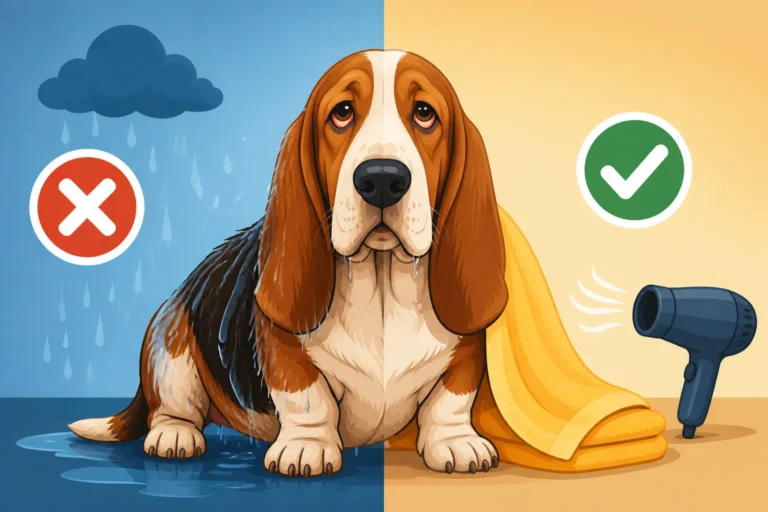
Bathing also plays a crucial role. While you don't want to over-bathe your Basset and strip their natural oils, a bath every 4-6 weeks can help loosen dead hair, making it easier to remove during post-bath brushing. When you bathe your Basset, use a good quality dog shampoo. Some shampoos are even formulated specifically to help with shedding, often containing ingredients like omega fatty acids to promote coat health. After their bath, give them a good towel dry, and then, while their coat is still a little damp, hit them with that brush again. You'll be surprised at how much more hair comes out. For more details, you might want to read How Often a Basset Hound Should Be Bathed and Which Shampoo Suits a Basset Hound.
Diet and Supplements for a Healthy Coat
What goes into your Basset Hound can significantly impact the quality and health of their coat, which in turn can affect shedding. A dull, dry, or unhealthy coat tends to shed more and produce weaker hairs. Therefore, a high-quality diet is fundamental. Look for dog foods that list real meat as the first ingredient and contain a good balance of omega-3 and omega-6 fatty acids. These essential fatty acids are crucial for skin and coat health, helping to keep the fur strong, shiny, and less prone to excessive shedding.
Many dog owners find success incorporating supplements into their Basset's diet. Fish oil, specifically, is packed with omega-3s and can do wonders for coat health. A few drops added to their food daily can significantly improve the luster of their coat and potentially reduce shedding by strengthening hair follicles. You can find a variety of fish oil supplements, either liquid or capsule form, through retailers like Chewy or on Amazon. Remember to always consult your veterinarian before adding any new supplements to your dog's diet to ensure it's appropriate for their individual needs and to get the correct dosage. For more insights on this topic, check out Whether a Basset Hound Needs Fish Oil. High-quality fresh food options, such as those provided by Ollie, often come balanced with these beneficial fats, helping to nurture a healthier coat from the inside out.
Housekeeping Hacks and Tools
Beyond grooming your Basset, you'll need a solid strategy for managing the hair that inevitably makes it into your home. This is where a good set of housekeeping tools and habits come into play.
First up, vacuuming. This isn't just a weekly chore; it might become a daily ritual in a Basset Hound home. Invest in a powerful vacuum cleaner, preferably one designed for pet hair. These models often have stronger suction, specialized brush rolls that prevent tangling, and better filtration systems to trap pet dander along with the fur. Robotic vacuums, while not a complete replacement, can be fantastic for running daily to pick up the surface layer of hair, keeping the overall accumulation down.
For quick clean-ups on clothes and furniture, lint rollers are indispensable. Keep them strategically placed around your home – near the front door, in the car, by your favorite reading chair. You can buy them in multi-packs on Amazon, and you’ll go through them quickly! For furniture, specific pet hair removal tools, often rubber-bladed squeegees or specialized sponges, can work wonders at pulling embedded hair from upholstery. Consider washable furniture covers or throws for your most-loved pieces. Not only do they protect your furniture, but they can be easily removed, shaken out, and tossed in the washing machine.
Air purifiers can also help, especially if you or someone in your household has allergies. While they don't remove hair from surfaces, they can help filter out airborne dander and fine hairs, contributing to better air quality. Remember that while these tools make the job easier, consistency is key. A little bit of daily effort can prevent a massive build-up of Basset fur, making your home feel much cleaner and more manageable. Thinking about all the tools and their upkeep can lead to questions about What a Basset Hound's Grooming Costs, which includes these ongoing expenses.
Setting Realistic Expectations and Embracing the Basset Fur
After all this talk about shedding, it's important to take a deep breath and set some realistic expectations. No matter how diligently you brush, how well you feed, or how often you vacuum, you will still find Basset Hound hair in your home. It’s simply a fundamental aspect of owning this wonderful breed. The goal isn't zero hair; it's managed hair.
It's a Basset Thing: Accepting the Shedding
Accepting that shedding is part and parcel of Basset ownership is a crucial step towards sanity. Your Basset Hound isn't shedding at you; it's simply what their body does. Trying to fight it endlessly will only lead to frustration. Instead, shift your mindset from trying to stop shedding to effectively managing it. This means establishing a routine that works for you and your Basset, encompassing regular grooming, a good diet, and consistent home cleaning.
Think of the hair not as a nuisance, but as a byproduct of the love and companionship your Basset provides. Those little hairs on your sweater are a reminder of the warm snuggles, the enthusiastic greetings, and the calm presence of your furry friend. When you embrace this reality, the shedding becomes less of a battle and more of an accepted part of your shared life. It's truly part of The Short Basset Hound Coat That Still Sheds Everywhere experience.
The Benefits Outweigh the Burdens
Let's be honest: living with a Basset Hound means living with some fur. But when you weigh that against their endearing personality, their loyalty, their goofy antics, and their unparalleled ability to make you smile, a little (or a lot) of hair seems like a small price to pay. Basset Hounds bring so much joy, love, and laughter into a home. They are gentle, patient companions, especially wonderful with families and often content just to be by your side.
The unique bond you form with a Basset Hound is truly special. They teach you patience, they teach you about the simple pleasures of a good sniff, and they teach you that sometimes, a little bit of fur on the sofa is just part of a well-loved home. So, arm yourself with the right brushes, keep that vacuum handy, and enjoy every furry moment with your extraordinary Basset Hound. The effort you put into managing their shedding will be amply rewarded by the love they give back.
Disclaimer
This article is for general informational purposes only and does not constitute professional advice. Laws, prices and regulations vary by location and change over time. Consult a qualified professional for guidance on your specific situation.