Whether a Basset Hound Sheds Seasonally
Oh, the shedding saga! If you're a Basset Hound owner, you've probably asked yourself, "Does this amount of hair ever actually stop, or is my life just going to be a perpetual flurry of fur?" It's a common lament, and honestly, it can feel like your charming, low-slung companion is leaving little furry versions of itself all over your home. This guide is here to unravel the mystery of Basset Hound shedding, examining whether it truly ebbs and flows with the seasons or if it's more of a continuous, year-round commitment.
The Truth About Basset Hound Shedding Patterns
Many dog owners are used to the idea of a dog "blowing its coat" twice a year – a massive shedding event usually in spring and autumn. You might wonder if your Basset Hound follows this dramatic pattern, given the surprising amount of hair they can produce despite their short, dense coats. The reality with Basset Hounds is a little less dramatic in terms of distinct "blows" but often more consistent in its output.
Is It Truly Seasonal for Basset Hounds?
While many breeds with thick double coats, like German Shepherds or Huskies, experience very noticeable seasonal sheds, Basset Hounds don't typically have the same kind of extreme, cyclical coat blow. It's not like one day you wake up and suddenly find enough fur to knit a whole new dog, then it stops. Instead, Basset Hounds tend to be more moderate, yet consistent, shedding machines. You'll likely find their hair year-round, a constant reminder of their presence, often embedded into your carpets, clothing, and even that "clean" dish towel you just pulled out.
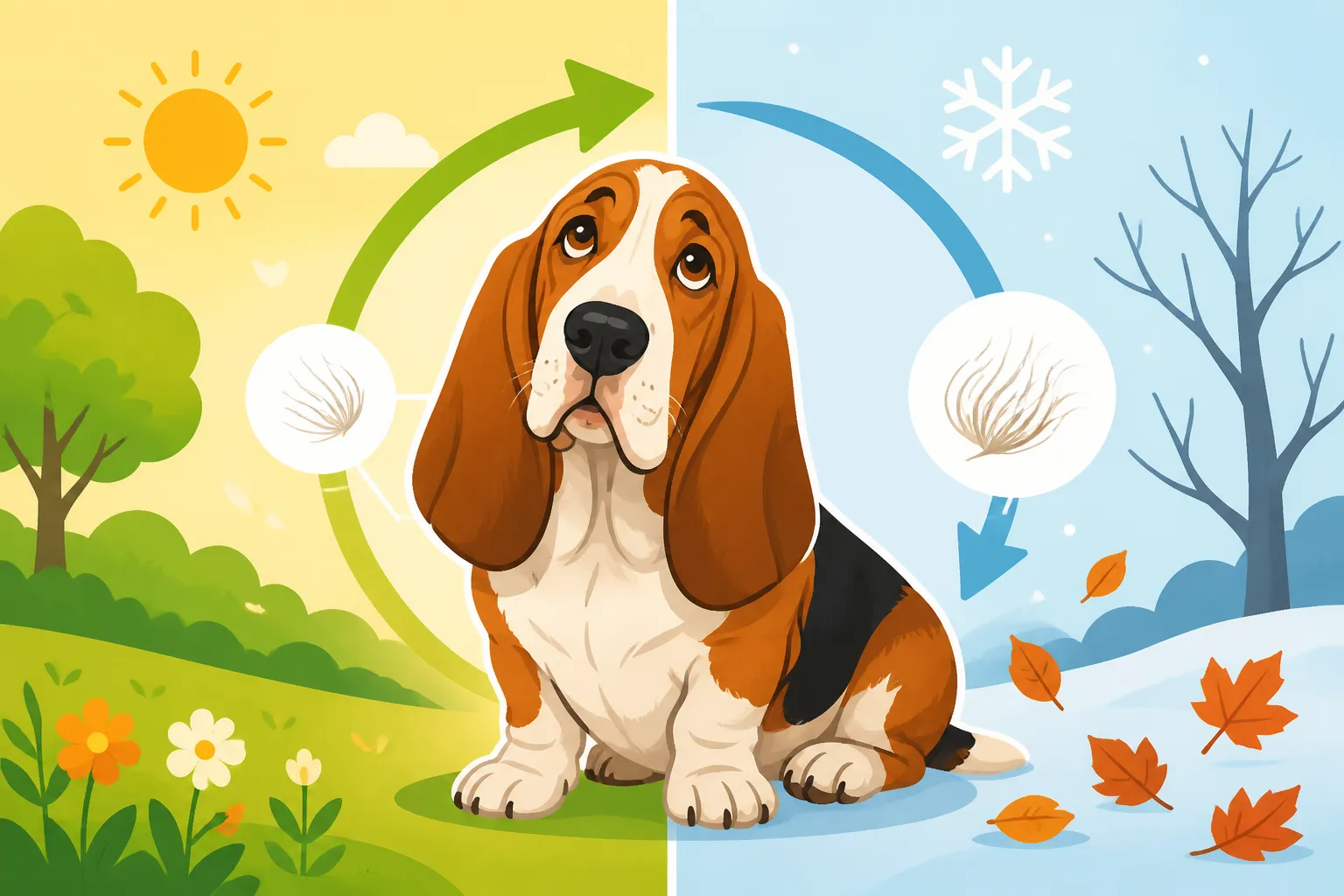
However, that doesn't mean there's no seasonal influence. You might notice a slight uptick in shedding during spring as they lighten their undercoat for warmer weather, and again in the fall as they prepare for a thicker winter coat. But it's usually not a sudden, overwhelming event. It's more like the volume knob on the shedding dial gets turned up a notch or two for a few weeks, rather than being cranked to eleven. This subtle shift means you're always dealing with some level of shedding, which can be frustrating when you just want a brief reprieve.
Understanding the Basset's Double Coat
It's easy to look at a Basset Hound's short, sleek coat and think, "Well, at least it won't shed much!" Oh, if only that were true! The truth is, your Basset Hound possesses a double coat, which is a major contributor to their shedding prowess. This isn't always immediately obvious because their fur isn't long and fluffy, but it's definitely there.
They have a soft, dense undercoat that acts as insulation, keeping them warm in winter and cool in summer. Overlaid on this is a coarser, protective topcoat. Both of these layers shed. The undercoat often sheds in smaller, finer hairs that can weave themselves into fabric, making them notoriously difficult to remove from upholstery and clothes. The guard hairs of the topcoat are shorter and sturdier, and while they might be easier to spot, they contribute significantly to the overall volume of hair you find around your home. Understanding that both layers are constantly turning over helps explain why the shedding feels so persistent, even if it's not always in massive clumps.
The "Spring Fling" and "Autumn Avalanche" – Basset Style
For many breeds, these phrases evoke images of tumbleweeds of fur rolling through the house. For Basset Hounds, it's a bit more nuanced. You might experience what I like to call the "Spring Sprinkling" and the "Autumn Amble" of hair. While not the dramatic "coat blow" seen in Arctic breeds, there is typically a noticeable, albeit manageable, increase in shedding during these transitional periods.
In spring, as temperatures rise and daylight hours lengthen, your Basset Hound's body naturally signals it's time to lighten up that insulating winter undercoat. You'll probably find yourself brushing a bit more hair out, and maybe even noticing slightly more fur clinging to your socks or sofa. Similarly, in the fall, as the days shorten and the air gets crisp, they'll shed some of the lighter summer coat to make way for a denser winter one. These shifts are more about adaptation to environmental cues like temperature and light exposure, rather than a fixed calendar event. It's important not to confuse this increased, but still relatively controlled, shedding with an underlying health issue. Just think of it as your Basset's subtle way of changing wardrobes.
Factors Influencing Your Basset Hound's Shedding
While the primary question is about seasonal shedding, it's crucial to understand that many other factors can either exacerbate or mitigate the amount of hair your Basset Hound is leaving behind. It's not just about the time of year; it's about their overall well-being and the environment they live in.
Diet and Nutrition for a Healthy Coat
One of the most significant influences on your Basset Hound's coat health, and consequently their shedding, is their diet. A dog's coat is often a direct reflection of their internal health. If your Basset isn't getting adequate nutrition, their skin and hair will be among the first places to show it. A dull, dry, or excessively shedding coat can sometimes be a sign that something is amiss with their food.
Look for high-quality dog foods that list real meat as the first ingredient. Many owners find that foods rich in omega-3 and omega-6 fatty acids, such as those found in fish oil or flaxseed, can do wonders for coat health, leading to less breakage and a stronger, shinier coat. Some specialized fresh food brands, like Ollie, focus on human-grade ingredients and balanced nutrition, which can really support a healthy coat from the inside out. When the skin is healthy and nourished, the hair follicles are stronger, and shedding can be reduced to a more manageable level. Conversely, cheap fillers or an unbalanced diet can lead to excessive, brittle hair loss.
The Impact of Health and Stress
Sometimes, what looks like "seasonal" shedding is actually a sign of something deeper going on. A sudden increase in shedding, or shedding that seems unusually patchy or accompanied by skin irritation, should always warrant a closer look. Underlying health conditions can manifest through changes in coat quality and shedding patterns. For example, Whether a Basset Hound Gets Hypothyroidism is a common concern, and one of the classic symptoms can be a dull, dry coat and excessive hair loss.
Parasites like fleas or mites, bacterial or fungal skin infections (which Bassets are prone to, especially in their folds), and allergies can all cause increased shedding, often accompanied by itching and redness. Even stress can play a role; a significant change in routine, a new environment, or anxiety can sometimes lead to a temporary increase in shedding. It's like how we humans might shed more hair when we're under a lot of pressure! If you notice any accompanying symptoms like lethargy, changes in appetite, or excessive scratching, it’s always best to consult your veterinarian to rule out any medical causes.
Environmental Triggers and Indoor Living
Our modern indoor lifestyles, while comfortable for us and our Bassets, can actually blur the lines of "seasonal" shedding. Dogs living primarily indoors, especially in homes with consistent heating and air conditioning, are exposed to much less natural fluctuation in temperature and light compared to their outdoor-dwelling ancestors.
This consistent indoor environment can sometimes lead to a more continuous, rather than distinctly seasonal, shedding pattern. Their bodies don't get the strong seasonal cues to "blow" a massive coat, so they tend to shed a little bit all the time. Think of it this way: if the temperature never drastically changes, their coat doesn't get the strong signal to undergo a complete overhaul. Additionally, allergens present in your home, like dust mites or specific cleaning products, could trigger minor skin irritations that contribute to more shedding, separate from any true seasonal shift.
Practical Strategies for Managing Basset Hound Shedding
Okay, so we've established that your Basset Hound is likely a continuous shedder, with perhaps a slight uptick during certain times of the year. The good news is that you're not powerless in the face of the fur. There are plenty of practical steps you can take to manage the shedding and keep your home from becoming entirely upholstered in Basset hair.
Brushing: Your First Line of Defense
Hands down, regular brushing is the most effective tool in your arsenal against Basset Hound shedding. It helps remove loose and dead hair before it has a chance to settle on your furniture or floor. For a Basset, you'll want to focus on tools that can penetrate their dense double coat without being too harsh on their skin.
A rubber curry brush or a shedding blade works wonderfully for Basset Hounds. The rubber nubs gently massage the skin, stimulating circulation, while grabbing loose hairs from both the topcoat and undercoat. You can find excellent options on platforms like Amazon or Chewy. Aim for brushing at least 2-3 times a week, and consider daily brushing during those peak "spring sprinkling" or "autumn amble" periods. Make it a positive experience with treats and praise, and you'll be surprised how much hair you can collect. Consistency is key here. Think of it as proactively removing the hair rather than reactively cleaning it up after it's fallen. Which Brush Suits a Basset Hound is a fantastic resource if you're trying to decide on the best tool for your furry friend.
Bathing for Coat Health and Shedding Control
While not a daily solution, regular bathing can also play a significant role in managing shedding. A good bath helps loosen and remove dead hair, and a high-quality shampoo and conditioner can nourish the skin and coat, making hair less prone to breakage.
Aim to bathe your Basset Hound every 4-6 weeks, or as needed, depending on their activity level and how dirty they get. Make sure to use a dog-specific shampoo that is gentle and moisturizing. After shampooing, use a good conditioner to help soften the coat and prevent dryness, which can contribute to shedding. During the bath, use a rubber curry brush to gently work the shampoo through their coat and help dislodge loose hairs. Be sure to rinse thoroughly – residual shampoo can irritate the skin and lead to more shedding. Towel dry vigorously, and if your Basset tolerates it, a cool setting on a dog-specific dryer can help further remove loose hair before it ends up on your floor. For more detailed tips on frequency, check out How Often a Basset Hound Should Be Bathed.
Creating a Low-Hair Home Environment
Even with diligent brushing and bathing, some Basset hair is inevitable. So, the next step is to create a home environment that minimizes the impact of that shedding. This isn't about eliminating every single hair (a futile battle!), but about making your daily life more comfortable.
- Vacuum Regularly: Invest in a good vacuum cleaner designed for pet hair. Regular vacuuming, even daily in high-traffic areas, will make a huge difference. Don't forget your upholstered furniture!
- Wash Pet Bedding Frequently: Your Basset's bed is a magnet for loose hair. Wash it weekly to keep the hair (and dander) from accumulating and spreading.
- Furniture Covers: Consider washable slipcovers for your sofas and chairs. This makes cleanup a breeze and protects your furniture. You can find many stylish and practical options on sites like Chewy that are designed specifically for pet owners.
- Lint Rollers: Keep lint rollers handy in strategic spots – by the door, in your car, and in your laundry room. They're indispensable for quick touch-ups on clothing.
- Air Purifiers: While not directly reducing shedding, air purifiers with HEPA filters can help capture airborne pet dander and hair, improving overall air quality in your home, especially if you or family members have allergies.
Common Misconceptions and What to Watch For
It's easy to fall into traps when it comes to understanding dog shedding. We often compare our Bassets to other breeds or mistakenly think a certain amount of hair is "normal" when it might be excessive. Knowing the difference is crucial for your dog's health and your sanity.
Is Excessive Shedding Normal?
While Basset Hounds are consistent shedder, there's a point where "normal" shedding crosses into "excessive." If you suddenly notice significant bald patches, thinning hair, dullness, or a coat that feels brittle and unhealthy, it's time to pay attention. Normal shedding should result in a continuous, healthy coat, not one that looks sparse or irritated.
Also, observe if the shedding is accompanied by other symptoms. Is your Basset constantly scratching, licking, or chewing at their skin? Do you see redness, flakes, bumps, or any unusual odor emanating from their coat or skin? These are all red flags that suggest the shedding might be secondary to a medical problem, such as allergies, a skin infection, or an internal issue like a hormonal imbalance. Don't just dismiss it as "just Basset shedding." Their skin is particularly prone to issues, as discussed in The Skin Under a Basset Hound's Folds. When in doubt, a vet visit is always the best course of action.
The Link to Allergies and Skin Issues
Basset Hounds, with their ample wrinkles, droopy ears, and generally sensitive skin, are unfortunately prone to various skin issues and allergies that can significantly increase shedding. When a Basset experiences an allergic reaction – whether to food, environmental allergens (like pollen or dust mites), or even certain grooming products – their skin can become inflamed and itchy. This irritation often leads to excessive scratching, licking, and rubbing, which in turn damages hair follicles and causes more hair to fall out.
Furthermore, these skin irritations can create a breeding ground for secondary bacterial or yeast infections, which love warm, moist folds and irritated skin. These infections can also lead to increased shedding, skin redness, and a distinct odor. If your Basset Hound is shedding more than usual and also seems unusually itchy or has visible skin irritation, it's essential to investigate potential allergies. Learning Whether a Basset Hound Gets Allergies can help you understand the symptoms and management strategies.
Grooming Products: What Works and What Doesn't
The market is flooded with grooming products promising to stop shedding, but not all are created equal, and some might even do more harm than good for your Basset. For effective shedding management, focus on products that support skin and coat health rather than making unrealistic "no shed" claims.
- Deshedding Shampoos & Conditioners: Many brands offer shampoos and conditioners formulated with ingredients like omega fatty acids and moisturizers specifically designed to release loose undercoat and strengthen hair. These can be very helpful.
- Supplements: Omega-3 and Omega-6 fatty acid supplements (like fish oil) can significantly improve skin and coat health, often reducing shedding over time. Always discuss supplements with your vet first.
- Avoid Harsh Detergents: Stay away from human shampoos or harsh dog shampoos that can strip natural oils from your Basset's skin and coat, leading to dryness and increased shedding.
- Consider a Professional Groomer: Occasionally, a professional groomer can perform a thorough deshedding treatment using specialized tools and techniques that might be more effective than what you can achieve at home, especially during seasonal shifts.
Here's a quick look at common tools for managing Basset Hound shedding:
| Tool Type | Description | Best For | Frequency |
|---|---|---|---|
| Rubber Curry Brush | Soft rubber nubs, excellent for massaging skin and removing loose hair. | Daily brushing, gentle on sensitive skin, good for topcoat and undercoat. | 3-4 times/week (or daily during peak shedding) |
| Shedding Blade | Metal loop with teeth, very effective at pulling out loose undercoat. | Heavy shedding, effective for dense undercoats. Use with light pressure. | 1-2 times/week (or as needed) |
| Bristle Brush | Natural or synthetic bristles, good for finishing, distributing oils. | Polishing the coat, general tidying, stimulating skin. | Daily |
| Deshedding Tool | (e.g., Furminator-style) Designed to reach through topcoat to remove undercoat. | Seasonal increases, very effective but can be harsh if overused. | 1-2 times/week, or as directed by manufacturer |
In conclusion, your Basset Hound is less of a seasonal shedder and more of a perpetual one, with a slight increase during spring and fall. But with the right tools, proper nutrition, and vigilance for underlying health issues, you can absolutely keep that beautiful, albeit prolific, coat in check.
Disclaimer
This article is for general informational purposes only and does not constitute professional advice. Laws, prices and regulations vary by location and change over time. Consult a qualified professional for guidance on your specific situation.