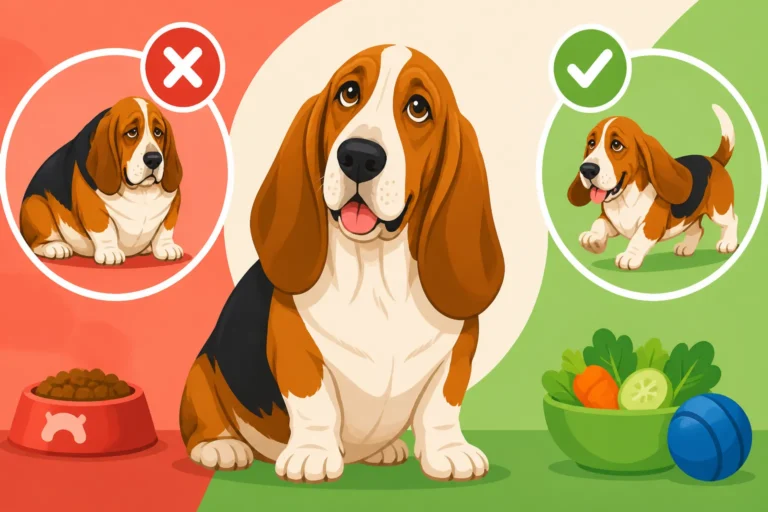
Whether a Basset Hound Needs Joint Support in Its Food
It's a common worry for many Basset Hound parents: with their distinctive long backs, short legs, and those endearing, heavy bodies, do our floppy-eared companions need a little extra help when it comes to their joints, right there in their food? You're not alone in pondering this, as the Basset Hound's unique conformation, while utterly charming, does predispose them to certain orthopedic challenges over their lifetime. This guide is here to unravel the complexities of Basset Hound joint health and help you decide whether incorporating joint support into their daily meals is the best choice for your beloved hound.
The Unique Joint Challenges of a Basset Hound's Anatomy
Let's be real, Basset Hounds are built like no other dog. Their signature low-slung, substantial build is part of what makes them so special, but it also means their skeletal system carries a unique set of demands and potential vulnerabilities. Understanding these inherent characteristics is the first step in appreciating why joint support might be more than just a passing thought for your Basset.
Understanding Achondroplasia and Its Impact
The very reason Basset Hounds look the way they do – those short, sturdy legs and elongated bodies – is due to a genetic trait called achondroplasia, a form of dwarfism. This isn't a defect, mind you, it's just how the breed is designed, a result of selective breeding over centuries to create a dog that could follow a scent trail at a walking pace, allowing hunters to keep up on foot. However, this particular body structure significantly changes the biomechanics of their joints. Their bones develop differently, often leading to bowed front legs and a heavy frame carried on relatively short limbs. This puts constant, specific stress on their elbows, shoulders, and spine that other breeds might not experience to the same degree. It’s not about weakness, it's about the physics of their structure.
Common Joint Issues in Basset Hounds (Elbows, Hips, Back)
Given their unique build, certain joint conditions are regrettably more prevalent in Basset Hounds. Elbow dysplasia is a particular concern, stemming from abnormal development of the elbow joint, which can lead to pain, lameness, and arthritis as they age. Similarly, while perhaps not as famous for it as some larger breeds, hip dysplasia can also occur, where the hip joint doesn't form correctly. This causes friction and eventual degeneration of the joint, leading to discomfort and reduced mobility.
Then there's the big one: their backs. That long, heavy spine, supported by those short legs, is a recipe for potential intervertebral disc disease (IVDD). Imagine a series of jelly-filled donuts (the discs) between bony blocks (the vertebrae). In Basset Hounds, these discs can degenerate or rupture, pressing on the spinal cord and causing immense pain, weakness, or even paralysis. This condition isn't strictly a "joint" issue in the same way as hip or elbow dysplasia, but it profoundly affects their mobility and comfort, often requiring similar considerations for support and management. Many owners find themselves grappling with these issues as their hounds reach middle age, making proactive care a significant topic. For more insights on this, you might want to read The Back Trouble a Basset Hound Is Built Into and Intervertebral Disc Disease in a Basset Hound.
The Role of Weight in Basset Hound Joint Health
If a Basset Hound's unique skeletal structure is one layer of the joint health puzzle, their propensity for carrying extra weight is another, equally critical one. These dogs are natural-born foodies, always on the lookout for a snack, and their soulful eyes can be incredibly persuasive. Unfortunately, every extra pound puts disproportionate stress on their joints, exacerbating any underlying orthopedic conditions they might have. Think about it: a Basset Hound's short legs mean their joints are already working harder to support their broad, heavy body. Add even a few extra pounds, and those joints are under immense strain, speeding up wear and tear and making conditions like arthritis much worse.
It's a vicious cycle sometimes. Joint pain makes them less inclined to move, which then makes it easier to gain weight, further worsening the pain. Keeping your Basset Hound at an ideal, lean weight is perhaps one of the most impactful things you can do for their joint health, regardless of whether you're adding supplements to their food. We talk more about this in What Extra Weight Does to a Basset Hound and Keeping a Basset Hound at Its Correct Weight. It's a constant battle for many of us, but one that is absolutely essential for their long-term well-being.
What Exactly is Joint Support in Dog Food?
So, we understand why Basset Hounds might need a little extra help. But what exactly are we talking about when we mention "joint support" in dog food or supplements? It's not just a buzzword; it refers to specific ingredients known for their roles in supporting cartilage health, reducing inflammation, and improving overall joint function.
Key Ingredients: Glucosamine, Chondroitin, and MSM
When you look at joint support products for dogs, you'll almost inevitably see a trio of ingredients at the forefront: glucosamine, chondroitin, and MSM. Think of them as the building blocks and protectors of your dog's joint cartilage.
- Glucosamine: This is an amino sugar that plays a crucial role in forming and repairing cartilage, the cushiony tissue that protects the ends of bones in a joint. It helps stimulate the production of proteoglycans, which are vital for cartilage elasticity and strength. Supplementing with glucosamine is thought to help repair damaged cartilage and prevent further breakdown, making movement smoother and less painful.
- Chondroitin Sulfate: Often paired with glucosamine, chondroitin is another natural component of cartilage. It works by inhibiting enzymes that break down cartilage and by attracting water into the cartilage, which helps with shock absorption and nutrient delivery. Together, glucosamine and chondroitin are like a dynamic duo for maintaining the integrity of joint tissue.
- MSM (Methylsulfonylmethane): This is a natural sulfur compound found in all living organisms. In joint supplements, MSM is included primarily for its anti-inflammatory properties and its role in connective tissue health. It can help reduce pain and swelling associated with arthritis and other joint conditions, and some studies suggest it may also help improve joint flexibility.
These three ingredients are often found together in therapeutic doses in joint-specific dog foods and supplements, working synergistically to address multiple aspects of joint health. Whether a Basset Hound Needs Glucosamine Early delves deeper into starting these supports.
Omega-3 Fatty Acids and Anti-inflammatory Benefits
Beyond the direct cartilage-building blocks, omega-3 fatty acids are another powerful component of joint support. You've likely heard of omega-3s for human health, and they offer similar incredible benefits for our canine companions, particularly when it comes to inflammation. The most beneficial omega-3s for dogs are EPA (eicosapentaenoic acid) and DHA (docosahexaenoic acid), which are primarily found in fish oil and certain algal oils.
These fatty acids work as potent anti-inflammatories, helping to reduce the pain and swelling often associated with joint conditions like arthritis. Chronic inflammation can severely damage joints over time, so anything that can naturally mitigate this process is hugely beneficial. By reducing inflammation, omega-3s can improve mobility, decrease stiffness, and ultimately enhance your Basset Hound's comfort and quality of life. They don't rebuild cartilage like glucosamine, but they create a healthier, less inflamed environment for the joints to function in, which is just as important.
Other Supportive Nutrients and Their Mechanisms
While glucosamine, chondroitin, MSM, and omega-3s are the stars of the show, many joint-supportive foods and supplements include other beneficial nutrients that play supporting roles. These can include:
- Vitamin C: An antioxidant that helps protect cells from damage and is essential for collagen synthesis, a key protein in connective tissues and cartilage.
- Manganese: A trace mineral crucial for the formation of bone and cartilage.
- Hyaluronic Acid (HA): A component of synovial fluid, which lubricates the joints. HA can help improve the viscosity of this fluid, leading to better joint cushioning and smoother movement.
- Green-lipped mussel (GLM): A natural source of omega-3s, glucosamine, chondroitin, and other minerals, often touted for its comprehensive joint benefits and anti-inflammatory effects.
- Herbal extracts: Ingredients like turmeric (curcumin), devil's claw, and boswellia are also sometimes included for their natural anti-inflammatory properties, often found in a more holistic blend of ingredients.
The precise blend and concentration of these ingredients will vary between products. The idea is to provide a multi-faceted approach to joint health, addressing not just cartilage repair but also inflammation, lubrication, and overall cellular support within the joint.
When to Consider Joint-Supportive Foods for Your Basset Hound
The timing of introducing joint support is a common question, and it really depends on your Basset Hound's age, activity level, and any existing health concerns. There's a strong argument to be made for both proactive and reactive approaches.
Proactive Support for Puppies and Young Adults
For Basset Hounds, given their unique conformation and predisposition to joint issues, many veterinarians and experienced breeders advocate for a proactive approach. This means starting joint support even before overt signs of discomfort appear. For puppies and young adults, this might look like a food formulated with moderate levels of joint-supporting ingredients, not necessarily therapeutic doses, but enough to provide a foundational level of support as their bodies grow and mature.
The logic here is simple: preventing or slowing down cartilage degeneration is far easier than trying to repair it once significant damage has occurred. By supporting healthy joint development from a young age, you can potentially mitigate the severity and onset of conditions like elbow or hip dysplasia and help maintain overall joint resilience. Some owners might also consider specific supplements for younger dogs if they have a family history of severe joint issues or show early, subtle signs of stiffness. It's about building a robust foundation.
Addressing Signs of Joint Discomfort in Middle Age
This is often when most Basset Hound owners start seriously considering joint support. "Middle age" for a Basset Hound can start surprisingly early, sometimes around 4-6 years old, depending on their individual health, weight, and genetics. You might notice subtle changes: a reluctance to jump onto the sofa, a little stiffness after waking up or after a long walk, or a slight limp that comes and goes. These are not just "getting old" signs; they are often indicators of early arthritis or other developing joint issues.
At this stage, a more targeted approach is usually recommended. This could involve transitioning to a prescription or high-quality commercial dog food specifically designed for joint health, which typically contains higher concentrations of glucosamine, chondroitin, and omega-3s. Alternatively, adding dedicated joint supplements to their existing food can be very effective. The goal is to manage pain and inflammation, slow the progression of joint degeneration, and maintain their quality of life as they move through their prime. This is where a veterinary consultation becomes particularly important to accurately diagnose the problem and tailor the best support plan. Many owners find that early intervention at this stage makes a huge difference in their dog's comfort levels. You may notice Arthritis in a Basset Hound at Seven starting to show its face around this age.
Essential Support for Senior Basset Hounds
As our beloved Bassets move into their senior years (typically starting around 7-8 years old), joint support often becomes not just advisable, but essential. By this point, most Basset Hounds will have some degree of arthritis or age-related joint stiffness, even if they've led a perfectly healthy life. Signs of aging joints can become more pronounced: difficulty rising, a slower gait, increased stiffness in cold weather, or an obvious reluctance to engage in activities they once loved. The internal link The Old Basset Hound That Cannot Get Off the Floor touches on the mobility challenges seniors face.
For senior Basset Hounds, comprehensive joint support is paramount. This typically involves a combination of a joint-friendly diet, high-potency supplements, and often, other therapies recommended by your vet, such as pain medication, physical therapy, or even alternative treatments. The focus shifts to maximizing comfort, maintaining mobility for as long as possible, and ensuring their golden years are as pain-free as they can be. Their quality of life is directly linked to how well we manage their joint health during this stage.
| Age Stage | Recommendation for Joint Support | Primary Goal |
|---|---|---|
| Puppy/Young Adult | Proactive, moderate levels in food or a general supplement | Support healthy joint development, build resilience |
| Middle Age | Targeted diets or dedicated supplements with higher doses | Manage early discomfort, slow progression of issues |
| Senior | Comprehensive, high-potency diets and supplements, vet-guided | Maximize comfort, maintain mobility, enhance quality of life |
Different Ways to Provide Joint Support
So, you've decided joint support is a good idea. Now, how do you actually get those beneficial nutrients into your Basset Hound? There are a few main avenues, each with its own pros and cons, and the best choice often depends on your dog's specific needs, your lifestyle, and your veterinarian's recommendations.
Commercial Diets Formulated for Joint Health
One of the easiest and most consistent ways to provide joint support is through commercial dog foods specifically formulated for joint health. These diets, often labeled "joint support," "mobility," or "senior" formulas, typically include glucosamine, chondroitin, and higher levels of omega-3 fatty acids right in the kibble. Some even incorporate other beneficial ingredients like green-lipped mussel or turmeric.
The biggest advantage here is convenience. You don't have to remember to give a separate supplement; your dog gets their joint support with every meal. These diets are also usually balanced, ensuring all nutritional needs are met without over-supplementing. Many reputable brands offer such formulas, which can be found at pet stores or online retailers like Chewy or Amazon. However, the downside is that the levels of active ingredients might be lower than what's available in standalone supplements, and for a Basset Hound with significant joint issues, it might not be enough on its own. It's also worth noting that switching foods can sometimes cause digestive upset, so any transition should be done gradually.
Adding Supplements to Regular Food
If your Basset Hound is doing well on their current food, or if you feel they need a higher dose of specific joint-supporting ingredients, adding standalone supplements is a popular and often very effective option. These come in various forms: chewable tablets, soft chews, powders, or liquid drops that you can simply mix into their regular meal. This method allows you to precisely control the dosage of each ingredient, which can be particularly useful if your vet recommends specific amounts based on your dog's weight and condition.
Many owners find this flexible approach appealing. You can select specific brands that focus on ingredient quality and potency. Brands like Cosequin or Dasuquin are widely respected in the veterinary community for their joint supplements. Whether a Basset Hound Needs Joint Supplements goes into more detail. The drawback, of course, is remembering to give the supplement daily, and some choosy Bassets might turn up their nose at certain flavors or textures. It's also essential to ensure you're not over-supplementing if their current food also contains joint support, as too much of a good thing can sometimes be detrimental.
Balancing Diet, Exercise, and Veterinary Care
It's crucial to remember that joint support, whether in food or as a supplement, is just one piece of a much larger puzzle. No amount of glucosamine will magically fix everything if other aspects of your Basset Hound's care are neglected. A holistic approach is always best.
This means coupling a joint-supportive diet with appropriate exercise that keeps their muscles strong without overstressing their joints. Short, frequent, gentle walks are often better than one long, strenuous outing. Regular veterinary check-ups are non-negotiable, allowing your vet to monitor their joint health, catch issues early, and adjust their treatment plan as needed. This might include pain management medications, anti-inflammatory drugs, or physical therapy sessions. Weight management, as we discussed, is paramount. Think of joint support in their food as an important tool in your arsenal, but not the only one. It works best when integrated into a comprehensive care plan.
Choosing the Right Joint Support for Your Basset Hound
With so many options out there, from different ingredients to various brands and delivery methods, how do you choose the right joint support for your individual Basset Hound? It can feel overwhelming, but a systematic approach, starting with professional advice, will guide you.
Consulting Your Veterinarian
This is, without a doubt, the most important first step. Before you make any significant changes to your Basset Hound's diet or start any new supplements, talk to your vet. They can accurately assess your dog's current joint health, diagnose any underlying conditions like arthritis or dysplasia, and help you determine the most appropriate course of action. They can recommend specific ingredients, dosages, or even prescription diets that might be best suited for your Basset's unique needs and health status.
Your vet knows your dog's history, current medications, and any other health concerns that might impact supplement choices. They can also help you differentiate between products that are merely "wellness" supplements and those that offer therapeutic levels of active ingredients. Don't rely solely on online reviews or anecdotal evidence; professional medical advice is invaluable here, especially with a breed as prone to orthopedic issues as the Basset Hound.
Deciphering Labels and Ingredient Quality
Once you have a general idea of what you're looking for, it's time to become a label detective. Not all joint supplements or joint-supportive foods are created equal. Look for products from reputable brands that have undergone third-party testing for purity and potency. Ingredients lists should be clear, and the active ingredient amounts should be specified, not just hidden within a proprietary blend.
When comparing products, pay close attention to the source of ingredients. For example, some glucosamine and chondroitin products are derived from shellfish or bovine cartilage, respectively. If your dog has any sensitivities, this is important to note. For omega-3s, look for fish oil from wild-caught, small fish (like sardines, anchovies, mackerel) to minimize mercury exposure, and ensure the product specifies the EPA and DHA content. Brands often found on Chewy or Amazon will list their ingredients in detail. A transparent label that clearly states the quantity of each active ingredient per serving is a sign of a trustworthy product. If a label is vague, it might be best to steer clear.
Comparing Standalone Supplements vs. Fortified Foods
The choice between a fortified food and a standalone supplement often comes down to the severity of your Basset Hound's joint issues and your preference.
- Fortified Foods: These are a great starting point for proactive support in younger Basset Hounds or for seniors with mild, age-related stiffness. They offer convenience and a consistent, balanced nutritional profile. However, if your Basset Hound has a confirmed diagnosis of moderate to severe elbow dysplasia, hip dysplasia Whether a Basset Hound Gets Hip Dysplasia, or significant arthritis, the levels of active ingredients in these foods might not be high enough to provide adequate therapeutic benefit. Think of them as foundational support.
- Standalone Supplements: These offer much higher, more targeted dosages of active ingredients. They are often recommended by vets for dogs with diagnosed joint conditions or for those who need a more intensive level of support. You can customize the specific blend of ingredients (e.g., more glucosamine, higher omega-3s) based on your vet's advice. This option provides greater flexibility but requires consistent administration and careful monitoring to ensure you're providing the correct dose.
Sometimes, a combination approach works best – a good quality, moderately fortified food along with a targeted supplement. It's about finding the balance that provides optimal support without overdoing it or breaking the bank What Joint Supplements Cost a Basset Hound Owner.
Practical Tips for Maintaining Basset Hound Joint Health Beyond Food
While specialized food and supplements are fantastic tools, true joint health for a Basset Hound is a symphony of care. It's about how they live their daily lives, the environment they inhabit, and the regular attention they receive from you and their vet.
Weight Management and Controlled Exercise
We've touched on this, but it bears repeating: keeping your Basset Hound at their ideal, lean weight is perhaps the single most important thing you can do for their joints. Those short legs and long back are already working overtime, and excess weight compounds the problem exponentially. Talk to your vet about what your Basset's ideal weight range is and stick to it religiously. It might mean carefully measuring food, limiting treats, or opting for low-calorie snacks.
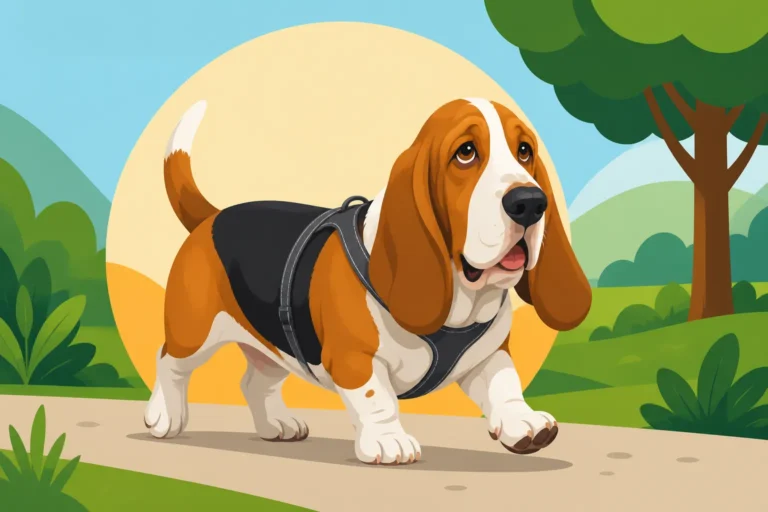
When it comes to exercise, "controlled" is the keyword. Basset Hounds aren't built for marathons or high-impact activities. Short, frequent walks on soft surfaces like grass are much better than long, jarring runs on pavement. Focus on activities that build muscle mass without stressing joints. Swimming can be an excellent low-impact exercise for Basset Hounds, provided they enjoy it and are properly supervised (they aren't natural swimmers!). Avoid activities that involve a lot of jumping, twisting, or rapid changes in direction, which can be particularly damaging to their spine and leg joints. Remember, a Basset's joy is often found in a good sniff, not a grueling workout.
Creating a Joint-Friendly Home Environment
Your home environment can profoundly impact your Basset Hound's joint comfort and safety. Think about the daily challenges their unique build creates. Slippery floors, for instance, can be a real hazard, leading to slips and falls that can injure already compromised joints or even cause severe back problems. Consider laying down rugs or non-slip runners in high-traffic areas.
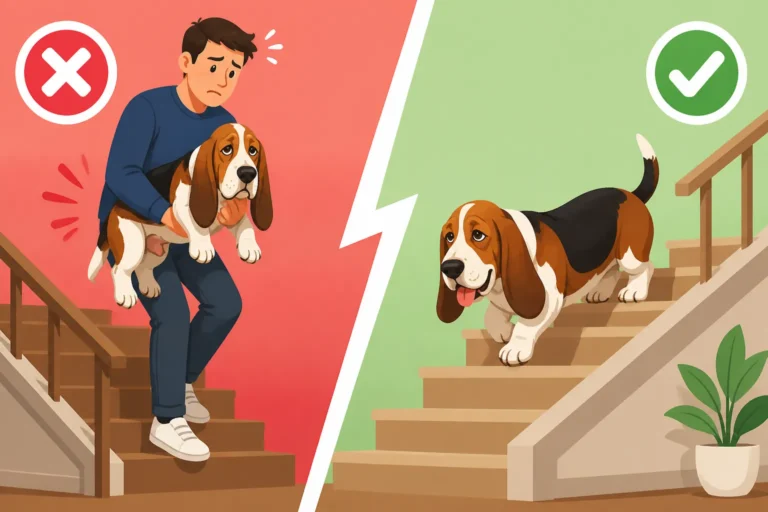
Ramps or steps are another game-changer. Allowing your Basset to jump on and off furniture or in and out of the car puts immense strain on their spine and joints over time. Investing in a sturdy ramp for the car or small steps for the sofa or bed can save them from unnecessary stress and potential injury. Whether a Basset Hound Should Use a Ramp provides more information on this. Providing orthopedic beds with good support can also make a huge difference, offering pressure relief and warmth to aching joints during rest. Raised food and water bowls can also help, reducing the need for them to stoop excessively, which can be hard on their necks and backs.
Regular Veterinary Check-ups and Early Intervention
Finally, consistent communication and regular visits to your veterinarian are paramount. Don't wait until your Basset Hound is visibly limping or showing severe signs of pain. Regular check-ups allow your vet to conduct physical examinations, monitor their gait, palpate their joints, and catch subtle signs of discomfort or degeneration early.
Early intervention is critical, especially with conditions like IVDD or arthritis. The sooner a problem is identified, the more options you have for management, from dietary changes and supplements to physical therapy, laser therapy, or even anti-inflammatory medications. Proactive management can significantly slow the progression of many joint conditions and extend your Basset Hound's comfortable, mobile years. Remember, your vet is your most important partner in ensuring your Basset Hound enjoys a long, happy, and pain-free life.
Disclaimer
This article is for general informational purposes only and does not constitute professional advice. Laws, prices and regulations vary by location and change over time. Consult a qualified professional for guidance on your specific situation.