Whether a Basset Hound’s Ears Should Be Dried After Swimming
One of the great joys of having a Basset Hound is watching their pure, unadulterated delight in exploring the world with their incredible nose, and sometimes that includes a splash in a puddle or a dip in a creek. But if you’re a Basset owner, you know that joy can quickly turn to anxiety when you think about those magnificent, pendulous ears and the mischief water can wreak inside them. It’s a common frustration: you want your dog to enjoy life, but you also dread the inevitable ear infection. This guide is going to walk you through exactly why drying your Basset Hound's ears after swimming isn't just a good idea, but an absolute necessity, and how to do it properly to keep those precious ears healthy and happy.
The Unique Vulnerability of a Basset Hound's Ears to Moisture
Let’s be honest, those long, floppy ears are a huge part of what makes Basset Hounds so endearing. But what makes them adorable also makes them incredibly prone to a whole host of ear troubles. It’s a classic Basset paradox! Unlike dogs with pricked ears that allow for plenty of air circulation, a Basset's ears create a warm, moist, and dark environment—perfect conditions for unwelcome guests to set up shop. Add water to that equation, and you’re essentially creating a five-star resort for bacteria and yeast.
Anatomy That Invites Trouble
The Basset Hound’s ear canal isn't just covered by that heavy, velvety flap; it's also long and winding, more like a labyrinth than a straight shot. This deep, convoluted structure means that any water that gets in during a swim or even a bath has a very hard time escaping on its own. Imagine trying to drain a bottle with a very narrow, twisty neck – that’s basically what your Basset's ear canal is like. Gravity, which would help dry out a German Shepherd’s ears, works against the Basset. The lack of airflow beneath those heavy ear flaps further exacerbates the problem, trapping moisture and heat right where you don't want it. If you've ever wondered why your Basset Hound's ear canal never dries, this is a huge part of the answer. It’s not a design flaw, it’s just how they’re built for scent work, keeping odors trapped near the nose, but it comes at a cost for ear health.
The Problem of Trapped Moisture
When water gets trapped in those deep canals, it softens the delicate skin lining the ear. This macerated skin is far more susceptible to irritation and infection. Think of how your own skin feels after a long bath – it’s softer, more wrinkled, and more easily damaged. For a Basset Hound, this condition combined with the lack of ventilation means bacteria and yeast that are naturally present in small numbers can multiply rapidly. Suddenly, a benign swim turns into a potential nightmare, setting the stage for discomfort, pain, and expensive vet visits. It’s a primary reason why many Basset Hounds are prone to chronic ear issues, and why a routine like the twice weekly ear ritual a Basset Hound owner signs up for becomes so vital.
Why Wet Basset Hound Ears Lead to Infection
It feels like a never-ending battle, doesn't it? One minute your Basset is joyfully splashing, the next you're dreading that familiar yeasty smell or constant head shaking. The reality is, even a quick dip can introduce enough moisture to tip the delicate balance in their ears, leading to a full-blown infection. Ignoring those wet ears is a gamble many Basset owners learn not to take.
The Breeding Ground for Yeast and Bacteria
Those dark, warm, and now moist ear canals become the perfect incubator. The most common culprits behind Basset Hound ear infections are yeast, particularly Malassezia pachydermatis, and various types of bacteria. These organisms thrive in damp conditions. When the ear canal stays wet after swimming, it creates an anaerobic environment that many problematic bacteria adore.
Yeast infections often present with a sweet, sometimes pungent, odor and a brownish, waxy discharge. Bacterial infections, on the other hand, might produce a more foul smell and yellow or greenish pus. Sometimes, it’s a double whammy, with both yeast and bacteria thriving together. If you're ever asking yourself whether yeast or bacteria is in a Basset Hound's ear, the answer is often "both," and persistent moisture is the key factor enabling their growth. The resulting inflammation and itching can be intense, leading your Basset to scratch at their ears or shake their head constantly, sometimes causing further trauma.
The Cascade of Complications
Beyond the immediate discomfort of an infection, chronically wet and infected ears can lead to more serious, long-term complications. Repeated infections cause thickening and narrowing of the ear canal, a condition known as stenosis. This makes future infections even harder to treat and can eventually lead to permanent hearing loss. Imagine the frustration for your Basset, constantly itchy and in pain, with diminishing hearing. In severe cases, the chronic inflammation can even lead to the formation of polyps or masses within the ear canal.
Then there's the risk of aural hematomas. When a Basset Hound repeatedly shakes its head vigorously due to an itchy or painful ear, the force can rupture blood vessels in the ear flap, causing a large, blood-filled swelling. This is incredibly painful for your dog and almost always requires veterinary surgery to correct. The cost of an aural hematoma repair on a Basset Hound can be significant, and it’s a stark reminder of how seemingly minor ear issues can escalate. This is where having pet insurance like that offered by Healthy Paws can be a real lifesaver, helping to cover unexpected surgical costs arising from ear complications.
How to Effectively Dry a Basset Hound's Ears After Swimming
So, you've accepted that drying those magnificent ears is a non-negotiable part of responsible Basset ownership, especially after a dip. But how exactly do you do it? It’s not just about a quick towel wipe; it requires a bit more technique to ensure you’re reaching deep enough without causing harm.
Step-by-Step Drying Process
Making ear drying a routine immediately after any water exposure is key. Here's a simple yet effective process:
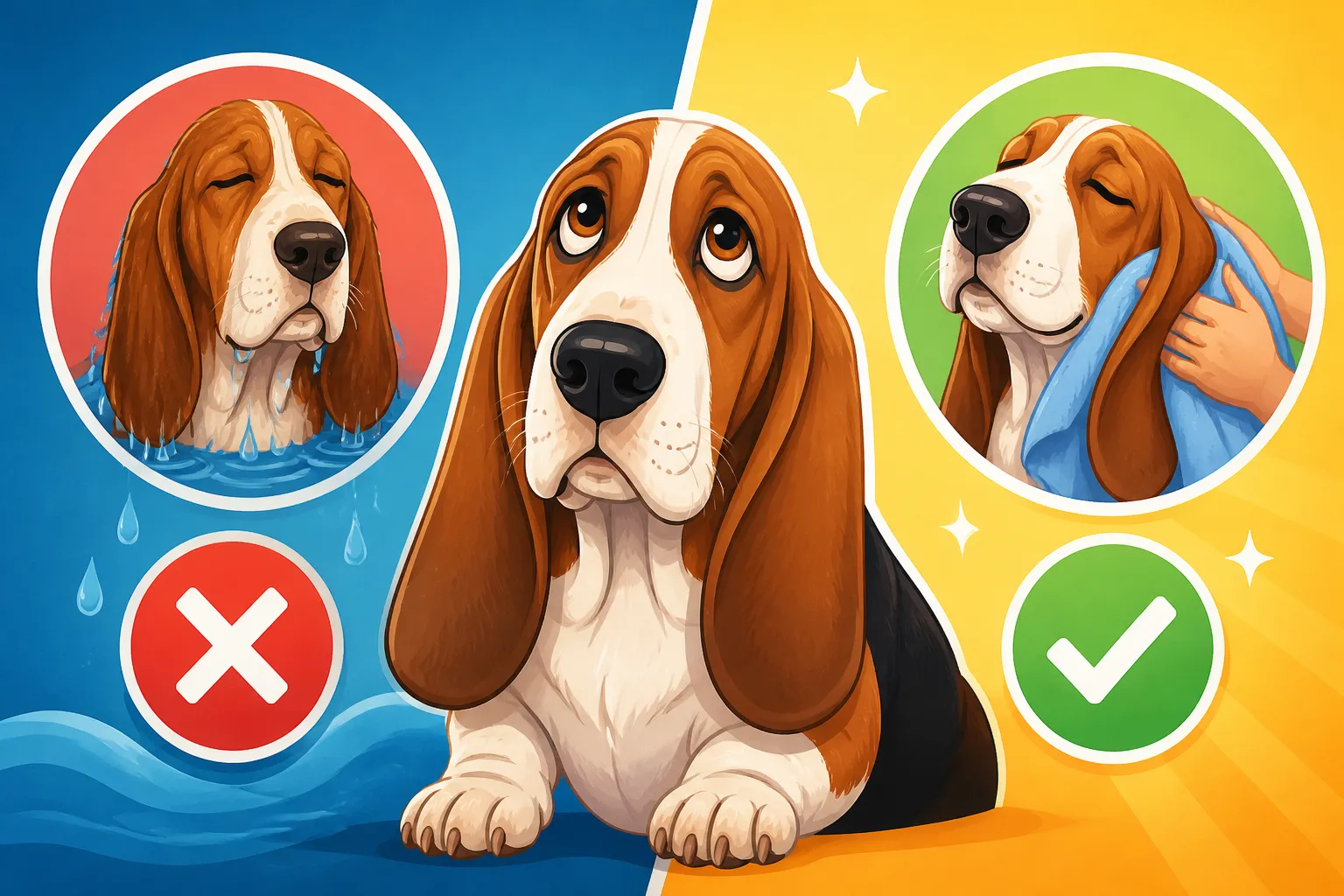
- Initial Towel Dry: As soon as your Basset Hound finishes their swim, gently but thoroughly towel dry the outside of their ear flaps, working from the base to the tip. Don't forget the skin folds and creases on the underside of the flap – moisture can hide anywhere.
- Ear Cleaner Application: This is where you bring in the big guns. A good quality, veterinary-recommended ear cleaner designed for drying and acidifying the ear canal is crucial. Look for one that contains drying agents like witch hazel or boric acid. Apply the cleaner directly into the ear canal as instructed on the bottle. Gently massage the base of the ear for 30 seconds to allow the solution to work its way deep into the canal and break up any water or debris. You'll likely hear a squishy sound, which means it's doing its job!
- Allow Head Shaking: After massaging, stand back and let your Basset shake their head vigorously. This action helps to dislodge and expel the cleaner along with any trapped water and debris. It might get a little messy, but it's an important part of the process.
- Wipe Away Excess: After the head shake, use a clean cotton ball or soft gauze to gently wipe out the accessible parts of the ear canal. Never use cotton swabs (Q-tips) deep in the ear canal, as this can push debris further in or damage the delicate eardrum. Stick to what you can see. The goal is to remove any remaining liquid or gunk that has been brought up.
- Repeat if Necessary: For Bassets particularly prone to ear issues or after a prolonged swim, you might consider a second application of the ear cleaner. Always ensure the ear is as dry as possible before calling it a day.
Choosing the Right Ear Drying Solution
Not all ear cleaners are created equal, and for Basset Hounds, you need one that specifically addresses moisture and pH balance. An ideal ear cleaner will have:
- Drying Agents: Ingredients like alcohol (in moderation), boric acid, or witch hazel help evaporate residual moisture.
- Acidifying Agents: These lower the pH of the ear canal, creating an environment less hospitable to yeast and bacteria. Look for ingredients like acetic acid (vinegar) or salicylic acid.
- Antiseptic Properties: Some cleaners also contain mild antiseptics to help prevent bacterial or yeast overgrowth.
Talk to your vet about which ear cleaner suits a Basset Hound best for post-swim care. They can recommend a specific brand like Epi-Otic, MalAcetic, or similar products that are gentle yet effective. Having a reliable cleaner on hand is just as important as having a good leash when you own a Basset. While these specific ear cleaners can be purchased from your vet, they are also widely available at pet stores like Petco and PetSmart or online retailers. If your Basset struggles with this routine, remember that training them to tolerate ear cleaning is possible, starting with gentle handling when they are puppies.
Preventative Measures and Ongoing Ear Health
Drying your Basset's ears after swimming is crucial, but it's part of a larger picture of proactive ear health. To truly safeguard those magnificent, floppy ears, you need a consistent routine and a keen eye for early warning signs.
Establishing a Regular Ear Care Routine
Beyond immediate post-swim drying, a consistent ear cleaning schedule is your best defense against infections. For most Basset Hounds, cleaning their ears once or twice a week is recommended, even if they haven't been swimming. This routine helps to remove wax, debris, and any budding yeast or bacterial colonies before they get out of hand. Think of it as preventative maintenance, much like changing the oil in your car.
During these regular checks, always look for the signs a Basset Hound's ear has gone bad. Redness, swelling, excessive discharge (especially dark brown, yellow, or green), a foul odor, tenderness, or your dog frequently shaking their head or scratching their ears are all red flags. Catching these signs early can save you a lot of heartache and your Basset a lot of discomfort. If you notice any of these symptoms, a trip to the vet is in order. Timely intervention can prevent a mild issue from spiraling into a chronic problem or even requiring advanced treatments like a total ear canal ablation on a Basset Hound, which is a costly and invasive procedure.
Managing Environmental Factors and Activities
Consider how your Basset interacts with water. If your Basset Hound's ears trap water frequently, you might want to encourage swimming in cleaner bodies of water, or even consider doggy earplugs designed for bathing or swimming, though these can be tricky to keep in place. If your Basset loves to play in tall, wet grass, the same principles apply – moisture can cling to those long ear flaps and wick into the canal.
For Bassets who absolutely adore water, or if you live in a humid climate, increasing your ear cleaning frequency might be a wise decision. Some owners even gently tie their Basset's ears back while they're drying after a bath or swim to improve airflow, though you should never leave them tied for extended periods or too tightly. This practice helps ensure proper ventilation and speeds up the drying process. Remember, the goal is to keep those canals as dry and aerated as possible.
The Role of Veterinary Care and Insurance
Despite your best efforts, Basset Hounds can still develop ear infections. It’s just their nature. Regular veterinary check-ups are essential. Your vet can examine the ears with an otoscope, identify issues early, and recommend specific treatments, which might include medicated ear drops or antibiotics. For chronic issues, they might suggest specific diagnostics like an ear culture to identify the exact type of bacteria or yeast involved, allowing for targeted treatment.
Understanding what chronic ear treatment costs a Basset Hound owner can be daunting. From diagnostic tests to specialized medications and repeat visits, the expenses can add up quickly. This is precisely where pet insurance providers like Healthy Paws become invaluable. A comprehensive policy can help cover a significant portion of veterinary bills for recurring conditions, giving you peace of mind and ensuring your Basset gets the best possible care without financial strain. Don't wait until an ear issue becomes severe; preventative care and a good insurance plan are your best friends in managing your Basset Hound's unique ear health needs.
| Drying Method | Pros | Cons | Best For |
|---|---|---|---|
| Towel Drying | Quick, accessible, good for outer ear and initial moisture | Doesn't reach deep into the canal; insufficient on its own | Initial wipe-down, surface moisture |
| Veterinary Ear Cleaner | Effectively breaks down water/debris; acidifies canal; dries | Requires cooperation from dog; can be messy; needs specific product | Deep canal drying, preventative measure, post-swim |
| Gentle Air Drying | Natural, no tools needed (with caution) | Slow; not effective for Bassets without assistance; risks infection | Not recommended as sole method for Bassets after swimming |
| "Ear Pinning" (Temporary) | Improves airflow under ear flap | Requires careful monitoring; not a substitute for cleaning/drying | Complementary step after cleaner, for short periods |
Navigating Persistent Ear Issues
Even with diligent drying and cleaning, some Basset Hounds seem predisposed to recurrent ear infections. This can be incredibly frustrating for owners, making you feel like you're constantly fighting a losing battle. If your Basset experiences frequent infections, it’s time to dig a little deeper with your veterinarian.
There might be underlying factors at play, such as allergies. Many Basset Hounds suffer from environmental or food allergies, and one of the primary symptoms can be chronic ear inflammation and infection. Addressing the allergy itself can significantly reduce ear problems. Your vet might recommend a hypoallergenic diet trial or allergy testing to pinpoint the cause. Sometimes, structural abnormalities in the ear canal, or even hypothyroidism, can contribute to ongoing ear issues. Don't be afraid to seek a referral to a veterinary dermatologist or internal medicine specialist if your regular vet is struggling to get the infections under control. They can offer advanced diagnostics and treatment plans tailored to your Basset's specific needs, helping to prevent the irreversible damage that can lead to a Basset Hound going deaf from ear disease.
Disclaimer
The information provided in this article is for general informational purposes only and is not a substitute for professional veterinary advice. Always consult with a qualified veterinarian for any health concerns or before making any decisions related to your Basset Hound's medical care.