Whether a Basset Hound Breeder Screens for Glaucoma
One of the most concerning things for any prospective Basset Hound owner is the thought of their beloved floppy-eared companion facing a serious, painful inherited health condition. Glaucoma, a condition that can lead to blindness, is unfortunately one of those worries. It’s natural to feel overwhelmed when researching breeders, trying to understand what health screenings they should be doing, and whether they’re truly taking every step to protect their puppies. This guide will help you understand whether a Basset Hound breeder screens for glaucoma and what that really means for you and your future family member.
Understanding Glaucoma in Basset Hounds
Glaucoma is a cruel disease that increases pressure within the eye, leading to pain and, if left untreated, irreversible blindness. For Basset Hounds, it's not just a random occurrence; there's a significant genetic component, making a breeder's role in screening absolutely critical.
The Genetic Predisposition
Basset Hounds are particularly susceptible to a condition known as Primary Open-Angle Glaucoma (POAG). This isn't a glaucoma caused by injury or another underlying illness; it's an inherited condition where the drainage angle of the eye, which allows fluid to flow out, is malformed or functions improperly. Imagine a sink with a slow drain – eventually, the water backs up. In the eye, this "backed up water" is the intraocular fluid, and its accumulation causes immense pressure on the optic nerve, leading to excruciating pain and eventual vision loss. It's a heartbreaking reality for many Basset owners, and knowing that your future pup could be predisposed to this genetic condition can be truly terrifying. The thought of your Basset Hound suffering silently or losing their sight too soon is a deep-seated fear many potential owners face.
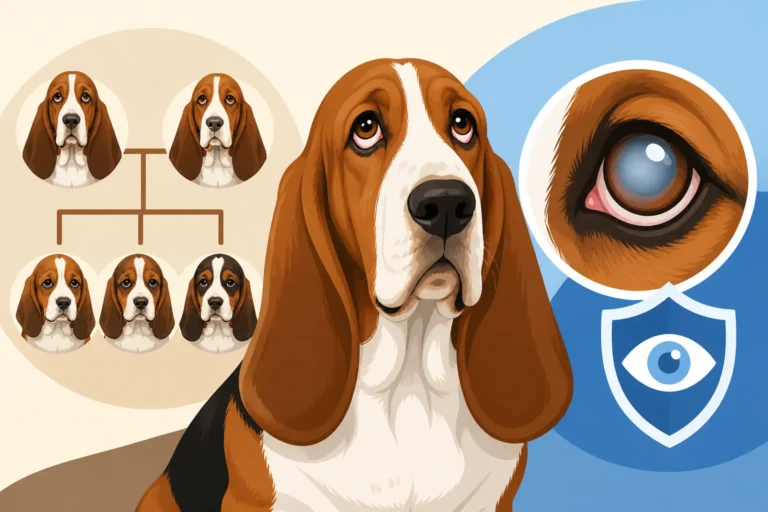
This specific type of glaucoma, POAG, is typically passed down as an autosomal recessive trait. What this means in simpler terms is that a dog needs to inherit two copies of the faulty gene (one from each parent) to be affected by the disease. Dogs that inherit only one copy are considered carriers. They won't develop glaucoma themselves but can pass the gene on to their offspring. This makes breeder screening incredibly important, as even parents who appear perfectly healthy could unknowingly be passing on the gene. Understanding The Glaucoma a Basset Hound Inherits is key to appreciating the seriousness of this genetic link.
The Importance of Early Detection
Catching glaucoma early in Basset Hounds is paramount. The insidious nature of the disease often means that by the time an owner notices obvious symptoms like a visibly red eye, pupil dilation, or cloudy appearance, significant damage may have already occurred. The pain can be subtle at first, manifesting as a change in behavior, reluctance to play, or rubbing at the face, which can be easily dismissed as other minor ailments. By the time the eye appears swollen or the dog is clearly bumping into things, the window for effective treatment to save vision might be closing rapidly. Many owners feel immense guilt when they realize how long their dog might have been in discomfort before the signs became undeniable.
The progressive nature of glaucoma means that without intervention, the eye pressure continues to climb, slowly but surely destroying the optic nerve. Unfortunately, this often leads to Whether a Basset Hound Goes Blind From Glaucoma. Regular veterinary check-ups are important, but for Basset Hounds, proactive eye screening is what truly provides a fighting chance. While no screening can completely eliminate risk, it can alert you to potential issues earlier, allowing for management strategies that may extend your dog's comfortable vision for as long as possible. Early detection is not just about saving sight; it's about minimizing pain and maximizing quality of life, which is what every Basset owner desperately wants for their loyal companion.
How Responsible Basset Hound Breeders Approach Glaucoma Screening
Reputable Basset Hound breeders understand the significant health challenges associated with their breed, including glaucoma. They don't just hope for the best; they proactively invest in specific health screenings for their breeding stock to minimize the risk of passing on inherited diseases. This dedication to health goes far beyond simple vet checks.
OFA and CERF Eye Exams
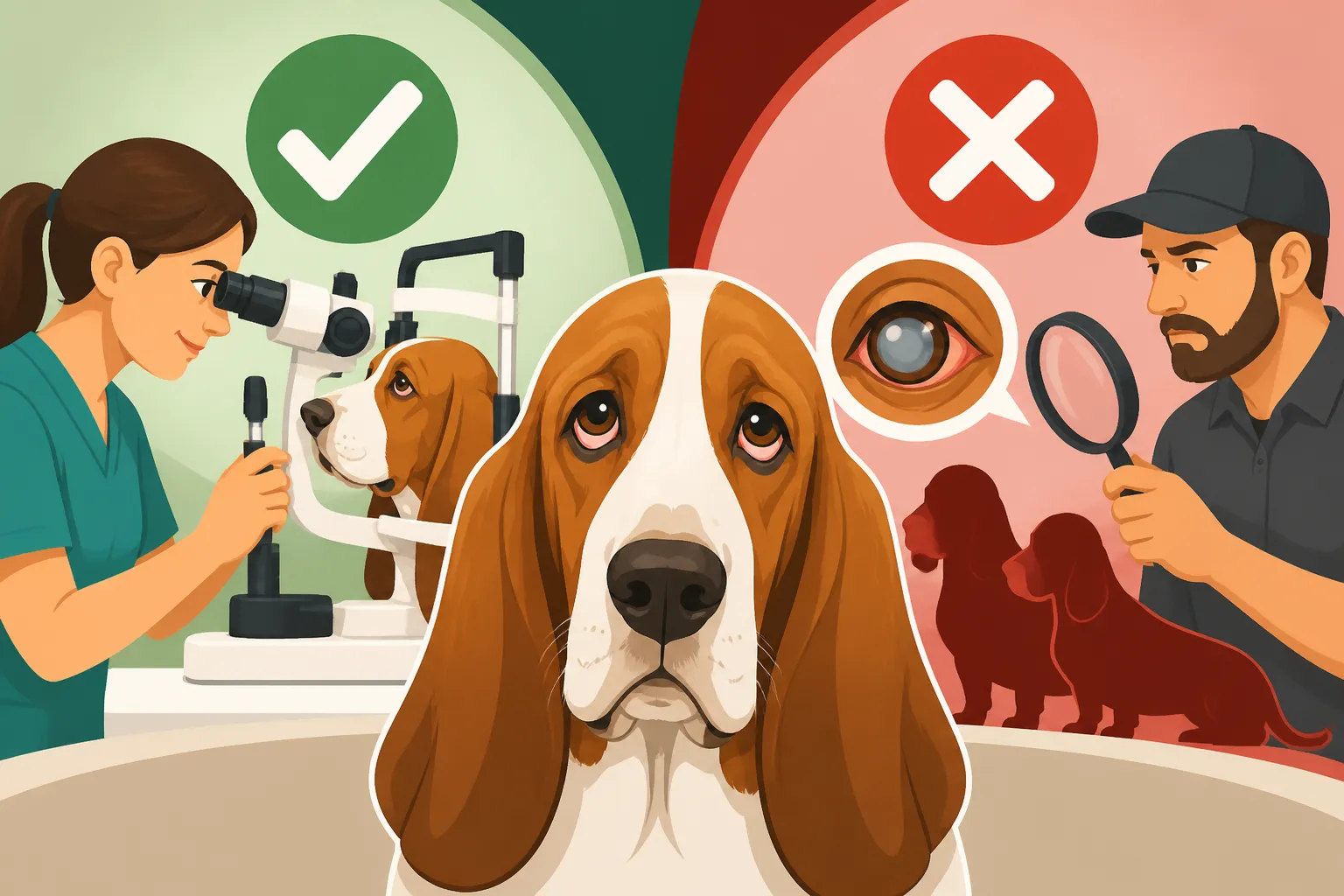
One of the cornerstones of responsible Basset Hound breeding for eye health is the Canine Eye Certification Examination, often referred to by its former name, CERF (Canine Eye Registry Foundation), or through the Orthopedic Foundation for Animals (OFA) Eye Certification Registry program. These certifications are not just basic vet check-ups; they are comprehensive eye exams performed by board-certified veterinary ophthalmologists. These specialists have advanced training and equipment specifically for diagnosing eye conditions. When you're looking for a puppy, seeing these certifications for both parents should be non-negotiable.
During an OFA Eye Certification exam, the ophthalmologist performs several critical procedures. They'll use an ophthalmoscope to examine the internal structures of the eye, checking for abnormalities in the retina, optic nerve, and lens. Critically for Basset Hounds, they perform a gonioscopy. This specialized examination uses a contact lens with mirrors to directly visualize the eye's drainage angle – the area most prone to issues in Bassets with POAG. This allows them to assess if the angle is open, partially open, or completely closed, indicating a predisposition to glaucoma. They may also use a tonometer to measure intraocular pressure, although this is more for identifying active glaucoma than a predisposition. These rigorous tests provide invaluable insights into a dog's eye health, and a good breeder will proudly share these results, demonstrating their commitment to the breed's well-being. Knowing Whether a Basset Hound Can Be Tested for Glaucoma through these means empowers you to ask for proof.
Genetic Testing for Primary Open-Angle Glaucoma (POAG)
Beyond the physical eye exams, modern science offers an even more precise tool for breeders: genetic DNA testing for Primary Open-Angle Glaucoma. The OFA, for example, lists specific laboratories that offer DNA testing for POAG in Basset Hounds. This test directly identifies whether a dog carries the specific gene mutation associated with the disease. This is a game-changer for ethical breeding, as it allows breeders to make informed decisions and prevent the production of affected puppies.
The genetic test provides clear results: a dog can be "Clear" (meaning they don't have the mutation and cannot pass it on), a "Carrier" (meaning they have one copy of the mutation and won't develop the disease but can pass it on), or "Affected" (meaning they have two copies of the mutation and are likely to develop glaucoma). A responsible breeder will use these results to ensure that at least one parent in a mating pair is "Clear." For instance, a "Clear" dog can be bred with a "Carrier" dog without producing affected puppies, though some offspring might be carriers themselves. However, a responsible breeder would never breed two "Carrier" dogs together, nor would they breed an "Affected" dog, as this guarantees producing affected offspring. This proactive genetic screening is vital for eradicating such devastating inherited diseases from future generations of Basset Hounds. Breeders who commit to this level of screening are showing true dedication to the long-term health of the breed, helping to prevent the pain and blindness associated with What Open Angle Glaucoma Does to a Basset Hound.
What to Look For in a Breeder Regarding Glaucoma
Navigating the world of Basset Hound breeders can be confusing, especially when you’re trying to understand complex health clearances. It’s easy to feel intimidated, but asking the right questions and knowing how to interpret the answers is crucial for finding a puppy from a truly responsible source. Your diligence now can save you and your future Basset a lifetime of potential heartache and expensive treatments.
Asking the Right Questions
When you first connect with a Basset Hound breeder, don't be shy about asking direct questions regarding glaucoma. A reputable breeder will not only welcome your inquiries but will also appreciate your thoroughness. Start by asking if both parent dogs have had their eyes examined by a board-certified veterinary ophthalmologist and whether they have current OFA Eye Certification (or CERF if the older term is used). Follow up by asking if they perform genetic testing for Primary Open-Angle Glaucoma (POAG). Many breeders might say their vet "checked their eyes," but this is not the same as a specialist ophthalmologist exam or a DNA test. You need to verify they've gone the extra mile.
Furthermore, inquire about the presence of glaucoma in their breeding lines or in any previous litters. While genetic testing helps, a breeder's long-term experience and honesty about historical health issues in their dogs can provide valuable context. A good breeder will be transparent about any carriers in their program and explain how they manage their breeding decisions to avoid producing affected puppies. If a breeder seems defensive, dismissive, or unwilling to share detailed health information, that's a significant red flag. You're not just buying a puppy; you're investing in a healthy future, and transparency is a non-negotiable part of that. This also relates to broader health screening, as discussed in The Health Tests a Basset Hound Breeder Should Run.
Interpreting Health Clearances
Once you’ve asked the questions, you need to understand the answers and verify the documentation. A responsible breeder will provide you with physical copies or links to online databases (like the OFA website) for the health clearances of both parents. For eye certifications, look for the official OFA Eye Certification Registry form or a CERF certificate. These documents will clearly state the dog's name, breed, date of birth, and the results of the ophthalmologist's exam, including findings for glaucoma or any other inherited eye diseases. The certification should be current, typically renewed annually.
For genetic testing for POAG, you’ll want to see a laboratory report (e.g., from OFA or another reputable genetic testing lab) that clearly identifies the dog as "Clear," "Carrier," or "Affected." This report should match the parent dog's microchip or tattoo number for verification. Remember, a "Carrier" status isn't necessarily a deal-breaker if they are bred to a "Clear" dog, but you need to understand the implications for the puppies. Any breeder who cannot produce verifiable, up-to-date documentation for these critical health screenings should be avoided. Don't be swayed by charming photos or lower prices; the peace of mind that comes from knowing your puppy's parents were thoroughly screened is priceless. Even with the best screening, unexpected health issues can arise, which is why having a robust pet insurance plan, like one from Healthy Paws, can be incredibly beneficial for covering future veterinary expenses. It's a sensible financial safeguard for responsible pet ownership.
| Test Type | Performed By | What it Checks | Basset Hound Relevance |
|---|---|---|---|
| OFA Eye Certification | Board-Certified Vet Ophthalmologist | Comprehensive ocular health, including drainage angle | Essential for identifying structural predispositions to POAG |
| Gonioscopy | Board-Certified Vet Ophthalmologist | Direct visualization of the eye's drainage angle | Critical for assessing the specific risk of POAG |
| POAG Genetic DNA Test | Genetic Laboratory (via buccal swab) | Presence of specific gene mutation linked to POAG | Identifies "Clear," "Carrier," or "Affected" status for breeding decisions |
| Tonometry (Eye Pressure) | Vet Ophthalmologist / General Vet | Measures intraocular pressure | Used to diagnose active glaucoma, not solely for screening predisposition |
The Reality of Screening and What it Means for You
Even with the best intentions and diligent research, the reality of health screening in Basset Hounds can sometimes be a mixed bag. Understanding why some breeders screen rigorously and others don't, along with your ongoing role in your Basset's eye health, is a crucial part of responsible ownership.
Why Not All Breeders Screen
It’s a sad truth that not all Basset Hound breeders prioritize comprehensive health screening for conditions like glaucoma. The primary reasons often boil down to cost and perceived inconvenience. Specialized eye exams by board-certified ophthalmologists and genetic DNA tests are not cheap, and these expenses add up, especially for a breeder with multiple breeding dogs. Some less scrupulous individuals, often referred to as backyard breeders or puppy mills, will cut corners to maximize profit. They might rely on a general veterinary check-up, which, while important for overall health, does not include the specialized assessments needed to detect inherited eye conditions like POAG. They may tell you the parents are "healthy" without offering any verifiable certifications.
This lack of screening can have devastating consequences. Pups from such breeders are at a much higher risk of developing genetic conditions, leaving new owners facing astronomical veterinary bills and the emotional toll of a sick pet. It's truly a frustration that some breeders put profit over the well-being of their animals. This highlights why it’s so important to be an educated buyer and to choose a breeder who can prove their commitment to health. If you are ever offered a Basset Hound puppy at an unusually low price without any health clearances, consider it a significant warning sign, as detailed in Whether a Cheap Basset Hound Is a Warning Sign. Your decision directly impacts whether such irresponsible practices continue.
The Lifelong Commitment to Eye Health
Even if you find a Basset Hound from parents with impeccable health clearances for glaucoma, your vigilance as an owner doesn't end there. Health screening significantly reduces the risk, but no screening can offer a 100% guarantee against all health issues or unforeseen circumstances. Glaucoma can also manifest in forms not directly related to the POAG gene, such as secondary glaucoma caused by an injury or another eye disease. Therefore, maintaining a lifelong commitment to your Basset Hound's eye health is essential.
This commitment includes regular veterinary check-ups, where your vet will visually inspect your dog’s eyes. More importantly, it means being aware of the subtle signs of eye discomfort or changes in appearance. Don't hesitate to contact your vet immediately if you notice redness, cloudiness, dilated pupils, excessive tearing, or if your Basset is rubbing its eyes or seems to be struggling with vision. Early intervention can make a huge difference in managing the disease and preserving vision. Discuss with your veterinarian Whether a Basset Hound Needs a Yearly Eye Pressure Check as part of their routine care, especially as they age or if there's any family history of eye problems. While screening from a breeder provides an excellent foundation, having a safety net like comprehensive pet insurance, such as that offered by Healthy Paws, can alleviate the financial strain if unexpected eye conditions or other health issues arise down the line. It ensures you can always make the best medical decisions for your beloved Basset without financial worry.
Disclaimer
This article is intended for informational purposes only and does not constitute veterinary advice. Always consult with a qualified veterinary professional for any health concerns or before making any decisions related to your Basset Hound's care.