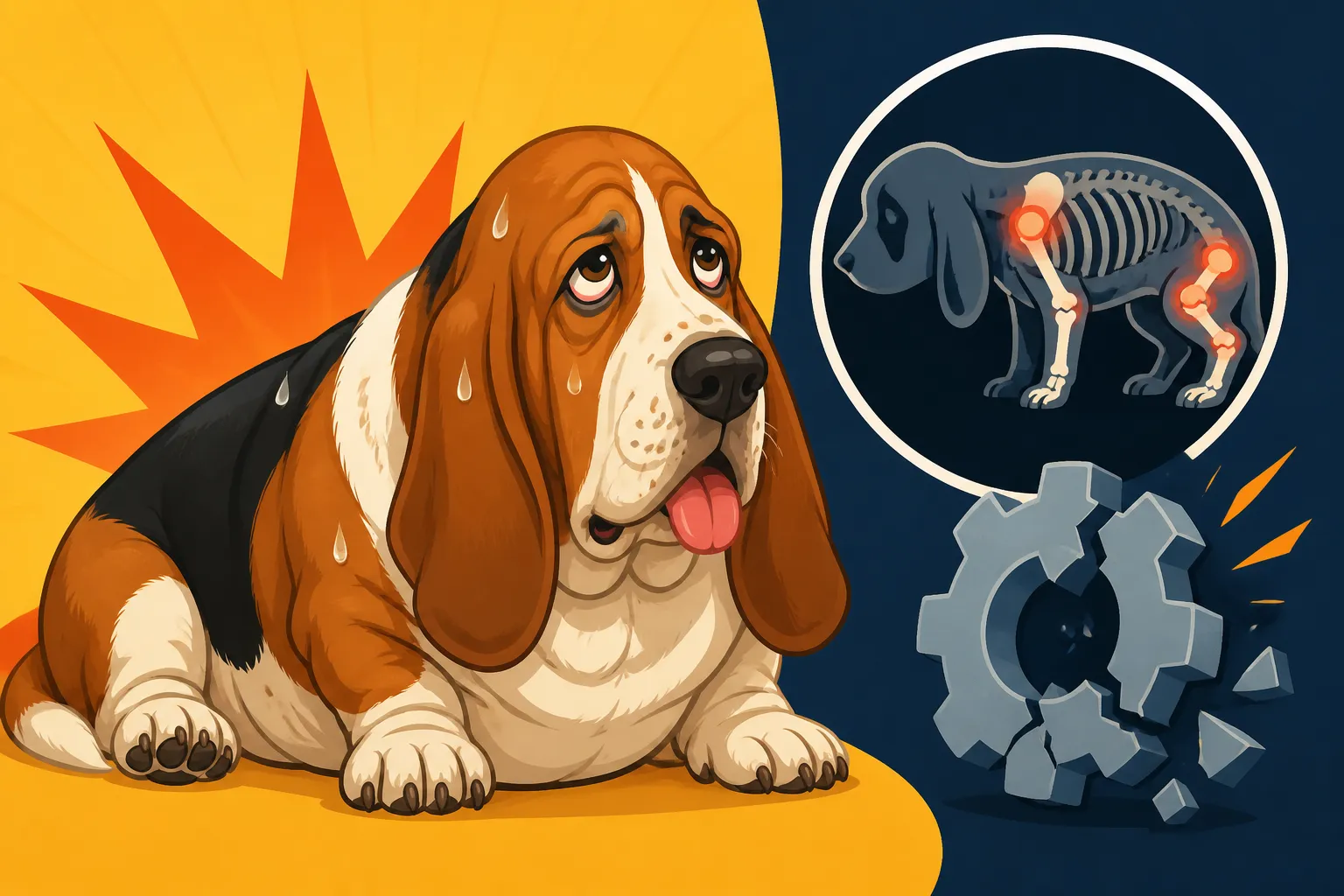
Why a Heavy Basset Hound Breaks Down Faster
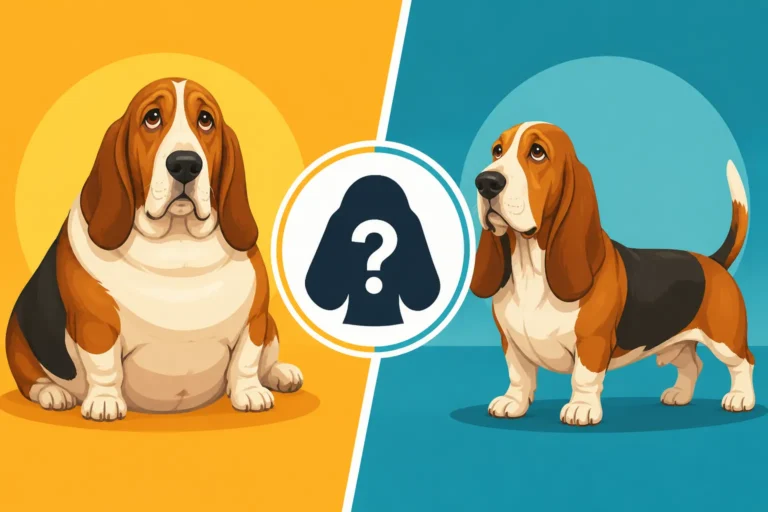
It's a common sight: a Basset Hound, all floppy ears and soulful eyes, looking a bit rounder than they perhaps should. While that extra 'cushion' might seem cute or even natural for their sturdy build, the truth is, a heavy Basset Hound isn't just carrying a few extra pounds; they're carrying a ticking time bomb for their health. Their unique anatomy, while endearing, is particularly vulnerable to the strains of excess weight, leading to a host of problems that can dramatically shorten their lifespan and diminish their quality of life. This guide will explore exactly why those extra pounds are so detrimental to a Basset Hound, the specific health issues they accelerate, and what you can do to help your beloved companion lead a healthier, happier, and longer life.
The Unique Basset Hound Build and Why Weight Hits Differently
Basset Hounds are truly one-of-a-kind, aren't they? That long body, those short, stout legs, and their heavy bone structure are all part of their charm. But what makes them so adorable also makes them incredibly susceptible to the detrimental effects of carrying too much weight. It’s not just about looking chunky; it's about how that weight impacts a body already designed with specific anatomical quirks.
The Achondroplastic Skeleton's Vulnerability
Our Bassets are what we call chondrodystrophic, or achondroplastic, which is a fancy way of saying they have a form of dwarfism. This is what gives them their characteristically short legs and that famously long, heavy body. Think of it like a bridge: a normal dog's spine is a well-supported arch, but a Basset's spine is a long, low-slung suspension bridge. Now imagine adding heavy loads to that bridge. Every extra pound your Basset carries puts disproportionate pressure on their joints and their incredibly long, delicate spine. This isn't just general wear and tear; it's pinpointed, intense stress on a structure that already has its inherent challenges. When we talk about The Crooked Front a Basset Hound Is Built On, it's a testament to how their unique limb structure is already under strain, even at a healthy weight.
This heavy, low-slung build means that their frame is constantly working harder to counteract gravity. Their strong, dense bones are built for endurance and scent work, not for supporting excessive bulk. A Basset's short legs mean less leverage and more strain on their joints with every step, and when they're overweight, that strain is compounded. It’s like asking a mini-van to carry the load of a semi-truck; eventually, something has to give. This inherent predisposition is why weight management is not just important for a Basset Hound, it's absolutely critical for their structural integrity.
Understanding the Strain on Joints and Spine
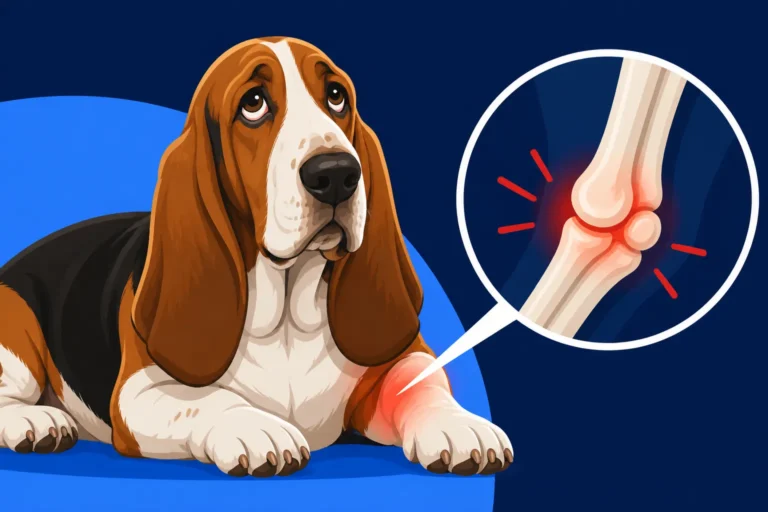
The impact of extra weight isn't evenly distributed; it zeroes in on the most vulnerable parts of a Basset Hound's anatomy: their joints and their spine. Consider their elbows, for instance. Basset Hounds are already prone to issues like elbow dysplasia due to their rapid bone growth and unique limb conformation. Adding excess weight dramatically increases the compressive forces on these already compromised joints. What might be a mild case of Elbow Dysplasia in a Basset Hound at a healthy weight can quickly become a severely painful and debilitating condition when an animal is carrying too much.
Similarly, their elongated spine, coupled with their heavy frame, makes them prime candidates for disc problems. Each intervertebral disc acts as a cushion between the vertebrae. When a Basset is overweight, the constant pressure on these discs intensifies. Imagine squeezing a jelly donut between two heavy plates – that's essentially what happens to a Basset's discs with excess weight. This can lead to disc herniation, pain, nerve damage, and even paralysis. It’s a harsh reality that The Back Trouble a Basset Hound Is Built Into is only made exponentially worse by obesity. Maintaining a healthy weight is the single most impactful thing you can do to protect your Basset's skeletal health.
Direct Health Consequences of Excess Weight in Basset Hounds
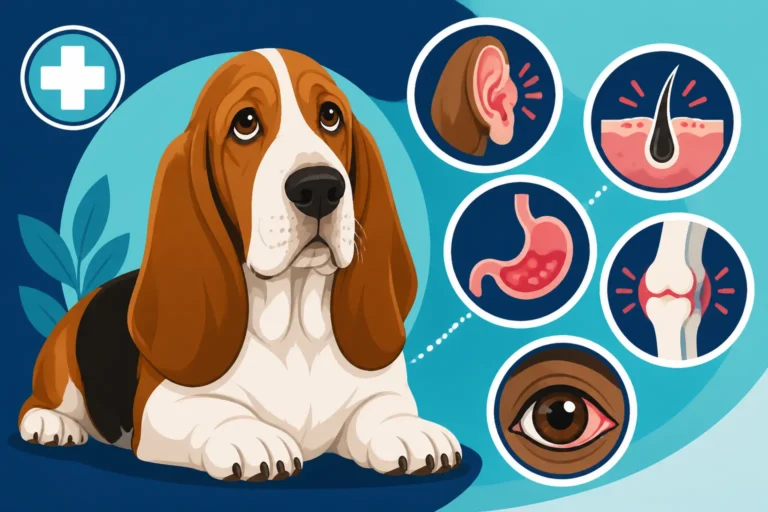
Beyond the general discomfort, excess weight in Basset Hounds leads directly to a cascade of specific and often painful health problems. These aren't just minor inconveniences; they are serious conditions that significantly impact their mobility, comfort, and overall lifespan.
Accelerated Joint Degeneration and Arthritis
When your Basset is overweight, every step, every rise from a comfy nap, and every wag of their tail puts immense pressure on their joints. Their cartilaginous surfaces, which are designed to provide smooth movement, begin to wear down at an accelerated rate. This leads to early-onset and more severe arthritis, a condition where the protective cartilage in their joints erodes, causing bone-on-bone friction, inflammation, and chronic pain. It's truly heartbreaking to see a once playful Basset struggle with basic movements.
We often see this manifest in their elbows, hips, and even their hocks (ankles). While many older dogs develop some degree of arthritis, a heavy Basset will experience it much sooner and with greater intensity. What could have been mild, manageable stiffness in their senior years can become debilitating pain in middle age. Imagine a Basset Hound at seven years old, already experiencing the severe joint pain typically seen in a much older dog. This is precisely why Arthritis in a Basset Hound at Seven is far more common and severe in overweight individuals. Preventing those extra pounds is key to preserving their joint health for as long as possible.
Exacerbated Back and Disc Problems
The Basset Hound's long, low back is iconic, but it's also their Achilles' heel, especially when paired with excess weight. The extra bulk, particularly around their midsection, places immense strain on the intervertebral discs that cushion their spine. This strain increases the risk of Intervertebral Disc Disease (IVDD), where these discs can bulge, herniate, or rupture, pressing on the spinal cord. The consequences can range from excruciating pain and nerve damage to complete paralysis, often requiring extensive medical intervention or costly surgery.
A Basset that is carrying excess weight essentially has a constant, amplified load on its entire spinal column. Even a few extra pounds can be the difference between a minor back twinge and a full-blown disc emergency. When discs are under chronic pressure, they degenerate faster, becoming less resilient and more prone to injury from everyday movements like jumping off furniture (which they shouldn't do anyway!) or even just twisting awkwardly. This makes understanding Intervertebral Disc Disease in a Basset Hound all the more critical for owners, as prevention through weight management is vastly preferable to treatment.
Cardiovascular and Respiratory System Strain
Just like in humans, excess weight in Basset Hounds puts a significant burden on their heart and lungs. Their heart has to work much harder to pump blood through a larger body mass, leading to increased blood pressure and an elevated risk of heart disease. Over time, this constant strain can weaken the heart muscle, leading to conditions like dilated cardiomyopathy.
Furthermore, the extra fat around their chest and abdomen can restrict lung expansion, making it harder for them to breathe efficiently. This is particularly noticeable during exercise or in warm weather. You might observe your heavy Basset panting excessively, struggling to keep up on walks, or generally showing reduced stamina. Their deep chests, while characteristic, can also contribute to breathing issues when constricted by fat. This not only makes them uncomfortable but also increases their risk of heatstroke because they can't cool themselves effectively. A well-conditioned, healthy-weight Basset has a much better chance of maintaining a robust cardiovascular and respiratory system throughout their life.
Secondary Health Complications Linked to Obesity
While joint and back issues are often top of mind for Basset owners, the ripple effect of obesity extends to many other areas of their health, creating a host of secondary problems that can be both uncomfortable for your dog and challenging for you to manage.
Skin Fold Infections and Hygiene Challenges
Those lovely, deep skin folds are part of the Basset Hound's charm, but when a Basset becomes overweight, these folds can become even more pronounced and numerous. Excess fat creates deeper crevices, particularly around their face, neck, and abdomen. These deeper folds trap moisture, sweat, dirt, and yeast, creating the perfect warm, dark environment for bacteria and fungi to thrive. The result? Persistent, itchy, and painful skin fold infections, medically known as skin fold dermatitis or pyoderma.
These infections often manifest as redness, irritation, a foul odor, and even oozing sores. They require diligent cleaning, often multiple times a day, and frequently necessitate veterinary treatment with special shampoos, topical medications, and sometimes oral antibiotics or antifungals. While Skin Fold Infections on a Basset Hound can affect any Basset, they are significantly more common and severe in overweight individuals, transforming a manageable grooming task into a chronic, uncomfortable battle. Keeping your Basset at a healthy weight helps keep those folds less pronounced and easier to keep clean, minimizing the chances of these frustrating issues.
Metabolic and Endocrine System Disruptions
Obesity isn't just about passive fat; fat cells are metabolically active, producing hormones and inflammatory substances that can wreak havoc on a dog's endocrine system. This means that an overweight Basset Hound is at a higher risk of developing metabolic disorders, much like overweight humans. Two of the most common and concerning are diabetes mellitus and hypothyroidism.
Diabetes occurs when the body can't properly regulate blood sugar, often exacerbated by insulin resistance caused by excess fat. Hypothyroidism, where the thyroid gland doesn't produce enough hormones, can also be complicated by obesity, as some studies suggest a link between increased body fat and altered thyroid function. Managing these conditions involves strict dietary changes, daily medication, and regular veterinary monitoring, adding significant cost and complexity to your Basset's care. Understanding Whether a Basset Hound Gets Diabetes is vital, as early weight management can significantly reduce this risk, saving your dog from a lifetime of injections and dietary restrictions.
Reduced Quality of Life and Mobility Issues
Perhaps one of the most heartbreaking consequences of a heavy Basset Hound is the dramatic reduction in their quality of life. An overweight Basset simply cannot enjoy life to its fullest. They struggle with basic movements, such as getting up from a lying position, climbing stairs, or even just walking around the house. This lack of mobility leads to a vicious cycle: pain and discomfort make them less willing to move, which in turn leads to further weight gain and muscle atrophy.
They miss out on the joy of exploring scents on a walk, playing with toys, or engaging with their family. Their once enthusiastic waddle becomes a painful shuffle, and their zest for life can fade. Imagine your once vibrant companion struggling to greet you at the door or unable to jump onto their favorite spot on the couch. This is the reality for many overweight Basset Hounds. The heartbreaking reality of seeing The Old Basset Hound That Cannot Get Off the Floor becomes a much younger problem for those carrying too much weight, impacting their happiness and your bond. Ensuring they maintain a healthy weight is giving them the gift of an active, joyful life.
Preventing Weight Gain: A Lifelong Commitment
Keeping a Basset Hound at a healthy weight isn't a one-time fix; it's an ongoing, conscious effort that requires dedication from puppyhood through their golden years. Their natural inclination to eat and their unique metabolism mean owners need to be particularly vigilant.
Calorie Control and Appropriate Nutrition
The cornerstone of weight management for a Basset Hound is strict calorie control and a balanced, high-quality diet. Bassets are notoriously food-motivated and will often act like they are starving, even after a meal. It's crucial not to fall for those sad, pleading eyes! Measure your dog's food precisely using a measuring cup, rather than just "eyeballing" it. The recommended feeding guidelines on dog food bags are often generalized, so consult your veterinarian to determine the exact calorie intake your Basset needs based on their age, activity level, and ideal weight.
Choosing a diet formulated for larger breeds or specific weight management can also be beneficial, as these often have a better balance of nutrients and fewer unnecessary fillers. Avoid free-feeding, where food is left out all day, as this makes it impossible to monitor intake. Instead, feed two measured meals a day. Remember that treats count too! Opt for low-calorie treats or use pieces of their regular kibble as rewards. It's vital to know How Much a Basset Hound Should Eat to keep them at their prime. Investing in good nutrition now can save you a world of trouble down the line, and if future health issues arise, having pet insurance like Healthy Paws can certainly help manage the costs of any necessary dietary changes or veterinary care.
Tailored Exercise Regimens
While Basset Hounds aren't marathon runners, they absolutely need consistent, appropriate exercise. Their short legs and long backs mean high-impact activities like jumping or prolonged running are not ideal and can be detrimental. Instead, focus on low-impact activities that engage their incredible sense of smell and allow them to move at their own pace. Daily walks are paramount. Aim for two to three moderate walks a day, allowing plenty of time for sniffing and exploring. This provides both physical exertion and mental stimulation.
Scent work games, puzzle toys, and leisurely strolls in safe, enclosed areas are fantastic ways to keep them active without putting undue stress on their joints. Even indoor play sessions with gentle toys can contribute. The key is consistency and moderation. Don't push them too hard, especially in hot weather, but don't let them become couch potatoes either. Understanding Whether a Basset Hound Needs Any Real Exercise goes beyond just physical activity; it's about stimulating their natural instincts and ensuring they burn calories in a safe way.
Regular Vet Check-ups and Monitoring
Your veterinarian is your most valuable partner in keeping your Basset Hound at a healthy weight. Regular check-ups, typically once a year for adult dogs and more frequently for puppies and seniors, are essential. During these visits, your vet will perform a body condition score (BCS), which assesses your dog's fat reserves and muscle mass. This is far more accurate than just weighing them, as their heavy bone structure can be deceiving. They can help you determine How Much a Basset Hound Should Weigh and guide you on an appropriate diet and exercise plan.
Don't hesitate to discuss your Basset's weight at every appointment. If they are starting to gain, your vet can help you adjust their food and activity levels before it becomes a serious problem. They can also rule out any underlying medical conditions, such as hypothyroidism, that might be contributing to weight gain. Think of these check-ups as preventative maintenance for your Basset's long-term health. Early detection and intervention are crucial, and having a pet insurance plan from a provider like Healthy Paws can give you peace of mind, knowing that you're supported in maintaining these vital regular health checks and any subsequent treatments.
The Financial and Emotional Toll of a Heavy Basset Hound
It's easy to overlook the financial and emotional burden that comes with an overweight Basset Hound. Beyond the obvious health risks to your beloved companion, there are tangible costs and heartaches that can significantly impact your family.
Increased Veterinary Costs
The health complications associated with obesity in Basset Hounds translate directly into significantly higher veterinary bills. Treating conditions like advanced arthritis, IVDD, chronic skin infections, and metabolic diseases such as diabetes isn't cheap. You could be looking at ongoing medication costs for pain management or insulin, specialized prescription diets, physical therapy sessions, and potentially expensive surgeries. For example, back surgery for IVDD can easily run into thousands of dollars, and repeated treatments for chronic ear infections or skin folds add up quickly.
Consider the cost of ongoing joint supplements, anti-inflammatory drugs, and diagnostic imaging like X-rays or MRIs, which are often necessary to diagnose the extent of skeletal issues. What starts as a "few extra pounds" can quickly become a five-figure financial commitment over your dog's lifetime. This is where a robust pet insurance policy, like those offered by Healthy Paws, can be an absolute lifesaver. While it's always wise to manage your Basset's weight to prevent these issues, knowing you have support for What a Basset Hound's Emergency Surgeries Cost if they become necessary can alleviate immense financial stress. Preventative care today is an investment in avoiding astronomical costs tomorrow.
Impact on Owner's Time and Resources
Caring for a heavy Basset Hound with chronic health issues is a significant time commitment. Imagine needing to administer daily medications, cleaning infected skin folds multiple times a day, or assisting a dog that struggles to get up or walk. Regular trips to the veterinarian for follow-up appointments, physical therapy, or specialized treatments become a normal part of your routine. This can impact your work schedule, your social life, and even your ability to take vacations.
Furthermore, you might need to invest in specialized equipment, such as orthopedic beds, ramps to help them get into cars or onto furniture (even if they shouldn't jump, they may need assistance), or even harnesses designed to help you lift them safely. All of these require not just financial outlay but also the time and effort to research, purchase, and integrate them into your home. The resources consumed extend beyond just money; they involve your precious time and energy, which are finite.
The Emotional Burden of Watching Your Dog Suffer
Perhaps the most profound cost of a heavy Basset Hound is the emotional toll it takes on you, their loving owner. There’s immense heartache in watching your once-active, joyful companion struggle with chronic pain and diminished mobility. Seeing them wince when they move, missing out on walks they once adored, or simply being unable to engage in playful activities can be incredibly difficult to witness. The guilt of knowing that perhaps healthier choices could have prevented some of this suffering is also a heavy burden to bear.
This emotional weight can lead to stress, anxiety, and a profound sense of helplessness. As their primary caregiver, you want nothing more than for your Basset to live a long, comfortable, and happy life. Being proactive about their weight and general well-being is an act of love that directly contributes to their quality of life and, in turn, your own peace of mind. Keeping What Extra Weight Does to a Basset Hound in perspective serves as a powerful motivator to prioritize their health.
Here's a quick look at how excess weight impacts a Basset Hound's health:
| Health Area | Healthy Weight Impact | Overweight Impact |
|---|---|---|
| Joints | Healthy cartilage, lower risk of early arthritis. | Accelerated wear and tear, severe early arthritis, pain. |
| Spine | Discs cushioned, lower risk of IVDD. | Increased disc compression, higher IVDD risk, potential paralysis. |
| Cardiovascular | Efficient heart function, good stamina. | Heart strain, higher blood pressure, reduced endurance. |
| Respiratory | Clear airways, easy breathing. | Restricted lung function, increased panting, heat intolerance. |
| Skin Folds | Easier to clean, lower infection risk. | Deeper folds, higher risk of chronic infections, odor. |
| Metabolism | Stable blood sugar, healthy endocrine system. | Increased risk of diabetes, hypothyroidism. |
| Mobility | Agile, comfortable movement. | Painful movement, reluctance to exercise, reduced play. |
| Lifespan | Longer, healthier life expectancy. | Shorter lifespan, more years with chronic illness. |
Ultimately, your Basset Hound relies on you to make the best decisions for their health. Keeping a Basset Hound at Its Correct Weight is not just about aesthetics; it's about giving them the best chance at a full, active, and pain-free life. It’s an investment that pays dividends in wagging tails and happy, healthy years together.
Disclaimer
This article is intended for informational purposes only and is not a substitute for professional veterinary advice. Always consult with your veterinarian for any health concerns or before making any decisions about your Basset Hound's diet, exercise, or medical treatment.