Whether a Basset Hound Gets Elbow Calluses
It’s a sight many Basset Hound parents know all too well: those rough, sometimes crusty, patches that develop on their beloved dog’s elbows. You see your sweet, low-slung companion lounging comfortably, and then you notice these hard spots, and a little knot of worry might form in your stomach. Are they normal? Are they painful? Are they a sign of something worse? This guide is here to walk you through everything you need to know about elbow calluses in Basset Hounds, offering practical advice on identification, prevention, and care to keep your floppy-eared friend comfortable and healthy.
Understanding Basset Hound Elbow Calluses
Before we dive into how to manage them, it’s helpful to truly grasp what elbow calluses are and why our particular breed of furry friends seems so prone to them. It’s not just a random occurrence; it’s deeply rooted in their unique build and habits.
What Exactly Are Elbow Calluses?
At its simplest, an elbow callus is a localized thickening of the skin, much like the calluses you might get on your own hands or feet from repetitive friction or pressure. In dogs, these develop in areas where bony prominences meet hard surfaces. Think of it as the body’s natural defense mechanism. When your Basset Hound, with its magnificent, heavy bone structure, repeatedly lies down on a hard floor – be it hardwood, tile, or even concrete – the constant pressure and friction on their elbows trigger the skin cells there to proliferate and harden. This creates a protective layer, much like a natural pad.
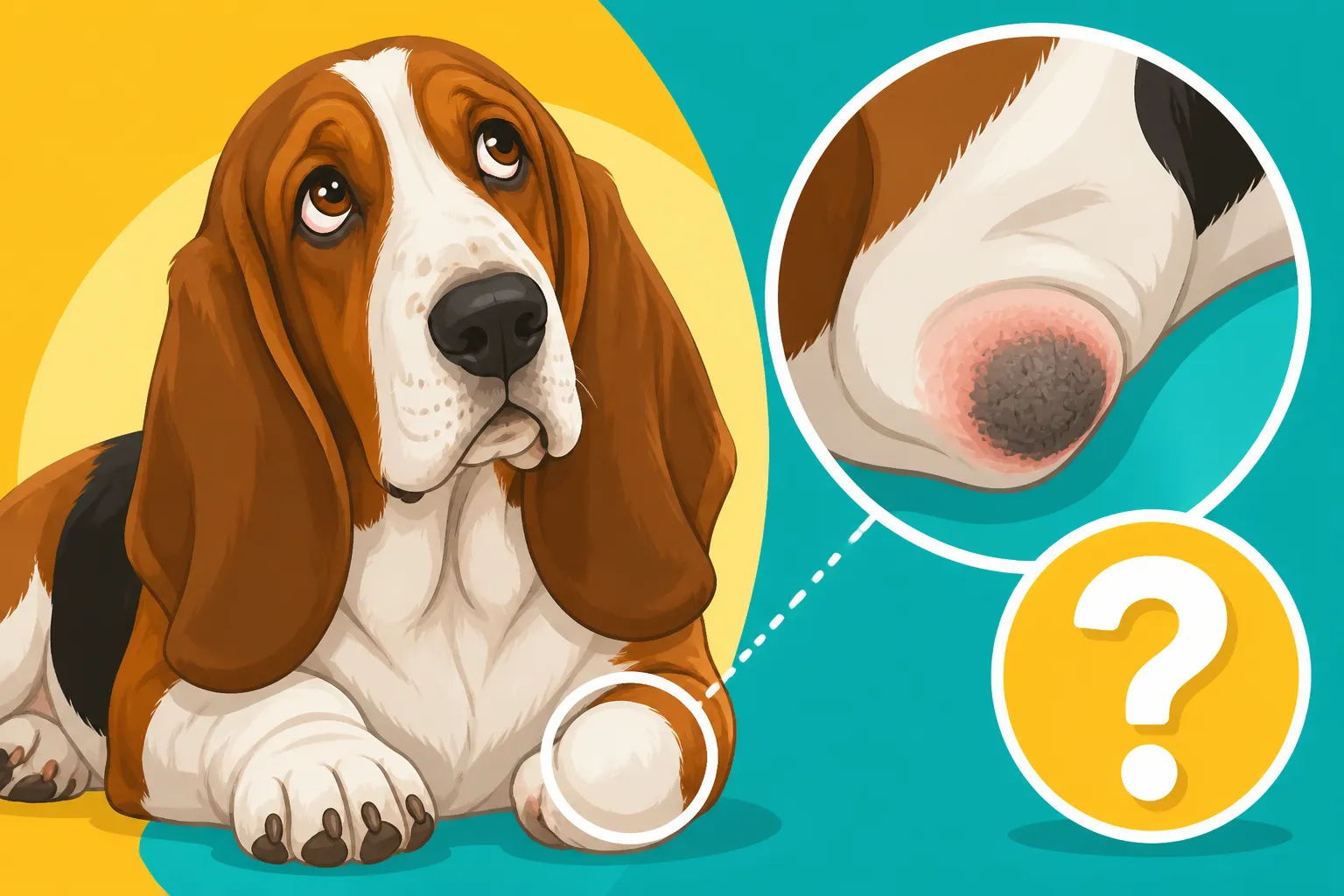
Initially, these calluses are often just hairless, slightly tougher patches of skin. They’re usually grayish or black, and while not particularly attractive, they might not pose an immediate health threat. However, if left unchecked, these protective layers can become excessively thick, dry, and lose their natural elasticity. This is when they start to become a problem, potentially cracking, bleeding, or even leading to deeper issues. It's a testament to their robust build that they develop these, but also a call for us, their caregivers, to intervene and ensure these natural defenses don't become a source of discomfort.
Why Basset Hounds Are Prone to Them
Our Basset Hounds are wonderful, unique dogs, but their charming, low-slung, heavy-boned physique unfortunately makes them prime candidates for developing elbow calluses. It’s not a flaw in their character; it’s a consequence of their physical design and their favorite pastime – napping!
Firstly, consider their weight. Basset Hounds, despite their relatively short stature, are surprisingly heavy dogs. An adult Basset Hound can easily weigh between 40 to 60 pounds or more, and that weight is distributed over a compact frame. When they lie down, a significant amount of this weight is concentrated on their bony elbows, creating immense pressure points against any hard surface. This continuous, localized pressure over time is the primary culprit. Furthermore, if your Basset Hound is carrying What Extra Weight Does to a Basset Hound, this pressure is intensified, exacerbating the problem and often leading to calluses forming sooner and becoming more severe.
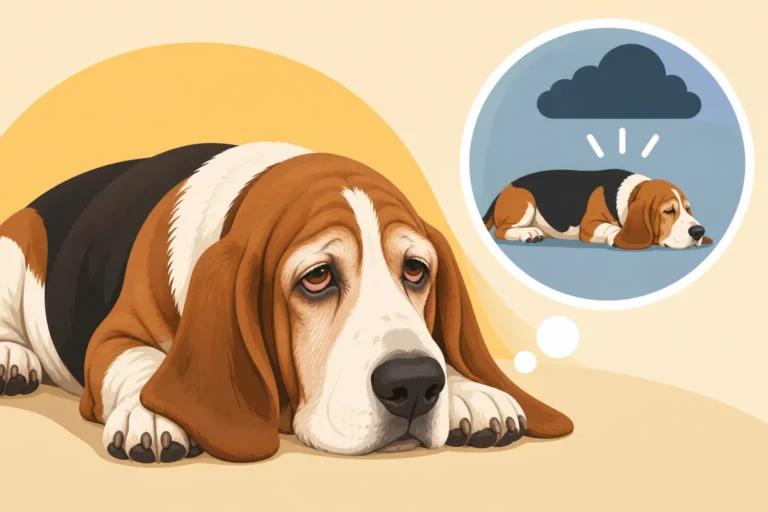
Secondly, Basset Hounds absolutely adore lounging. They aren't always the most athletic breed, preferring a good, long nap on the cool kitchen tiles to a marathon run. While we cherish their relaxed nature, this habit means they spend extensive periods resting on surfaces that offer little to no cushioning. Each time they settle down, those elbows are grinding against the floor, leading to the skin thickening as a protective response. It’s not laziness, it’s just Basset life, but it does mean we need to be proactive in providing comfortable alternatives.
Identifying and Managing Elbow Calluses
So, you’ve spotted those tell-tale patches. What now? The key is to differentiate between a relatively harmless, albeit unsightly, callus and one that requires more serious attention. Regular observation and a consistent care routine can make all the difference in keeping your Basset Hound’s elbows healthy.
Recognizing the Signs of a Healthy vs. Problematic Callus
A typical, healthy elbow callus on a Basset Hound usually appears as a patch of thickened, dry, hairless skin. It might feel a bit rough to the touch and usually ranges in color from light gray to dark black, often matching the pads of their feet. It shouldn't be painful to touch, nor should your Basset show any particular interest in licking or chewing the area. In essence, it’s just a toughened patch doing its job. Think of it as a natural leather patch on a well-worn coat – it's there to protect.
However, these calluses can quickly turn problematic. You need to be vigilant for changes. Signs that a callus is becoming an issue include:
- Cracking or Fissures: The skin becomes so dry and rigid that it starts to split, which can be incredibly painful and open the door to infection.
- Bleeding: If cracks become deep enough, they can bleed, leading to more discomfort and a higher risk of bacterial entry.
- Swelling: Any puffiness or enlargement around the callus, beyond just the thickened skin, is a red flag.
- Redness or Inflammation: The skin around or within the callus becomes red, warm, or inflamed, indicating irritation or infection.
- Pus or Discharge: This is a clear sign of infection and requires immediate veterinary attention.
- Pain or Lameness: Your Basset Hound might flinch when the area is touched, or even start to limp, indicating the callus is causing significant discomfort.
- Excessive Licking or Chewing: If your Basset Hound is constantly bothering their elbow, it’s a definite sign that something is amiss.
Regularly checking your Basset’s elbows, perhaps during your routine grooming or cuddle sessions, is crucial. Catching these issues early can prevent a minor irritation from becoming a major problem. This is part of the general daily care for a Basset Hound, similar to how we tend to other unique areas like Cleaning the Folds a Basset Hound's Face Is Made Of.
Practical Steps for Prevention and Care
The good news is that many elbow callus issues can be prevented or managed with some consistent, loving care. It often boils down to common sense and creating a more comfortable environment for your Basset.
First and foremost, soft bedding is non-negotiable. If your Basset Hound loves to sprawl on hard floors, you need to provide enticing, cushioned alternatives. Invest in a high-quality orthopedic dog bed – preferably one with memory foam – for every spot your Basset likes to rest. Whether it’s their crate, your living room, or even the sunny spot by the window, make sure there’s a soft landing. Even better, consider providing more than one comfortable spot in different rooms. For an older dog, or one prone to joint issues, investing in Whether a Basset Hound Should Have an Orthopedic Bed is not just a luxury, it's a necessity for overall comfort and health. You might even find that some dogs prefer a flat, soft mat over a plush bed if they like to sprawl out completely.
Next, moisturizing is your best friend. Once a callus forms, it tends to be very dry. Regular application of a dog-safe balm or moisturizer can help keep the skin supple and prevent cracking. Products containing ingredients like shea butter, coconut oil, or specific pet-formulated balms are excellent choices. Brands like Natural Dog Company or Bag Balm offer various options designed for tough paw pads and calluses. Simply massage a small amount into the callus 1-2 times a day. Ensure the product is absorbed well, or distract your Basset with a treat afterward, so they don't immediately lick it off. Consistency is key here; it’s not a one-and-done solution.
Hygiene also plays a role, especially if the callus has started to crack. Gently clean the area with a mild, pet-safe antiseptic wash to prevent bacteria from entering. Keep the area dry afterward. Avoid harsh chemicals or human lotions unless specifically recommended by your vet, as they can be irritating or toxic.
Finally, and this cannot be stressed enough, weight management is critical. A Basset Hound at its ideal weight places less pressure on its joints and bony prominences. This directly reduces the stress on their elbows. Regularly check How Much a Basset Hound Should Weigh and work with your vet to establish a healthy diet and exercise plan to maintain it. It’s not just about aesthetics; Keeping a Basset Hound at Its Correct Weight can significantly impact their overall health and reduce the risk of many conditions, including severe calluses.
Remember, if you notice any signs of infection, deep cracking, swelling, or if your Basset Hound seems to be in pain, it's time for a veterinary consultation. Don't try to self-diagnose or treat severe issues, as they can quickly escalate.
| Feature | Healthy Elbow Callus | Problematic Elbow Callus |
|---|---|---|
| Appearance | Hairless, tough, dry, grayish/black skin | Cracked, bleeding, red, swollen, pus |
| Texture | Rough, firm, leathery | Rigid, painful, oozy, hot to touch |
| Pain Level | None | Sensitive, painful to touch, causes limping |
| Dog's Behavior | Ignores it, normal activity | Licks, chews, guards the area, reluctant to move |
| Recommended Care | Soft bedding, regular moisturizing, weight management | Veterinary evaluation, antibiotics, special dressings, potentially surgery |
When Calluses Lead to Bigger Issues
While many elbow calluses are minor inconveniences, they do have the potential to develop into more serious health concerns if left unaddressed. It’s important for Basset Hound owners to be aware of these complications.
The Risk of Infection and Hygromas
The thick, often dry and unyielding skin of a callus is inherently less elastic than normal skin. This makes it prone to cracking, especially as the Basset Hound moves, stretches, or bumps their elbows. These cracks, even tiny ones, create breaches in the skin's protective barrier, providing a perfect entry point for bacteria from the environment. Once bacteria get in, an infection can quickly take hold. You might notice redness, swelling, warmth, and if you gently press around the area, your Basset might show signs of pain. Pus or a foul odor are definitive indicators of an active infection. These infections can be deep-seated and quite painful, making it difficult for your dog to rest comfortably.
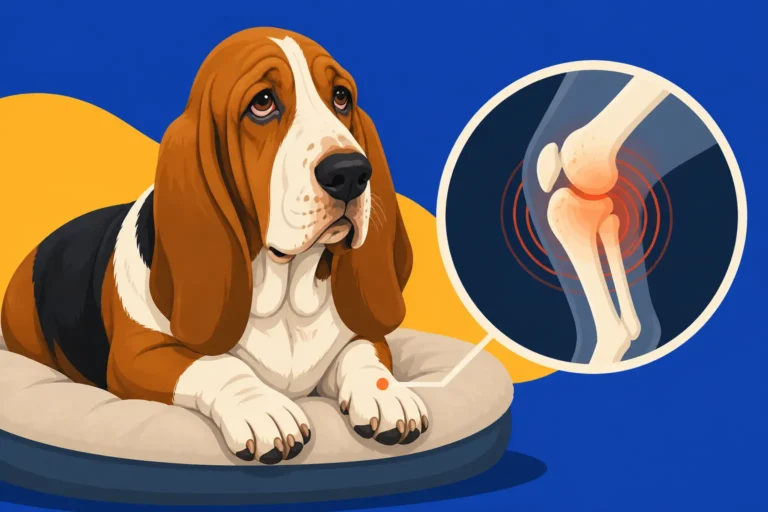
Beyond infections, another significant complication in Basset Hounds and other large, heavy breeds is the development of a hygroma, also known as an olecranon bursitis. This is a fluid-filled sac that forms over a bony prominence, most commonly the elbow, due to repeated trauma or pressure. Essentially, when the elbow is constantly hitting a hard surface, the body tries to cushion the area by producing fluid within a protective sac. Initially, a hygroma might feel like a soft, fluctuating lump. However, if the trauma continues, it can grow larger, become firm, or even rupture, leading to chronic inflammation and secondary infection. A small, early hygroma might resolve with strict bedding protocols and protective padding, but larger or infected ones often require more intensive veterinary intervention. It's a prime example of how the body's protective response can sometimes go awry.
Treatment Options for Complicated Cases
When a callus moves beyond a simple dry patch and becomes infected or leads to a hygroma, the treatment becomes more involved and absolutely requires professional veterinary care.
For infected calluses, your veterinarian will likely prescribe a course of antibiotics. This might involve oral medication, topical creams, or a combination of both. The infected area may also need to be cleaned and dressed regularly to promote healing and prevent further contamination. In some cases, if there’s an abscess or a deep pocket of infection, the vet might need to drain it. Proper wound care at home, under vet guidance, is crucial during this period. Keeping the wound clean and dry, and ensuring your Basset doesn't lick or chew at it (often with the help of an Elizabethan collar or protective sleeve), is paramount.
Hygromas present a more complex challenge.
- Conservative Management: For small, non-infected hygromas, the first line of defense is often strict conservative management. This means ensuring your Basset has constant access to exceptionally soft, padded bedding (we're talking thick, luxurious orthopedic beds, perhaps even several layers) and that they are absolutely kept off all hard surfaces. Protective elbow sleeves, often made of breathable, padded material, can also be used to cushion the area further. This approach aims to reduce the trauma that caused the hygroma, allowing the body to reabsorb the fluid naturally.
- Drainage: In some cases, the vet might attempt to drain the fluid from the hygroma. However, this is often a temporary solution, as the fluid tends to reaccumulate if the underlying cause (repeated trauma) isn't eliminated. Drainage also carries a risk of introducing infection.
- Surgery: For large, chronic, or infected hygromas that don't respond to conservative treatment, surgery may be necessary. This involves surgically removing the hygroma and sometimes creating a drain to prevent fluid buildup during the healing process. Surgical recovery can be lengthy and requires meticulous aftercare, including strict rest and wound management. Be aware that these procedures, especially complex ones for large hygromas or those involving infection, can be quite costly. Owners often find themselves facing significant bills, making it clear why preventative measures are so important. This is one of those situations where What a Basset Hound's Emergency Surgeries Cost can really hit your wallet hard. It’s also where pet insurance, like policies from Healthy Paws, can be a lifesaver, helping to cover unexpected and expensive treatments.
In all these scenarios, ensuring your Basset Hound is comfortable and keeping pressure off the affected elbow is paramount for healing. This might mean adjusting their routine, providing ramps to prevent jumping (which can jar the body and put stress on healing areas, especially if you consider The Back Trouble a Basset Hound Is Built Into), or even lifting them more frequently, particularly if they are an The Old Basset Hound That Cannot Get Off the Floor who struggles with mobility. Addressing these issues promptly not only alleviates pain for your Basset but also prevents further deterioration and the need for more drastic, expensive, and invasive treatments down the line.
Disclaimer
The information provided in this article is for general informational purposes only and is not a substitute for professional veterinary advice. Always consult with a qualified veterinarian regarding any health concerns or before making any decisions about your pet's medical care.