Whether a Basset Hound Gets Diabetes
It’s a heartbreaking moment when you notice something is just off with your beloved Basset Hound. Perhaps they're drinking water constantly, seeming lethargic even for their usually laid-back selves, or maybe you've spotted some unexplained weight changes. These subtle shifts can leave any owner feeling anxious, and often, they can point to something as serious as diabetes. This guide is here to walk you through everything you need to know about diabetes in Basset Hounds, from recognizing the early signs to understanding treatment options and how to best support your furry friend.
Understanding Canine Diabetes and How It Affects Basset Hounds
Diabetes mellitus, often simply called diabetes, is a common metabolic disease that can affect dogs, including our dear Basset Hounds. It's a condition where the body either doesn't produce enough insulin or can't properly use the insulin it does produce. Insulin is a hormone vital for converting glucose (sugar) from food into energy for cells. Without proper insulin function, glucose builds up in the bloodstream, leading to a host of health problems.
It’s a frustrating reality that while Basset Hounds aren't necessarily predisposed to diabetes more than other breeds, their inherent characteristics can increase their risk if not managed carefully. We all adore their love for food and their often-charming reluctance to exercise, but these traits can unwittingly pave the way for conditions like diabetes. Understanding the different types and how they manifest is the first step in protecting your Basset.
The Types of Diabetes in Dogs
When we talk about diabetes in dogs, we're usually referring to one of two main types, though one is far more common in canines.
Insulin-Deficiency Diabetes (Type 1)
This is by far the most prevalent type of diabetes in dogs, accounting for the vast majority of cases. In Type 1 diabetes, the pancreas, the organ responsible for producing insulin, stops making enough of it—or any at all. It's often thought to be an autoimmune condition, where the dog's own immune system attacks and destroys the insulin-producing cells in the pancreas. Because the body cannot produce insulin, these dogs become insulin-dependent. This means they will require daily insulin injections for the rest of their lives to regulate their blood sugar levels. There's no way to prevent Type 1 diabetes because it's largely genetic or autoimmune in nature, and it can strike any dog, regardless of diet or weight, though those factors can certainly complicate management.
Insulin-Resistance Diabetes (Type 2)
While common in humans, Type 2 diabetes is much rarer in dogs. In this form, the pancreas still produces insulin, but the body's cells don't respond to it properly. They become "resistant" to insulin's effects, meaning glucose can't enter the cells effectively and builds up in the bloodstream. This type is strongly associated with obesity and often develops in middle-aged to older animals. While less common in dogs, the risk for any dog, including a Basset Hound, can certainly increase if they are significantly overweight. This is where lifestyle choices, particularly diet and exercise, play a huge role in prevention and management. We know our Bassets love their snacks, but understanding what extra weight does to a Basset Hound is crucial for their long-term well-being.
How Common Is Diabetes in Basset Hounds?
It's tempting to think that certain breeds are completely immune to common diseases, but sadly, that's rarely the case. While Basset Hounds aren't statistically listed among the top breeds most prone to diabetes (like Samoyeds, Miniature Schnauzers, or Poodles), they are by no means exempt. The reality is that any dog can develop diabetes.
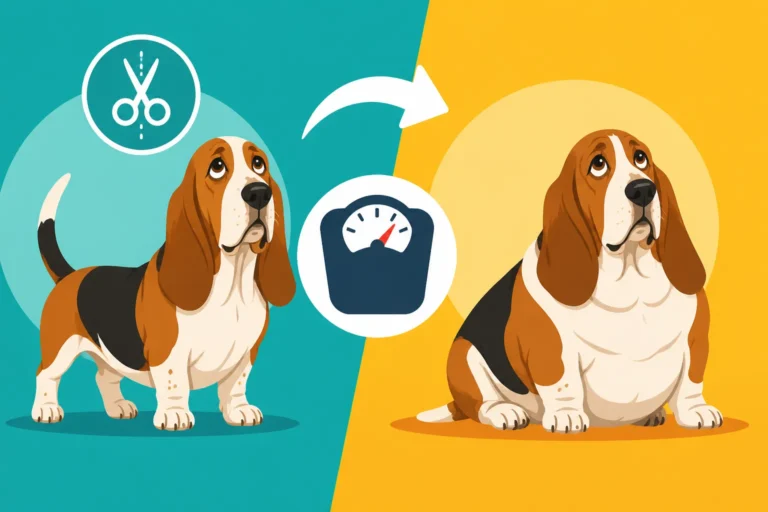
However, Basset Hounds do possess characteristics that can indirectly increase their risk if owners aren't vigilant. Their profound love of food and propensity for a more sedentary lifestyle, if indulged, can easily lead to obesity. And obesity, as we discussed, is a significant risk factor for insulin resistance and can exacerbate any type of diabetes. It's not uncommon to see a Basset Hound that is fat or just built that way, but recognizing the difference is vital for their health. A Basset Hound with excess weight puts additional strain on their organs, including the pancreas, and can make any underlying metabolic issues much worse. Regular vet check-ups are key to catch early indicators, and having a good pet insurance provider like Healthy Paws can offer peace of mind when these unforeseen conditions arise.
Recognizing the Subtle Signs of Diabetes in Your Basset Hound
One of the most frustrating aspects of canine health issues is that our dogs can't tell us what's wrong. It’s up to us, their devoted owners, to notice the subtle cues and changes in their behavior or physical state. Diabetes, particularly in its early stages, can present with symptoms that might seem minor or easily attributable to "just getting older" or "being a Basset." However, being observant and proactive can make all the difference in early diagnosis and successful management.
It's common for Basset owners to sometimes dismiss changes as simply part of their dog's quirky personality or breed traits. For instance, a Basset that sleeps all day might just seem like a typical Basset, but combined with other signs, it could indicate a deeper problem. It’s vital not to ignore these signs, even if they seem minor at first glance.
Early Indicators to Watch For
Catching diabetes early is critical for a better prognosis and easier management. Many of the initial symptoms relate to the body trying to cope with high blood sugar levels.
- Increased Thirst (Polydipsia): This is often one of the first and most noticeable signs. You might find yourself refilling the water bowl much more frequently than usual. Your Basset might also try to drink from unusual sources, like puddles or even the toilet. This happens because the body is trying to dilute the excess glucose in the blood and flush it out through the kidneys.
- Frequent Urination (Polyuria): Hand-in-hand with increased thirst is increased urination. If your Basset Hound needs to go outside more often, starts having accidents indoors despite being house-trained, or produces larger volumes of urine, it's a red flag. The kidneys work overtime to filter out the excess sugar, drawing more water with it, hence more urine.
- Increased Appetite (Polyphagia) with Weight Loss: This can be particularly confusing and concerning for owners. Your Basset might seem hungrier than ever, constantly begging for food or even stealing from counters, yet despite eating more, they start losing weight. This occurs because, without insulin, the body's cells can't absorb glucose for energy. So, even if there’s plenty of sugar in the blood, the cells are "starving," prompting the dog to eat more. At the same time, the body starts breaking down fat and muscle for energy, leading to weight loss. This is especially alarming when you're used to managing a Basset Hound that would eat forever.
- Lethargy and Weakness: If your normally enthusiastic (or at least moderately enthusiastic) Basset seems unusually tired, less interested in walks, or struggles to get up, it could be a sign. The body's inability to use glucose for energy leaves the cells, including muscle cells, deprived, leading to overall weakness and a lack of energy. This can contribute to an old Basset Hound that cannot get off the floor.
When to See the Vet Promptly
While the signs above are often gradual, there are times when you absolutely need to get your Basset Hound to the vet without delay. Ignoring these more severe symptoms can lead to life-threatening complications.
- Sudden Vision Changes or Blindness: High blood sugar can cause cataracts to develop very rapidly, sometimes within weeks. If you notice your Basset's eyes look cloudy or they are bumping into furniture, especially in familiar surroundings, it’s an emergency. Diabetes can severely impact their vision, and addressing it quickly might prevent further deterioration.
- Vomiting, Diarrhea, and Abdominal Pain: These symptoms, especially when combined with lethargy and excessive thirst/urination, can indicate a serious complication called diabetic ketoacidosis (DKA). DKA is a life-threatening condition where the body starts breaking down fats too quickly, producing toxic byproducts called ketones. This is a medical emergency requiring immediate veterinary attention.
- Persistent Dull Coat or Skin Issues: Diabetes can affect overall circulation and immune function, leading to a dry, dull coat, thinning hair, or recurring skin infections. You might notice issues like Skin Fold Infections on a Basset Hound becoming more frequent or difficult to clear up.
- Sweet-Smelling Breath: If your Basset’s breath has a distinct sweet or fruity odor, similar to nail polish remover, it’s another strong indicator of DKA. This smell comes from the ketones building up in their system. Don't delay—get to the vet immediately.
Always trust your gut feeling. If something feels off with your Basset Hound, it's always best to err on the side of caution and consult your veterinarian. Early detection and intervention are paramount for managing diabetes effectively and maintaining your Basset's quality of life.
Diagnosing and Managing Diabetes in Your Basset Hound
Receiving a diagnosis of diabetes for your beloved Basset Hound can feel overwhelming. It's a significant health challenge, but it's important to remember that with proper management, many dogs with diabetes can live full and happy lives. The key lies in accurate diagnosis and a committed, consistent approach to treatment.
When you suspect diabetes, your vet will perform a thorough examination and likely recommend a series of tests. Once diagnosed, the focus shifts to regulating blood sugar and preventing complications. This will become a new normal, but it's entirely manageable.
The Diagnostic Process
Diagnosing diabetes usually involves a combination of tests that look at glucose levels in both blood and urine.
- Physical Examination: Your vet will start with a comprehensive physical exam, noting any weight loss, changes in coat condition, or signs of cataracts. They'll also discuss the symptoms you've observed at home, like increased thirst or urination.
- Blood Tests:
- Blood Glucose Measurement: This is the primary diagnostic test. A persistently high blood glucose level is a strong indicator of diabetes. However, stress can temporarily elevate blood sugar, so a single high reading might lead to follow-up tests.
- Fructosamine Test: This blood test measures the average blood glucose levels over the past one to three weeks. It's less affected by stress, providing a more reliable long-term picture of blood sugar control and helping to confirm a diabetes diagnosis.
- Complete Blood Count (CBC) and Chemistry Panel: These tests assess overall health, kidney and liver function, and can rule out other conditions that might cause similar symptoms. They can also reveal if there are any concurrent infections often associated with diabetes.
- Urine Tests (Urinalysis):
- Glucose in Urine: Under normal circumstances, there should be no glucose in a dog's urine. Its presence indicates that blood sugar levels are so high that the kidneys are unable to reabsorb all the glucose, and it spills over into the urine.
- Ketones in Urine: As mentioned earlier, ketones in the urine can indicate diabetic ketoacidosis (DKA), a dangerous complication.
- Urinary Tract Infection (UTI) Screening: Diabetic dogs are more prone to UTIs due to the sugar in their urine providing a breeding ground for bacteria. Your vet may recommend a urine culture to check for infection.
If your Basset Hound receives a diabetes diagnosis, it’s a big deal. The financial implications alone can be substantial, making it clear why comprehensive pet insurance from providers like Healthy Paws is such a valuable consideration, covering a percentage of unexpected vet bills.
Treatment Options and Lifestyle Changes
The cornerstone of diabetes treatment in dogs is insulin therapy, combined with careful dietary management and appropriate exercise.
Insulin Therapy
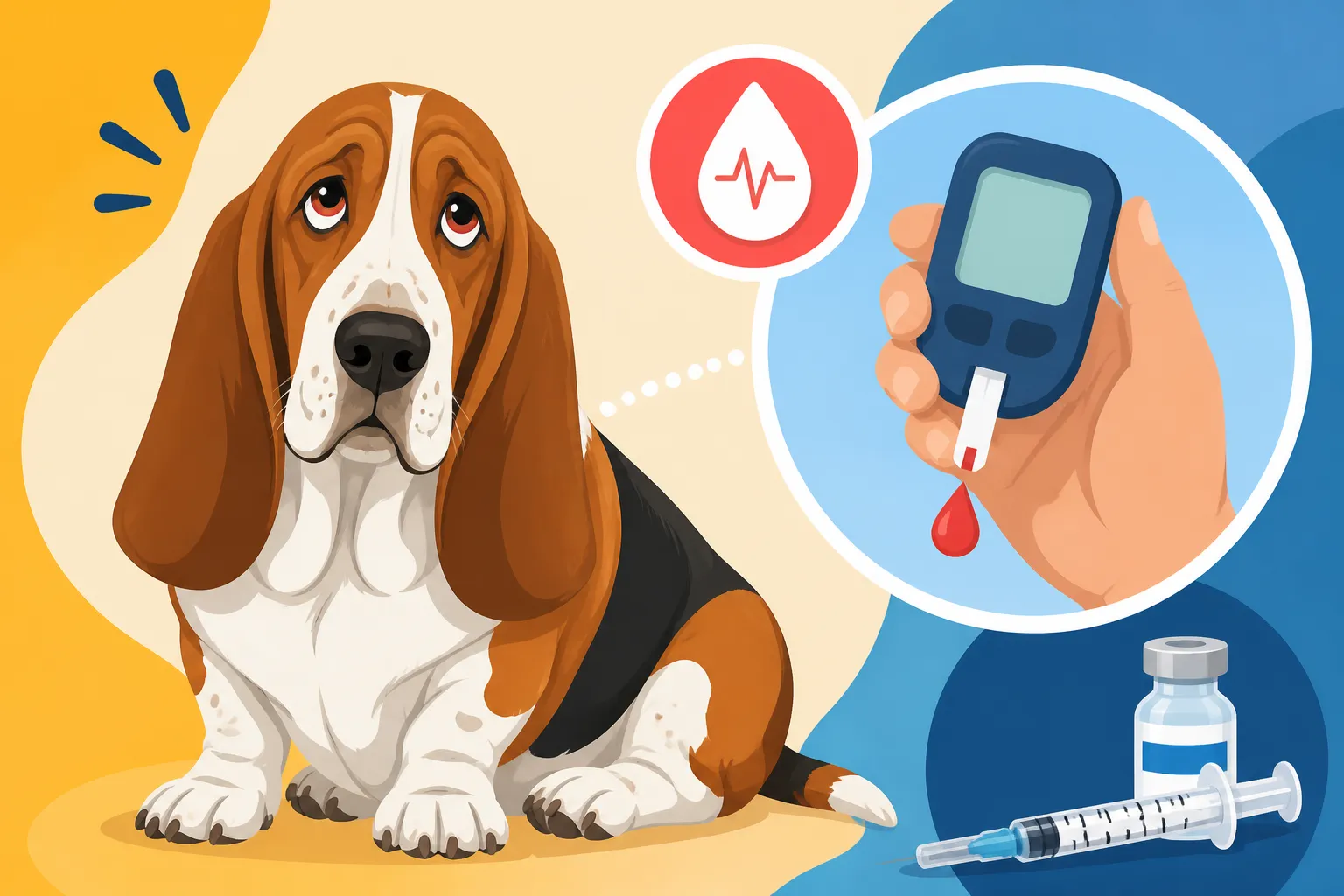
For most diabetic Basset Hounds, daily insulin injections will be necessary. This might sound daunting at first, but with a little practice and guidance from your vet, it becomes a routine part of your day.
- Insulin Type and Dosage: Your vet will prescribe a specific type of insulin and syringe size. The initial dosage will be carefully calculated based on your dog's weight and blood glucose levels.
- Injection Technique: Insulin is typically given subcutaneously (under the skin) using a tiny needle. Your vet will demonstrate how to draw up the correct dose and administer the injection. It's usually given twice a day, every 12 hours, at meal times.
- Storage: Insulin must be stored correctly, usually in the refrigerator, and handled gently.
- Monitoring: Regular blood glucose curves (a series of blood glucose readings taken over several hours at the vet's office or at home) will be necessary to fine-tune the insulin dosage. This ensures your Basset is getting enough insulin to keep blood sugar stable without causing it to drop too low (hypoglycemia).
Dietary Management
Diet plays a critical role in managing canine diabetes. The goal is to feed a consistent diet that helps stabilize blood sugar levels throughout the day.
- Consistent Meals: Feed your Basset Hound the same amount of food at the same time each day, usually just before or with their insulin injection. This consistency helps match food intake with insulin action.
- High Fiber, Complex Carbohydrates: Your vet will likely recommend a prescription diet formulated for diabetic dogs. These diets often contain high fiber and complex carbohydrates, which help slow down glucose absorption and prevent sudden spikes in blood sugar. Foods that are easy for the body to digest quickly, like simple sugars or highly processed foods, should be avoided.
- Weight Management: If your Basset is overweight, safely losing those extra pounds is crucial. Losing weight can improve insulin sensitivity and make diabetes easier to control. Getting weight off a Basset Hound that will not exercise can be a challenge, but it's essential. Talk to your vet about safe weight loss strategies and whether a weight control food costs more for a Basset Hound.
- Treats: Treats should be minimal and carefully chosen. Opt for low-calorie, high-fiber options, and always account for them in your Basset's daily caloric intake.
Exercise
Consistent, moderate exercise is also a vital part of managing diabetes.
- Regular Schedule: Just like food and insulin, maintaining a regular exercise schedule helps keep blood sugar levels stable.
- Moderate Activity: Avoid intense, sporadic exercise, which can cause unpredictable drops in blood sugar. Instead, aim for consistent, moderate walks. How far a Basset Hound should walk will depend on their individual health, but even short, regular strolls are beneficial.
- Monitoring: Be aware of your Basset’s energy levels during exercise and carry a sugary treat (like corn syrup or honey) in case of a hypoglycemic episode.
Long-Term Care and Monitoring
Diabetes is a lifelong condition, requiring ongoing commitment and vigilance.
- Regular Vet Check-ups: Your Basset Hound will need frequent vet visits, especially in the initial stages, for blood glucose curves and adjustments to their insulin dosage. Once stable, check-ups might be every few months.
- Home Monitoring: Your vet might teach you how to monitor your Basset's blood glucose at home using a portable glucometer. This can provide valuable insights and help you detect problems sooner. You'll also continue to monitor for changes in thirst, urination, appetite, and energy levels.
- Recognizing Hypoglycemia: This is a dangerous complication where blood sugar drops too low. Signs include weakness, disorientation, trembling, seizures, and collapse. If you suspect hypoglycemia, immediately give your Basset a sugary treat (corn syrup, honey, or even a small amount of ice cream) and contact your vet.
- Preventing Complications: Consistent management helps prevent long-term complications such as cataracts, nerve damage (neuropathy), and kidney issues. Remember, the goal is to stabilize blood sugar, not eliminate it entirely, to avoid these severe problems.
- Financial Planning: The cost of managing diabetes can be significant, including insulin, syringes, special food, and frequent vet visits. Understanding what a Basset Hound costs a year to keep, especially with a chronic condition, is important for financial planning. Pet insurance, such as a policy from Healthy Paws, can certainly alleviate some of these financial burdens by covering a portion of treatment costs.
Preventing Diabetes and Understanding Risk Factors for Basset Hounds
While some forms of diabetes are unavoidable, particularly Type 1 which is often autoimmune, there’s a lot we can do as Basset Hound owners to mitigate risks and promote overall health. For breeds like the Basset, whose laid-back demeanor and love of food are legendary, understanding how to keep them at their correct weight and maintain an active lifestyle becomes paramount. It’s not about turning your Basset into an agility champion, but about smart, consistent choices that support their unique body type and natural tendencies.
It’s often a frustration for Basset owners that their dogs seem perpetually hungry and sometimes reluctant to move. This isn't just a quirky trait; it's a potential health hazard if not managed. Addressing these characteristics proactively can make a significant difference in preventing conditions like diabetes and other weight-related issues, such as arthritis in a Basset Hound at seven.
Dietary Considerations for Prevention
A well-balanced diet is the first line of defense against many health issues, including those that can predispose a Basset Hound to diabetes.
- Portion Control is King: Basset Hounds are often described as having an insatiable appetite. They would truly eat forever if allowed. This makes strict portion control absolutely essential. Consult your vet to determine the ideal caloric intake for your individual Basset, taking into account their age, activity level, and current weight. Use a measuring cup and stick to the recommended amounts. Avoid free-feeding, as this almost guarantees overeating.
- Quality Over Quantity: Choose high-quality dog food with appropriate protein, fat, and carbohydrate levels. Sometimes, a Basset Hound has a sensitive stomach, so finding a food that agrees with them and provides balanced nutrition is key. Discuss specific brands and formulations with your vet; they might recommend foods higher in fiber to promote satiety and healthier digestion.
- Limit Treats and Human Food: We all love to spoil our Bassets, but treats should be used sparingly and chosen wisely. Many commercial treats are high in calories, sugar, or unhealthy fats. Opt for small pieces of plain, cooked vegetables like green beans or carrots as healthy alternatives. Absolutely avoid giving your Basset Hound sugary human foods, processed snacks, or anything with artificial sweeteners like xylitol, which is toxic to dogs. Remember that whether a Basset Hound steals food is a common behavioral trait that needs firm management.
- Hydration: Always ensure your Basset has access to fresh, clean water. Good hydration is crucial for overall metabolic health.
The Role of Weight and Exercise
Given their build and temperament, weight management and appropriate exercise are critical for Basset Hounds.
- Maintain an Ideal Weight: Obesity is a significant risk factor for insulin resistance and can complicate any form of diabetes. It’s often hard to tell if a Basset Hound is fat or just built that way, but feeling for a Basset Hound's ribs under loose skin is a good indicator. Your vet can help you assess your Basset’s Body Condition Score (BCS) and set realistic weight goals. Keeping a Basset Hound at its correct weight not only reduces diabetes risk but also alleviates strain on their joints and back, preventing conditions like The Back Trouble a Basset Hound Is Built Into.
- Consistent, Moderate Exercise: While Basset Hounds aren't typically endurance athletes, they do need regular, moderate exercise. A couple of short, brisk walks each day (20-30 minutes) can make a huge difference. This helps burn calories, maintain muscle mass, and improve insulin sensitivity. It also addresses the challenge of getting weight off a Basset Hound that will not exercise. Engaging them with scent work or short play sessions in the yard can also provide mental and physical stimulation. Just be mindful of their love for trailing, as why a Basset Hound stops hearing you when it smells something is a common training hurdle.
- Avoid Overexertion: Due to their unique body structure, Basset Hounds are not built for intense, prolonged exercise. Overexertion can lead to joint issues or overheating. The key is consistency and moderation.
- Environmental Enrichment: Keep your Basset mentally stimulated to prevent boredom, which can sometimes lead to excessive eating. Puzzle toys, snuffle mats, and short training sessions can engage their brilliant noses and minds.
Genetic Predisposition and Other Factors
While lifestyle plays a huge part, genetics and other health conditions can also influence a Basset Hound's risk for diabetes.
- Genetic Susceptibility: While no specific "diabetes gene" has been definitively isolated for Basset Hounds, some breeds do show a higher genetic predisposition to Type 1 diabetes. Responsible breeders often screen their breeding stock for various health conditions, but diabetes screening specifically for future offspring isn't always standard due to its complex nature. If you're considering a Basset puppy, discussing the health history of the parents with the breeder, especially regarding any metabolic conditions, is a good idea.
- Pancreatitis: Inflammation of the pancreas (pancreatitis) can damage the insulin-producing cells and increase the risk of diabetes. Basset Hounds can get pancreatitis, often triggered by a high-fat meal. This is why careful dietary management is so important.
- Other Endocrine Diseases: Conditions like Cushing's disease (hyperadrenocorticism), where the body produces too much cortisol, can also lead to insulin resistance and eventually diabetes. If your Basset Hound gets Cushing's, managing that condition is vital to prevent secondary diabetes.
- Medications: Certain medications, particularly long-term corticosteroid use, can induce insulin resistance and lead to temporary or even permanent diabetes. Always discuss the potential side effects of any medication with your vet.
By being proactive with your Basset Hound's diet, ensuring they maintain a healthy weight, providing regular moderate exercise, and staying vigilant about their overall health, you can significantly reduce their risk of developing diabetes and help them live a long, joyful life.
Summary of Diabetes Signs and Risk Factors
Here's a quick reference table to help you keep track of the key indicators and risk factors for diabetes in your Basset Hound.
| Category | Signs to Watch For | Risk Factors to Consider |
|---|---|---|
| Early Clinical Signs | Increased thirst and urination | Obesity/Overweight |
| Increased appetite with weight loss | High-fat diet or inconsistent feeding | |
| Lethargy, weakness, decreased activity | Lack of regular, moderate exercise | |
| Acute Complications | Vomiting, diarrhea, abdominal pain | Pancreatitis history |
| Sweet-smelling breath (like nail polish remover) | Certain medications (e.g., corticosteroids) | |
| Sudden vision changes (cloudy eyes, bumping into things) | Other endocrine diseases (e.g., Cushing's Disease) | |
| Chronic Indicators | Dull coat, thinning hair, recurring skin infections | Genetic predisposition (though not specific to Bassets, still a factor) |
| Frequent urinary tract infections |
Conclusion
Finding out your Basset Hound could be facing a serious health challenge like diabetes is understandably stressful. It turns your world upside down, bringing with it concerns about their comfort, their future, and frankly, the cost and commitment involved. But please, take a deep breath. While diabetes is a significant diagnosis, it is a manageable condition. With dedicated care, consistent monitoring, and a strong partnership with your veterinarian, your Basset Hound can continue to live a happy, fulfilling life.
The journey might involve new routines, like daily insulin injections and carefully measured meals, but the unwavering love and goofy charm of your Basset make every effort worthwhile. Being proactive with their weight, ensuring a balanced diet, and providing regular, gentle exercise are your best tools in preventing or managing this condition. And don't forget, having a solid pet insurance plan, perhaps from a trusted provider like Healthy Paws, can be an incredible resource, softening the financial blow of long-term care and allowing you to focus on what truly matters: your Basset's health and happiness.
Disclaimer
This article is intended for informational purposes only and does not constitute professional veterinary advice. Always consult with a qualified veterinarian for any health concerns or before making any decisions related to your pet's health or treatment plan.