Whether a Neutered Basset Hound Gains Weight
It’s a common worry for many Basset Hound owners: you’ve made the responsible decision to neuter your beloved companion, only to find them slowly but surely packing on the pounds afterward. It can feel disheartening and frustrating to see your formerly lean dog start to look a little pudgy, despite your best efforts. This comprehensive guide is here to explain why neutered Basset Hounds are particularly prone to weight gain and, more importantly, how you can proactively manage their diet and exercise to keep them healthy and happy for years to come.
The Metabolic Shift After Neutering in Basset Hounds
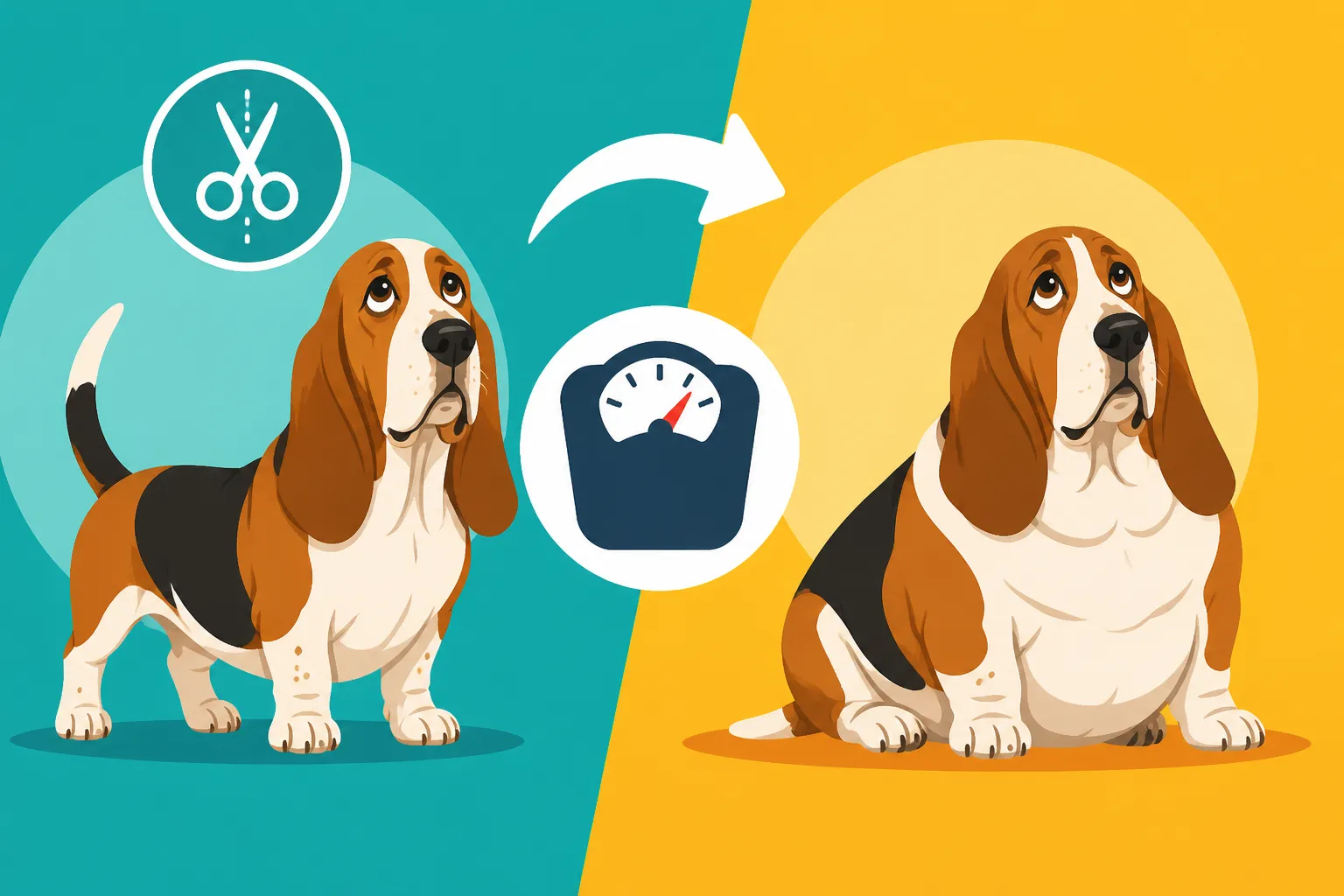
Neutering, whether it's spaying a female or castrating a male, involves removing the reproductive organs. While this has numerous health and behavioral benefits, it also introduces a significant change in a dog's endocrine system, which directly impacts their metabolism. It’s not just a myth; there’s solid science behind why dogs, and particularly Basset Hounds, tend to gain weight after this procedure.
How Hormones Impact Metabolism
Before neutering, a dog's body produces sex hormones like testosterone in males and estrogen in females. These hormones play a crucial role in regulating metabolism, influencing everything from muscle mass development to how efficiently the body burns calories. Think of them as tiny internal engines humming along, keeping calorie expenditure relatively high.
Once these hormones are removed or significantly reduced after neutering, that metabolic engine slows down. The body simply doesn't need as many calories to maintain its previous weight. It’s like switching from a sports car to a fuel-efficient sedan – you just don't burn through as much gas. For a Basset Hound, who might already be predisposed to a more laid-back lifestyle, this reduction in metabolic rate can be quite profound. You might notice your dog seems a little less interested in zooming around the yard and more content to nap on the couch. This shift isn't just about appetite; it's a fundamental change in how their body processes energy.
Why Basset Hounds Are Especially Prone to Weight Gain
Basset Hounds, bless their wonderfully long ears and soulful eyes, are already in a league of their own when it comes to certain predispositions. Their unique body structure and inherent temperament make them particularly susceptible to weight gain post-neutering. First, they are chondrodystrophic, meaning they have disproportionately short limbs. While adorable, this build means they naturally have a less athletic gait compared to a long-legged breed. They aren't built for marathons, and even a brisk walk for a Basset might be less calorie-intensive than for a Border Collie.
Secondly, Basset Hounds are notorious foodies. They live to eat, and their powerful noses are always on the hunt for a stray crumb or an unattended snack. This strong food drive, combined with a naturally slower metabolism after neutering, creates a perfect storm for packing on extra pounds. Owners often struggle because their Basset will happily eat whatever is offered, and then some. It's not a lack of love, but a combination of genetics and surgical changes that makes What Extra Weight Does to a Basset Hound a very real concern for this breed. Their low-to-the-ground physique can also mask early signs of weight gain, making it harder to spot until it's become a more significant issue.
Recognizing and Preventing Weight Gain in Your Neutered Basset Hound
The key to preventing post-neutering weight gain in your Basset Hound lies in early detection and proactive management. It’s not about being overly strict, but about making informed choices to keep them at a healthy weight, which is crucial for their long-term well-being given their breed-specific health challenges.
The Subtle Signs of Extra Pounds
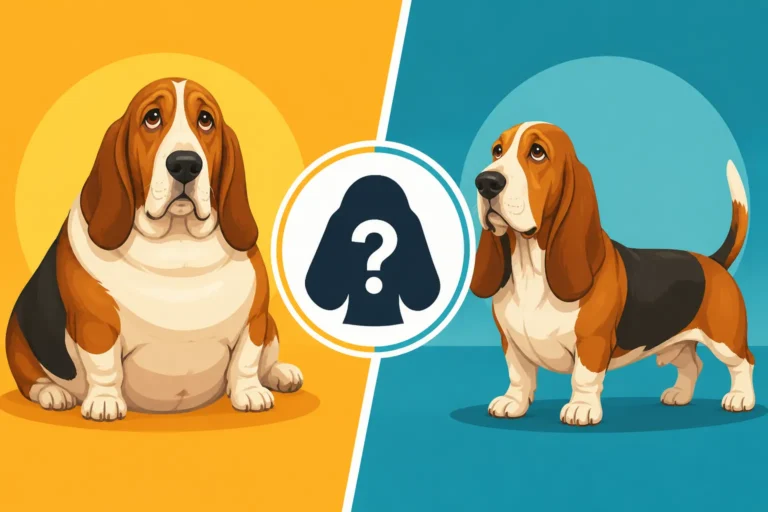
It can be easy to miss the early signs of weight gain, especially with a Basset Hound's naturally loose skin and heavy build. You might not notice it immediately, but those extra few pounds can creep on. Beyond just looking generally "fat," there are specific indicators to watch for. One of the most reliable methods is the "rib check." You should be able to easily feel your Basset Hound's ribs when you run your hands along their sides without pressing hard. If you have to dig to find them, or if you can't feel them at all, that's a red flag.
Another sign is the loss of a distinct waistline. From above, your Basset should have a slight tuck behind their ribs, rather than a straight, blocky appearance. From the side, their belly should tuck up slightly, not sag or hang low. Other behavioral cues can include slower movement, a reluctance to play, heavier breathing after minimal exertion, or increased difficulty getting up from a lying position. You might also notice fat deposits around their neck, over their shoulders, or at the base of their tail. Regularly assessing their body condition is far more important than just stepping on a scale. It helps you understand if they are truly at a How Much a Basset Hound Should Weigh and adjust accordingly.
Adjusting Their Diet Post-Surgery
The most immediate and effective step after neutering your Basset Hound is to adjust their food intake. It's not about starving them, but about accurately calculating their new, lower caloric needs. Many vets recommend reducing their pre-surgery food portion by 10-20%, at least initially, and then monitoring their weight closely. This adjustment is vital because their metabolism has slowed.
Choosing the right food can also make a big difference. Consider switching to a high-quality "weight management" or "light" formula. These foods are typically lower in calories and fat, but still provide all the essential nutrients your Basset needs to feel full and satisfied. Look for ingredients that emphasize lean protein and fiber, which can aid in satiety.
However, the type of food is only half the battle; portion control is paramount. Invest in a proper measuring cup and stick to the recommended serving size for their target weight, not their current weight. Free-feeding, where food is left out all day, is almost a guaranteed path to weight gain for a Basset Hound, who will happily graze indefinitely. Two scheduled meals a day are generally best. It's a journey, and sometimes you might need help from your vet to calculate specific calorie needs. If weight-related health issues arise, the costs can add up quickly, so having pet insurance like Healthy Paws can provide peace of mind for unexpected veterinary expenses.
Here’s a simplified illustration of how calorie needs might change:
| Activity Level (Post-Neutering) | Pre-Neutering Est. Daily Calories (per 50lbs) | Post-Neutering Est. Daily Calories (per 50lbs) | Adjustment |
|---|---|---|---|
| Low (Typical Basset) | 1000-1200 kcal | 800-1000 kcal | 10-20% less |
| Moderate | 1200-1400 kcal | 1000-1200 kcal | 10-20% less |
Note: These are illustrative figures. Actual calorie needs vary greatly based on age, individual metabolism, activity level, and specific food. Always consult your veterinarian for personalized dietary advice.
Tailoring an Exercise Routine for Their New Needs
While diet is crucial, exercise remains a cornerstone of weight management for neutered Basset Hounds. The goal isn't necessarily high-intensity cardio, which their structure isn't built for, but rather consistent, appropriate activity that burns calories and maintains muscle mass. Instead of long, grueling walks, think about multiple shorter walks throughout the day. Two or three 15-20 minute walks are often more beneficial than one long one, as they keep their metabolism gently ticking over.
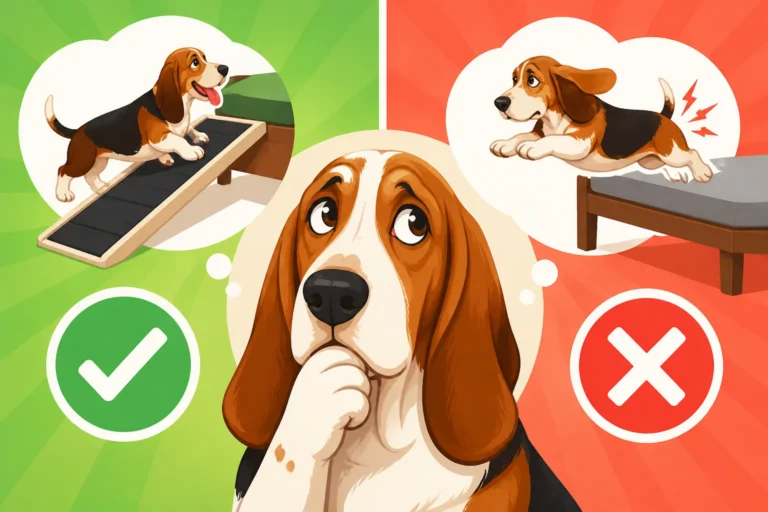
Basset Hounds absolutely adore "sniffaris"—walks where they are allowed to follow their incredible noses and explore scents at their own pace. This provides excellent mental stimulation, which can be just as tiring as physical exertion, and keeps them engaged. Incorporate gentle play sessions, too. A game of 'find the treat' hidden around the house or yard can be a fun way to get them moving without putting strain on their joints. Because of their unique build, it's vital to protect their back and joints, so ensuring they have access to The Ramps, Beds and Gates a Basset Hound Needs can prevent them from jumping off furniture, which can exacerbate issues like The Back Trouble a Basset Hound Is Built Into or Why One Basset Hound in Seven Has Bad Elbows. Consistency is key here; a little bit of movement every day is far better than sporadic bursts. If you find yourself thinking, "Getting Weight Off a Basset Hound That Will Not Exercise," remember that even slow, intentional sniff walks count!
Long-Term Management and Health Considerations
Managing your neutered Basset Hound's weight isn't a temporary fix; it's a lifelong commitment. Their health, happiness, and even their lifespan are directly linked to maintaining a healthy body condition. Being proactive now can save you and your furry friend a lot of heartache and expense down the road.
The Importance of Regular Vet Check-ups
Routine veterinary visits are your secret weapon in the fight against post-neutering weight gain. Your veterinarian is your best partner in creating a personalized weight management plan. During annual wellness checks, they will accurately weigh your Basset Hound, assess their body condition score, and discuss any changes you've observed. They can also perform blood work to rule out other underlying conditions, such as hypothyroidism, which can contribute to unexplained weight gain and lethargy.
Your vet can provide specific caloric recommendations tailored to your Basset's age, activity level, and individual metabolism. They might recommend specific prescription weight-loss foods or dietary supplements if necessary. These check-ups are also an opportunity to discuss any mobility issues that could be affecting your Basset's ability to exercise, ensuring they get the right care. These regular appointments are part of What a Basset Hound Costs a Year to Keep, but they are an invaluable investment in their long-term health.
Avoiding Common Weight Loss Pitfalls
Even with the best intentions, it's easy to fall into common traps that undermine weight management efforts. The "treat trap" is perhaps the most insidious. Those small, seemingly innocent treats can quickly add up to hundreds of extra calories a day. Instead of high-calorie biscuits, opt for low-calorie alternatives like small pieces of carrot, green beans, or apple (in moderation, seeds removed). If you use treats for training, consider using a portion of their daily kibble allowance to avoid adding extra calories.
Another pitfall is giving in to begging. Basset Hounds are masters of the soulful gaze and will try to convince you they are perpetually starving. Establishing clear boundaries around food, avoiding table scraps, and ensuring everyone in the household is on the same page is crucial. Instead of food, offer attention, a quick game, or a chew toy as a reward. Remember, you're not depriving them; you're loving them by keeping them healthy. This is a common battle for owners, as feeding a Basset Hound that would eat forever is a constant challenge.
The Impact of Weight on Basset Hound Specific Health Issues
For Basset Hounds, maintaining a healthy weight isn't just about looking good; it's about mitigating the risk and severity of several breed-specific health problems. Their long backs and short legs make them particularly susceptible to intervertebral disc disease (IVDD) and other spinal issues. Excess weight puts immense strain on their spine, significantly increasing the likelihood of a "slipped disc" which can lead to severe pain and even paralysis. A healthy weight is paramount in preventing The Back Trouble a Basset Hound Is Built Into.
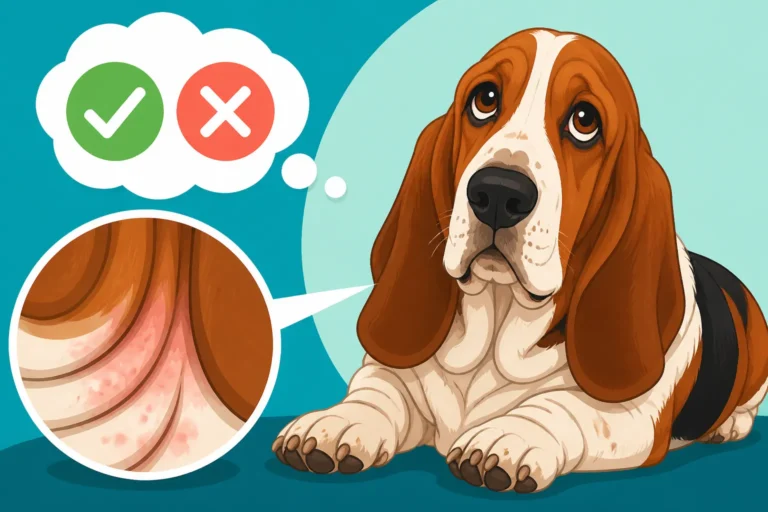
Similarly, Basset Hounds are prone to joint problems like elbow dysplasia. Carrying extra weight adds tremendous stress to these joints, worsening arthritis and causing discomfort. You don't want to compound issues like Why One Basset Hound in Seven Has Bad Elbows with unnecessary obesity. Furthermore, their characteristic skin folds, while adorable, are prone to infections, especially around their face, neck, and tail. When a Basset Hound is overweight, these folds can become deeper and more numerous, trapping moisture and bacteria, leading to more frequent and severe Skin Fold Infections on a Basset Hound. Managing their weight effectively is one of the most impactful things you can do to ensure your Basset Hound lives a comfortable and healthy life. Pet insurance, such as Healthy Paws, can be incredibly beneficial for covering the extensive costs associated with treating these complex and often chronic conditions if they do arise.
Disclaimer
Please note that this article is intended for informational purposes only and does not constitute veterinary advice. Always consult with a qualified veterinarian for any health concerns or before making any decisions about your Basset Hound's diet, exercise, or medical care.