Whether a Basset Hound Puppy Should Be Kept From Stairs
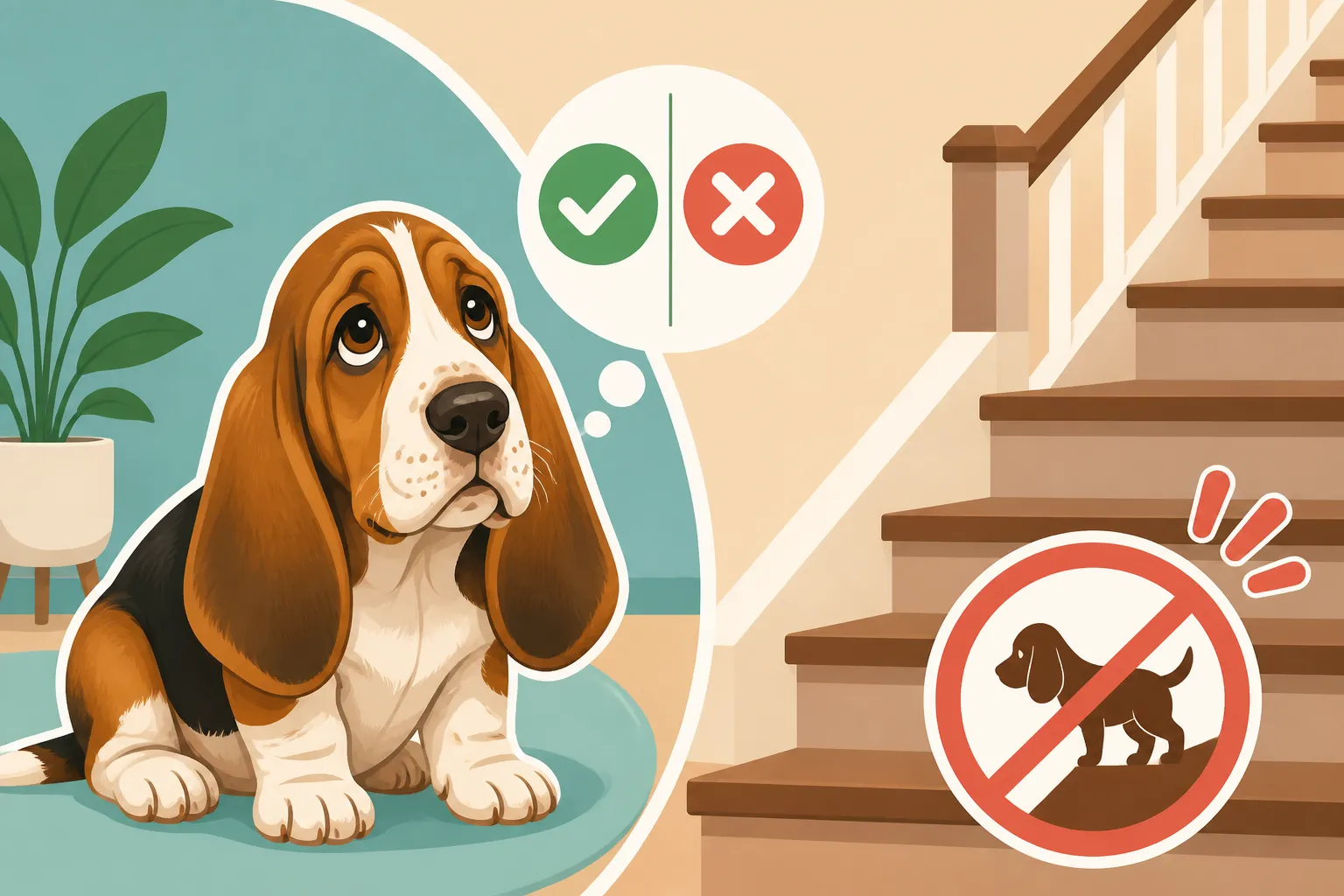
Bringing home a Basset Hound puppy is an absolute joy, filled with floppy ears, charming bays, and an endless capacity for napping. But amidst the puppy snuggles and playtime, many new Basset owners find themselves facing a common, often anxiety-inducing question: what about stairs? Their adorable, chunky little bodies and still-developing bones raise immediate red flags when confronted with a flight of steps, and navigating this daily challenge safely is crucial for their long-term health.
The Unique Physical Design of a Basset Hound Puppy
Basset Hounds are undeniably distinctive, with their long, low bodies, massive paws, and those incredibly soulful eyes. While these traits are part of their charm, they also come with a very specific set of anatomical considerations, especially during puppyhood when their bodies are rapidly growing and maturing. Understanding this foundational biology is the first step in appreciating why stairs present such a unique challenge.
Understanding the Developing Musculoskeletal System
When a Basset Hound is just a tiny puppy, their bones, joints, and ligaments are still in a rapid state of development. Their growth plates, the areas of soft cartilage at the ends of long bones where new bone tissue is produced, are open and vulnerable. These plates are much softer than mature bone and are easily damaged by excessive stress or impact. A sudden jolt, a clumsy fall, or repetitive strain can lead to injuries that might not only be painful in the short term but could also disrupt proper bone growth, leading to lifelong orthopedic issues. It's a bit like building a house – you wouldn't put heavy loads on the foundation before the concrete is fully set, and similarly, you need to protect a puppy's developing structure. Their muscles are also not fully developed, meaning they don't have the same strength, coordination, or endurance as an adult dog to handle complex physical challenges like stairs.
Beyond the bones themselves, their ligaments and tendons are also stretching and strengthening. These connective tissues are vital for joint stability, and improper strain during puppyhood can lead to laxity or damage. We often think of puppies as indestructible bundles of energy, but internally, they are quite delicate. Pushing them too hard, too fast, or exposing them to high-impact activities before their musculoskeletal system is fully formed can have lasting consequences, setting the stage for problems years down the line. It's why many breeders and veterinarians advocate for controlled exercise and avoiding activities that put undue stress on their growing bodies, making "Whether a Basset Hound Puppy Should Grow Slowly" a really important topic to consider.
The Inherent Vulnerabilities of Their Stature
The Basset Hound's iconic low-slung, long-backed physique, a result of a genetic trait called achondroplasia (a form of dwarfism), is a double-edged sword when it comes to stairs. While it makes them incredibly efficient scent hounds, keeping their powerful noses close to the ground, it also makes them particularly susceptible to certain orthopedic and spinal issues. Their long spinal column, supported by relatively short legs, creates leverage points that are prone to stress. Imagine a long bridge supported by short pylons – it's naturally more vulnerable to bowing or structural fatigue than a short bridge.
This unique body shape means that activities involving jarring impacts, twisting motions, or sustained pressure on the spine are inherently riskier for Basset Hounds than for breeds with more balanced proportions. The discs between their vertebrae, which act as shock absorbers, are already predisposed to degeneration in chondrodystrophic breeds, a condition that can lead to debilitating back pain and paralysis. Even as puppies, these predispositions are there, just waiting for the right (or wrong) trigger. Their short legs also mean they have to exert significantly more effort to climb each step, putting disproportionate strain on their front and hind limbs. This isn't just about discomfort; it's about the mechanics of their body fighting against a movement it wasn't designed for, especially when young.
Why Stairs Pose a Significant Risk to Young Basset Hounds
It's tempting to think of stairs as just another obstacle for your Basset puppy to conquer, especially if you see them enthusiastically trying to tackle them. However, for a breed with their specific conformation and developing bodies, stairs aren't just a physical challenge; they are a genuine health hazard that can lead to both acute injuries and chronic conditions later in life. Ignoring these risks can lead to heartbreaking and expensive consequences.
Exacerbating Joint and Growth Plate Stress
As we touched upon, a Basset Hound puppy's joints and growth plates are far from mature. Repeatedly navigating stairs, particularly going down, puts immense, unnatural pressure on these delicate structures. Think about the impact: each step down is essentially a controlled fall, and the force of landing is absorbed by their still-soft bones and developing joints. This continuous pounding can lead to inflammation and microtrauma to the growth plates. In severe cases, it can even cause premature closure of the growth plates, leading to deformed limbs or uneven growth, which can manifest as issues like "The Crooked Front a Basset Hound Is Built On" or predispose them to conditions like "Elbow Dysplasia in a Basset Hound" and hip dysplasia.
Consider a scenario where your lively Basset puppy, full of boundless energy, zips down a flight of stairs. Even if they don't visibly stumble, the repetitive shock to their elbows, shoulders, and hips as they brace themselves for each step is cumulative. Over time, this stress can accelerate wear and tear on cartilage, leading to early onset arthritis. It's a silent injury that builds up over weeks and months, often not showing obvious signs until significant damage has occurred. Preventing this early stress is key to giving your Basset the best chance at comfortable mobility throughout their life.
The Looming Shadow of Spinal Injuries
Perhaps the most significant concern with Basset Hound puppies and stairs is the risk to their long, delicate spines. Basset Hounds are highly prone to Intervertebral Disc Disease (IVDD), a condition where the cushioning discs between the vertebrae degenerate and can bulge or rupture, pressing on the spinal cord. This can cause immense pain, nerve damage, and in severe cases, partial or complete paralysis. While IVDD is often associated with older dogs, the seeds of disc damage can be sown early in life, and activities that involve twisting, jumping, or high impact can precipitate an acute disc herniation even in young dogs. For more on this, you might want to read "Intervertebral Disc Disease in a Basset Hound."
Stairs are a prime culprit. When a Basset puppy ascends stairs, they arch their back, putting compression on the spinal discs. When they descend, their back lengthens, and each landing creates a jarring force that can jolt the discs. Imagine the strain on a spine that's already structurally predisposed to problems. A single misstep, a playful leap off a landing, or simply the daily repetition of going up and down stairs can be the catalyst for a severe spinal injury. It's a risk that seasoned Basset owners and veterinarians often highlight as paramount to avoid. Owners frequently express frustration, feeling like they're being overly cautious, but the potential for devastating back trouble for their Basset Hound is a stark reality.
The Simple Peril of Falls and Accidents
Beyond the subtle, long-term damage, there's the immediate and very real danger of a fall. Basset Hound puppies, with their gangly limbs, disproportionately large paws, and low center of gravity, are not inherently graceful on stairs. Their vision, directed downwards by their long snouts, can also make it difficult for them to accurately judge the depth and placement of steps. Combine this with their enthusiastic, often clumsy, puppy energy, and you have a recipe for accidents.
A fall down a flight of stairs can result in a range of injuries, from minor scrapes and bruises to broken bones, concussions, or even internal trauma. Puppies, in their exuberance, might try to race up or down, slip on slick surfaces, or misjudge a step. The severity of a fall can be amplified by their heavy bone structure and compact build, meaning they hit the ground with more force than a lighter, more agile breed. It’s an immediate, undeniable risk that can lead to emergency veterinary visits and significant distress for both puppy and owner. No one wants to experience the terror of seeing their beloved pup tumble down the stairs, making proactive prevention essential.
Proactive Measures to Protect Your Basset Hound Puppy from Stairs
Given the significant risks that stairs pose to a Basset Hound puppy, it’s not enough to simply hope they'll be careful. Proactive measures are absolutely essential to safeguard their developing bodies and prevent potential injuries. Many dedicated Basset owners have adopted strategies that become second nature, recognizing that a little effort now can prevent a lifetime of pain and medical bills.
Strategic Use of Physical Barriers
The simplest and often most effective way to prevent your Basset Hound puppy from accessing stairs is to block them off entirely. Baby gates, pet gates, or even simple wooden barriers can be strategically placed at the top and bottom of all staircases in your home. These don't have to be permanent fixtures; many models are pressure-mounted and easy to install or remove when needed. The key is consistency. From the moment your puppy arrives home, ensure that stairs are a no-go zone. This helps establish boundaries and prevents them from developing the habit of attempting to climb.
It’s important to select gates that are sturdy enough to withstand a determined Basset puppy. While they might not be expert jumpers, their weight and stubborn nature mean a flimsy gate won't cut it. Consider gates with vertical bars rather than horizontal ones to prevent climbing, and ensure they are tall enough that a growing Basset can't easily peer over or push through. For homes with open floor plans or wider staircases, you might need extra-wide gates or even custom solutions. This simple step can literally be a lifesaver for your puppy's spine and joints, removing the temptation and the danger.
Mastering Safe Handling and Lifting Techniques
Since stairs will be blocked, you'll need a safe way to transport your Basset Hound puppy between floors. This means mastering proper lifting techniques. Never lift a Basset by their front legs, scruff, or by a single point on their body. Their long backs need full support to prevent strain or injury. The correct way to lift a Basset, regardless of age, is to support their chest with one arm and their hindquarters with the other, keeping their spine as level and straight as possible. This distributes their weight evenly and minimizes pressure on their delicate back. You can find more detailed guidance on "How to Lift a Basset Hound Safely."
As your Basset puppy grows, they will become heavier and more cumbersome, making lifting a significant physical task for you. An adult Basset Hound can weigh anywhere from 40 to 65 pounds, which is a considerable lift multiple times a day. If you have physical limitations or if your Basset is particularly large, consider alternative strategies or recruit help. This is where patience and consistency are paramount. Every trip up or down the stairs is an opportunity to reinforce safe practices, ensuring their comfort and well-being.
Embracing Ramps and Alternative Access Solutions
For some Basset Hound owners, particularly those with multiple flights of stairs or mobility challenges themselves, lifting a growing Basset puppy might not always be feasible. This is where ramps come into play. A well-constructed ramp can provide a safe, low-impact alternative to stairs, allowing your Basset to navigate different levels of the home independently and without spinal stress. This is also a fantastic long-term solution, especially as your Basset ages and might struggle with mobility. You can learn more about this by exploring "Whether a Basset Hound Should Use a Ramp."
Ramps should be sturdy, have a non-slip surface, and a gentle incline. Placing them at strategic points, such as leading up to a raised dog bed or even a low couch, can also help prevent jumping, which is another high-impact activity to avoid. While teaching a puppy to use a ramp might take a little patience and positive reinforcement, it’s a valuable skill that benefits their joints and spine throughout their life. It removes the guesswork and danger associated with stairs entirely, offering a smooth, consistent path of travel.
Fostering Lifelong Spinal Health and Mobility
Protecting your Basset Hound puppy from stairs is an excellent start, but true long-term health and mobility require a comprehensive approach. Their unique build means that preventative care and conscious lifestyle choices are paramount throughout their lives, not just during puppyhood. These efforts contribute significantly to their overall well-being and can help mitigate the risks associated with their breed-specific vulnerabilities.
Maintaining an Ideal Weight from Puppyhood Onward
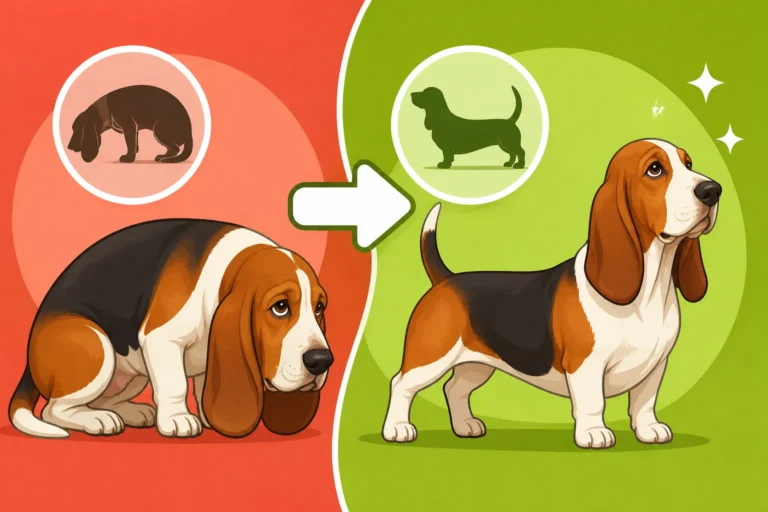
One of the most critical factors in maintaining a Basset Hound's spinal and joint health is keeping them at their ideal weight. Every extra pound places additional strain on their short legs and long back, exponentially increasing the risk of IVDD, arthritis, and other orthopedic issues. This isn't just a concern for adult dogs; establishing healthy eating habits and a proper weight range during puppyhood is fundamental. It can be easy to overfeed a Basset puppy, especially with their endearing begging skills, but resisting those puppy-dog eyes is a kindness that pays dividends in their future health. More information on this topic can be found in "What Extra Weight Does to a Basset Hound."
Regularly assess your puppy's body condition. You should be able to feel their ribs easily without seeing them, and they should have a discernible waist when viewed from above. Work with your veterinarian to determine the appropriate portion sizes and nutritional needs for your growing Basset. Remember, a Basset Hound that is "fat or just built that way" is often an overweight Basset Hound, and this extra burden contributes significantly to "The Back Trouble a Basset Hound Is Built Into." Weight management isn't just about aesthetics; it's a cornerstone of preventative health for this breed.
Prioritizing Regular Veterinary Care and Screenings
Consistent veterinary care is non-negotiable for a Basset Hound, especially considering their predispositions to various health conditions. Regular check-ups allow your vet to monitor your puppy's growth, assess their joint health, and catch any potential issues early. Early detection of orthopedic problems or spinal concerns can often lead to more effective and less invasive treatment options. Don't hesitate to discuss any limping, stiffness, reluctance to move, or changes in gait with your vet, no matter how subtle. These could be early indicators of underlying issues.
Beyond routine examinations, your veterinarian can provide guidance on appropriate exercise levels for your Basset puppy, recommend joint supplements if necessary, and advise on preventative strategies tailored to your dog's specific needs. They can also help you understand the signs to watch for regarding conditions like IVDD or "The Old Basset Hound That Cannot Get Off the Floor," which can signify serious back problems. Being proactive with veterinary care means you have a partner in ensuring your Basset lives the healthiest, most comfortable life possible.
The Value of Comprehensive Pet Insurance
Despite all the preventative measures, accidents and unforeseen health issues can still arise, and for a breed prone to orthopedic and spinal conditions like the Basset Hound, these can be incredibly expensive. This is where comprehensive pet insurance, like plans offered by Healthy Paws, becomes an invaluable asset. Investing in a good policy when your Basset is a puppy, before any pre-existing conditions develop, can provide immense peace of mind and financial support should your dog ever need costly treatments or emergency surgeries.
Consider the potential costs of something like "What a Basset Hound's MRI Costs" or "What Disc Surgery Costs on a Basset Hound." These can run into thousands of dollars, making a sudden decision between your pet's health and your wallet a terrifying prospect. Pet insurance allows you to focus on getting your Basset the best possible care without the added financial stress. When looking at policies, specifically check their coverage for breed-specific conditions, hereditary issues, and emergency care. Knowing you're covered can make all the difference in a crisis, making it easier to manage "Insuring a Basset Hound Against Eyes, Ears and Backs."
Summary of Stair Safety for Basset Hound Puppies
| Aspect | Risk to Puppy | Recommended Action |
|---|---|---|
| Developing Bones | Growth plate trauma, joint inflammation | Block stairs, use safe lifting techniques |
| Long Spine | IVDD, disc herniation, nerve damage | Avoid all stair use, consider ramps |
| Clumsiness | Falls, broken bones, concussions | Prevent unsupervised access to stairs |
| Weight | Increased joint/spinal strain | Maintain ideal weight from puppyhood |
| Long-Term Care | Unforeseen orthopedic/spinal issues | Regular vet check-ups, consider pet insurance |
Disclaimer
This guide is intended for informational purposes only and is not a substitute for professional veterinary advice. Always consult with a qualified veterinarian regarding your Basset Hound's specific health needs and concerns.