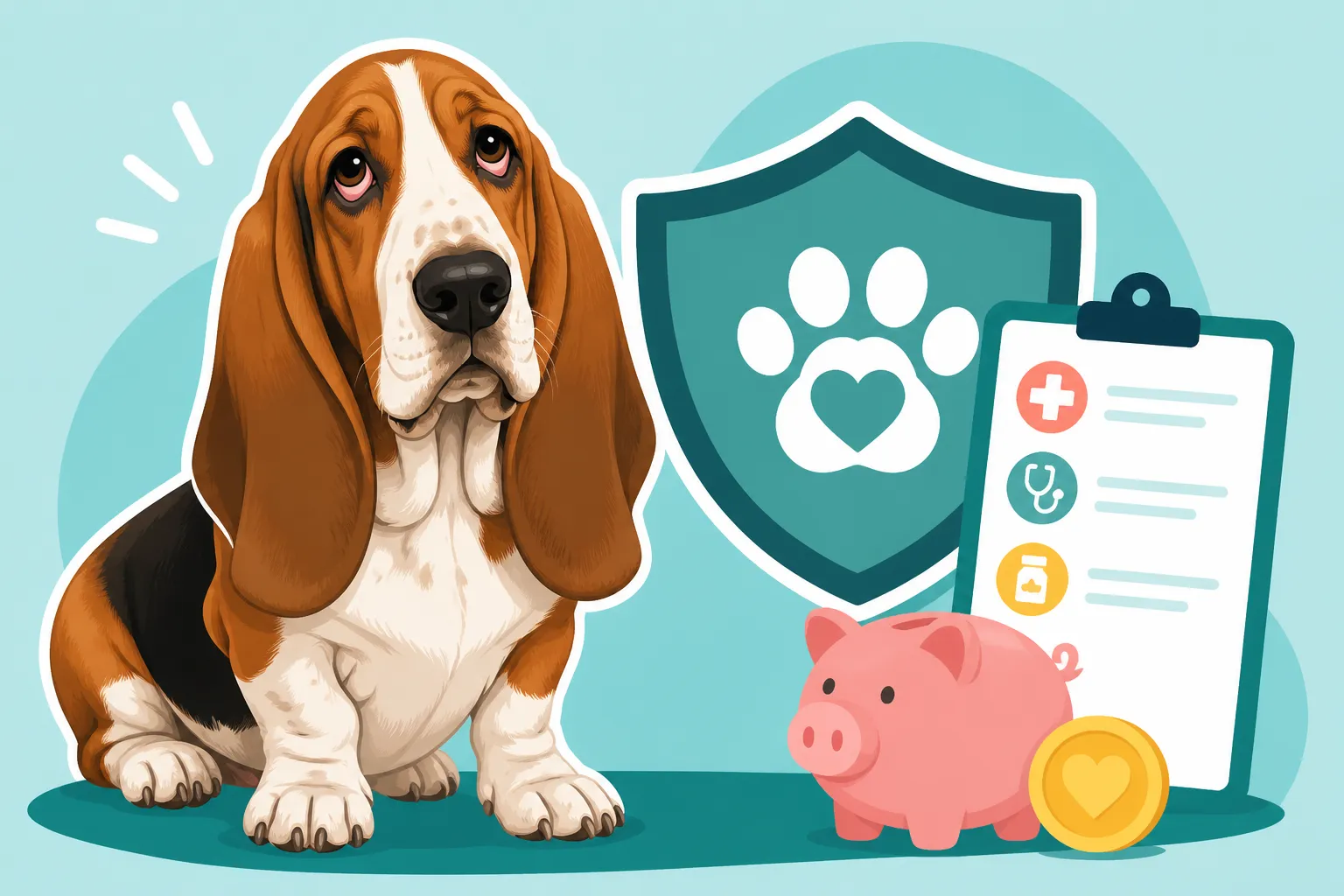
What Insuring a Basset Hound Runs Monthly
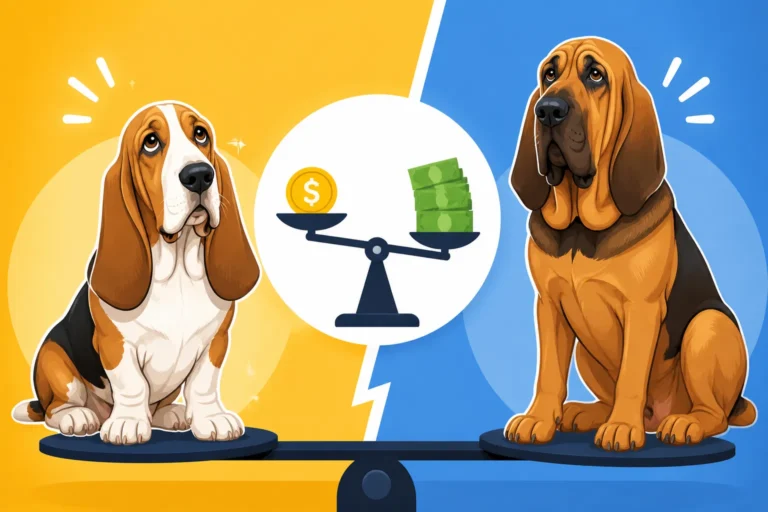
Bringing a Basset Hound into your life is a joy, filled with floppy ears, soulful eyes, and that unmistakable bay. But the reality is, like any purebred dog, Basset Hounds come with their own set of potential health challenges, and the cost of veterinary care can quickly become a significant financial burden if you're not prepared. This guide will walk you through what influences the monthly cost of insuring a Basset Hound, helping you understand the various factors at play so you can make an informed decision for your beloved companion.
The Essential Need for Basset Hound Insurance
Let's be honest, nobody wants to think about their furry family member getting sick or injured, but it's a genuine possibility. For Basset Hounds, with their unique conformation and genetic predispositions, pet insurance isn't just a luxury; it's often a vital tool for managing potential expenses and ensuring they get the best care without breaking the bank.
Common Health Challenges That Rack Up Bills
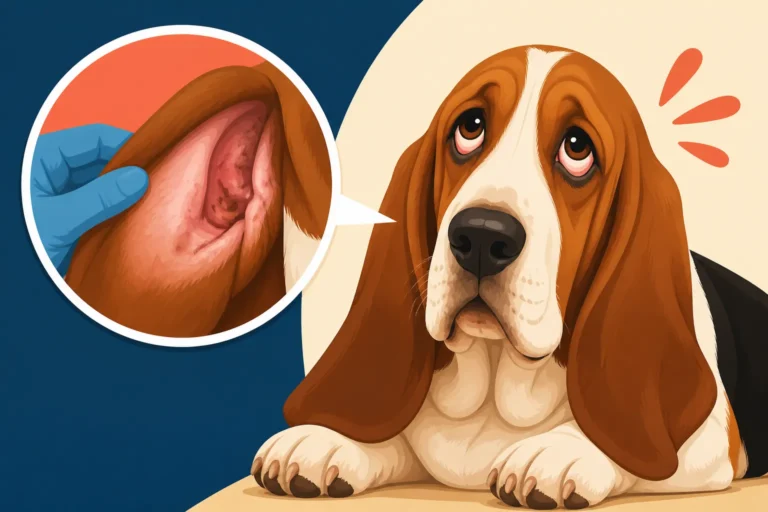
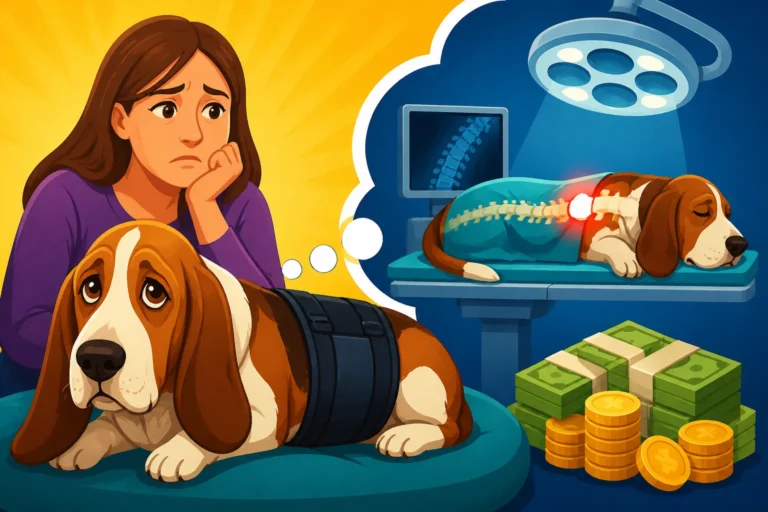
Basset Hounds are adorable, but their distinctive features, while charming, can lead to specific health issues. Their incredibly long, heavy ears are prone to chronic ear infections, which can turn into a nightmare of vet visits, cultures, and expensive medications. If you've ever dealt with a Basset Hound's Ear Infections That Never Really Leave a Basset Hound, you know how quickly those bills add up. Beyond the ears, their low-slung, heavy bodies put immense strain on their spines, making them susceptible to conditions like Intervertebral Disc Disease (IVDD) or other issues that contribute to The Back Trouble a Basset Hound Is Built Into. These spinal problems can necessitate costly diagnostics like MRIs and potentially even emergency surgery, which can easily be one of What a Basset Hound's Emergency Surgeries Cost. Then there are the eyes, which, while beautiful, are prone to conditions such as glaucoma. Catching The First Signs of Glaucoma in a Basset Hound early can save their sight, but ongoing treatment for The Glaucoma a Basset Hound Inherits can be extensive.
Accidents Happen: The Unpredictable Costs
Even the healthiest Basset Hound can have an accident. They're curious creatures, always sniffing out new adventures, and sometimes those adventures lead to trouble. A sudden limp could mean a sprain, or worse, a fracture. Ingesting something they shouldn't have, getting into a tussle with another dog, or suffering an injury from a fall – these are all unforeseen events that can lead to immediate, substantial vet bills. Without insurance, these emergencies often put owners in a difficult position, having to choose between their dog's well-being and their financial stability.
Beyond Routine Care: Major Medical Events
While we hope our Basset Hounds live long, healthy lives, serious illnesses can strike at any age. Conditions like cancer, heart disease, or even severe allergies that require specialized diagnostics and long-term treatment are not uncommon across many breeds, including Basset Hounds. Managing these conditions can involve complex treatment plans, expensive medications, and ongoing specialist consultations. Pet insurance can provide a safety net, allowing you to focus on your Basset Hound's recovery rather than worrying about every single procedure. These are the kinds of costs that quickly inflate What a Basset Hound Costs a Year to Keep, making a dent in any budget.
Deciphering the Factors That Shape Your Monthly Premium
When you start looking into pet insurance, you'll quickly realize that the monthly premium isn't a one-size-fits-all number. Several key factors come into play, and understanding them will help you anticipate costs and choose a plan that works best for your specific situation.
Age, Breed-Specific Risks, and Your Basset Hound's Health History
The age of your Basset Hound is one of the most significant determinants of your premium. Just like with human health insurance, a young, healthy puppy generally has lower premiums than an older dog. As Basset Hounds age, they become more prone to developing chronic conditions, from arthritis to various organ diseases, which increases the likelihood of costly veterinary care. Therefore, insurers factor this increased risk into the price. Similarly, the breed itself matters. Basset Hounds, due to their known predispositions to issues like IVDD, ear infections, and certain eye conditions, might be rated differently than, say, a Poodle or a Chihuahua. Their specific conformation and known health challenges mean insurers account for these higher statistical risks. If your Basset Hound has any pre-existing conditions, these will almost certainly be excluded from coverage, though some companies have more lenient policies regarding curable conditions that haven't recurred for a certain period. The general rule is to insure them as early as possible before any issues arise.
Location, Location, Location: Where You Live Matters
It might seem strange, but your geographical location also plays a role in your pet insurance premium. This is largely because veterinary costs vary significantly from one region to another. A vet visit or a surgical procedure in a major metropolitan area like New York City or Los Angeles is typically far more expensive than the same services in a rural town. Insurance providers calculate their premiums based on the average cost of veterinary care in your area, meaning if you live somewhere with high vet prices, your monthly premium will likely reflect that. Moving to a new city could potentially change your insurance rate, so it's something to keep in mind if you're planning a relocation.
The Influence of Coverage Levels, Deductibles, and Reimbursement Rates
The level of coverage you choose is another major factor. Do you want basic accident-only coverage, or a comprehensive plan that includes illnesses? The more extensive the coverage, the higher your premium will be. Similarly, your choice of deductible—the amount you pay out of pocket before your insurance starts to kick in—and your reimbursement rate—the percentage of the vet bill the insurer pays back—also directly impact the monthly cost. A lower deductible and a higher reimbursement rate (e.g., 90% back) will result in a higher monthly premium because the insurance company is taking on more of the financial risk. Conversely, if you opt for a higher deductible and a lower reimbursement rate (e.g., 70% back), your monthly premium will be lower, but you'll pay more out of pocket when an incident occurs. It's a balance between upfront cost and future financial protection.
Navigating the Different Types of Pet Insurance Plans
Just like human health insurance, pet insurance isn't a single product; it comes in various flavors designed to meet different needs and budgets. Understanding the distinctions between these plans is crucial for choosing the right one for your Basset Hound.
Accident-Only Coverage: For the Sudden Mishaps
Accident-only plans are the most basic and typically the most affordable type of pet insurance. As the name suggests, these plans cover costs associated with unexpected injuries from accidents, such as broken bones, swallowed objects, cuts, or car-related incidents. They do not cover illnesses, chronic conditions, or routine preventative care. This type of plan can be a good starting point if you're on a tight budget but want some protection against sudden, high-cost emergencies. For a Basset Hound, whose curious nose can lead them into all sorts of scrapes, having this basic safety net can be incredibly valuable. However, it wouldn't cover the frequent vet visits for recurring ear infections or the long-term management of glaucoma.
Comprehensive Accident & Illness Plans: The Most Popular Choice
The most common and comprehensive type of pet insurance is the accident and illness plan. This offers a much broader scope of coverage, encompassing everything an accident-only plan does, plus a wide range of illnesses. This includes things like infections (yes, those persistent Basset Hound ear infections!), cancer treatments, diabetes management, digestive issues, and orthopedic problems like elbow or hip dysplasia. For a breed like the Basset Hound, which is prone to several hereditary conditions and chronic ailments, this type of plan provides the most robust financial protection. It means you can pursue necessary diagnostics and treatments for serious health issues without having to compromise on care due to cost. Many owners find the peace of mind offered by these plans to be well worth the higher monthly premium.
Wellness Add-ons: Covering Routine Preventative Care
Separate from accident and illness coverage, many providers offer optional wellness add-on plans. These are designed to help cover the costs of routine, preventative care that isn't typically covered by standard accident and illness policies. This can include things like annual vet check-ups, vaccinations, parasite prevention (flea, tick, and heartworm medications), and even dental cleanings. While these add-ons increase your monthly premium, they can help budget for predictable expenses throughout the year. For a Basset Hound, a wellness plan could help offset the costs of regular ear cleanings and check-ups to prevent those notorious infections, or perhaps even contribute to the cost of regular nail trims, which are vital for Keeping a Basset Hound's Feet and Nails healthy. Some pet food and supply companies, like Chewy, even offer options that might bundle wellness benefits or simplify managing various pet needs.
Understanding the Financial Mechanics: Deductibles, Reimbursement, and Annual Limits
Beyond just choosing a plan type, it’s crucial to understand the financial nuts and bolts of how pet insurance actually works when you need to use it. These terms – deductibles, reimbursement rates, and annual limits – directly impact how much you pay out of pocket versus what your insurer covers.
How Deductibles Work and Their Impact on Out-of-Pocket Costs
A deductible is simply the amount of money you need to pay for covered veterinary services before your insurance company starts to reimburse you. Most pet insurance plans operate on an annual deductible, meaning you pay this amount once per policy year, regardless of how many claims you make. For example, if you have a $250 annual deductible and your Basset Hound has an ear infection that costs $300 to treat, you'd pay the first $250, and then your insurance would cover a percentage of the remaining $50 (based on your reimbursement rate). The higher your chosen deductible, the lower your monthly premium will be. This can be a good strategy if you're comfortable covering smaller, routine expenses yourself and want the insurance primarily for major emergencies or illnesses. However, it's essential to pick a deductible you can comfortably afford to pay out of pocket.
Reimbursement Rates: Getting Your Money Back
Once you’ve met your deductible, your reimbursement rate kicks in. This is the percentage of the eligible veterinary bill that your insurance company will pay back to you. Common reimbursement rates are 70%, 80%, or 90%. If your Basset Hound has a covered medical expense of $1,000, and you’ve already met your deductible, an 80% reimbursement rate means the insurer will pay you back $800, and you'll be responsible for the remaining $200. A 90% reimbursement rate would mean you get back $900, leaving you with only $100. Naturally, plans with higher reimbursement rates come with higher monthly premiums. It's a trade-off: do you want to pay more each month for greater coverage when you make a claim, or save on premiums and pay a larger portion of the vet bill yourself? Companies like Healthy Paws are known for offering high reimbursement rates, which can be a significant benefit when facing substantial bills.
Annual Limits and Payout Caps: Knowing Your Coverage Ceiling
Most pet insurance policies have an annual limit, which is the maximum amount the insurance company will pay out in covered expenses during a single policy year. These limits can vary widely, from a few thousand dollars to unlimited coverage. If your Basset Hound unfortunately develops a serious condition requiring extensive treatment, such as a major surgery for a slipped disc in their back, or ongoing cancer therapy, these costs can quickly reach thousands of dollars. Having a high or unlimited annual limit can provide immense peace of mind. Some plans also have per-incident limits or even lifetime limits, though annual limits are more common. Always check these caps carefully, as a lower annual limit might mean a lower premium, but it could leave you financially exposed if your Basset Hound faces a truly catastrophic illness or injury.
Here's a quick overview of how these financial mechanics interplay:
| Feature | Impact on Monthly Premium | Impact on Out-of-Pocket Costs | Description |
|---|---|---|---|
| Deductible | Lower deductible = Higher | Lower deductible = Lower | Amount you pay before insurance kicks in (typically annual). |
| Reimbursement | Higher rate = Higher | Higher rate = Lower | Percentage of covered costs the insurer pays back after deductible. |
| Annual Limit | Unlimited/High = Higher | Unlimited/High = Lower | Maximum amount the insurer will pay in covered expenses per year. |
| Coverage Level | More comprehensive = Higher | More comprehensive = Lower | Type of plan (accident-only vs. accident & illness vs. wellness add-on). |
Choosing Your Provider: A Look at Options and What to Consider
With so many pet insurance companies out there, deciding which one is right for your Basset Hound can feel overwhelming. It's not just about the monthly cost, but also about understanding the nuances of each provider's offerings, their reputation, and what really matters when you need them most.
Major Players in the Pet Insurance Landscape
There are several well-established pet insurance companies that consistently receive positive reviews for their comprehensive coverage and customer service. One prominent provider is Healthy Paws, which is often praised for its unlimited annual limits on all accident and illness plans, meaning you don't have to worry about hitting a cap if your Basset Hound faces extensive medical care. They generally offer high reimbursement rates and a straightforward claims process. Another strong contender is Petplan (now Fetch by The Dodo), which is known for its extensive coverage including things like exam fees and alternative therapies, which aren't always standard with all providers. Other popular names include Trupanion, Nationwide, and Embrace, all of whom offer various plans that can be customized to different needs. When comparing these, pay close attention to what specific conditions are covered, especially those common to Basset Hounds, and what their typical waiting periods are before coverage begins.
Online Marketplaces and Integrated Services
Beyond individual providers, you can also explore pet insurance options through online marketplaces or integrated pet care services. Companies like Chewy, for instance, often partner with pet insurance providers or offer their own plans, providing a convenient way to compare multiple quotes in one place. These marketplaces can be a good starting point for gathering information and seeing a range of options side-by-side. Additionally, some pet food delivery services like Ollie, while primarily focused on high-quality, fresh dog food, also offer partnerships or resources related to pet health and wellness that might indirectly influence insurance needs or provide discounts through their network. While they don't directly offer insurance, their focus on canine health aligns with the goal of proactive care. It’s always worth checking if your current pet product providers offer any advantages when it comes to insurance.
Reading Between the Lines: Exclusions and Waiting Periods
When reviewing any pet insurance policy, it's absolutely crucial to read the fine print regarding exclusions and waiting periods. Exclusions are conditions or situations that the policy will not cover. The most common exclusion is pre-existing conditions – any illness or injury your Basset Hound had before the policy started or during its waiting period. This is why insuring a puppy is often recommended, as they typically haven't developed any conditions yet. Some policies might also exclude certain hereditary or congenital conditions, though many top-tier providers do cover these if they manifest after enrollment. Waiting periods are specific lengths of time you must wait after purchasing a policy before certain coverages become active. There's usually a waiting period for accidents (often just a few days), and a longer one for illnesses (typically 14-30 days). Orthopedic conditions, like those related to The Crooked Front a Basset Hound Is Built On or elbow dysplasia, sometimes have even longer waiting periods. Be absolutely clear on these before committing to a policy, so there are no unpleasant surprises when you need to make a claim.
Smart Strategies to Manage Your Basset Hound Insurance Costs
While pet insurance is an invaluable tool, it's also an ongoing expense. Thankfully, there are several smart strategies you can employ to help manage those monthly costs while still ensuring your Basset Hound is well-protected.
Starting Early and Maintaining Consistent Coverage
The single best piece of advice for managing pet insurance costs over your Basset Hound's lifetime is to enroll them as early as possible. When you insure a young puppy, they are less likely to have developed any pre-existing conditions, meaning fewer exclusions on your policy. The monthly premiums are also typically lower for younger dogs. If you wait until your Basset Hound is older and perhaps already showing signs of, say, hip or elbow issues, those conditions will likely be deemed pre-existing and won't be covered. This means you'd pay out-of-pocket for things like Elbow Dysplasia in a Basset Hound, which can quickly become a significant financial strain. Maintaining continuous coverage is also key; lapsing on your policy can mean that any conditions developed during the lapse period might be considered pre-existing if you try to re-enroll.
Adjusting Your Plan to Fit Your Budget and Risk Tolerance
Pet insurance isn't a static product; most providers allow you to adjust your plan's parameters as your financial situation or risk tolerance changes. If you find your monthly premium becoming too high, you might consider increasing your deductible, opting for a slightly lower reimbursement rate, or adjusting your annual limit (if your provider offers this flexibility). This can lower your monthly payments, though it will mean you pay more out-of-pocket if you need to file a claim. Conversely, if you receive a bonus or a raise, you might consider upgrading your plan to a higher reimbursement rate or an unlimited annual limit for greater peace of mind. Regularly review your policy and your budget to ensure you have the right balance of coverage and affordability.
Proactive Care: The Best Defense Against High Bills
While insurance handles unexpected and major costs, proactive, preventative care is still your first line of defense against many health issues and can ultimately reduce how often you need to use your insurance. This includes providing a high-quality diet (perhaps even fresh food options like those from Ollie), ensuring your Basset Hound maintains a healthy weight to prevent issues like What Extra Weight Does to a Basset Hound, and getting regular exercise. Don't forget the twice-weekly ear cleaning ritual a Basset Hound owner signs up for to prevent those persistent infections. Regular vet check-ups are also crucial for catching potential problems early, when they are often easier and less expensive to treat. Remember that insurance typically doesn't cover the cost of a routine annual exam unless you have a wellness add-on, so budgeting for that remains important. Ultimately, a well-cared-for Basset Hound is a happier, healthier hound, and that's the best investment of all.
Disclaimer
This article is for general informational purposes only and does not constitute professional advice. Laws, prices and regulations vary by location and change over time. Consult a qualified professional for guidance on your specific situation.