Fostering a Basset Hound
Fostering a Basset Hound can feel like opening your home and heart to a big, floppy-eared mystery, and while it's an incredibly rewarding experience, it also comes with its unique set of heartwarming triumphs and occasional exasperating hurdles. Many hopeful fosters wonder what really goes into taking in one of these magnificent, scent-driven hounds, and this guide is here to shed light on the realities, preparations, and daily joys and challenges of welcoming a Basset Hound into your temporary care.
The Realities of Fostering a Basset Hound
Welcoming a Basset Hound into your home as a foster isn't just about providing a roof; it's about offering a bridge from an uncertain past to a hopeful future. These dogs, with their soulful eyes and distinctive low-slung bodies, often arrive in rescue situations through no fault of their own. Understanding why they need fosters and the specific challenges they might bring is the first step toward a successful journey together.
Why Basset Hounds Need Fosters
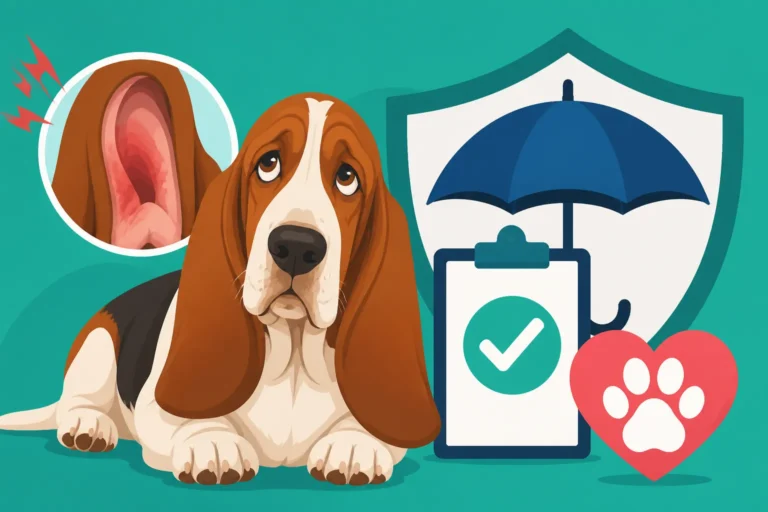
Basset Hounds often find themselves in rescue for a myriad of reasons, many of which stem from misconceptions about the breed or changes in their owners' lives. Sometimes, families are overwhelmed by the breed's unique care requirements, especially regarding their notorious ears and skin folds. A new owner might not anticipate the commitment involved in The Twice Weekly Ear Ritual a Basset Hound Owner Signs Up For or Cleaning the Folds a Basset Hound's Face Is Made Of. When these needs become too much, a Basset Hound might be surrendered.
Other times, changes in a family's living situation, such as a move to an apartment with strict noise policies, can make it impossible to keep a Basset Hound who loves to express itself with a deep, resonant bay. Financial hardship can also be a significant factor, as chronic health issues common to the breed, like recurrent ear infections or back problems, can lead to substantial veterinary bills. A family facing tough economic choices might feel they have no option but to rehome their beloved hound, hoping a rescue can provide the care they can no longer afford.
Age is another common reason. As Basset Hounds grow older, they can develop mobility issues, joint pain, or incontinence, requiring more dedicated care and adaptations to the home. An owner who adopted a puppy might not be prepared for The Old Basset Hound That Cannot Get Off the Floor years later. Rescues step in to ensure these senior hounds, who deserve comfort and dignity in their golden years, don't end up in shelters unequipped for their needs. This is often when a foster home becomes a lifeline for an older dog seeking a soft landing.
Common Basset Hound Foster Challenges
Let's be real: Basset Hounds are charming, but they aren't without their quirks. One of the most frequent challenges fosters face is house-training, especially with adult Bassets who might have come from outdoor living situations, puppy mills, or simply a home where consistency wasn't a priority. They might be used to doing their business whenever and wherever, and teaching them new habits requires immense patience, frequent potty breaks, and a good clean-up crew. It can feel like starting from scratch with a giant puppy, but with a solid routine, they do get there.
Another significant hurdle can be their "selective hearing," particularly when their powerful noses lead them on an adventure. A Basset Hound on a scent trail is a Basset Hound deaf to the world around it, including your desperate calls. This means they are often unsuitable for off-leash excursions in unfenced areas, as their instinct to follow a scent will override any training. The Recall a Basset Hound Will Never Reliably Give You is a common lament among owners, making secure fencing or a long line an absolute necessity for safe exercise and exploration.
Vocalization is another common issue. Basset Hounds are known for their distinctive bay, a deep, mournful sound that can carry for miles. While charming to some, it can be a source of conflict with neighbors, especially in close-knit communities or apartment complexes. Some Basset Hounds may also suffer from Whether a Basset Hound Gets Separation Anxiety, expressing their distress through persistent howling or destructive behaviors when left alone. Addressing these issues often requires consistent training, enrichment, and sometimes even professional guidance, which the rescue typically helps arrange.
Preparing Your Home for a Foster Basset Hound
Before your foster Basset Hound even steps a paw across your threshold, there's some vital groundwork to lay. These long, low dogs have specific needs when it comes to safety, comfort, and general household management. Thinking ahead can save a lot of stress for both you and your new furry guest.
Creating a Safe and Secure Space
The first, and arguably most critical, step is to ensure your home and yard are Basset-proof. Their low stature and keen sense of smell mean they can get into surprisingly tight spots or under seemingly secure barriers. If you have a yard, a robust fence is non-negotiable. Don't assume a standard height will suffice; a determined Basset can find a way to escape if a scent calls to them. Fosters often worry about How High a Fence a Basset Hound Needs and if their existing setup is sufficient. Pay attention to gaps under gates or loose boards.
Inside the home, baby gates become your best friend. They're invaluable for managing access to certain rooms, keeping the Basset out of trouble, or providing a safe, quiet space when needed. Secure any low-lying cabinets containing cleaning supplies or medications. Basset Hounds, with their curious noses and sometimes indiscriminate appetites, are prone to sampling things they shouldn't. Think about things a child might get into, and then think a bit lower and wider. Consider putting away any precious or easily chewed items, at least initially, until you learn your foster's habits.
Remember that their long backs are vulnerable. Preventing jumps from furniture or climbing stairs excessively can be crucial for their long-term health, especially if they are older or have a history of back issues. You might want to consider Whether a Basset Hound Should Use a Ramp for access to sofas or beds, or even block off staircases entirely. This foresight can prevent painful injuries and costly vet visits down the line, ensuring your foster remains comfortable and safe.
Essential Supplies and Comforts
Having the right supplies on hand makes the transition smoother for everyone. You'll need sturdy food and water bowls, ideally ones that are raised to ease strain on their neck and back, and perhaps a slow-feeder bowl if your Basset has a tendency to 'inhale' their meals, which is common. Many rescues have partnerships with companies like Chewy, allowing fosters to order necessary supplies directly through the rescue's account, easing the financial burden and ensuring the right products are always available.
Comfort is key for a dog that might be feeling stressed or anxious. A soft, orthopedic bed is a must, offering support for their heavy bodies and vulnerable joints. Place it in a quiet, accessible area where they can retreat and feel secure. Basset Hounds love to burrow, so a bed with sides or a blanket for them to nest in can be particularly comforting. Providing a variety of appropriate chew toys and puzzle toys can also help alleviate boredom and stress, keeping their minds engaged and their jaws happy.
And let's not forget about their distinctive ears! Due to their length, Basset Hounds' ears can easily drag through food and water bowls, leading to mess and potential ear infections. A snood – a fabric tube that holds their ears back – can be incredibly useful, especially during meal times. Many fosters find themselves asking Whether a Basset Hound Needs a Snood at Dinner after a few messy meals! Regular ear cleaning solution and soft wipes for their facial folds are also essential items to have on hand, as their unique anatomy makes them prone to skin and ear issues.
Daily Life with a Foster Basset Hound
Integrating a foster Basset Hound into your daily routine is about balancing their needs with your own, all while being prepared for their delightful, sometimes stubborn, personality. Consistency, patience, and a deep understanding of the breed's natural instincts will be your greatest assets.
Routine and Training
Establishing a consistent daily routine from day one is incredibly beneficial for a foster Basset Hound. Dogs thrive on predictability, and for a hound who may have experienced instability, a clear schedule for meals, potty breaks, walks, and quiet time can drastically reduce anxiety and help them settle in faster. This routine is especially crucial for house-training. Frequent, scheduled trips outside, always with positive reinforcement for success, are far more effective than waiting for accidents to happen.
Training should focus on positive reinforcement methods. Basset Hounds respond best to motivation, and for many, that means food. What Actually Motivates a Basset Hound is often a high-value treat, so stock up on tasty, small rewards for good behavior. Short, frequent training sessions are more effective than long, drawn-out ones, as their attention spans can be… selective. Focus on basic cues like "sit," "stay," and a reliable "come" (indoors or on a long line, of course). Remember, you're not trying to change their core nature, but teach them house manners and communication.
Enrichment is also a huge part of daily life. Basset Hounds were bred to use their noses, and denying them this instinct can lead to boredom and frustration. Incorporate scent work into their day – hiding treats around the house, using snuffle mats, or taking them on "sniffaris" where they can explore a safe, new environment with their nose to the ground. This mental stimulation can tire them out more effectively than physical exercise alone, leading to a calmer, happier foster dog.
Health and Grooming Needs
Basset Hounds, with their unique conformation, come with a specific set of health and grooming requirements that are vital for their well-being. Ear care is paramount. Their long, heavy ears, combined with narrow ear canals, create a perfect environment for yeast and bacteria to thrive. You'll likely be performing How Often a Basset Hound's Ears Must Be Cleaned as directed by the rescue or veterinarian, often several times a week, using a gentle ear cleaner. It's a routine that takes patience to teach and maintain.
Beyond their ears, their beautiful, wrinkled faces also need attention. The folds around their eyes, muzzle, and neck can trap moisture, food, and debris, leading to skin fold infections if not cleaned regularly. Using a soft, damp cloth or veterinary wipes to gently clean and then thoroughly dry these areas daily can prevent irritation and discomfort. This preventative care is key to The Skin Under a Basset Hound's Folds staying healthy.
Diet also plays a crucial role in a Basset Hound's health. Many Bassets are prone to weight gain, which can exacerbate joint problems and back issues. The rescue will provide guidelines on feeding, but it's important to monitor their weight closely. Sometimes, a Basset Hound arriving in foster care might be underweight or have a sensitive stomach due to stress, and a high-quality food, perhaps even a fresh food option like Ollie, could be discussed with the rescue to help them settle and gain healthy weight. Regular vet check-ups, typically covered by the rescue, will address any medical issues that arise, from routine vaccinations to managing chronic conditions.
Understanding the Costs and Support for Fostering
One of the most common questions potential fosters have is about the financial aspect. It's a completely valid concern, as caring for a dog, even temporarily, can add up quickly. Thankfully, reputable Basset Hound rescues have robust systems in place to support their foster families, significantly alleviating the financial burden.
Financial Support from Rescues
The good news is that foster parents are typically not expected to bear the financial cost of their foster dog's medical care. Reputable Basset Hound rescues cover all veterinary expenses, including vaccinations, spay/neuter surgeries (if not already done), microchipping, and any treatments for existing conditions like ear infections or dental work. They usually have established relationships with veterinarians and will direct you to approved clinics for all necessary appointments. This means you won't be on the hook for What a Basset Hound's Emergency Surgeries Cost should an unforeseen medical issue arise.
Beyond vet care, most rescues also provide food or reimburse fosters for food expenses. Many even have accounts with online retailers, like Chewy, where you can order supplies directly, making it incredibly convenient. They often supply necessary items such as crates, leashes, collars, and sometimes even specialized equipment like orthopedic beds or ramps, especially for senior or mobility-challenged fosters. The goal is to remove as many financial barriers as possible, allowing fosters to focus purely on providing a loving temporary home.
This comprehensive support is why fostering is so vital to rescue organizations. Without foster homes, they would need costly kennel facilities, which would limit the number of dogs they could help. By covering the major expenses, rescues empower individuals and families to open their homes, directly impacting a Basset Hound's journey to a forever family. If you're ever in doubt about what's covered, always communicate openly with your foster coordinator.
Unexpected Expenses and Personal Contributions
While rescues strive to cover all major costs, there can sometimes be minor, incidental expenses that fosters might choose to cover out of pocket. These are rarely mandatory but can enhance the foster experience. For example, you might decide to buy a new, fun toy that your foster absolutely adores, or a special treat not typically covered by the rescue's food budget. These small gestures often come from the heart and are a foster's way of spoiling their temporary companion.
Another area where fosters might contribute, either financially or through time, is in providing extra enrichment or comfort items. Perhaps you find a particular brand of calming chew or a specific puzzle toy that really helps your foster settle in. Or maybe you want to enroll your foster in a basic obedience class (with prior approval from the rescue) to help with training, though many rescues have volunteers or trainers who offer support. These are personal choices and demonstrate an extra level of dedication to the foster dog's well-being.
It's also worth noting that if you fall head over heels for your foster Basset Hound and decide to adopt them – a phenomenon affectionately known as a "foster fail" – you would then become responsible for all future costs. In that happy scenario, exploring pet insurance options from providers like Healthy Paws for breeds with known predispositions, such as The Back Trouble a Basset Hound Is Built Into or The Glaucoma a Basset Hound Inherits, becomes a sensible consideration to help manage future veterinary expenses.
The Emotional Journey of Fostering
Fostering a Basset Hound is as much an emotional journey as it is a practical one. You'll experience highs and lows, moments of immense joy, and periods of heartfelt challenge. Understanding these emotional dynamics can help you prepare for the unique bond you'll form.
The Joys of Seeing Them Blossom
One of the most profound joys of fostering is witnessing a Basset Hound transform. Many Bassets arrive shy, withdrawn, or even fearful, having endured neglect or confusion. They might be unsure of humans, wary of new environments, or simply shut down. As a foster parent, you get to provide the consistent love, patience, and safety that allows their true personality to emerge. Seeing a hound who once cowered in a corner learn to wag its tail, seek out cuddles, or confidently explore its surroundings is an incredibly powerful and validating experience.
There's immense satisfaction in teaching a dog basic manners or helping them overcome a fear. Perhaps your foster Basset arrived with terrible house-training habits, and after weeks of dedication, they finally signal at the door. Or maybe they were terrified of leashes, and you slowly, gently helped them associate walks with positive experiences. These small victories, accumulated over time, are deeply rewarding and make every effort worthwhile. You are literally helping to rebuild a dog's trust in humanity and prepare them for a lifetime of happiness.
And then there's the ultimate joy: seeing your foster Basset Hound find their forever home. Knowing that you played a crucial role in their rehabilitation and matching them with a loving family is truly special. You've provided the foundation, given them a second chance, and helped them become the best version of themselves. It’s a bittersweet moment, for sure, but the knowledge that you've facilitated that happy ending is often cited by fosters as the most rewarding part of the entire process.
The Bittersweet Goodbye
Let's not sugarcoat it: saying goodbye to a foster dog is tough. You've welcomed them into your home, shared your life with them, and nursed them back to health or happiness. You've seen their silly quirks, their endearing habits, and maybe even cleaned up a few accidents. They've become a part of your daily routine, and your heart has undoubtedly grown a little bigger to make space for them. When adoption day arrives, it's perfectly normal to feel a pang of sadness, a lump in your throat, and maybe even a few tears.
This is the bittersweet reality of fostering. You open your heart fully, knowing that the primary goal is rehoming. It’s a commitment to a greater purpose, which means prioritizing the dog's long-term happiness over your immediate desire to keep them. Many fosters find solace in knowing that their goodbye means another Basset Hound in need can now occupy that foster spot, allowing the rescue to save another life. It’s a continuous cycle of giving and letting go, fueled by compassion.
To cope with the goodbye, many fosters focus on the positive aspects of the placement. They ask for updates, enjoy photos, and celebrate the new family's joy. It helps to remember that you’re not just saying goodbye to one dog, but making space for the next. This dedication allows rescue organizations to continue their vital work. While it may sting initially, the memory of their transformation and the joy of their new life eventually overshadow the temporary ache of parting.
Finding the Right Foster Program
Deciding to foster is a big step, and finding the right rescue organization to partner with can make all the difference in your experience. A good foster program provides comprehensive support, clear communication, and a shared passion for Basset Hounds.
Researching Reputable Rescues
Before you commit, take the time to research various Basset Hound specific rescues or general animal shelters that frequently handle Bassets in your area or region. Look for organizations with a clear mission statement, a strong online presence, and positive testimonials from current and former volunteers and adopters. A reputable rescue will be transparent about their processes, their financial policies for fosters, and their expectations.
Check if they are a registered non-profit organization and what their reputation is within the animal welfare community. Do they have a robust network of volunteers? Do they appear organized and well-managed? You want to partner with a rescue that has the infrastructure and experience to provide you with the necessary support, especially if your foster Basset Hound arrives with significant health or behavioral needs. A well-run rescue will also have a clear adoption process, ensuring that the dogs they rescue are placed into carefully vetted forever homes.
Don't hesitate to reach out to them with questions. A good rescue will welcome your inquiries and provide thorough answers. Ask about their communication channels, who your point of contact would be, and how quickly they respond to emergencies or concerns. Understanding their support system is crucial, as you'll be relying on them for guidance and resources throughout your fostering journey.
The Application and Vetting Process
Once you've identified a rescue you'd like to work with, the next step is typically the application process. This usually involves filling out a detailed form about your living situation, pet experience, lifestyle, and what you're able to offer a foster dog. Be honest and thorough; this information helps the rescue match you with a Basset Hound that will thrive in your home. They want to set you and the dog up for success.
Following the application, you can expect a vetting process that often includes reference checks, a phone interview, and potentially a home visit. The home visit isn't about judging your housekeeping skills; it's about ensuring your home environment is safe and suitable for a Basset Hound. They might check your fence, look at where a crate might go, and discuss potential hazards. This is also a great opportunity for you to ask more questions in person and get a better feel for the rescue's approach.
Remember, this rigorous process is for the benefit of the dogs. It ensures that every Basset Hound placed into foster care has the best possible chance at a successful transition and ultimately, a loving forever home. While it might seem like a lot of steps, it’s a sign of a responsible rescue dedicated to the welfare of their animals. Embrace the process, be open, and soon you might be welcoming your very first foster Basset Hound!
Foster Dog Types and Care Needs
To help you understand the potential commitment involved, here's a table outlining different types of Basset Hounds you might foster and their typical care requirements.
| Foster Dog Type | Common Characteristics | Typical Care Requirements | Potential Challenges |
|---|---|---|---|
| Puppy | High energy, learning everything, rapidly growing | Frequent potty breaks, basic obedience training, socialization, appropriate chew toys, early vet care. | Destructive chewing, house-training accidents, high energy, early socialization needs. |
| Adult (1-6 years) | Established personality, may have some training, often confused by change. | Consistent routine, reinforcement of good manners, moderate exercise (sniffaris!), continued socialization. | May have ingrained habits, separation anxiety, house-training regression due to stress, baying. |
| Senior (7+ years) | Lower energy, may have existing health issues, usually calmer, seeks comfort. | Soft bedding, ramps/steps for mobility, management of chronic conditions (arthritis, incontinence), shorter walks, frequent vet check-ups. | Mobility issues, increased vet needs, potential for accidents, The Old Basset Hound That Cannot Get Off the Floor, special dietary needs. |
| Medical Needs | Any age, requires ongoing treatment for illness or injury. | Administering medication, wound care, specialized diet, frequent vet visits, possibly restricted activity. | High commitment to treatment plan, potential for emotional toll, managing pain or discomfort. |
| Behavioral Needs | Any age, requires specific training for issues like fear, anxiety, or reactivity. | Consistent positive reinforcement, professional trainer consultation (rescue provided), quiet environment, patience, management of triggers. | Time-intensive training, potential for setbacks, managing reactivity or aggression towards others. |
Disclaimer
This article is for general informational purposes only and does not constitute professional advice. Laws, prices and regulations vary by location and change over time. Consult a qualified professional for guidance on your specific situation.