Whether a Rescue Basset Hound Has Untreated Ears
Bringing a rescue Basset Hound home is a truly heartwarming experience, but it often comes with a unique set of challenges and unknowns. One of the most common, and frankly, heartbreaking, issues adopters face is discovering their new companion might be suffering from untreated or chronic ear problems. This comprehensive guide will help you understand why rescue Basset Hounds often arrive with ear issues, how to identify them, and what steps you can take to provide the best care for your long-eared friend, ensuring their comfort and well-being.
Why Basset Hounds are So Prone to Ear Troubles
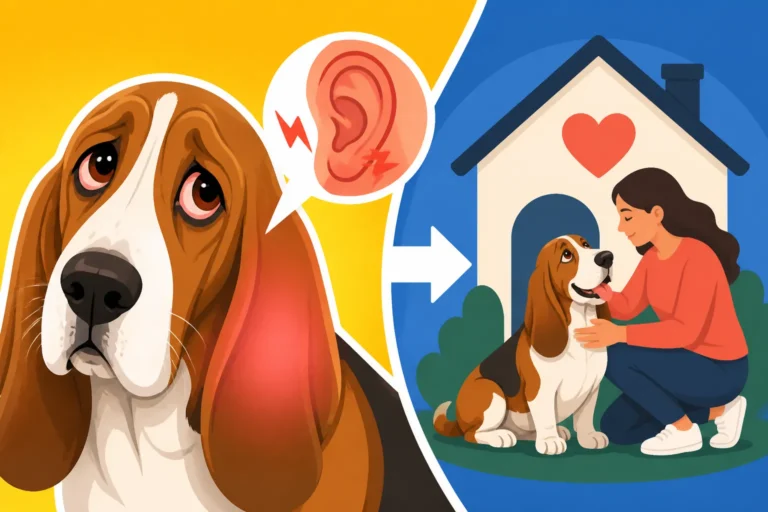
It’s no secret that Basset Hounds have those magnificent, long, droopy ears – they’re one of their most defining and beloved features! But, unfortunately, these very ears, while charming, are a significant contributor to a lifetime of potential ear problems. When you adopt a rescue Basset, it's almost a given that you'll be contending with some degree of ear maintenance, if not active treatment for existing issues. Their ear structure is simply a perfect storm for trouble.
Think about it: those long, heavy ear flaps hang down, creating a warm, dark, and humid environment inside the ear canal. Unlike breeds with upright ears where air circulates freely, the Basset's ears essentially seal off the ear canal, trapping moisture and heat. This isn't just uncomfortable; it's an open invitation for opportunistic bacteria and yeast to set up shop and multiply. It's like a tiny, damp greenhouse just waiting for things to grow out of control. Many owners grapple with Whether Every Basset Hound Gets Ear Infections, and sadly, the answer leans towards "yes" for most at some point.
Beyond the external flap, the internal anatomy of a Basset Hound's ear canal is also particularly challenging. Their ear canals are often narrower and have more bends and turns than other breeds. This intricate pathway makes it incredibly difficult for natural debris, wax, and moisture to drain out effectively. Imagine trying to clean a winding, narrow cave with a mop – it's just not going to happen easily. This inherent design means that even with the best intentions, keeping a Basset Hound's ears truly clean and dry is an uphill battle, especially if their previous owners were unaware or unable to maintain a diligent cleaning routine. This anatomical reality often means that Why a Basset Hound's Ear Canal Never Dries is a fundamental problem we, as owners, need to constantly manage.
Adding another layer of complexity, Basset Hounds can also be predisposed to allergies – environmental, food-related, or a combination of both – which can manifest as chronic ear inflammation. An allergic reaction can cause the lining of the ear canal to swell and produce excessive wax, further exacerbating the conditions for infection. When you combine this allergic predisposition with their ear anatomy, you understand why ear infections can become a recurring nightmare. For a rescue Basset, especially one whose past diet or environment is unknown, underlying allergies might have gone completely unaddressed, leaving their ears in a constant state of irritation and vulnerability. This cascade of factors is why ear health is such a cornerstone of Basset Hound care.
Common Ear Conditions in Rescue Basset Hounds
When a Basset Hound comes into rescue, it's often because their previous owner couldn't or wouldn't provide the necessary care, and ear issues are frequently high on that list of neglected problems. You might encounter a range of conditions, from acute, smelly infections to deeply chronic, painful changes. Understanding these common ailments will help you prepare for what might lie ahead with your new family member.
Acute Ear Infections
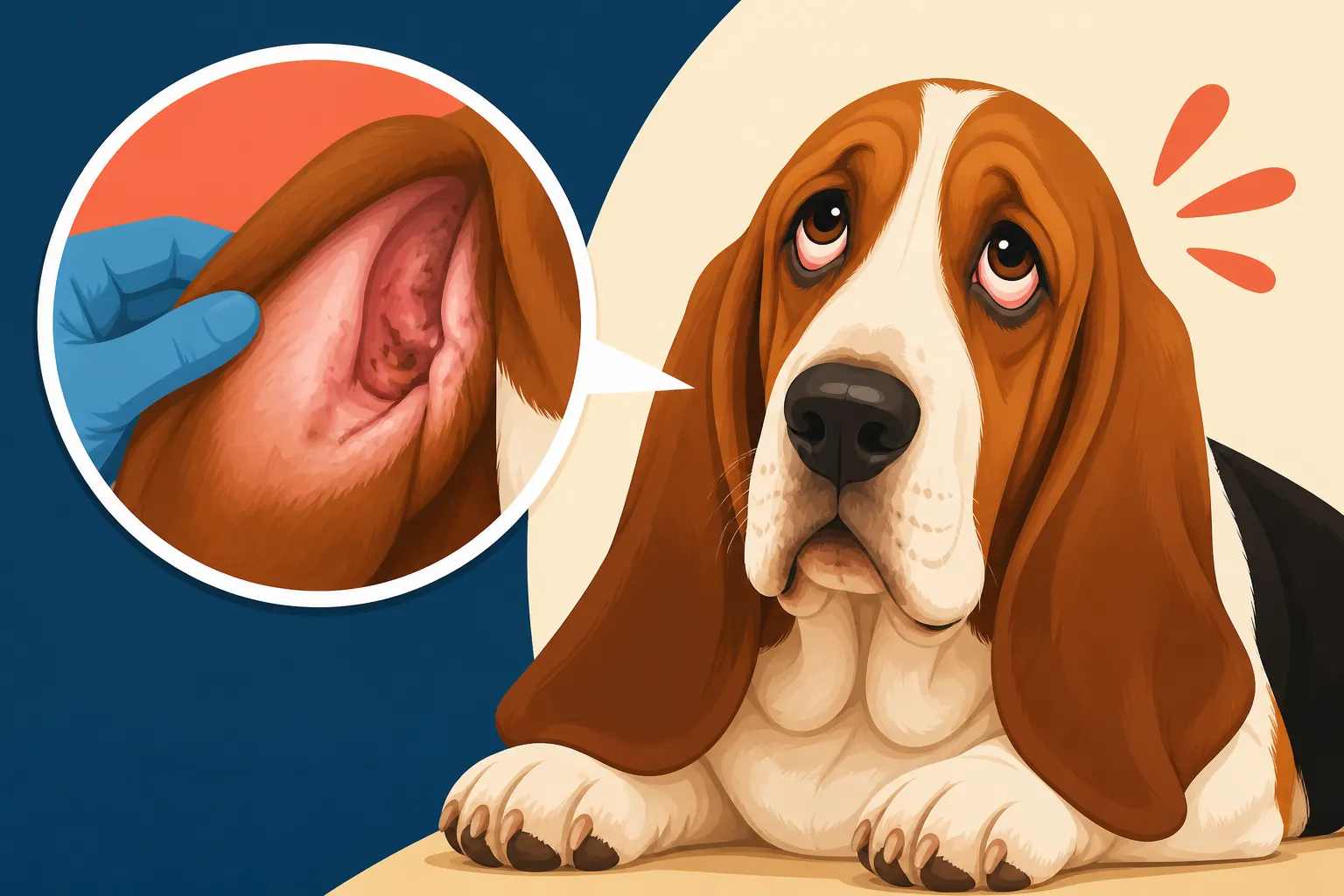
An acute ear infection is typically a sudden onset of inflammation and infection. You'll often notice a strong, unpleasant odor emanating from the ear, which can be sweet (often indicative of yeast) or sour (more typically bacterial). There might be discharge, ranging from yellowish-brown to dark, waxy, and almost black. The ear flap itself might be red, swollen, and warm to the touch. Your Basset might be constantly shaking its head, scratching at its ears, or rubbing its head along the furniture or ground in an attempt to relieve the intense itch and pain. It’s incredibly uncomfortable for them, and heartbreaking for us to witness.
While these infections can appear suddenly, in a rescue situation, they might be the culmination of weeks or months of low-grade irritation that finally flared up due to stress, lack of cleaning, or a change in environment. The good news is that acute infections, once properly diagnosed, are often quite treatable with a course of medicated ear drops and thorough cleaning. The challenge lies in ensuring it stays treated, because Bassets are so prone to recurrence. Identifying The Signs a Basset Hound's Ear Has Gone Bad early is crucial for effective treatment.
Chronic Ear Disease
This is where things get truly challenging, especially with a rescue dog whose history is unclear. Chronic ear disease develops when acute infections are left untreated, or recur repeatedly over a long period. The constant inflammation causes irreversible changes to the ear canal: the skin thickens, making the canal even narrower, and the glands within the ear produce even more waxy discharge. This scarring and narrowing create a vicious cycle, making it almost impossible for air to circulate or for medications to penetrate effectively. The ear might have a persistent, foul odor, and the dog may be reluctant to have its head touched due to ongoing pain.
You might notice that the ear leather feels different – thicker, almost leathery. In severe cases, the ear canal can become almost completely calcified, essentially turning into bone. At this point, topical medications have little to no chance of reaching the affected areas, and the Basset is in constant discomfort. This is often when a vet will discuss more drastic measures, sometimes even surgery. If you suspect your rescue Basset has chronic ear issues, it's imperative to get a full veterinary assessment to understand the extent of the damage and formulate a long-term management plan. Dealing with The Ear Infections That Never Really Leave a Basset Hound becomes a dedicated commitment.
Aural Hematomas and Other Issues
An aural hematoma is another common, and often painful, problem seen in Basset Hounds, particularly those with existing ear infections. When a Basset Hound shakes its head violently and repeatedly – typically due to the intense discomfort of an infection – the small blood vessels within the ear flap can rupture. This causes blood to pool between the cartilage and skin of the ear flap, creating a large, soft, fluid-filled swelling that resembles a pillow. It's visibly distressing and quite painful for the dog.
Beyond infections and hematomas, rescue Bassets might also present with ear mites (especially common in puppies or dogs from crowded environments), foreign bodies lodged deep in the ear canal (like foxtails or grass awns), or even polyps or tumors, particularly in older dogs with chronic inflammation. Each of these requires a specific diagnostic approach and treatment plan. A full veterinary examination, which often includes an otoscopic exam and sometimes sedation for a thorough flush, is critical to accurately diagnose and address these issues. The cost associated with What an Aural Hematoma Repair Costs on a Basset Hound can be significant, highlighting the importance of pet insurance.
| Feature | Acute Ear Infection | Chronic Ear Infection | Aural Hematoma |
|---|---|---|---|
| Onset | Sudden, often after exposure to moisture or allergens | Gradual, recurring, or persistent over weeks/months | Sudden swelling on ear flap after head shaking/scratching |
| Symptoms | Redness, strong odor, discharge, pain, head shaking, scratching | Thickened ear canal, dark discharge, pain, hearing loss, behavior changes | Soft, fluid-filled swelling on inner or outer ear flap |
| Underlying Cause | Bacteria, yeast, mites, allergies, foreign body | Untreated acute infections, chronic allergies, anatomical issues | Trauma from excessive head shaking or scratching |
| Treatment | Ear cleaning, medication (drops/oral), addressing primary cause | Long-term medication, allergy management, surgery (e.g., TECA) | Surgery to drain and stitch, preventing recurrence |
| Prognosis | Good with prompt treatment | Challenging, often requires lifelong management | Good with surgical intervention |
Assessing Your Rescue Basset's Ears and Seeking Veterinary Help
Bringing home a rescue Basset Hound is an exciting time, but it's essential to perform an initial check of their ears as soon as you can, and schedule a full veterinary check-up promptly. This early assessment is critical for catching potential issues before they escalate, especially given how quickly ear problems can worsen in Bassets. Don't feel overwhelmed – rescues often provide great preliminary care, but a thorough check by your trusted vet is always the best first step.
What to Look and Smell For
Before your vet appointment, take a gentle peek into your Basset's ears. Start by simply lifting the long ear flap and looking at the opening of the ear canal. Is it red, swollen, or inflamed? Do you see any discharge? This could range from brownish-black wax to yellowish pus. Pay close attention to any odor; a healthy ear should have minimal scent, perhaps a very faint waxy smell. Anything strong, sweet, or foul is a red flag. Your Basset might also show signs of discomfort, like pain when you gently touch the ear, or excessive head shaking and scratching. These are all vital clues that something isn't right. Understanding Whether a Basset Hound's Ear Odor Is Normal is important here – hint: a strong odor is almost never normal.
Also, observe their general behavior. Is your Basset tilting its head persistently? Are they rubbing their ears on furniture or the carpet? Do they seem generally miserable or withdrawn, which could be a sign of chronic pain? These behavioral indicators often point to underlying discomfort that they've been tolerating. Many rescue Bassets come from situations where they've learned to mask their pain, so even subtle cues should be taken seriously. Even if the ears don't look terrible, any persistent head shaking or scratching warrants immediate attention.
The All-Important Vet Visit
Even if your rescue Basset's ears look pristine (a rare but wonderful occurrence!), a thorough vet examination is non-negotiable. Your veterinarian will perform an otoscopic exam, using a special tool to look deep inside the ear canal. This allows them to assess the condition of the eardrum, identify any foreign bodies, or determine the extent of swelling or discharge. They'll also likely take a sample of any discharge for cytology – a microscopic examination to identify whether yeast, bacteria (and what type of bacteria), or mites are present. This step is incredibly important as it guides the choice of medication. You can learn more about differentiating issues in Whether Yeast or Bacteria Is in a Basset Hound's Ear.
Discussing the possibility of chronic issues and developing a long-term plan is also key. Don't be shy about asking about the financial implications either; treating chronic ear issues can become an ongoing expense. What Chronic Ear Treatment Costs a Basset Hound Owner can really add up over time, so having a clear understanding from your vet about expected costs and treatment protocols is essential. This initial vet visit sets the foundation for your Basset's ear health journey and helps catch any untreated conditions from their previous life.
Managing and Treating Ear Issues in Your New Rescue Basset
Once you've had your rescue Basset thoroughly checked by the vet and received a diagnosis, the real work of ongoing care and treatment begins. This is where dedication, consistency, and a little patience truly pay off in bringing comfort and health to your long-eared companion.
Treatment Protocols and Ongoing Care
Depending on the diagnosis, your vet will prescribe a course of action. For acute infections, this usually involves a combination of thorough ear cleaning and medicated ear drops, sometimes coupled with oral antibiotics or anti-inflammatories. It’s absolutely vital to follow your vet's instructions to the letter – don't stop medication just because the ear looks better, as hidden infection can linger and lead to recurrence. Learning How to Clean a Basset Hound's Ears Properly is a skill every Basset owner needs to master.
For chronic cases, the approach might be more extensive. This could mean longer courses of medication, specific allergy management (which might involve special diets, like those offered by Ollie, or environmental changes), or even discussions about surgical options if the ear canals are too damaged to respond to medical treatment. Some Bassets require lifelong, regular cleaning and preventive drops, becoming a true The Twice Weekly Ear Ritual a Basset Hound Owner Signs Up For. It's a commitment, but seeing your Basset comfortable and happy makes it all worthwhile.
Diet, Environment, and Prevention
Beyond direct medication, holistic approaches play a huge role in preventing ear issues. Diet can significantly impact ear health, especially if your Basset has food allergies. Switching to a high-quality, limited-ingredient diet, or even a fresh food option, might help reduce inflammation throughout their body, including in their ears. Brands like Ollie specialize in human-grade fresh food that can be tailored to your dog's specific needs, and can be a great option for minimizing potential allergens. You might find great deals on specialized food or ear cleaners through platforms like Chewy.
Environmental factors are also critical. Keeping your Basset's living area clean and dry helps reduce exposure to allergens and molds. After baths or swims, thoroughly drying their ears (gently, with cotton balls, never inserting anything deep into the canal) is essential to prevent moisture from getting trapped. Consider investing in a snood to keep those long ears out of food and water bowls, and away from wet grass or mud, reducing exposure to potential irritants. Even simple steps can make a big difference in preventing a flare-up.
The Role of Pet Insurance
Let's be realistic: treating Basset Hound ears, especially chronic conditions or emergencies like an aural hematoma, can become quite expensive. Veterinary bills for diagnostics, medications, and potential surgeries can quickly add up. This is where pet insurance can be a true lifesaver for a rescue Basset owner. Companies like Healthy Paws offer coverage for accidents and illnesses, which can help mitigate the financial stress of ongoing ear care.
It's wise to investigate pet insurance options early, even if your Basset currently has some ear issues, as many policies have waiting periods. Be sure to understand what is covered and what might be considered a pre-existing condition. While some insurers might initially exclude existing ear conditions, a good policy can still cover future, unrelated issues, or if the ear condition resolves and then recurs after a waiting period. Thinking about Whether an Insurer Excludes a Basset Hound's Ears is a smart move for any new Basset owner, especially with a rescue. Planning ahead financially for your Basset's health needs, including the inevitable ear care, provides immense peace of mind.
Disclaimer
This article is for general informational purposes only and does not constitute professional advice. Laws, prices and regulations vary by location and change over time. Consult a qualified professional for guidance on your specific situation.