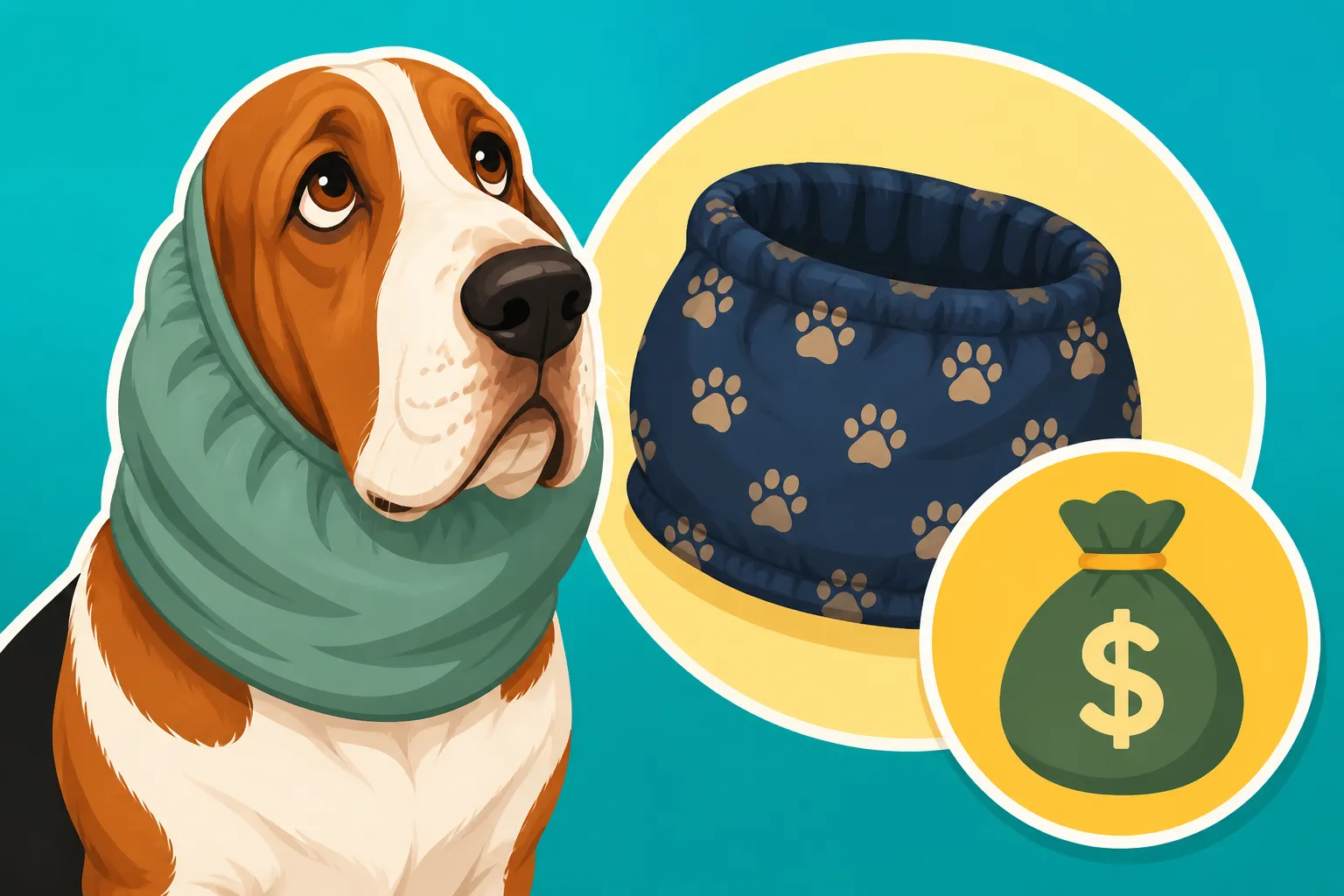
What a Snood for a Basset Hound Costs
Oh, the joys and challenges of living with a Basset Hound! One of the most endearing, yet sometimes exasperating, aspects of these wonderful dogs is their magnificent, super-long ears. While they add to their undeniable charm and incredible scenting ability, they also have a frustrating habit of dipping into everything – food bowls, water bowls, mud puddles, and anything else they can possibly sweep up. If you've ever cleaned kibble out of a Basset's ear leather or wiped up a trail of drool-and-water mix across your kitchen floor, you know exactly the struggle. This guide is all about tackling that common Basset Hound dilemma: understanding what a snood is, why it's such a game-changer for Basset owners, and what you can expect to pay for one to keep those precious ears clean and healthy.
What Exactly is a Snood and Why Your Basset Hound Needs One
Let's face it, Basset Hounds are a breed of extremes, and their ears are perhaps the most extreme feature of all. They are long, heavy, and hang low, often sweeping the ground and certainly dipping into every available substance. This isn't just a quirky characteristic; it leads to a host of practical problems that a simple garment, the snood, can effectively solve.
The Practical Problem of Long, Droopy Ears
Imagine preparing a delicious meal for your Basset. You set down the bowl, and with an enthusiastic plunge, your dog dives in. Those long, velvety ears? They go right into the food, getting coated in kibble, wet food, or whatever tasty morsel you've offered. The same happens with water, leading to soggy ears and a sloppy drinking experience. Beyond the immediate mess – which, let's be honest, can be considerable with a Basset's floppy jowls and powerful shake – there are more serious implications.
Firstly, hygiene. Food and water can get trapped in the folds and along the length of the ear leather. This creates a warm, moist environment that is absolutely ideal for bacteria and yeast to thrive. Basset Hounds are already predisposed to ear infections due to their deep, narrow ear canals and lack of airflow. Adding food debris and constant dampness just exacerbates the issue, making Whether Every Basset Hound Gets Ear Infections a very real concern for owners. You might find yourself constantly needing to How Often a Basset Hound's Ears Must Be Cleaned or dealing with persistent, uncomfortable ear problems that require veterinary attention. The cost of chronic ear infections can be astronomical, easily dwarfing the price of preventative tools like snoods.
Secondly, the sheer inconvenience for both you and your dog. Nobody enjoys constantly cleaning up after mealtime, wiping sticky ears, or mopping a trail of water. Your Basset might also find it uncomfortable, leading to head shaking, rubbing, and general irritation. If your Basset Hound's ears drag through its food, it's not just messy, it's a potential health hazard and an ongoing chore. A snood provides a simple, elegant solution by gathering those long ears and holding them gently out of the way during mealtimes, walks, or any activity where they might get dirty.
More Than Just a Fashion Statement: Versatile Uses for Snoods
While initially conceived to keep ears out of food, snoods have proven to be incredibly versatile tools for Basset Hound owners. They're definitely more than just a cute accessory, though many owners do enjoy the fun patterns and colors!
Think about outdoor adventures. Your Basset's keen nose leads them through tall grass, under bushes, and sometimes, right into muddy puddles. Their ears are often the first thing to collect burrs, stickers, leaves, and mud. A snood can protect their delicate ear leather from getting tangled, scratched, or simply filthy. This is especially helpful if you live in an area with a lot of thorny plants or just after a good rain. It reduces the amount of post-walk grooming you have to do and prevents potential injuries or irritations. You might even find it useful to slip on a snood when you're giving your Basset a bath, to keep their inner ears dry while you shampoo their body. Whether a Basset Hound's Ears Should Be Dried After Swimming is critical, and a snood can help manage water exposure even when not swimming directly.
Furthermore, if your Basset Hound is undergoing treatment for an ear infection and needs medicated drops, a snood can help keep the medication localized and prevent your dog from shaking it out immediately. It can also act as a gentle barrier to stop your Basset from scratching at their ears excessively, allowing the skin to heal, especially if they are experiencing discomfort or itchiness from allergies or other skin issues. For dogs prone to The Skin Under a Basset Hound's Folds, extending that protection to the ears can be beneficial.
Understanding the Different Types of Basset Hound Snoods
Not all snoods are created equal, and understanding the variations in materials, design, and fit can help you choose the best option for your Basset Hound's specific needs and your lifestyle.
Material Matters: Fabric Choices for Comfort and Function
The material of a snood dictates its primary function, durability, and how comfortable it will be for your Basset.
- Cotton or Cotton Blends: These are often the most common and affordable. They are soft, breathable, and comfortable for everyday wear during meals. They absorb liquids well, which can be a double-edged sword: good for soaking up drool, but they'll get wet quickly if your Basset is a particularly sloppy drinker or walking in the rain. Cotton snoods are easy to wash and come in a vast array of colors and patterns. They're a great choice for basic mealtime protection.
- Fleece: Ideal for cooler weather or for Bassets with very sensitive skin. Fleece is soft, warm, and provides a bit more cushioning. It's also quite durable. While it will absorb liquids, it's a bit thicker, so it might take longer to dry if it gets thoroughly soaked. Many handmade snoods, often found on platforms like Etsy, are crafted from soft fleece, offering a cozy feel.
- Waterproof/Water-Resistant Fabrics: If your primary concern is outdoor protection from rain, mud, or snow, a snood made from waterproof materials like PUL (polyurethane laminate) or certain types of nylon can be a lifesaesaver. These fabrics prevent moisture from soaking through to the ears, offering superior protection during walks in inclement weather. They are typically less breathable than cotton or fleece, so they are best used for shorter periods of outdoor activity rather than prolonged wear indoors.
- Mesh or Lightweight Sports Fabrics: For hotter climates or for Bassets who tend to overheat, mesh snoods offer excellent breathability. They might not stop all moisture from reaching the ears, but they'll keep out food, burrs, and larger debris while allowing air circulation. These are also great for active Bassets doing scent work or other outdoor activities where overheating is a concern.
When considering materials, think about what you want the snood to do. Is it just for mealtime? Then a simple cotton might suffice. Are you looking for protection on muddy trails? Then a waterproof option would be better.
Sizing and Fit for Your Loppy-Eared Friend
Getting the right size is absolutely paramount for a snood to be effective and comfortable. A snood that is too tight can cause discomfort, rub raw spots, or restrict blood flow, which is dangerous for such delicate ears. One that's too loose will simply fall off or allow the ears to slip out and get dirty anyway.
To measure your Basset for a snood, you'll generally need two measurements:
- Head Circumference: Measure around your Basset's head, just in front of their ears and under their chin, where the snood's lower edge will sit.
- Neck-to-Shoulder Length: Measure from the base of their skull (just behind their ears) down to where their neck meets their shoulders. This gives you an idea of the length needed to fully encompass their ears without being too long and getting in the way.
Different manufacturers might have slightly different sizing guides, so always check theirs. It's often better to go slightly larger if you're between sizes, as a little looseness is preferable to tightness, as long as it doesn't fall off. Some snoods come with adjustable elastic or drawstrings, which can offer a more customized fit. Brands that cater specifically to hounds, or even those on sites like Chewy that offer a wide range of pet accessories, will often have detailed sizing charts to help you.
Style and Customization Options
Beyond practicality, snoods offer a fun way to express your Basset Hound's personality (or your own!). You can find snoods in an incredible variety of colors, patterns, and themes. From festive holiday prints to whimsical animal designs or classic solid colors, there's truly something for everyone.
Some small businesses or crafters, particularly those you might find on platforms like Etsy, offer personalized snoods with your Basset's name embroidered, or custom fabric choices. While these unique options might command a slightly higher price, they allow for a truly one-of-a-kind accessory. Considering a custom snood can be a delightful way to celebrate your unique hound.
What Goes Into the Cost of a Basset Hound Snood?
When you start looking for a snood for your Basset Hound, you'll quickly notice a range of prices. What exactly causes these variations? It mostly boils down to the materials used, how it's made, and where you're buying it from.
Material Quality and Craftsmanship
Just like with human clothing, the quality of the fabric and the construction directly impact the price.
- Basic Materials: Snoods made from simpler, mass-produced cotton blends or basic fleece will generally be the most affordable. They are perfectly functional for everyday use and can be a great entry point if you're new to snoods. You might find these for just a few dollars, especially in multi-packs or clearance sales.
- Premium Fabrics: Snoods made from higher-end materials, such as organic cotton, specialized waterproof fabrics, or very soft, durable fleece, will naturally cost more. These materials often offer better longevity, comfort, or specific performance features (like being truly water-repellent).
- Handmade vs. Mass-Produced: A snood crafted by an individual artisan, especially one who specializes in hound accessories, will likely cost more than one churned out by a large factory. The higher price reflects the labor, attention to detail, and often the unique design or custom fit that a handmade item offers. Many Basset owners swear by these custom-made snoods because they fit so much better on their uniquely shaped hounds.
Brand and Retailer
Where you buy your snood also plays a significant role in its price.
- Specialty Pet Boutiques: These stores might offer unique, high-quality, or locally made snoods, often at a premium price. You're paying for curated selection and often expert advice.
- Large Online Retailers: Websites like Chewy offer a vast selection from various brands, often at competitive prices. You'll find a wide range from budget-friendly options to more premium choices. They can be a great place to start your search, allowing you to compare many options side-by-side.
- Crafters and Online Marketplaces: Platforms like Etsy are goldmines for handmade snoods. Prices here can vary wildly, depending on the individual seller's skill, materials, and branding. You might find a bargain, or you might find a bespoke, personalized item that's a bit pricier.
- Veterinary Clinics/Groomers: While not typically stocking a wide range of fashion snoods, some clinics might carry functional snoods, especially those designed for post-surgical care or to help manage ongoing ear conditions. Their prices might be slightly higher, but they are often chosen for specific medical benefits.
Customization and Special Features
Any added bells and whistles will contribute to the cost. A simple, plain snood will always be cheaper than one with intricate embroidery, multiple fabric layers, adjustable toggles, or specialized features like reflective strips for night walks. If you want a snood with a unique pattern or one that's designed to withstand extreme conditions, expect to pay a bit more.
To give you a general idea, here's a table outlining potential cost expectations based on various factors:
| Snood Type/Feature | Typical Price Range (General Expectation) | Key Characteristics |
|---|---|---|
| Basic Cotton/Fleece | Generally quite affordable | Simple design, various patterns, good for mealtime, easily washable. Often found in multi-packs or budget brands on sites like Chewy. |
| Water-Resistant/Outdoor | Mid-range | Made from nylon or similar materials, offers protection from rain/mud, less breathable, more durable for outdoor use. |
| Handmade/Customized | Mid-to-higher range | Unique designs, personalized embroidery, specialized fit for Bassets, often from small businesses. |
| Specialized (Medical/Therapy) | Higher end | Designed with specific features for medical conditions, ear protection after surgery, or heavy-duty use. |
Remember, these are general expectations. Always check individual retailers or crafters for their current pricing.
Maximizing Value: Tips for Choosing and Caring for Your Basset Hound's Snood
A snood isn't just an expense; it's an investment in your Basset's health and your peace of mind. Choosing wisely and caring for it properly will ensure you get the most value out of your purchase.
Investing in Durability
It might be tempting to opt for the cheapest snood you can find, but sometimes, paying a little more upfront for a well-made, durable snood can save you money (and hassle) in the long run. A snood that is poorly stitched or made from flimsy material will quickly fray, rip, or lose its shape, requiring frequent replacements.
Look for strong seams, quality elastic (if present), and robust fabric appropriate for its intended use. If you have a Basset who is particularly active or rough-and-tumble, a more durable material like a thicker fleece or a sturdy cotton canvas might be a better choice, even if it costs a bit more initially. Think about how often you'll use it and for what activities. A daily mealtime snood needs to withstand frequent washing, while an outdoor adventure snood needs to stand up to scrapes and snags. Consider brands known for pet products that last, which you can often find reviews for on platforms like Chewy.
Proper Care and Maintenance for Longevity
To ensure your Basset's snood lasts as long as possible, proper care is essential. Most snoods are machine washable, which is a huge plus because, let's be honest, Basset Hound accessories get dirty!
- Washing: Always follow the manufacturer's care instructions. Generally, machine washing on a gentle cycle with cold water is recommended. Using a mild, pet-safe detergent will help prevent skin irritation for your sensitive hound. If your Basset suffers from allergies, you might even consider a hypoallergenic detergent.
- Drying: Air drying is usually best, as high heat can damage elastic or shrink certain fabrics. Laying it flat or hanging it to dry will help maintain its shape and extend its lifespan.
- Rotation: If you use snoods frequently, especially for mealtimes, consider buying two or three. This way, you always have a clean one on hand while another is in the wash, extending the life of each individual snood. This also helps with the general cleanliness around your home if you're diligent about cleaning your Basset's The Drool a Basset Hound Produces and Cannot Swallow or Cleaning a Basset Hound's Face Wrinkles.
Regular cleaning prevents the buildup of food debris, drool, and potential bacteria, ensuring the snood remains hygienic for your dog.
Considering Alternatives (and Why They Often Fall Short)
You might wonder if there are alternatives to a dedicated snood. Some owners try to use hair ties or rubber bands to hold their Basset's ears up during meals. While this can work in a pinch, it's generally not recommended. Hair ties can pull on the delicate hair and skin of the ears, causing discomfort or even pain. They can also restrict circulation if too tight, and Bassets are very sensitive to anything that makes them uncomfortable.
Another "alternative" is simply holding your Basset's ears back yourself during meals. This is certainly effective, but it's not always practical. What if you need to step away for a moment? What if you have multiple Bassets or other pets? A snood offers a hands-free, consistent solution.
Ultimately, a snood is a purpose-designed tool that addresses a unique Basset Hound challenge effectively and comfortably. While the initial cost might seem like "just another pet expense," when you weigh it against the potential vet bills for chronic ear infections or the daily frustration of endless cleanup, it quickly becomes clear that a good snood is a worthy investment for any Basset owner. It helps maintain The Twice Weekly Ear Ritual a Basset Hound Owner Signs Up For more easily and contributes to a healthier, happier hound.
Disclaimer
This article is for general informational purposes only and does not constitute professional advice. Laws, prices and regulations vary by location and change over time. Consult a qualified professional for guidance on your specific situation.