The Skin Under a Basset Hound’s Folds
It's one of the first things that draws you to a Basset Hound: those magnificent, droopy ears, the soulful eyes, and, of course, the charming tapestry of wrinkles and folds that adorn their face and body. They give your Basset that iconic, melancholic look we all adore. But beneath that adorable façade lies a hidden world, a series of warm, moist crevices that can become a prime breeding ground for discomfort and infection if not properly cared for. This comprehensive guide will walk you through everything you need to know about the delicate skin under your Basset Hound's folds, from understanding their unique anatomy to preventing and treating common issues.
The Anatomy of a Basset Hound's Folds: More Than Just Cuteness
The Basset Hound's distinctive appearance is a direct result of selective breeding over centuries, primarily for their exceptional scent-tracking abilities. Those characteristic folds aren't just for show; they play a role in how the Basset Hound processes scent, but they also create a unique set of challenges for their skin health. Understanding where these folds are and why they exist is the first step in providing the best care for your floppy-eared companion.
Where the Folds Are Found
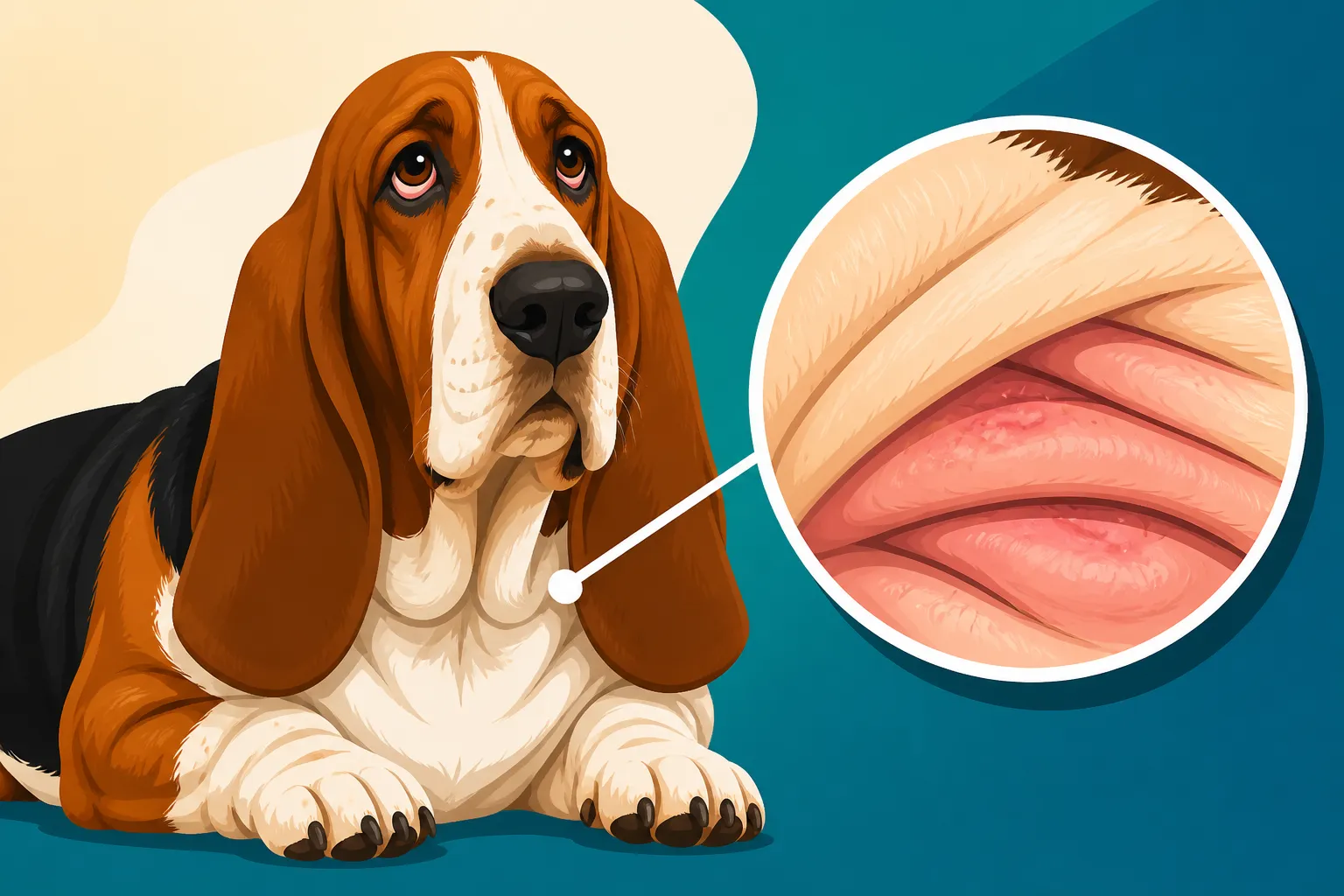
When we talk about a Basset Hound's folds, most people immediately think of their face. And indeed, the facial folds are plentiful and pronounced. You'll find deep wrinkles around their muzzle, beneath their eyes, along their jawline, and cascading down their neck, forming what's often referred to as a "dewlap." These are the areas that tend to collect moisture and debris, making them hotspots for potential issues.
However, a Basset Hound's folds aren't limited to just their face and neck. Depending on the individual dog and their specific conformation, you might find loose skin and folds around their elbows, on their chest, or even in the groin area. While these body folds might not be as immediately obvious or as prone to constant moisture as the facial ones, they can still present their own set of challenges, particularly if your Basset Hound is carrying a little extra weight, which can deepen and exacerbate these areas. It’s important to give a thorough check of these less visible areas during your regular grooming routine.
Why Basset Hounds Have So Many Folds
The abundant loose skin and folds are a hallmark of the Basset Hound breed, developed specifically to enhance their remarkable sense of smell. Picture a Basset Hound tracking a scent trail, nose to the ground. Their long, pendulous ears sweep the ground, effectively stirring up scent particles and channeling them towards their highly sensitive nose. Similarly, the loose skin and dewlap around their face and neck are thought to trap scent, holding it closer to their olfactory receptors, allowing them to process the trail more effectively and persistently.
This exaggerated skin, while functional for their original purpose as scent hounds, wasn't necessarily designed with modern pet ownership in mind. In the wild, animals self-groom and move in ways that might naturally aerate and dry their skin. Our domesticated Basset Hounds, however, rely entirely on us to manage this unique anatomical feature. It's a trade-off: unparalleled scenting ability for a little extra diligence in their daily care routine.
Understanding the Environment Within the Folds
Imagine a warm, humid cave. That's essentially what the inside of a Basset Hound's skin fold can become. These areas are naturally predisposed to accumulating moisture, heat, and microscopic organisms, creating an environment that is far from ideal for healthy skin. Understanding this internal ecosystem is crucial for effective prevention and treatment.
The Perfect Breeding Ground for Trouble
The deep, overlapping skin folds create a unique microclimate. Unlike flat areas of skin that are constantly exposed to air, the skin within these folds gets very little ventilation. This lack of airflow means that any moisture that gets trapped there – whether from drool, water, sweat, or even just humidity – doesn't evaporate easily. Instead, it lingers, making the area consistently damp.
Beyond moisture, these folds are also warmer than the surrounding skin because they're insulated by the overlapping layers. This combination of warmth and moisture is precisely what bacteria and yeast thrive on. Think of it like a mini incubator right on your dog's face or body. It's an environment ripe for opportunistic microorganisms to proliferate, leading to irritation, inflammation, and infection.
Moisture and Heat: The Unseen Enemies
Moisture is arguably the biggest culprit when it comes to skin fold problems. Basset Hounds are known for their droopy jowls and often copious drool, which can easily seep into facial wrinkles. Their long ears also drag through water bowls and sometimes even food, contributing to wetness around their face and neck. Even a humid day or a bit of vigorous exercise can lead to sweat and moisture building up within these hidden pockets.
When this moisture is combined with the natural body heat trapped by the overlapping skin, the conditions become perfect for an overgrowth of bacteria and yeast. This is why you'll often hear discussions about Whether a Basset Hound Gets Yeast Between Its Folds. These organisms are always present on healthy skin, but in a damp, warm, oxygen-deprived environment, their numbers can explode, overwhelming the skin's natural defenses and leading to visible problems. It’s a vicious cycle that requires consistent intervention from us, their caregivers.
Common Skin Issues Lurking Beneath the Folds
With such a specialized skin environment, Basset Hounds are unfortunately prone to several specific dermatological conditions that can cause significant discomfort. Understanding these common issues is vital for recognizing them early and addressing them promptly. It's not just about looking after the surface; it's about diving deep into those charming wrinkles.
Skin Fold Dermatitis (Intertrigo)
Skin fold dermatitis, medically known as intertrigo, is the most prevalent issue affecting the skin under a Basset Hound's folds. It's essentially an inflammatory condition caused by friction, moisture, and poor air circulation within the folds. Imagine chafing, but amplified by constant dampness and the presence of microorganisms. The skin becomes red, irritated, and often painful.
This condition typically starts as mild redness, but if left unaddressed, it can quickly escalate. The constant rubbing of skin against skin, combined with trapped moisture, breaks down the protective barrier of the skin. This makes it easier for bacteria and yeast, which are naturally present, to multiply unchecked. The result is often a strong, unpleasant odor, itchiness, and visible inflammation, leading to a distressed Basset Hound. This is often the precursor to more serious infections and highlights why Skin Fold Infections on a Basset Hound are such a common concern for owners.
Yeast Infections: The Smelly Culprit
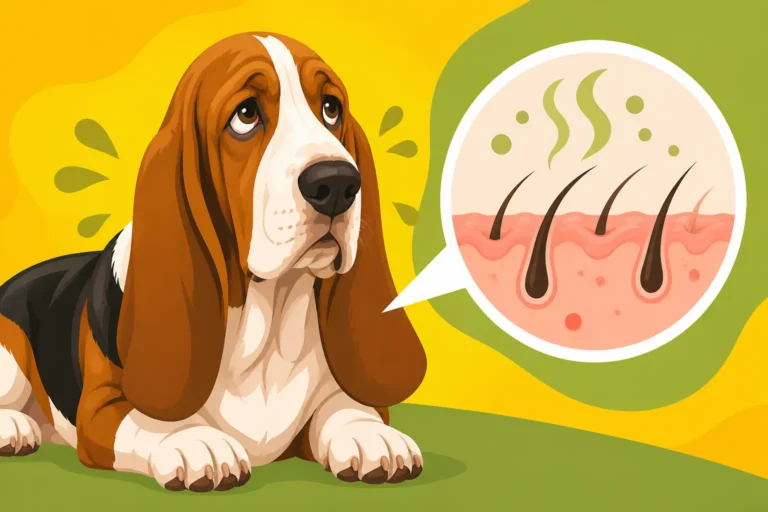
One of the most common opportunistic organisms to take advantage of the warm, moist environment in Basset Hound folds is yeast, specifically Malassezia pachydermatis. This type of yeast naturally lives on dog skin, but when conditions are favorable (like in damp, warm folds), it can rapidly overgrow, leading to a yeast infection. These infections are incredibly common and contribute significantly to the distinctive, often sweet-sour or rancid smell associated with unhealthy skin folds.
A yeast infection will typically manifest as red, greasy, and sometimes thickened skin. The area might appear darkened or hyperpigmented over time, and the smell is usually unmistakable. Your Basset Hound will likely be itchy, rubbing their face on furniture or pawing at the affected areas. While not usually life-threatening, a yeast infection is deeply uncomfortable for your dog and, if chronic, can be indicative of underlying issues like allergies. Whether a Basset Hound Smells Because of Its Skin is a question many owners ponder, and often, yeast is the answer.
Bacterial Infections: When Things Get Serious
Bacterial infections are another frequent and often more serious consequence of neglected skin folds. Once the skin barrier is compromised by irritation or yeast overgrowth, bacteria, particularly Staphylococcus species, can invade the damaged skin. These infections can range from superficial pyoderma (skin infection) to deeper, more painful conditions.
Signs of a bacterial infection might include pustules, crusts, oozing, and more intense redness and swelling than with yeast alone. The smell can become truly foul and pungent. Your Basset Hound might be in considerable pain, exhibiting reluctance to be touched on the affected areas, or showing signs of lethargy. These infections often require veterinary intervention, including antibiotics, to resolve properly. Without proper care, these issues can become chronic, leading to a cycle of discomfort and expensive treatments.
Recognizing the Early Signs of Skin Fold Problems
Catching skin fold issues early is paramount to preventing them from escalating into painful, full-blown infections. As a Basset Hound owner, you need to become intimately familiar with your dog's skin, especially within those hard-to-see folds. Regular checks and attention to subtle changes can make all the difference.
Visual Cues: Redness, Swelling, and Discharge
One of the first things you might notice, especially if you're regularly performing Whether a Basset Hound's Skin Folds Need Cleaning, is a change in the skin's appearance. Gently spread your Basset Hound's folds, particularly those around the muzzle and neck. Look for any areas of redness, inflammation, or increased warmth. Healthy skin should be a uniform, pale pink color without any obvious irritation.
As the condition progresses, you might start to see swelling, which makes the folds appear even deeper and more pronounced. Another tell-tale sign is discharge. This can range from a clear, watery exudate in the early stages to a thick, yellowish, or brownish discharge that indicates a more severe bacterial or yeast infection. Crusting around the edges of the folds, or matted fur in the area, also points to a problem.
Olfactory Warnings: The Distinctive Odors
Your nose is a surprisingly effective diagnostic tool when it comes to Basset Hound skin folds. Healthy skin has a neutral, clean smell. However, when yeast or bacteria begin to proliferate, they produce metabolic byproducts that create very distinct odors. A yeasty infection often has a sweet-sour, musty, or even rancid smell, sometimes compared to stale bread or corn chips.
A bacterial infection, on the other hand, typically produces a more pungent, foul, or even putrid odor. If you notice your Basset Hound's face or body folds emitting any smell that isn't neutral, it's a strong indicator that something is amiss. Don't ignore these olfactory warnings; they're your dog's way of telling you they need attention. If you've been wondering Whether a Basset Hound Smells Because of Its Skin, paying attention to these specific odors can help you pinpoint the problem.
Behavioral Changes: Itching, Rubbing, and Discomfort
Beyond visual and olfactory cues, your Basset Hound might exhibit behavioral changes that signal discomfort. The most common is increased scratching, rubbing, or pawing at their face and neck. They might rub their muzzle along carpets, furniture, or even your leg in an attempt to alleviate the itch. You might also notice them shaking their head more frequently if the irritation extends near their ears.
In more severe cases, your Basset Hound might become withdrawn, lethargic, or even show signs of pain when you try to touch the affected areas. They might resist their regular grooming routine or become unusually grumpy. Any sudden change in their typical demeanor, especially when coupled with other signs, should prompt a closer inspection of their skin folds. They rely on you to recognize these subtle cries for help.
A Proactive Approach to Fold Care: Prevention is Key
When it comes to Basset Hounds and their magnificent folds, prevention truly is worth a pound of cure. Establishing a consistent and diligent care routine can save your dog a lot of discomfort and you a lot of veterinary bills. It’s about creating a habit of mindfulness around their unique anatomy.
The Daily Cleaning Ritual for Basset Hounds
The cornerstone of preventing skin fold issues is regular, thorough cleaning. For most Basset Hounds, especially those with deep facial wrinkles, this should be a daily ritual. Think of it as brushing your teeth – it’s non-negotiable. You'll need soft, lint-free cloths or specialized wipes. Many owners find that Which Wipes Suit a Basset Hound's Face Folds is a crucial question, often opting for veterinary-grade antiseptic wipes containing chlorhexidine or witch hazel.
To clean, gently pull apart each fold and wipe the skin thoroughly but carefully. You want to remove any accumulated moisture, food debris, dirt, or discharge. Pay close attention to the deepest crevices. The goal isn't just to clean the surface, but to get deep into the fold where moisture and pathogens hide. Make sure you use a clean part of the cloth or a new wipe for each major fold to avoid spreading bacteria. Consistency here is far more important than intensity; a gentle daily wipe is better than an aggressive weekly scrub. For detailed steps, consider referring to resources on Cleaning a Basset Hound's Face Wrinkles.
Drying Techniques for Optimal Health
Cleaning is only half the battle; proper drying is equally, if not more, important. Leaving the folds damp after cleaning or after your Basset Hound drinks water completely defeats the purpose of your efforts. After wiping the folds clean, use a separate, dry, soft cloth or even a cotton pad to meticulously dry each fold. Gently blot and dab, rather than rub, to avoid further irritation.
For Basset Hounds with very deep or numerous folds, you might even consider using a low-setting hairdryer (on cool air only!) to ensure the area is thoroughly dry. Hold it a safe distance from their skin and avoid directing the air directly at one spot for too long. Alternatively, a small, absorbent cloth can be left in the folds for a few moments to wick away moisture. Some owners even use a tiny dusting of cornstarch or a vet-approved drying powder, but always consult your vet before introducing powders, as some can cause irritation or trap moisture if not used correctly. Remember, the drier the folds, the less hospitable they are to yeast and bacteria.
The Role of Diet and Supplements
While topical care is critical, internal health also plays a significant role in skin integrity. A high-quality, balanced diet provides the essential nutrients for healthy skin and a robust immune system. Some Basset Hounds may benefit from diets specifically formulated for sensitive skin or those rich in omega-3 fatty acids, which can help reduce inflammation.
Supplements like fish oil (omega-3 fatty acids), probiotics, and certain vitamins can also support skin health from within. Omega-3s, for instance, are known for their anti-inflammatory properties, which can help manage underlying skin sensitivities. Probiotics can support a healthy gut microbiome, which in turn influences overall immune function and skin health. Always discuss any dietary changes or supplements with your veterinarian to ensure they are appropriate for your specific Basset Hound, especially if they are prone to allergies or other health conditions. A proactive approach to nutrition can complement your external care routine beautifully.
When to Seek Veterinary Help for Fold Issues
Despite your best preventative efforts, sometimes skin fold problems can flare up, or you might encounter a situation that home care just can't resolve. Knowing when to escalate your concerns to a veterinarian is crucial for your Basset Hound's comfort and long-term health. Don't hesitate to seek professional advice; early intervention can prevent minor issues from becoming major ones.
Recognizing When Home Care Isn't Enough
You've been diligent with cleaning and drying, but things just aren't improving. This is a clear sign that it's time to call the vet. If you notice the redness worsening, the discharge becoming heavier or discolored, the odor intensifying, or your Basset Hound showing increased pain or itchiness, professional help is warranted. These symptoms suggest that the infection has gone beyond what topical cleaning alone can manage.
Other red flags include open sores, bleeding, or the skin becoming visibly thickened and crusty. If your Basset Hound is lethargic, running a fever, or losing their appetite in conjunction with the skin issues, it indicates a more systemic problem that absolutely requires immediate veterinary attention. Trust your gut; if something feels off, it probably is. Ignoring these signs can lead to deeper infections, prolonged discomfort, and more aggressive and costly treatments down the line.
Diagnostic Tools Your Vet Might Use
When you bring your Basset Hound in for skin fold issues, your veterinarian will likely perform a thorough physical examination, paying close attention to all the affected areas. They will want to know about the history of the problem, your cleaning routine, and any changes you've observed. To accurately diagnose the type of infection, they may utilize several diagnostic tools.
A common first step is cytology, where your vet will take a swab or scrape of the affected skin, stain it, and examine it under a microscope. This allows them to identify whether yeast, bacteria, or both are present, and in what quantities. This information is crucial for selecting the most effective treatment. In some cases, a bacterial culture and sensitivity test might be performed, especially if the initial treatment isn't working. This test identifies the specific type of bacteria and determines which antibiotics will be most effective against it, preventing the overuse of broad-spectrum antibiotics. They might also discuss a possible link to Whether a Basset Hound Gets Allergies if recurring issues are observed.
Treatment Options: From Topical to Systemic
Treatment for skin fold infections can vary depending on the severity and type of organism identified. For mild cases, topical treatments are often sufficient. These can include medicated wipes, shampoos, or creams containing antifungal agents (like miconazole or ketoconazole) and/or antibacterial ingredients (like chlorhexidine). Your vet might prescribe a specific regimen, such as daily cleaning with a medicated wipe followed by a drying agent, or regular medicated baths.
For more severe or widespread infections, systemic medications may be necessary. This could involve oral antibiotics for bacterial infections or oral antifungal medications for yeast overgrowth. In cases of significant inflammation and discomfort, a short course of anti-inflammatory medication might also be prescribed. It’s vital to follow your veterinarian's instructions precisely and complete the entire course of medication, even if your Basset Hound seems to be improving, to prevent recurrence. Veterinary care for chronic issues, including repeat visits and medications, can add up, which is why pet insurance like Healthy Paws can be a real lifeline for Basset Hound owners.
Long-Term Management and Advanced Solutions
Living with a Basset Hound means committing to their unique care needs, and their skin folds are no exception. For some, managing these areas will be a simple routine, but for others, it might involve ongoing vigilance and, in rare cases, more advanced solutions to ensure their comfort and health throughout their The Ten to Twelve Years a Basset Hound Lives.
Managing Chronic or Recurrent Infections
Unfortunately, for some Basset Hounds, skin fold infections can become a chronic or recurrent problem, even with diligent care. This can be incredibly frustrating for owners and uncomfortable for the dog. If your Basset Hound consistently battles these issues, your vet might delve deeper to identify any underlying predisposing factors. This could include allergies (food or environmental), hormonal imbalances (like hypothyroidism), or even obesity, which can deepen folds and exacerbate the problem.
Long-term management often involves a multi-pronged approach. This might mean stricter adherence to daily cleaning, using stronger prescription topical agents, or incorporating specialized diets designed for skin health. Regular veterinary check-ups become even more critical to monitor the condition and adjust the treatment plan as needed. For particularly persistent cases, your vet might recommend specialist veterinary dermatology consultation to explore more advanced diagnostic tests or therapies, helping to break the cycle of infection and discomfort.
Surgical Considerations for Severe Cases
In very severe, chronic, and unresponsive cases of skin fold dermatitis, particularly in certain areas like the facial folds around the muzzle (known as lip fold pyoderma), surgical intervention might be considered. This procedure, called a fold resection or cheiloplasty, involves surgically removing the excess skin folds that are creating the problematic environment. The goal is to eliminate the deep, moist pockets where infections thrive, allowing the skin to remain open to air and dry naturally.
This is not a decision to be taken lightly and is typically reserved for Basset Hounds suffering from intractable, painful infections that significantly impact their quality of life and don't respond to medical management. While it changes their appearance slightly, the relief it can provide from chronic pain, odor, and recurrent infections can be life-changing for the dog. Your veterinarian will thoroughly evaluate if your Basset Hound is a suitable candidate, discussing the risks, benefits, and expected outcomes. The cost of such a procedure can be substantial, making it another instance where a robust pet insurance plan can be invaluable for owners.
Living Comfortably with Folds: A Lifelong Commitment
Ultimately, successfully managing the skin under a Basset Hound's folds comes down to a lifelong commitment. It’s about more than just reacting to problems; it's about embedding preventative care into your daily routine and understanding that your Basset Hound's unique conformation requires ongoing attention. From the moment you welcome a Basset Hound puppy into your home, you're signing up for The Twice Weekly Ear Ritual a Basset Hound Owner Signs Up For and diligent skin fold care.
This means regularly inspecting all their folds, not just the obvious ones. It means being prepared with appropriate cleaning supplies, drying agents, and having a solid relationship with your veterinarian. It's about recognizing that this is an inherent part of their breed and embracing it as another facet of loving your Basset Hound. With consistent care, most Basset Hounds can live comfortable, happy lives free from the constant irritation of skin fold issues, allowing their true charming personality to shine through.
| Skin Fold Issue | Primary Cause | Key Symptoms | Typical Treatment Approaches | Prevention Strategies |
|---|---|---|---|---|
| Skin Fold Dermatitis | Friction, moisture, poor ventilation | Redness, inflammation, chafing, mild odor | Antiseptic wipes, drying powders, anti-inflammatory cream | Daily cleaning, thorough drying, weight management |
| Yeast Infection | Malassezia overgrowth, moisture, heat | Musty/sweet-sour odor, greasy skin, itching, redness, darkening of skin | Topical antifungal wipes/creams, medicated shampoos, oral antifungals | Daily cleaning & drying, regular ear checks (if ears also affected), diet management |
| Bacterial Infection | Bacterial overgrowth (often Staphylococcus), compromised skin barrier | Pungent odor, pustules, crusts, oozing, pain, severe redness, swelling | Topical antibiotics, oral antibiotics, medicated washes | Prompt treatment of dermatitis/yeast, consistent hygiene, vet consultation |
Disclaimer
The information provided in this article is for general informational purposes only and is not intended as a substitute for professional veterinary advice, diagnosis, or treatment. Always seek the advice of your veterinarian or other qualified health provider with any questions you may have regarding a medical condition for your Basset Hound. Never disregard professional veterinary advice or delay in seeking it because of something you have read in this article.