How Often a Basset Hound’s Ears Must Be Cleaned
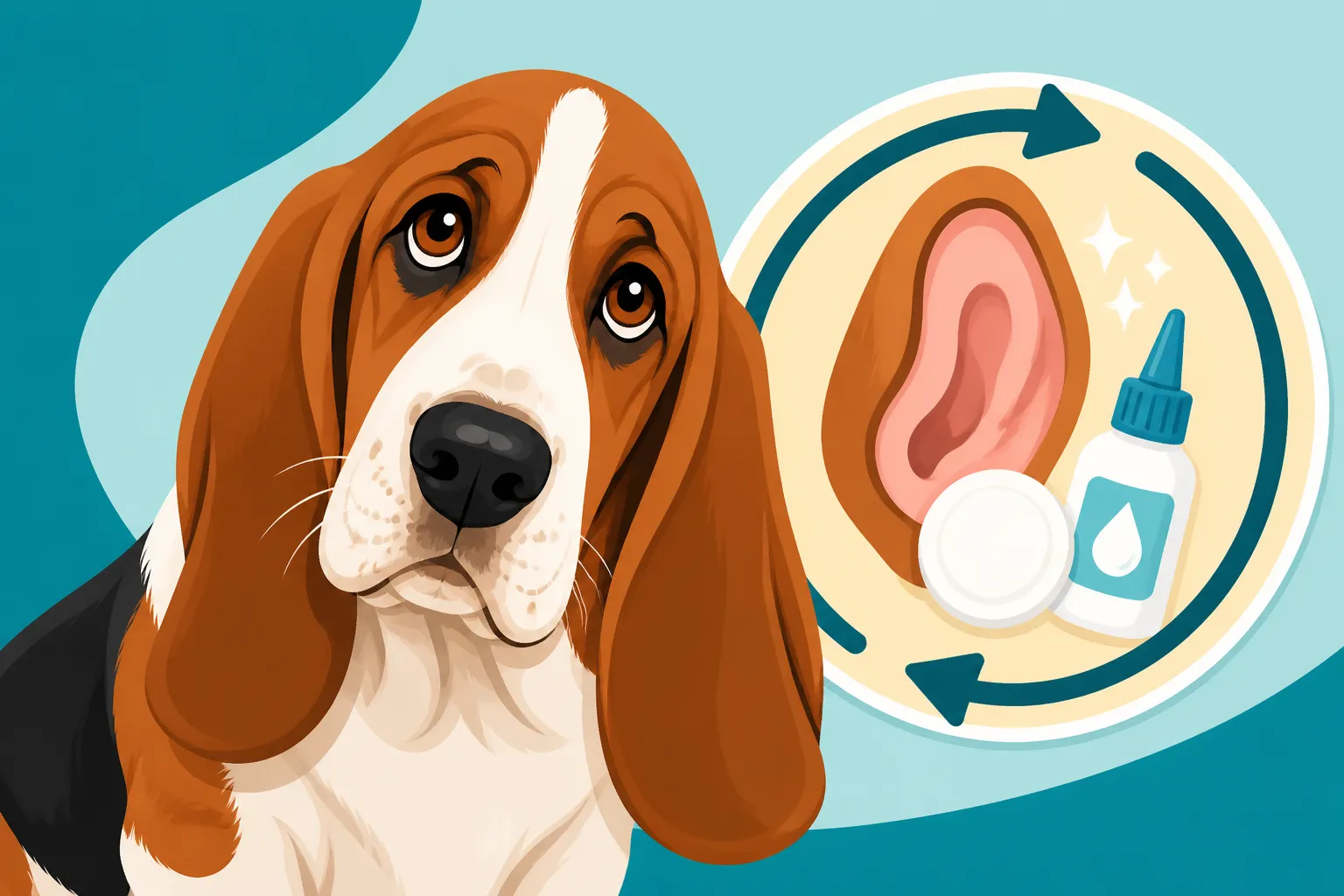
The droopy, soulful ears of a Basset Hound are undeniably charming, but they're also a constant source of frustration and concern for many owners. These magnificent ears, which sweep the ground and hang heavy, create an environment that's a perfect breeding ground for moisture, dirt, and all sorts of unwelcome guests. If you’ve ever wondered how often you truly need to clean your Basset’s ears to keep them healthy and happy, this comprehensive guide is here to unravel the mystery and provide clear, actionable advice.
Why Basset Hounds Have Unique Ear Care Needs
Understanding why your Basset Hound's ears require such dedicated attention is the first step toward effective care. It's not just a superficial trait; their unique ear anatomy plays a huge role in their predisposition to chronic ear issues. Many new Basset owners are caught off guard by the sheer volume of ear care required, often underestimating the commitment until their beloved hound develops its first infection.
The Anatomy of a Basset Hound's Ear
A Basset Hound's ear canal is like a long, winding tunnel, much different from the short, open canals of many other breeds. Instead of a relatively straight path to the eardrum, a Basset's ear canal takes a sharp turn, creating an "L-shape" that makes it incredibly difficult for debris and fluid to escape naturally. This deep, convoluted structure means that any moisture, ear wax, or foreign particles that enter the canal are much more likely to get trapped, leading to a build-up. It's a design that’s perfect for scenting game close to the ground, but less than ideal for self-cleaning.
The ear canal itself is lined with skin and glands that produce cerumen, or ear wax. In a Basset, this environment, coupled with restricted airflow, can lead to an overproduction of wax, creating a rich, humid haven for bacteria and yeast. You might notice your Basset's ears always seem a bit moist or waxy, even after cleaning. This is largely because Why a Basset Hound's Ear Canal Never Dries due to its structure and the constant lack of ventilation. It’s a battle against nature, but one we can certainly win with consistent effort.
The Role of Long Ears and Skin Folds
Beyond the internal structure, the external features of a Basset Hound's ears add another layer of complexity. Those gloriously long, heavy ear flaps, or pinnas, don't just look adorable; they act like curtains, effectively sealing off the ear canal from the outside world. While this might sound protective, it actually traps heat and humidity inside, turning the ear canal into a warm, moist incubator – the perfect environment for opportunistic pathogens to thrive.
Furthermore, Basset Hounds often have abundant skin folds and wrinkles around their face and ears. These folds can also trap moisture, dirt, and even tiny food particles, especially when your Basset dips its head into its food bowl. These external folds can become irritated and harbor bacteria, contributing to a general unhealthy environment around the ear opening that can then migrate into the canal. This combination of internal structure and external covering makes Basset Hounds inherently susceptible to ear problems. Owners often wonder Whether Long Ears Are Why a Basset Hound's Ears Infect, and the answer is a resounding yes, though it’s also the internal anatomy working against them.
Predisposition to Ear Infections
Given these anatomical quirks, it's no surprise that Basset Hounds are highly prone to ear infections. While Whether Every Basset Hound Gets Ear Infections isn't a guaranteed yes, a very significant percentage will experience them at some point in their lives, and for many, these become chronic issues. The warm, dark, humid environment inside the ear canal provides the ideal conditions for bacteria and yeast to multiply unchecked.
Once an infection takes hold, it can be notoriously difficult to clear because the deep, winding canal makes it hard for topical medications to reach the affected areas effectively. Repeated infections can lead to inflammation, thickening of the ear canal lining, and even narrowing of the canal itself, creating a vicious cycle that makes future infections even more likely and harder to treat. This is why preventative, consistent ear cleaning is not just good practice, but an absolute necessity for Basset Hound owners to break this cycle before it even begins.
Factors Influencing Ear Cleaning Frequency
There isn't a one-size-fits-all answer to how often a Basset Hound's ears need cleaning. While a general guideline exists, the truth is that each dog is an individual, and several factors will influence the optimal frequency for your particular hound. Paying close attention to these elements will help you tailor an effective ear care regimen.
Individual Basset Hound Predisposition
Just like people, every Basset Hound is a bit different. Some hounds, despite their breed's predisposition, seem to have relatively healthy ears and only need minimal intervention. Others, however, are ear infection magnets. This individual predisposition can be linked to genetics, the exact conformation of their ear canals (some might be even narrower or twistier), or their immune system's overall robustness. If your Basset has a history of The Ear Infections That Never Really Leave a Basset Hound, you know firsthand that their ears will demand more frequent and diligent attention.
For a Basset like my neighbor's old boy, Barnaby, who seems to get an ear infection just by looking at water, weekly cleaning is barely enough to keep things at bay. On the other hand, my own Basset, Daisy, who has surprisingly dry ears for her breed, can often go two weeks between cleanings without issue, provided there are no other contributing factors. It really is about getting to know your dog and what their unique ears need. If you've just adopted a Basset Hound, especially an adult, inquire about their ear health history. This vital information can guide your initial approach.
Environmental Factors and Lifestyle
Your Basset Hound's daily life and environment play a significant role in how frequently their ears need cleaning. Activities that introduce more moisture or debris into the ears naturally increase the need for cleaning.
- Swimming and Water Exposure: Basset Hounds generally aren't known for their swimming prowess due to their dense bone structure, but some do love a dip! Any time your Basset's ears get wet, whether from swimming, a bath, or even playing in sprinklers, that moisture gets trapped. This immediately creates a prime environment for bacterial or yeast growth. If your Basset enjoys water activities, you'll need to clean and thoroughly dry their ears immediately afterward. This often means daily cleaning on days they've been wet, even if their usual schedule is less frequent.
- Outdoor Activities: Dogs that spend a lot of time outside, especially in dusty, muddy, or grassy areas, will accumulate more dirt, pollen, and even tiny plant awns in their ears. A Basset's long ears dragging on the ground as they follow a scent trail mean they're constantly sweeping up environmental debris. A Basset who loves to roll in the dirt or explore tall grass will need more frequent checks and cleanings than one who primarily enjoys indoor cuddles and short, paved walks. Consider the amount of time they spend using their nose to track, as this brings their ears into direct contact with all sorts of things.
- Climate: Living in a humid climate naturally increases the moisture content in the air, which can exacerbate the already damp environment inside a Basset's ear canal. Regions with high humidity might require more frequent cleaning schedules than drier climates. Similarly, seasonal allergies, which are often worse at certain times of the year, can also trigger ear inflammation and itchiness, making regular cleaning even more crucial during those periods.
Diet and Allergy Considerations
It might seem unrelated, but what your Basset Hound eats and whether they suffer from allergies can profoundly impact their ear health and, consequently, the frequency of cleaning. Ear infections, particularly recurrent ones, are often a symptom of an underlying allergy.
- Food Allergies: Many Bassets develop sensitivities or full-blown allergies to certain ingredients in their food, most commonly proteins like chicken, beef, or dairy, but also grains like corn or wheat. When a Basset Hound has a food allergy, it can manifest as itchy skin, gastrointestinal upset, and chronic ear infections. The inflammation triggered by the allergic reaction creates a more hospitable environment for yeast and bacteria to flourish. If your Basset is battling persistent ear issues despite regular cleaning, discussing a dietary change or an elimination diet with your vet is a critical step. A change to a novel protein or hydrolyzed protein diet can sometimes dramatically reduce ear problems.
- Environmental Allergies (Atopy): Just like humans, Bassets can be allergic to environmental factors like pollen, dust mites, or mold. These allergies can cause generalized itchiness, including intense itching in the ears. The scratching and head shaking that results can irritate the ear canal, leading to inflammation and making it easier for infections to take hold. If your Basset suffers from seasonal allergies, their ears may require more frequent cleaning during peak allergy seasons to remove allergens and soothe irritation. In such cases, your vet might recommend specific medications or supplements alongside regular cleaning. Sometimes, a vet-prescribed ear wash containing anti-inflammatory ingredients can be beneficial during flare-ups.
Establishing a Regular Ear Cleaning Routine
The key to preventing ear problems in Basset Hounds is consistency. Establishing a regular routine and sticking to it, even when their ears look perfectly fine, is a proactive approach that saves a lot of heartache (and vet bills!) down the line.
Baseline Recommendations for Healthy Ears
For the average Basset Hound with no current ear issues and a moderate lifestyle, a good baseline for ear cleaning is once a week. This frequency helps remove accumulating wax, dirt, and moisture before they have a chance to cause trouble. Think of it as preventative maintenance, much like changing the oil in your car before it seizes up. This weekly check-and-clean routine can make a world of difference in catching problems early or preventing them entirely.
However, remember this is a starting point. As we discussed, if your Basset has a history of recurrent infections, spends a lot of time swimming, or suffers from allergies, you might need to increase this frequency to twice a week, or even daily during active allergy seasons or after water exposure. Conversely, if your Basset is older, less active, and has consistently dry, clean ears, you might be able to stretch it to every 10-14 days, but always proceed with caution and close monitoring.
A helpful analogy is thinking about brushing your own teeth. You do it every day, even if your teeth feel fine, to prevent cavities and gum disease. Ear cleaning for a Basset is a similar preventative measure. It's much easier to clean a healthy ear than to treat an infected one. Knowing How to Clean a Basset Hound's Ears Properly will ensure your efforts are effective.
Creating a Consistent Schedule
To ensure you stick to your Basset's ear cleaning regimen, integrate it into your weekly schedule. Pick a specific day or two each week – maybe Sunday evenings when you're settling in for the week, or Wednesday and Saturday if you're aiming for twice weekly. Make it a routine, a non-negotiable part of your pet care.
Here are some tips for building consistency:
- Set Reminders: Use your phone, a calendar, or even a sticky note on the fridge to remind you of cleaning days.
- Combine with Other Grooming: Pair ear cleaning with another regular grooming task, like nail trims or a quick brush. This helps establish a 'grooming session' mentality for your dog.
- Choose a Calm Time: Select a time when both you and your Basset are relaxed. Trying to clean ears when your dog is overly excited or you're rushed will make it a stressful experience for everyone.
- Keep Supplies Handy: Have your chosen ear cleaner, cotton balls, and treats readily available. A designated "ear care station" can be helpful.
Consistency isn't just about sticking to the schedule; it's also about using the same approach each time to minimize stress for your Basset. Your patience and calm demeanor during this process will help Teaching a Basset Hound to Have Its Ears Handled become a positive experience.
The Importance of Proactive Care
Waiting until you see The Signs a Basset Hound's Ear Has Gone Bad to start cleaning is like waiting for your car to break down before you ever check the oil – it's going to be a much bigger, more expensive problem to fix. Proactive ear care is paramount for Basset Hounds. Regular cleaning helps to:
- Remove Excess Wax and Debris: Prevents build-up that can clog the ear canal and trap moisture.
- Maintain a Healthy pH Balance: Many ear cleaners are formulated to help acidify the ear canal, creating an environment less hospitable to yeast and bacteria.
- Reduce Moisture: Dries out the ear canal, especially crucial after bathing or humidity.
- Allow for Early Detection: Regular handling means you're more likely to notice subtle changes like redness, slight odor, or increased wax production before a full-blown infection takes hold. Early intervention is always easier and less costly.
Being proactive can save you significant time, stress, and money. Consider the potential What Chronic Ear Treatment Costs a Basset Hound Owner – it's far greater than the cost of regular ear cleaner and a few minutes each week. Pet insurance providers like Healthy Paws often cover ear infection treatments, but preventative care can help reduce the frequency of claims and the general discomfort for your beloved hound.
Signs Your Basset Hound's Ears Need Extra Attention
Even with a regular cleaning schedule, it's crucial to remain vigilant for signs that your Basset Hound's ears might need immediate extra attention, or even a trip to the vet. These subtle (and sometimes not-so-subtle) cues are your hound's way of telling you something is amiss.
Visual Cues and Odor Changes
Your nose and eyes are your best tools for detecting early ear problems. Don't be afraid to take a good look and sniff your Basset's ears regularly.
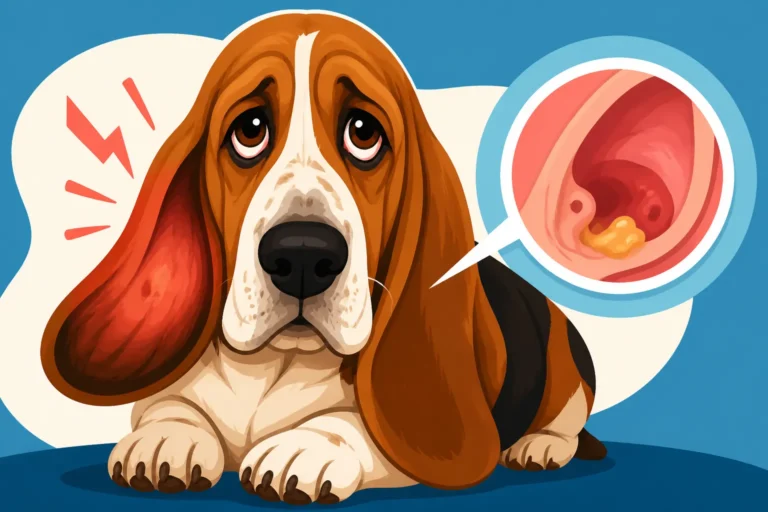
- Redness or Swelling: Gently lift your Basset's ear flap and inspect the opening of the ear canal and the inside of the flap. Healthy ear skin should be a pale pink, much like the skin on their belly. If you see any redness, inflammation, or swelling, it's a clear indicator of irritation or infection. The redness might extend from the ear canal opening onto the folds of the outer ear.
- Discharge: Healthy ears might have a small amount of light brown earwax. However, if you notice an increase in wax production, or if the discharge changes in color or consistency, it's a red flag.
- Dark brown, thick, waxy discharge: Often indicates a yeast infection. It can look like coffee grounds.
- Yellow, green, or pus-like discharge: A strong sign of a bacterial infection.
- Bloody discharge: Could indicate a scratch, a ruptured eardrum, or polyps. This is an emergency.
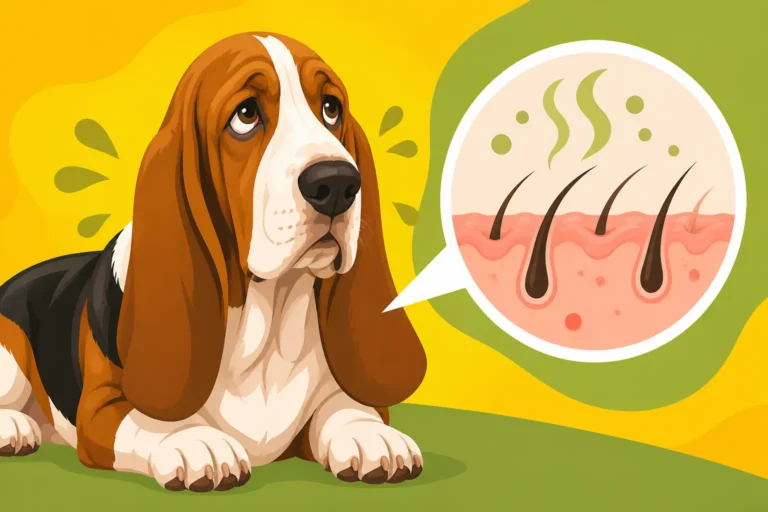
- Unpleasant Odor: This is often one of the first and most obvious signs. Healthy ears should have a very faint, neutral smell, or perhaps a slightly earthy, musky scent typical of a dog. If you detect any strong, foul, sweet, or cheesy odor emanating from the ear, it's almost certainly a sign of infection. Yeast infections often have a distinctive sweet or sour smell, while bacterial infections can smell truly putrid. Pay close attention to Whether a Basset Hound's Ear Smells Sweet or Sour as it can give clues to the type of infection brewing.
Behavioral Indicators of Discomfort
Basset Hounds are generally stoic, but certain behaviors will betray their discomfort when their ears are bothering them. These behaviors can range from subtle to quite dramatic.
- Frequent Head Shaking: This is perhaps the most common sign. If your Basset is shaking its head more than usual, especially vigorously, it's trying to dislodge something from its ear or alleviate an itch. A casual shake here and there is normal, but persistent, repetitive shaking is a concern. Whether a Basset Hound Shakes Its Head Constantly is a clear indicator that something is wrong and needs investigating.
- Ear Pawing or Scratching: Your Basset might repeatedly scratch at its ears with its hind paws or rub its ears along furniture or the carpet. This intense itching is a strong sign of irritation or infection within the ear canal. Watch for redness or hair loss around the ear caused by excessive scratching.
- Pain or Sensitivity: If your Basset pulls away, whines, or shows aggression when you try to touch their ears, it indicates pain. They might also hold their head tilted to one side, favoring the painful ear, or seem generally lethargic and not themselves. A dog that usually loves ear rubs but suddenly recoils needs immediate attention.
- Changes in Demeanor: An ear infection can be incredibly uncomfortable, leading to changes in your Basset's overall mood. They might seem grumpier, less playful, or more withdrawn due to the persistent discomfort. A loss of appetite can also be a sign of significant pain.
Recognizing the Start of an Infection
Catching an ear infection in its earliest stages is paramount for effective treatment and preventing it from becoming chronic. The moment you notice any of the visual, olfactory, or behavioral cues mentioned above, it's time to take action.
Early signs often start subtly: a slightly stronger "doggy" smell from the ear, a bit more earwax than usual, or perhaps a few more head shakes throughout the day. Don't dismiss these as normal Basset quirks. A quick inspection with good lighting can confirm your suspicions. If you see slight redness and increased, dark discharge, or detect an unusual smell, it's time to contact your veterinarian.
It's tempting to try over-the-counter remedies at this point, but without a proper diagnosis, you could be treating the wrong issue or delaying appropriate care. For example, a bacterial infection requires specific antibiotics, while a yeast infection needs antifungals. Whether Yeast or Bacteria Is in a Basset Hound's Ear can only be determined by a vet through an ear swab and microscopic examination. Using the wrong treatment can make the problem worse or lead to resistant infections. Your vet can accurately diagnose the problem and prescribe the most effective medication.
Tools and Techniques for Effective Ear Cleaning
Cleaning a Basset Hound's ears might seem daunting at first, but with the right tools and techniques, it becomes a manageable, even routine, part of their care. Patience and positive reinforcement are your best friends here!
Choosing the Right Ear Cleaner and Supplies
Having the correct supplies on hand makes the process smoother and more effective. Don't skimp on quality, especially when it comes to the ear cleaner itself.
- Veterinary-Recommended Ear Cleaner: This is non-negotiable. Do not use alcohol, hydrogen peroxide, or harsh astringents, as these can irritate the delicate ear canal lining and cause more harm than good. A good quality ear cleaner, like those recommended by your vet, will be formulated specifically for dogs. These cleaners are typically pH-balanced, non-irritating, and designed to gently break down wax and debris while also drying the ear canal. Some contain antimicrobials or anti-inflammatory agents. Ask your vet Which Ear Cleaner Suits a Basset Hound best, especially if your dog has sensitive skin or a history of specific types of infections. Brands like Epi-Otic, TrizUltra + Keto, or even simple saline solutions are often recommended.
- Cotton Balls or Cotton Rounds: These are ideal for wiping away discharge and cleaning the visible parts of the ear. Avoid cotton swabs (Q-tips) for inside the ear canal, as they can push debris deeper and potentially damage the eardrum.
- Soft Towel: To clean up any excess solution, drool, or head shakes.
- Treats!: Essential for positive reinforcement. Make ear cleaning a rewarding experience.
- Gloves (Optional): If you prefer to keep your hands clean from ear gunk.
Step-by-Step Guide to Cleaning
Once you have your supplies and your Basset is in a relaxed mood, you're ready to begin.
- Gather Your Supplies: Lay everything out within easy reach. This prevents you from fumbling or having to get up mid-clean, which can make your Basset anxious.
- Position Your Basset: Have your Basset sit or lie down comfortably. Some owners find it helpful to have their Basset on a raised surface, like a sturdy table, while others prefer to work on the floor. Crucially, have someone gently hold them if they are squirmy, or use a leash for control.
- Lift the Ear Flap: Gently lift one of your Basset's long ear flaps to expose the opening of the ear canal. Look for any obvious dirt, discharge, or redness.
- Administer Cleaner: Hold the ear cleaner bottle near the ear canal opening. Gently insert the tip just inside the ear canal, but never force it in. Squeeze a generous amount of the cleaning solution into the ear canal until it's full. You want to hear a squishing sound.
- Massage the Base of the Ear: This is a crucial step! With the cleaner in the ear, gently but firmly massage the base of your Basset's ear for about 30 seconds. You should hear that satisfying "squishy" sound as the solution works its way deep into the L-shaped canal, breaking up wax and debris.
- Allow Your Basset to Shake: After massaging, stand back and allow your Basset to shake its head. This is instinctual and helps bring loosened debris and excess cleaner to the surface. Be prepared – this can get messy, which is why a towel nearby is a good idea!
- Wipe the Visible Areas: Take a clean cotton ball or round and gently wipe away all visible discharge, wax, and cleaner from the inner ear flap and the opening of the ear canal. Do not insert the cotton ball deeply into the canal. Use fresh cotton balls until no more debris comes out.
- Repeat for the Other Ear: Follow the same steps for the second ear.
- Reward! Lavishly praise your Basset and give them a high-value treat immediately after you're done. This positive association is key.
Remember to be gentle but firm. Many Bassets are sensitive about their ears, but with patience, most will learn to tolerate, if not enjoy, the routine. Whether a Basset Hound's Ears Should Be Dried After Swimming is a critical consideration, and the answer is always yes, with a soft towel or a low-setting hairdryer.
Making Ear Cleaning a Positive Experience
No one wants a struggling, unhappy Basset Hound during ear cleaning. Turning it into a positive, low-stress event takes time and patience, but it's well worth the effort.
- Start Early (Puppies): If you have a Basset puppy, start handling their ears gently from day one. Make it a game: touch their ears, give a treat, repeat. This desensitization is invaluable.
- Positive Reinforcement: This cannot be stressed enough. Treats, praise, and gentle petting should be abundant. Every time you touch an ear, they get a reward. This helps them associate ear handling with good things.
- Short, Frequent Sessions: Don't try to do a full deep clean on day one if your Basset is resistant. Start with just lifting the ear flap and a treat. Build up gradually: touch, then a quick wipe, then a tiny bit of cleaner, always with rewards.
- Calm Demeanor: Your Basset will pick up on your stress. Stay calm, speak in a soothing voice, and avoid showing frustration.
- Distraction: For some Bassets, a lick mat smeared with peanut butter or a Kong filled with a favorite treat can provide a wonderful distraction during the cleaning process, keeping them occupied and happy.
- Consistency: As mentioned, routine helps. When they know what to expect, they are less likely to resist.
By making ear cleaning a positive ritual, you're not just maintaining their health; you're strengthening your bond and making life easier for both of you. And should your Basset ever need more intensive ear care at the vet, their tolerance for handling will make a huge difference.
When to Seek Professional Veterinary Help
While regular at-home cleaning is your first line of defense, there will be times when professional veterinary intervention is absolutely necessary. Knowing when to call the vet can prevent minor issues from escalating into serious, chronic problems.
Recognizing When It's More Than Just Dirt
Sometimes, what starts as a simple accumulation of wax or a bit of moisture can quickly turn into a full-blown infection that you cannot resolve on your own. There are clear indicators that your Basset's ear issue has crossed the threshold from routine maintenance to a medical problem requiring a vet visit:
- Persistent Symptoms: If you've been cleaning regularly and still notice redness, a foul odor, excessive discharge, or your Basset continues to shake their head or scratch, it's time for professional help. These symptoms suggest an active infection that needs targeted treatment beyond what an ear cleaner can provide.
- Signs of Pain: Any indication of pain – whining when you touch the ear, pulling away sharply, holding the head tilted, or general lethargy – should prompt a vet visit. Pain is a clear signal that the issue is significant and causing your Basset distress.
- Sudden Onset or Worsening: A sudden change in ear health, especially if symptoms rapidly worsen, is concerning. For example, if the ear suddenly becomes very swollen or hot to the touch, or if discharge rapidly increases.
- Failure to Respond to Cleaning: If you've diligently cleaned for a few days but see no improvement, or if the situation seems to get worse, your Basset needs a vet. This could indicate a resistant infection, a foreign body, or an underlying issue like allergies.
Ignoring these signs can lead to deeper, more painful infections, potential hearing loss, or even damage to the ear canal and eardrum. It also increases What Ear Treatment Costs a Basset Hound Owner Yearly as chronic issues are always more expensive to manage. Don't try to self-diagnose or rely on old medications.
Diagnosing and Treating Ear Infections
When you bring your Basset to the vet for an ear issue, they will perform a thorough examination and may conduct several diagnostic tests to pinpoint the problem.
- Physical Examination: The vet will visually inspect the outer ear and use an otoscope to look deep into the ear canal and at the eardrum. This helps them identify redness, swelling, discharge, foreign bodies (like grass awns), or eardrum damage.
- Ear Swab and Cytology: This is a crucial step. The vet will take a sample of the ear discharge with a cotton swab and examine it under a microscope. This cytology helps determine Whether Yeast or Bacteria Is in a Basset Hound's Ear, and sometimes even identifies specific types of bacteria or inflammatory cells. This allows for targeted treatment.
- Ear Culture and Sensitivity: If the infection is severe, chronic, or hasn't responded to initial treatments, the vet might send a swab to a lab for a culture. This test identifies the exact species of bacteria or yeast present and determines which antibiotics or antifungals will be most effective against them.
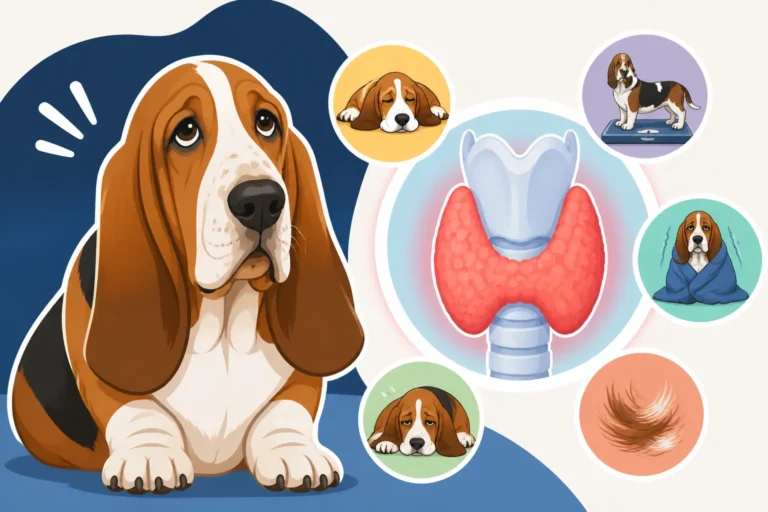
- Other Tests: In cases of chronic, recurring infections, the vet might suggest further diagnostics to rule out underlying causes like allergies (food trials, allergy testing) or hypothyroidism.
Treatment for ear infections typically involves:
- Thorough Veterinary Cleaning: Often, the vet will perform a much deeper, more thorough cleaning of the ear canal than is possible at home, sometimes using specialized tools or sedation if the ear is very painful or packed with debris.
- Medicated Ear Drops or Ointments: Based on the diagnosis, the vet will prescribe specific ear drops containing antibiotics, antifungals, anti-inflammatories, or a combination of these. It's vital to follow the dosage and duration instructions exactly.
- Oral Medications: For severe infections, pain, or widespread inflammation, oral antibiotics, antifungals, or anti-inflammatory drugs might also be prescribed.
- Addressing Underlying Causes: If allergies are suspected, the vet will work with you to identify and manage them, which is key to preventing recurrence.
It's important to complete the entire course of medication, even if your Basset's ears seem to improve quickly. Stopping early can lead to a relapse and resistant infections.
Managing Chronic Ear Conditions
For many Basset Hounds, ear infections are not a one-off event but a persistent battle. Managing chronic ear conditions requires a multi-faceted approach and a strong partnership with your veterinarian. If your Basset struggles with recurring ear issues, particularly if they are severe or painful, it might be time to discuss Whether a Basset Hound Needs Ear Surgery.
- Long-Term Maintenance: Even after an infection clears, Bassets with chronic issues often require ongoing preventative care. This might include more frequent at-home cleanings (two to three times a week) using a maintenance ear cleaner, or even using a prescribed medicated ear rinse once a week to keep yeast and bacteria at bay.
- Allergy Management: Addressing underlying allergies is often the most critical step in controlling chronic ear infections. This can involve strict hypoallergenic diets (like those from Royal Canin or Purina Pro Plan Veterinary Diets), allergy shots (immunotherapy), or medications to control environmental allergy symptoms. Consistent allergy management can significantly reduce ear flare-ups. Pet insurance plans like Healthy Paws can be incredibly beneficial for covering ongoing allergy treatments and recurring ear issues.
- Specialist Referrals: In very severe or complex cases, your vet might refer you to a veterinary dermatologist. These specialists have advanced training and tools to diagnose and manage chronic ear and skin conditions. They can perform advanced diagnostics and explore treatment options not available to general practitioners.
- Surgical Options: For Bassets with end-stage ear disease, where the ear canal is permanently damaged, narrowed, or calcified due to years of chronic infection, surgery might be the only option for pain relief and quality of life. A Total Ear Canal Ablation (TECA) removes the entire ear canal, eliminating the source of infection. While it results in hearing loss in the affected ear, it can dramatically improve a dog's comfort and eliminate chronic pain.
| Factor | Recommended Cleaning Frequency (Approximate) | Notes |
|---|---|---|
| Healthy, Dry Ears | Once a week | Baseline for most Basset Hounds with no known issues. |
| Water Exposure (Swimming/Bath) | Immediately after, then daily for 1-2 days | Essential to dry ears and prevent moisture trapping. |
| Allergies (Seasonal/Food) | Twice a week, or more during flare-ups | Helps remove allergens, reduce inflammation, and prevent secondary infections. Often needs vet-prescribed cleaner. |
| Active Infection (Mild) | Daily (as directed by vet) | Follow vet's instructions for medicated drops; cleaning might precede drops. |
| Chronic Issues/Predisposition | Twice a week (or more) | Consistent, proactive care is vital to manage and prevent recurrence. Specialist consultation often advised. |
| Excessive Wax Production | Twice a week | Helps prevent impaction and creates a less hospitable environment for pathogens. |
Navigating chronic ear problems with a Basset Hound is a journey that requires commitment. But with diligent care, veterinary partnership, and a lot of love, you can significantly improve your Basset's comfort and quality of life.
Disclaimer
This guide is for informational purposes only and is not a substitute for professional veterinary advice. Always consult with a qualified veterinarian for any health concerns or before making any decisions about your Basset Hound's medical care.