Whether a Basset Hound Howls When Left
There’s a sound that many Basset Hound owners come to know intimately, a deep, resonant, and often mournful vocalization that can carry far: the howl. If you've ever left your beloved Basset alone, only to return to a chorus of neighborly complaints or to video evidence of your hound serenading the empty house, you know the frustration is real. This guide will delve into the distinct reasons why Basset Hounds howl when left by themselves and offer practical strategies to help you and your furry friend find a quieter equilibrium.
The Basset Hound's Voice: A Deep-Rooted Trait
Understanding why Basset Hounds are so vocal when left alone often means taking a trip back in time to their origins. These aren't just any dogs; they are hounds, purpose-bred for centuries to use their voices. It's not always an act of defiance or naughtiness; sometimes, it's simply a Basset being a Basset.
Why Basset Hounds Bay and Howl by Nature
Basset Hounds belong to a long line of scent hounds, specifically bred in France to hunt small game like rabbits and hare. Their unique vocalizations were an integral part of this job. Imagine a pack of Bassets, noses to the ground, trailing a scent through dense undergrowth. The hunters, often on foot, needed to know where their dogs were and what they were doing, even if they couldn't see them. This is where the bay comes in. It's a loud, drawn-out cry that tells the hunter, "I'm on a scent!" or "I've found something!" This instinct to vocalize and communicate through sound is deeply ingrained in their DNA.
Even in a cozy living room, far from the fields of France, this genetic predisposition remains. They might not be tracking a rabbit, but their innate desire to communicate, to express themselves, often manifests in these distinctive sounds. It's part of The Bay a Basset Hound Uses and the Neighbors Hear, and it’s a characteristic that makes them unique, even if it can be a little much for the neighbors. It's not simply a bark; it's a call that echoes through their ancestry, an audible link to their working past.
Differentiating Between a Bay, a Howl, and a Bark
While often grouped under the general term "vocalization," Basset Hounds actually employ a range of sounds, each with its own characteristics and typical meaning. Understanding these nuances can give you a better insight into what your dog is trying to tell you.
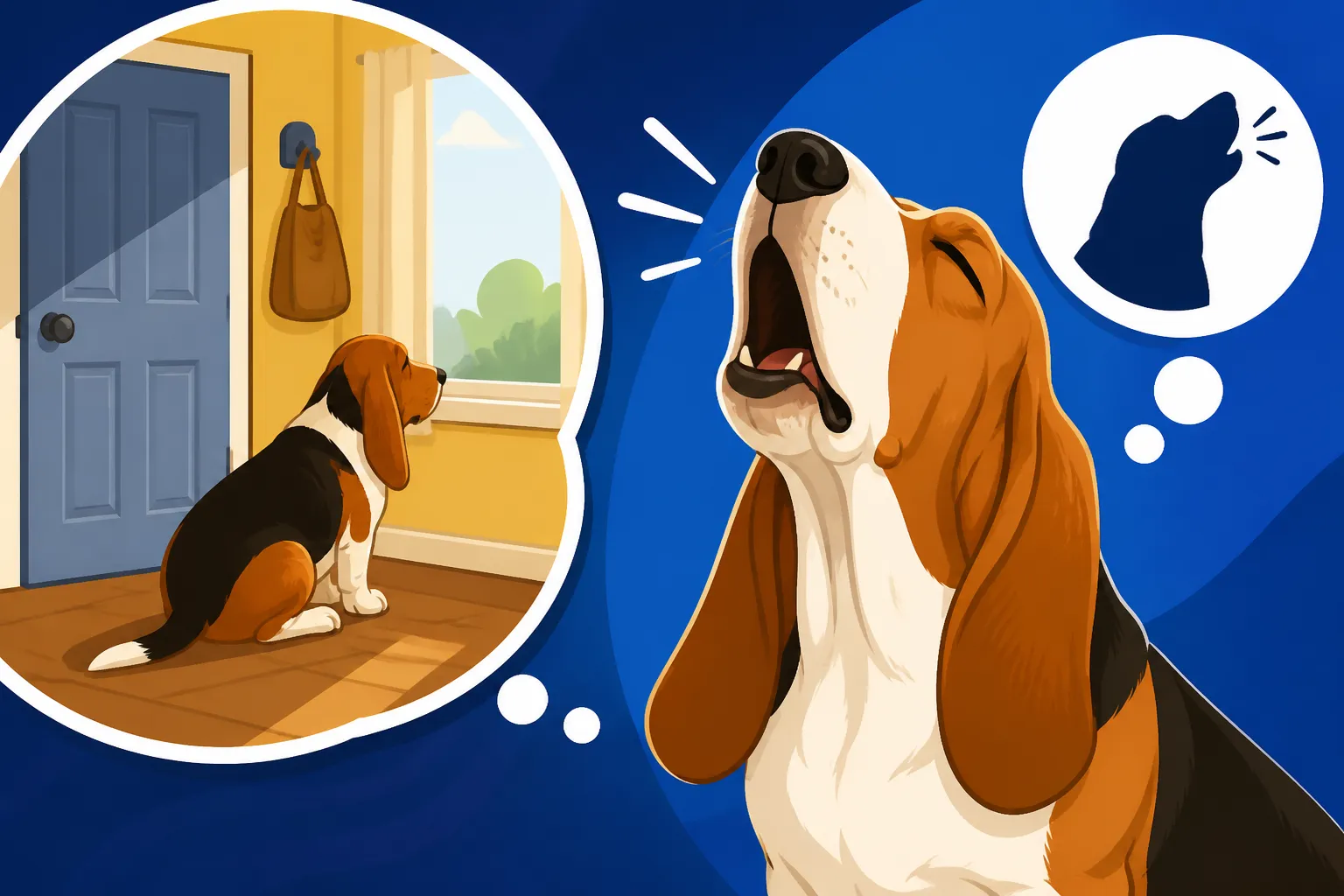
The bay is arguably their signature sound. It's a deep, melodious, and prolonged cry, often with a mournful quality, that can rise and fall in pitch. It’s what you hear when they’ve picked up an interesting scent in the yard, or when they are feeling particularly expressive about something outside. It's designed to carry over distances. A Basset might bay when feeling lonely, as if sending out a signal for companionship.
A howl is similar to a bay but often has a more sustained, upward-inflected note, sometimes sounding like a siren. It can be triggered by external sounds like ambulances, other dogs howling, or even certain musical notes. This is often an innate response, a communal call that Bassets, like wolves, might use to connect with their pack. When left alone, a Basset might howl as a form of protest, expressing their desire for your return, or simply in response to the quiet of an empty house.
A bark, by contrast, is usually sharper, more abrupt, and repetitive. Bassets tend to bark more in specific situations, such as when someone comes to the door, or if they are trying to get immediate attention for something they want, like a treat or a toy. While they certainly bark, it’s typically less common as a continuous "left alone" noise compared to their impressive bay or howl. Each sound serves a purpose, whether it's an alert, a protest, or a deeply ingrained communication pattern.
Understanding the Triggers for Lonesome Howling
When your Basset Hound howls when left alone, it's rarely because they're being "bad." Instead, it's a symptom of an underlying emotional state or a reaction to their environment. Pinpointing the cause is the first step toward finding a solution.
Separation Anxiety Versus Boredom Howling
It's crucial to distinguish between a Basset Hound howling out of genuine separation anxiety and one simply howling out of boredom. While both involve vocalization when alone, the underlying motivations and the full spectrum of behaviors are quite different.
Separation anxiety is a legitimate panic disorder, not just a little sadness. A Basset suffering from separation anxiety isn't being stubborn; they are genuinely distressed and feel unsafe when left alone. Their howling will often be relentless and accompanied by other tell-tale signs. You might see destructive chewing focused on escape routes (door frames, windowsills), frantic pacing, inappropriate urination or defecation even if they are reliably house-trained, excessive drooling, or attempts to escape their confinement. This isn't just noise; it's a full-blown panic attack for your dog, who truly believes you are never coming back. If your Basset displays these kinds of severe, escalating behaviors, it strongly indicates separation anxiety. You can learn more about Whether a Basset Hound Gets Separation Anxiety.
Boredom howling, on the other hand, is usually less frantic. A bored Basset might howl intermittently, sometimes pausing to look around or chew on something. They might not show the same level of destructive behavior or house-soiling. Their howling is more often an attempt to entertain themselves, to call out for attention, or simply to express their under-stimulated state. They might be saying, "I'm bored, where's the fun?" rather than, "I'm terrified and alone!" While still disruptive, it stems from a lack of mental or physical engagement rather than deep-seated panic.
Environmental Factors That Prompt Noise
Sometimes, your Basset's vocalizations aren't about you leaving at all, but about what happens after you're gone. Basset Hounds have incredibly keen senses – their nose is legendary, but their hearing is also excellent. This makes them highly attuned to their environment.
External stimuli can be huge triggers. Imagine your Basset is peacefully napping, and then a delivery truck rumbles by, or a neighbor's dog starts barking. A Basset's natural instinct to respond to sounds, especially those that might signify another animal or something "out of place" in their territory, can kick in. Sirens from emergency vehicles are a classic trigger for many Basset Hounds, often prompting them to join in with a mournful, echoing howl. They might perceive these sounds as calls from a distant pack member and instinctively respond.
Being left in a home that has thin walls or is located on a busy street can exacerbate these issues. Every passing car, every person walking by, every distant dog bark becomes a potential prompt for your Basset to announce their presence or respond to the perceived stimulus. This isn't necessarily separation anxiety; it's more of an alarm or a communication response to their surroundings. Providing a more secluded, quieter space for them, or masking these external sounds, can often make a significant difference.
Strategies for Preventing and Managing Howling When Alone
Addressing your Basset Hound’s howling when left alone requires a multi-pronged approach, focusing on comfort, engagement, and gradual training. It's about setting them up for success and teaching them that being alone isn't scary or boring.
Creating a Calming and Secure Environment
A major step in reducing anxiety-induced howling is to ensure your Basset feels safe and comfortable in your absence. Think of their resting spot as their den, a sanctuary where they can relax. Crate training, when introduced positively, can be incredibly effective. A crate should never be used for punishment; instead, it's a cozy, secure space where your Basset can feel protected. Drape a blanket over it to create a den-like atmosphere, and always ensure they have comfortable bedding inside.
To combat environmental triggers, consider using white noise machines, a fan, or leaving a radio or TV playing softly. These ambient sounds can mask external noises like sirens, barking dogs, or traffic, which often prompt Whether a Basset Hound Is Loud. Some Bassets respond well to classical music or specially designed calming pet music. Additionally, certain products like pheromone diffusers or calming supplements might offer a subtle layer of support for anxious dogs. These are not magic bullets, but they can contribute to a generally more relaxed atmosphere, making it easier for your Basset to settle when you're gone.
Enrichment and Exercise Before You Leave
A tired Basset is often a quiet Basset, but it's not just about physical exhaustion; mental stimulation is equally vital. Before you head out, dedicate time to giving your Basset a good workout and engaging their magnificent nose. A brisk walk, allowing plenty of time for sniffing and exploring the neighborhood's "scent-mail," is far more beneficial than just a quick potty break. Giving a Basset Hound's Nose Something to Do tires them out mentally in a way that running alone often can't.
Once they've had their physical and mental stimulation, provide them with long-lasting chew toys or food-dispensing puzzles to keep them occupied while you're away. Durable puzzle toys, like those you can find on Amazon, that require them to work for their treats can keep their minds busy for a good chunk of time. Stuffing a Kong with peanut butter or wet food and freezing it can provide a sustained distraction. The goal is to make their alone time a positive, engaging experience rather than a void of boredom. This pre-departure routine can significantly reduce the likelihood of them howling out of sheer under-stimulation.
Gradual Desensitization and Counter-Conditioning
For Bassets who howl due to separation anxiety or even just strong attachment, gradual desensitization and counter-conditioning are key. This is about teaching them that your departure is not something to fear and can even lead to good things. Start by practicing very short departures. Leave for literally 30 seconds, return calmly, and reward quiet behavior. Slowly, incrementally increase the time you are gone – a minute, then five, then ten, and so on. Never rush this process, and only increase the duration if your Basset remains calm.
Pair your departures with a positive association. This could be a special, high-value treat or a favorite puzzle toy that they only get when you leave. This helps them associate your departure with something good, rather than anxiety. It’s also crucial to avoid making a big fuss when you leave or return. Overly emotional goodbyes and enthusiastic welcomes can inadvertently reinforce the idea that your departure is a big, stressful event. Instead, aim for calm and understated transitions. Resources like online training programs, such as those offered by BAXTER & Bella, can provide structured guidance and support for this type of behavioral modification, offering step-by-step instructions to help you and your Basset navigate alone time. The goal is for them to understand that you always come back, and that alone time can be a peaceful experience.
When Professional Help is Needed
While many howling issues can be managed with consistent training and environmental adjustments, some Basset Hounds experience more severe challenges that warrant professional intervention. Knowing when to seek expert help is crucial for their well-being and your peace of mind.
Recognizing Severe Separation Anxiety
It's important to reiterate that severe separation anxiety is a significant welfare concern for your Basset Hound. If your dog exhibits a combination of the following symptoms consistently when left alone, it's a strong indicator that you're dealing with more than just boredom:
- Persistent and frantic howling/bellowing/barking: The vocalizations are often non-stop and distressed, not just intermittent.
- Destructive behavior focused on exits: Chewing through door frames, digging at carpets near doors, or breaking out of crates, often resulting in self-injury.
- Inappropriate elimination: Urinating or defecating indoors, even if fully house-trained, which is not a result of not being let out or medical issues.
- Pacing and restlessness: Constant movement, unable to settle, often accompanied by panting.
- Excessive drooling or salivation: A sign of extreme stress and panic.
- Attempts to prevent your departure: Blocking the door, clinging to you, or frantic behavior as you prepare to leave.
These behaviors indicate genuine panic. Your Basset isn't "acting out"; they are in distress. Trying to punish these behaviors will only increase their anxiety and erode your bond. This level of distress requires a different approach than simple training.
Consulting a Veterinarian or Certified Behaviorist
When you suspect severe separation anxiety or if your efforts to manage howling haven't yielded results, the next step should always be to consult professionals. Your primary care veterinarian is an excellent starting point. They can conduct a thorough physical examination to rule out any underlying medical conditions that might be contributing to your Basset's distress or vocalization. For example, pain, hearing loss in older dogs, or cognitive dysfunction (especially if your Basset is older and struggling with things like The Old Basset Hound That Cannot Get Off the Floor) could manifest as increased vocalization or anxiety.
If medical issues are ruled out, your vet can then refer you to a certified professional dog trainer or a veterinary behaviorist. A veterinary behaviorist is a veterinarian who has specialized in animal behavior and can diagnose and treat complex behavioral disorders. They can create a tailored behavior modification plan, which for severe separation anxiety, often includes pharmaceutical interventions in conjunction with training. Medications can help reduce the acute anxiety, allowing the dog to be more receptive to the behavior modification techniques. A professional trainer, especially one certified in separation anxiety, can also provide invaluable hands-on guidance and support, helping you implement the desensitization protocols effectively and safely.
Living with a Vocal Basset Hound
Even with the best training and management, Basset Hounds are inherently vocal creatures. While you can certainly reduce excessive howling, it's important to develop realistic expectations and proactive strategies for living with a dog whose voice is part of their charm.
Managing Neighborly Relations
One of the most challenging aspects of living with a vocal Basset Hound, especially one who howls when left alone, can be navigating relationships with neighbors. Noise complaints are stressful for everyone involved. The best approach is often proactive communication. If you know your Basset is prone to howling, speak to your neighbors before they come to you with a complaint. Explain that you are aware of the issue and are actively working on it. This transparency can go a long way in fostering understanding and patience.
Consider what you can do to mitigate the sound. If you live in an apartment or a home with shared walls, strategically placing heavy curtains, bookshelves filled with books, or even acoustic panels on shared walls can help absorb some sound. Ensure windows are closed when you leave. While these aren't full soundproofing solutions, every little bit helps. Offering a sincere apology and sharing your plan of action demonstrates your commitment to being a responsible pet owner, making them more likely to tolerate the occasional noise as you work through the training. This is especially important if your Whether a Basset Hound Suits Shared Walls.
The Importance of Consistency and Patience
Modifying a Basset Hound’s vocal behavior, particularly if it stems from deep-seated instincts or anxiety, is not a quick fix. It demands immense consistency, endless patience, and a deep understanding of your dog's unique temperament. There will be good days and bad days, breakthroughs and setbacks. Getting frustrated or angry with your Basset will only make things worse, as they thrive on positive reinforcement and calm, clear guidance.
Remember that Basset Hounds, while incredibly sweet and loving, can also be quite independent and, yes, wonderfully stubborn. Their intelligence often expresses itself in figuring out how to get what they want, rather than always being eager to please in traditional training contexts. This is why understanding What Actually Motivates a Basset Hound is so important. Celebrate small victories, like a few minutes of quiet, and don't get discouraged by regressions. Stay consistent with your routines, your departures, your enrichment activities, and your training protocols. Over time, with dedication, you can significantly reduce unwanted howling. Sometimes, you'll also learn to appreciate the unique "voice" of your Basset, accepting that a certain level of baying or howling is simply part of their wonderfully expressive nature. It's a journey, not a sprint, and your patience is the most powerful tool you have.
Disclaimer
This article is for general informational purposes only and does not constitute professional advice. Laws, prices and regulations vary by location and change over time. Consult a qualified professional for guidance on your specific situation.