Whether a Basset Hound Bays Indoors
The distinct, soulful bay of a Basset Hound is one of its most iconic characteristics, a sound that can conjure images of rolling hills and ancient hunting grounds. But when you bring one of these wonderful dogs into your home, a very real question quickly arises: does that magnificent, far-reaching voice extend to your living room? Many prospective owners, or those already living with a Basset, worry about noise complaints, sleepless nights, or simply maintaining a peaceful indoor environment. This guide will delve deep into the reality of Basset Hound baying indoors, helping you understand why they do it, what triggers it, and most importantly, how to manage it effectively within your own four walls.
The Basset Hound's Voice: A Deep Dive into the Bay
Let's be honest, the Basset Hound's voice isn't just a casual "woof." It's a profound, resonant, almost operatic declaration that carries far and wide. It's truly a marvel of nature, designed for a specific, ancestral purpose. Understanding this fundamental aspect of the breed is the first step in appreciating, and managing, their vocal tendencies indoors.
Understanding the Ancestral Purpose of the Bay
The Basset Hound, like its larger cousin the Bloodhound, was bred for scent trailing. These dogs were developed to hunt small game, particularly rabbits and hares, by following a scent trail with their incredible noses. The bay, that deep, drawn-out vocalization, wasn't just for fun. It served as a critical communication tool. Imagine a pack of Bassets, noses to the ground, working through dense underbrush. Their human hunters, often on foot, needed to know where the dogs were, if they were on a fresh trail, and if they were closing in on their quarry. The bay allowed the hunters to follow the progress of the hunt, even when the dogs were out of sight. It was a beacon, a signal that said, "I'm on it! Follow me!"
This deep-seated instinct means that the bay isn't just a random noise; it's an intrinsic part of a Basset Hound's genetic makeup and their communication style. It's how they express excitement, confirm a find, or signal their location. When you hear that bay indoors, it's often your Basset attempting to communicate something important, even if that "something" is just an intriguing smell wafting in from the neighbor's BBQ. It's a far cry from a frivolous bark, which is often more territorial or alarm-based.
The Distinct Sound of a Basset Hound's Bay vs. Bark
Many people confuse a bark with a bay, but for a Basset Hound, they are distinctly different vocalizations, serving different purposes and sounding quite unique. A bark is generally sharp, staccato, and repetitive, often used for alarm, territorial defense, or seeking immediate attention. Think of a quick "Woof! Woof! Woof!" when the mail carrier arrives or a squirrel scampers past the window. This is the common bark, and while Bassets can and do bark, it's not their signature sound.
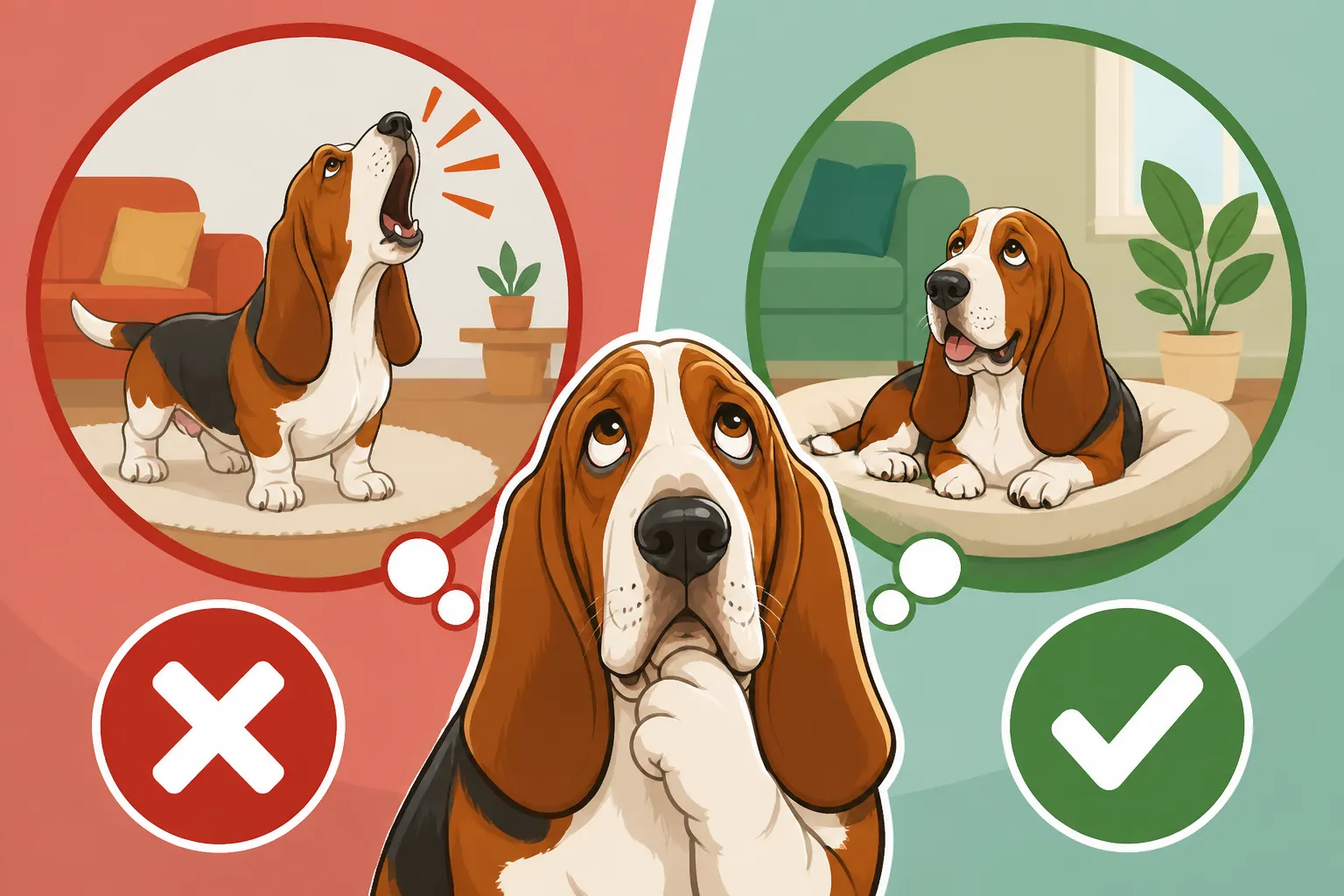
The bay, on the other hand, is a much more drawn-out, melodious, and often mournful sound. It starts low, swells in volume and pitch, and then tapers off, sometimes lasting several seconds. It's a deep, resonant "A-WOOOOH!" or "ARROOOOOO!" that truly vibrates through the air. You might hear it once or twice in succession, or it might be a sustained, almost operatic performance. What a Basset Hound's Bay Sounds Like is a sound that, once heard, is unmistakable. This bay is usually triggered by strong scents, the presence of other hounds, or a feeling of being alone or distressed. It's not typically a sound of aggression, but rather one of announcement or emotional expression. Recognizing this difference is key to understanding what your Basset is trying to tell you.
Common Triggers for Indoor Baying
So, yes, Basset Hounds do bay indoors. It's not just an outdoor phenomenon. But what specifically sets them off when they're comfortably curled up on your sofa? The triggers are often rooted in their strong instincts and sometimes, simply their endearing personalities.
Responding to Outdoor Scents and Sounds
This is arguably the most frequent cause of indoor baying. A Basset Hound's nose is legendary, second only to the Bloodhound in its ability to detect and follow scents. The Nose That Puts a Basset Hound Second to a Bloodhound is an amazing sensory organ, and it works just as effectively indoors as it does out. Even with windows and doors closed, an intriguing scent can waft in on a breeze – a rabbit that ran through the yard hours ago, a neighbor walking their dog, or even a distant cooking smell. Your Basset's highly developed olfactory system picks up these subtle cues, and their instinct tells them, "Trail! Alert!" The bay then becomes their way of announcing this discovery, even if it's just to the dust bunnies under the couch.
Similarly, specific outdoor sounds can trigger the bay. Sirens, distant dog barks, children playing, or even the rumble of a delivery truck might prompt a Basset to join the chorus or announce its awareness. While you might dismiss it as background noise, your Basset processes these sounds with a keen ear, often leading to a vocal response. They're not being "bad"; they're simply being Bassets, acting on millennia of breeding that tells them to communicate about what they've detected. This is why you might suddenly hear a full-throated bay from a seemingly asleep Basset – they just caught a whiff of something you couldn't even dream of smelling.
Attention-Seeking and Boredom Baying
Beyond instinctual responses, Basset Hounds are also intelligent and social creatures. They learn quickly what gets a reaction from their humans. If a bay consistently earns them attention – even negative attention like a frustrated "Quiet!" – they will use it to get what they want. This often manifests as an attention-seeking bay when they feel ignored, want to play, or are simply craving a cuddle. They've figured out that that particular sound is much more effective than a gentle nudge or a soft whine. It's a big, loud, hard-to-ignore plea for interaction.
Boredom is another major culprit. A Basset Hound might seem lazy, often preferring a nap to a marathon run, but their minds are active, and their noses crave stimulation. If they're not getting enough mental exercise, through scent games, training, or interactive toys, they can become restless. This pent-up energy, combined with an under-stimulated brain, can lead to boredom-induced baying. It’s their way of saying, "I'm bored! Entertain me! Or at least acknowledge my existence!" This is especially common in homes where the Basset doesn't have enough to do during the day, or if their daily routine lacks variety. A truly bored Basset is an inventive Basset, and sometimes that invention is a sustained bay to break the monotony.
Separation Anxiety and Distress Bays
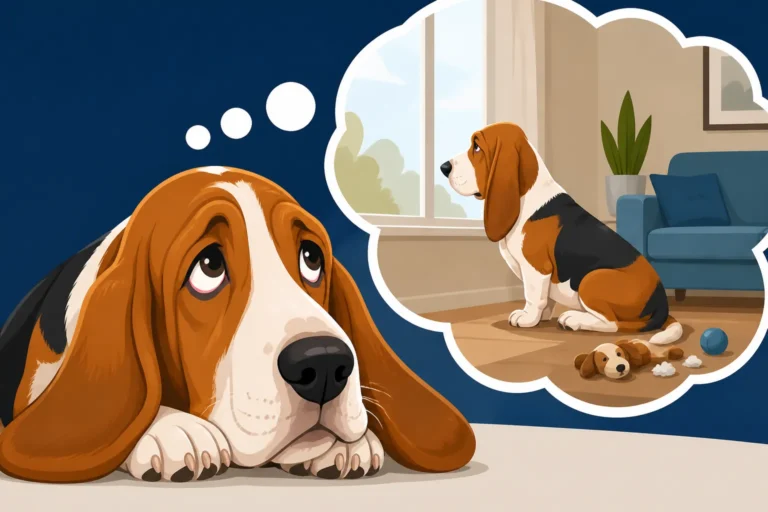
This is a more serious, and often heartbreaking, reason for indoor baying. Basset Hounds are companionable dogs who thrive on being part of the family. While some can handle being left alone for reasonable periods, others develop separation anxiety, especially if they weren't properly acclimated to solitude as puppies, or if there's been a change in their routine. When a Basset feels genuinely distressed or abandoned, their bay becomes a cry for help. Whether a Basset Hound Howls When Left is a common concern for owners. This isn't just a casual announcement; it's a frantic, often continuous vocalization fueled by panic and fear.
A distress bay sounds different from an attention-seeking bay. It's usually more intense, prolonged, and can be accompanied by other behaviors like pacing, destructive chewing (especially around exits), house soiling, or excessive drooling. This type of baying isn't about being "naughty" or "stubborn"; it's a manifestation of real emotional pain. If you suspect separation anxiety, it's crucial to address it comprehensively, as it won't resolve on its own with simple corrections. Ignoring it can actually make the anxiety worse, leading to a Basset who bays even more frantically when left alone.
Strategies for Managing Indoor Baying
The good news is that while you can't completely eliminate a Basset Hound's natural tendency to bay – nor would you want to, it's part of their charm! – you can absolutely manage and reduce excessive indoor baying. It requires consistency, understanding, and a willingness to meet your Basset's needs.
Environmental Management and Scent Work Diversion
One of the simplest ways to reduce baying triggered by outdoor stimuli is to manage the environment. If your Basset barks at everything passing by the window, consider using frosted film, privacy screens, or simply closing curtains during peak activity times. For sound-sensitive Bassets, background noise like a radio or white noise machine can help mask external sounds. Think of it as creating a calming "bubble" for your hound.
Crucially, you need to provide appropriate outlets for their incredible noses. A bored nose is a baying nose. Engaging your Basset in regular scent work can dramatically reduce boredom-related baying. This doesn't have to be complicated! Start with simple "find it" games where you hide treats around the house, letting their nose do the work. Snuffle mats, puzzle feeders available on sites like Amazon, or even scattering their kibble in the yard can provide immense mental stimulation. Giving a Basset Hound's Nose Something to Do is essential for their overall well-being and a powerful tool against unwanted vocalization. These activities engage their primary sense in a constructive way, making them less likely to use their voice out of frustration or boredom.
Training for a "Quiet" Command
Teaching a "quiet" command is invaluable for a vocal breed like the Basset Hound. This isn't about punishing them for baying, but about teaching them an alternative, acceptable behavior. Start by purposely triggering a bay (e.g., knocking on the door or ringing the doorbell). As soon as they start to bay, hold a high-value treat to their nose. The moment they quiet down to sniff the treat (even for a second), praise them softly and give them the treat. Repeat this many, many times.
The key is to reward the absence of baying immediately following the trigger. Once they understand that silence (or a quick cessation of baying) earns them a reward, you can add your verbal cue: "Quiet." Say "Quiet" as they are quieting down, then reward. Gradually, you can increase the duration of silence required before the reward. Consistency is paramount. Everyone in the household needs to use the same command and reward system. For more in-depth guidance on positive reinforcement training, resources like BAXTER & Bella offer online courses and support that can be incredibly helpful for teaching specific cues like "quiet." Remember, a Basset Hound often responds best to food motivation, so don't be shy with those tasty treats! Whether a Basset Hound Works for Food Only isn't entirely true, but it's certainly a strong motivator.
Addressing Underlying Issues Like Separation Anxiety
If the baying stems from separation anxiety, a multi-faceted approach is needed, often involving professional help. The goal is to gradually desensitize your Basset to your absence and change their emotional response to being alone. This can involve:
- Short, frequent departures: Start with leaving for only a few seconds, then returning. Gradually increase the time you're away, always coming back before your Basset gets anxious or starts baying.
- Neutral departures/arrivals: Make your leaving and returning a non-event. No big goodbyes or excited hellos.
- Enrichment during absence: Provide engaging toys, puzzle feeders, or a long-lasting chew just before you leave. This helps associate your departure with something positive.
- Crate training (if appropriate): For some Bassets, a comfortable, secure crate can provide a den-like sense of security. Never use the crate as punishment.
- Veterinary consultation: In more severe cases, your vet might suggest medication to help manage anxiety while you work on behavior modification.
This process takes time and patience, but it's crucial for your Basset's well-being. A dog suffering from separation anxiety is not simply being disobedient; they are genuinely distressed. For guidance on creating a robust training plan, including dealing with separation anxiety, platforms like BAXTER & Bella can offer structured courses and virtual coaching to help you navigate these challenges. They often have specific modules dedicated to common behavioral issues, providing expert advice right to your home.
Living with the Bay: Acceptance and Realistic Expectations
Ultimately, owning a Basset Hound means living with a certain amount of vocalization. It's part of their charm, their history, and who they are. While you can manage excessive baying, completely silencing a Basset Hound is unrealistic and, arguably, unfair to the breed. The goal is to find a harmonious balance.
Choosing a Basset Hound for Your Lifestyle
Before bringing a Basset Hound into your life, it's vital to have realistic expectations about their vocal nature. If you live in an apartment with thin walls or have neighbors who are sensitive to noise, a Basset's bay could potentially lead to Whether a Basset Hound Gets Its Owner a Noise Complaint. This isn't to say Bassets can't thrive in apartments – many do – but it means you'll need to be extra diligent with training, enrichment, and managing their vocal tendencies from day one.
Consider your own tolerance for noise. Are you someone who needs absolute silence, or can you appreciate a dog's expressive nature? The Household a Basset Hound Actually Fits often has patient, understanding owners who are prepared for their unique traits. If constant vocalization would genuinely bother you, it might be worth exploring other breeds. However, for those who love their deep, soulful personalities, the bay is simply part of the package. It's important to remember that they are hounds, and hounds are meant to use their voice.
The Role of Enrichment in a Basset Hound's Life
Enrichment is not just about preventing boredom; it's about providing a high quality of life for your Basset Hound. A well-exercised (mentally and physically), stimulated Basset is a happier, quieter Basset. Their exercise needs might not be for running marathons, but they do need regular, moderate walks to explore scents and stretch their short legs. A daily sniffari, where they are allowed to follow their nose at their own pace, is far more enriching than a brisk walk around the block.
Beyond physical exercise, mental enrichment is paramount. This includes the scent work mentioned earlier, but also puzzle toys (like those found on Amazon that dispense treats as your dog manipulates them), training sessions that engage their minds, and even just interactive play with you. Chew toys, especially durable ones, can also keep them happily occupied. Think about how you can integrate short bursts of mental activity throughout their day, especially when you can't be actively engaging with them. A Basset with a job for their nose and brain is less likely to feel the need to broadcast their thoughts through baying. Whether a Basset Hound Destroys Anything When Bored often correlates with a lack of appropriate outlets for their energy and curiosity. Investing time in enrichment can make a world of difference to their behavior, including reducing indoor baying.
Navigating Specific Baying Scenarios and Solutions
It's helpful to categorize common indoor baying scenarios to apply the right solution.
Baying at the Doorbell or Knock
This is a classic "alert" bay. Your Basset hears someone at the door, and their instinct is to announce it loudly.
- Solution: Combine environmental management with training. Block sightlines to the door if possible. Practice the "quiet" command (as described above) repeatedly. Reward calm behavior when the doorbell rings, even if it's just a momentary pause in baying. You can also teach them to go to a designated "place" or mat when the doorbell rings, rewarding them heavily for staying there calmly.
Baying When Left Alone
This often points to separation-related distress or simply a desire for company.
- Solution: Review the strategies for addressing separation anxiety. Ensure they have engaging, safe toys (like a KONG filled with frozen peanut butter or a long-lasting chew from Amazon) to occupy them. Make sure they're well-exercised and have had a potty break before you leave. Gradual desensitization is key. Whether a Basset Hound Can Be Left Alone depends heavily on individual temperament and proper training.
Baying for Attention
Your Basset has learned that making a big noise gets your focus.
- Solution: Ignore the baying completely. This is tough, but essential. Wait for even a momentary pause, then immediately reward them with calm praise or a treat. If you can't ignore it (e.g., it's too disruptive), try a "turn your back" technique. The moment they bay, turn away from them, breaking eye contact. Turn back when they are quiet. This teaches them that baying makes you disappear (attention-wise), while quiet makes you available. Be consistent!
Baying at Outdoor Scents/Sounds
This is a tough one because their noses are so powerful.
- Solution: Environmental management (closing windows, background noise) helps. But more importantly, channel that amazing nose! Daily scent games and walks where they can sniff to their heart's content will tire out their nose and brain, making them less likely to react to every subtle scent indoors. Consider using a "Sniffspot" or local scent classes if available to give them a dedicated outlet for their natural drives.
| Baying Scenario | Common Cause | Primary Solutions | Secondary Solutions |
|---|---|---|---|
| Doorbell/Knock | Alert, territorial | "Quiet" command, desensitization | Block visual access, "go to place" training |
| Left Alone | Separation anxiety, boredom, loneliness | Gradual desensitization, enrichment toys | Professional help (vet, behaviorist), crate training |
| Attention-Seeking | Learned behavior, desire for interaction | Ignore baying, reward quiet | "Turn your back" technique, redirect to appropriate play |
| Outdoor Scents/Sounds | Strong hunting instinct | Environmental masking, extensive scent work | Longer, sniff-filled walks, mental enrichment |
| General Excitement | High arousal, lack of impulse control | Calm training, controlled greetings | Teach "settle" command, structured play sessions |
Ultimately, owning a Basset Hound is an incredibly rewarding experience, but it comes with the understanding that their voice is an integral part of their identity. By being patient, consistent with training, and providing ample mental and physical stimulation, you can absolutely enjoy a peaceful home with your beloved, sometimes baying, Basset.
Disclaimer
This article is for general informational purposes only and does not constitute professional advice. Laws, prices and regulations vary by location and change over time. Consult a qualified professional for guidance on your specific situation.