The Old Basset Hound That Cannot Get Off the Floor
It's heartbreaking to watch your beloved Basset Hound, once so full of joyful waddles and enthusiastic sniffs, begin to struggle with the simplest tasks, like just getting up from a comfortable nap on the floor. This guide is here to walk you through the common reasons why older Basset Hounds face such mobility challenges and, more importantly, what practical, empathetic steps you can take to make their golden years as comfortable and dignified as possible.
Understanding Why Your Old Basset Hound Struggles to Rise
As Basset Hounds age, their bodies naturally undergo changes that can make movement more difficult. It’s not just about them being "lazy" – it’s a genuine physical struggle that often stems from a combination of factors affecting their joints, muscles, and nervous system. Recognizing these underlying causes is the first step toward providing them with the best support.
The Inevitable March of Arthritis and Joint Pain
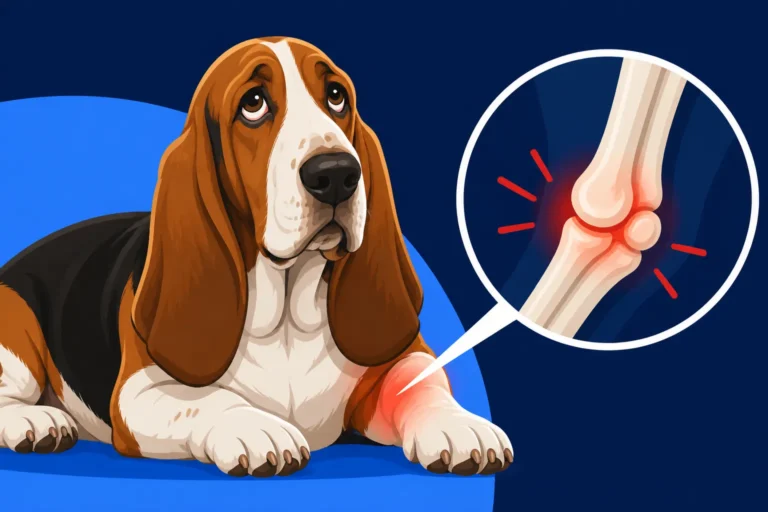
Arthritis, or osteoarthritis, is by far one of the most common culprits behind an old Basset Hound's reluctance to get up. Think about it: those wonderfully heavy bones and unique, low-slung structure, while iconic, put a significant amount of stress on their joints over a lifetime. Cartilage, the protective cushion between bones, slowly wears down, leading to bone-on-bone friction, inflammation, and chronic pain. This pain isn't just a dull ache; it can be sharp and debilitating, especially after periods of rest.
When your Basset Hound lies down, their joints cool and stiffen. The act of pushing up, extending those often-bowed front legs, and coordinating their hindquarters requires a significant effort that can become excruciating. It’s a common experience for owners to see their Basset try several times, maybe even whine softly, before finally managing to hoist themselves up, or worse, giving up entirely. This isn't a sign of naughtiness; it's a clear signal of discomfort and pain in their hips, knees, elbows, and even their spine.
Dealing with Arthritis in a Basset Hound at Seven or older can feel overwhelming, but there are many strategies we'll explore. It's crucial to consult with your veterinarian as soon as you notice signs of joint stiffness or pain, as early intervention can significantly improve their quality of life. This includes a thorough examination to pinpoint the affected joints and rule out other conditions.
Muscle Weakness and Loss of Condition
Beyond the joints themselves, the muscles supporting those joints also weaken with age, a condition known as sarcopenia. Over time, an old Basset Hound might simply lose the muscle mass and strength needed to perform the complex movements involved in standing up. Imagine trying to push yourself off the floor when your leg muscles feel weak and unresponsive – it’s incredibly frustrating.
This muscle loss isn't just about strength; it affects balance and coordination too. A Basset Hound with diminished muscle tone might feel wobbly or unstable, making them hesitant to attempt standing for fear of falling. This can create a vicious cycle: pain leads to less movement, which leads to muscle atrophy, which then exacerbates the difficulty in moving, increasing pain and further reducing activity.
Maintaining a healthy weight and encouraging gentle, consistent exercise throughout their life can help mitigate severe muscle loss. However, even with the best care, some muscle degeneration is a natural part of aging. If you notice your Basset struggling to maintain balance or seeming weaker in their hindquarters, it's a good idea to discuss this with your vet. They might suggest specific exercises or dietary adjustments to help preserve muscle mass for as long as possible.
Neurological Issues and Back Pain
The Basset Hound’s distinctive long back, while part of their charm, also makes them prone to certain spinal conditions, especially as they age. One of the most common and serious is Intervertebral Disc Disease (IVDD), which involves the discs between the vertebrae either bulging or rupturing. This can put pressure on the spinal cord, leading to pain, weakness, nerve damage, and in severe cases, paralysis. If your Basset Hound is suddenly unable to get up, or shows signs of extreme pain when moving their back, it could be an emergency.
Even without full-blown IVDD, general The Back Trouble a Basset Hound Is Built Into can manifest as chronic discomfort, making any movement that twists or strains the spine painful. This includes the effort of rising from a lying position. Sometimes, it’s not just the discs but also conditions like spondylosis, where bone spurs form along the spine, further reducing flexibility and causing stiffness and pain.
Other neurological conditions, though less common, can also contribute to mobility issues. These might include degenerative myelopathy, a progressive disease of the spinal cord, or nerve compression. Symptoms can range from subtle changes in gait and coordination to complete inability to move their hind legs. A thorough veterinary examination, potentially including X-rays or an MRI, is essential to diagnose these complex issues and formulate a targeted treatment plan. Early diagnosis can sometimes slow progression or manage symptoms more effectively.
Recognizing the Subtle Signs of Mobility Decline
Often, the first signs that an old Basset Hound is struggling aren't as dramatic as simply being unable to get off the floor. They are subtle shifts in their behavior and routine that, when noticed early, can prompt interventions that significantly improve their comfort and mobility. As their guardians, being observant is one of the most powerful tools we have.
Changes in Movement and Reluctance to Play
You might start to notice that your Basset Hound, once eager for a stroll, is now a bit slower to greet you at the door, or perhaps they hesitate before jumping onto the sofa (or trying to). They might walk with a stiffer gait, particularly in the morning or after a long nap. Their joyful, bouncy run might transform into a more deliberate, shuffling walk. What used to be a quick dash across the yard now takes longer, or they might prefer to stay closer to you rather than explore.
A key indicator is a reluctance to engage in activities they once loved. If your Basset used to love chasing a ball or playing tug-of-war but now watches from the sidelines, or quickly gives up, it's not necessarily boredom. It's more likely that the physical exertion causes discomfort or pain. They might struggle to navigate stairs, showing hesitation or even falling, or they might avoid certain areas of the house altogether if it means encountering obstacles. Observing The Signs a Basset Hound Is Getting Old often means paying attention to these small, cumulative changes in their daily habits and movement patterns.
Even small adjustments in their posture, like standing with their back slightly hunched, or shifting their weight to one side, can be a sign they're trying to relieve pressure on a painful joint. These subtle cues are easy to miss in the hustle and bustle of daily life, but they are your Basset's way of communicating that something isn't quite right. Keep a journal if you need to, noting down changes in activity levels or new difficulties, so you can provide your vet with a comprehensive picture.
Difficulty with Everyday Activities
Beyond playtime, everyday tasks can become monumental challenges. Think about that favorite spot on the couch: your Basset might now whine or look to you for help Helping an Old Basset Hound Onto the Couch rather than jumping up themselves. Getting into the car for a vet visit or a fun outing might require lifting assistance, or they might resist getting in altogether. Even squatting to urinate or defecate can become painful, leading to accidents indoors if they try to hold it in or find the outdoor posture too difficult.
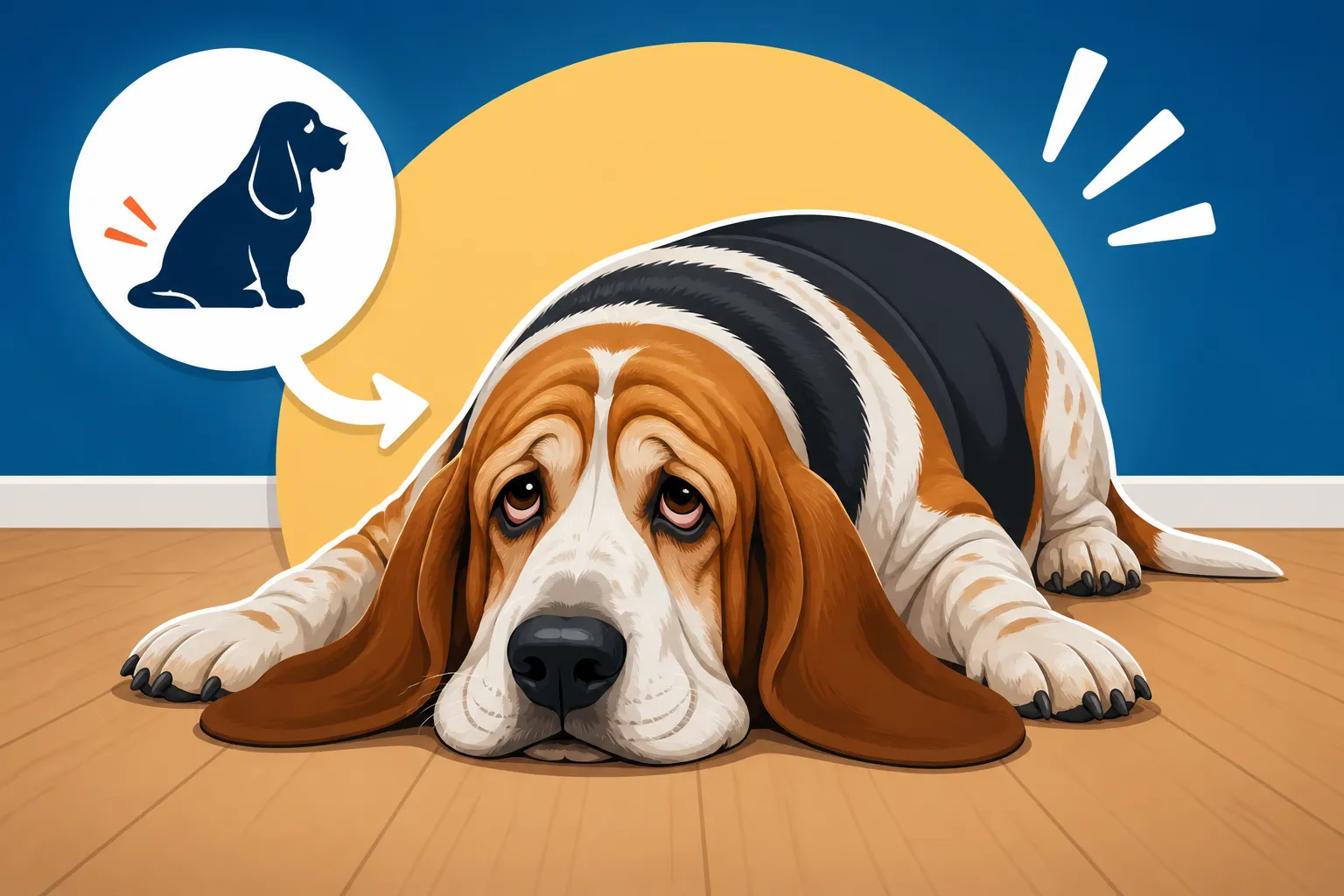
You might also observe them struggling with the basic act of lying down or getting up. Instead of a smooth transition, they might circle endlessly before gingerly lowering themselves, or flop down with a groan. When trying to rise, they might push off with their front legs multiple times, or slide on slippery floors, indicating a lack of strength or balance. These moments, where they clearly exhibit Whether an Old Basset Hound Struggles to Stand, are stark reminders of their declining mobility and the discomfort they are experiencing.
Grooming can also become an issue. If they can't comfortably stand for long periods, brushing or bathing might become stressful. They might also neglect self-grooming, leading to matted fur or skin issues, especially in hard-to-reach areas. Even eating and drinking can be affected if bending down to bowls causes neck or back pain. These seemingly minor difficulties accumulate and can significantly impact their quality of life, underscoring the need for supportive interventions.
Behavioral Shifts and Vocalizations
Pain and discomfort don't just affect physical movement; they can deeply impact a dog's mood and behavior. An old Basset Hound suffering from chronic pain might become more withdrawn, less interactive with family members, or even irritable. They might seek out quiet, isolated spots to rest, or become less tolerant of being touched, especially around sensitive areas. A normally affectionate Basset might snap or growl if handled roughly or if you accidentally touch a painful spot.
Vocalizations are often a clear sign of pain. This can manifest as increased whining, groaning, or sighing, particularly when moving, trying to get comfortable, or being left alone. Some Basset Hounds might start barking or howling more frequently, not out of distress or boredom, but because they are uncomfortable. It’s their way of telling you they’re hurting. Pay close attention if these sounds accompany specific movements or positions.
Conversely, some Basset Hounds might become clingier, seeking comfort and reassurance from their owners. They might follow you around more, lean into you, or just want to be near, perhaps seeking the warmth and soft comfort of your presence. Any significant, unexplained change in your Basset Hound's personality or demeanor warrants a visit to the vet, as it could be their silent plea for help. Never dismiss these changes as "just old age" without a professional assessment.
Practical Home Modifications to Aid Your Senior Basset
Once you recognize that your old Basset Hound is struggling with mobility, the good news is there are many practical adjustments you can make around your home to make their life easier and safer. These changes are often simple but can make a profound difference in their comfort, independence, and overall well-being.
Strategic Placement of Ramps and Steps
The Basset Hound’s short legs and long back make jumping a high-risk activity throughout their lives, but especially in old age. A seemingly harmless hop off the couch or bed can lead to serious spinal injury. This is where ramps and steps become indispensable tools. Strategically placing pet ramps next to their favorite resting spots – the sofa, your bed, or even for getting in and out of the car – can eliminate dangerous jumps and reduce strain on their joints.
When considering Whether a Basset Hound Should Use a Ramp, look for ramps with a gentle slope and a non-slip surface to ensure stable footing. For smaller elevations, pet steps can also be useful, but ensure they are wide enough and sturdy for your Basset's unique build. It might take a little patience and positive reinforcement (treats work wonders with Basset Hounds!) to teach them how to use these new aids, but the long-term benefits for their spinal health and joint comfort are immeasurable.
Many pet supply stores offer a range of ramps and steps designed for different heights and weights. Brands like PetSafe and Chasing Tails are popular choices, offering durable and safe options. Investing in one or two good ramps now can prevent a costly emergency vet visit down the line. Remember, the goal is to create a home environment where your Basset can safely access all their favorite places without risk of injury or unnecessary pain.
Optimizing Flooring for Better Grip
Slippery floors are a nightmare for an old Basset Hound with aching joints and weakened muscles. Hardwood, tile, or laminate floors offer little to no traction, making it incredibly difficult for them to get up from a lying position, maintain balance while walking, or prevent painful slips and falls. You might notice them "splaying out" or struggling to gain purchase when they try to stand, leading to frustration and potential injury.
Covering slippery surfaces with non-slip rugs, runners, or carpet tiles can dramatically improve their confidence and mobility. Focus on high-traffic areas where they frequently walk, eat, or rest. Look for rugs with rubber backing to prevent them from sliding around themselves. Even placing a large, grippy mat under their food and water bowls can make mealtime more stable and comfortable, especially if they suffer from neck or back pain when bending down.
For some areas, like a kitchen or bathroom, temporary non-slip mats can be a lifesaver. Ensure that any rugs or mats are securely placed and don't create new tripping hazards. This simple modification not only helps them get around more easily but also prevents painful tumbles that could exacerbate existing conditions or cause new injuries. A safer footing means a more confident, active, and less stressed Basset Hound.
Choosing the Right Orthopedic Bedding
A good bed isn't just a luxury for an old Basset Hound; it's a necessity. Standard dog beds often lack the support needed for heavy, aging bodies and can exacerbate joint pain. An orthopedic bed, specifically designed with high-density foam or memory foam, cradles their body, relieves pressure points, and provides the firm support their aching joints need. This is especially true for their hips, elbows, and spine.
When thinking about Whether an Orthopedic Bed Costs for a Basset Hound, consider it an investment in their comfort and health. Look for beds with sufficient thickness and density that won't flatten out over time. Some excellent brands known for their quality orthopedic dog beds include Big Barker, Casper Dog Bed, and Layla Pet. These beds are often designed to distribute weight evenly, reducing stress on their joints and making it much easier for them to get up after a long nap. The difference a truly supportive bed makes can be astounding.
Ideally, your Basset Hound should have several comfortable, accessible orthopedic resting spots around the house, so they don't have to travel far when they need to lie down. Elevated beds or cots can also be an option for some dogs, keeping them off cold floors, but ensure they are easy for your Basset to get into without jumping. A good night's sleep, free from pressure pain, can make a world of difference in their overall demeanor and daily mobility.
Pain Management Strategies for Enhanced Comfort
Even with the best home modifications, many older Basset Hounds will still require ongoing pain management to truly alleviate their discomfort and improve their quality of life. This usually involves a multi-faceted approach, combining veterinary prescribed treatments with complementary therapies.
Veterinary Prescribed Medications and Supplements
When your old Basset Hound is struggling to get off the floor due to pain, your veterinarian is your most crucial ally. They can prescribe a variety of medications tailored to your dog's specific needs and the severity of their condition. Non-steroidal anti-inflammatory drugs (NSAIDs) are a cornerstone of arthritis management, helping to reduce pain and inflammation. Common NSAIDs include Carprofen (Rimadyl), Meloxicam (Metacam), and Galliprant, among others. These often provide significant relief, allowing your Basset to move more freely and comfortably.
Beyond NSAIDs, other medications can be beneficial. Gabapentin is often used to manage chronic neuropathic pain, which can be a component of IVDD or nerve compression. Amantadine is another medication that can enhance the pain-relieving effects of NSAIDs. Your vet might also suggest Adequan injections, which help to protect and repair cartilage, or newer monthly injectable treatments like Librela, which targets nerve growth factor to reduce osteoarthritis pain. Many pet insurance providers, such as Healthy Paws, offer coverage for these crucial medications and treatments, helping to ease the financial burden of long-term care.
Nutraceuticals, or joint supplements, are also widely recommended. These typically contain ingredients like glucosamine, chondroitin sulfate, and MSM, which support cartilage health and reduce inflammation. Omega-3 fatty acids, often in the form of fish oil, are also excellent natural anti-inflammatories. While supplements work best as part of a comprehensive plan and take time to show effects, they can be a valuable addition to your Basset's regimen. Always discuss any supplements with your vet to ensure they are appropriate and don't interact with other medications.
The Role of Physical Therapy and Hydrotherapy
Medication can help, but it's often not the whole picture. Canine physical therapy, also known as rehabilitation, can be incredibly effective for improving mobility, strengthening muscles, and reducing pain in older Basset Hounds. A certified canine rehabilitation therapist can develop a personalized exercise plan that includes targeted stretches, therapeutic exercises, and modalities like laser therapy or therapeutic ultrasound. These treatments aim to increase range of motion, build core strength, and alleviate stiffness without putting undue stress on compromised joints.
Hydrotherapy, or exercise in water, is particularly beneficial for Basset Hounds with severe arthritis or back pain. The buoyancy of water reduces the impact on joints, allowing them to move and strengthen muscles in a low-stress environment. Underwater treadmills are common, where your Basset walks on a treadmill submerged in warm water. This not only builds muscle but also improves circulation, reduces pain, and increases flexibility. Many Basset Hounds, even those reluctant to move on land, find joy and comfort in the water, and it can be a wonderful way to keep them active and engaged.
Regular, gentle activity is key, even if it's just short, controlled walks or backyard strolls. The goal isn't strenuous exercise, but rather to maintain muscle mass, flexibility, and circulation. Immobility leads to further stiffness and muscle atrophy, so finding ways to keep your Basset moving comfortably is paramount. Your physical therapist can also teach you exercises and stretches to do at home, empowering you to actively participate in your Basset’s recovery and ongoing comfort.
Complementary Therapies for Relief
Beyond traditional veterinary medicine and physical therapy, a range of complementary therapies can also offer relief for an old Basset Hound struggling with mobility. Acupuncture, an ancient Chinese technique involving the insertion of fine needles into specific points on the body, can be very effective for pain management and improving nerve function. Many dogs tolerate it well, and it can significantly reduce reliance on medications for some conditions.
Chiropractic care for dogs focuses on adjusting misalignments in the spine and other joints, which can relieve nerve impingement and improve overall mobility. A qualified veterinary chiropractor can assess your Basset’s structural integrity and make gentle adjustments. Massage therapy, performed by a professional or even learned by you, can improve circulation, reduce muscle spasms, and provide comfort. Learning a few basic massage techniques for your Basset can strengthen your bond while easing their aches.
Other options might include therapeutic magnetic field therapy, which uses pulsed electromagnetic fields to reduce pain and inflammation, or even cold laser therapy, which uses specific wavelengths of light to promote healing and reduce discomfort. Always discuss these complementary therapies with your primary veterinarian to ensure they are safe and appropriate for your Basset Hound's specific health profile and don't interfere with other treatments. A holistic approach often yields the best results for complex, chronic conditions.
Nutritional Support and Weight Management
One of the most impactful things you can do for an old Basset Hound struggling with mobility is to ensure they are on the right diet and, crucially, maintaining a healthy weight. Extra pounds are a massive burden on already compromised joints and an aging body.
Tailoring Diet for Joint Health
As Basset Hounds age, their nutritional needs change. While they may require fewer calories due to decreased activity, their bodies can benefit immensely from a diet specifically formulated to support joint health. Many senior dog foods or "large breed senior" formulas are designed with this in mind. Look for ingredients that explicitly support cartilage and reduce inflammation.
Key nutrients to seek out in their food include glucosamine and chondroitin sulfate. While supplements offer higher doses, a diet that includes these can provide a foundational level of support. Omega-3 fatty acids, particularly EPA and DHA from fish oil, are potent natural anti-inflammatories and can be found in higher concentrations in some senior or joint-support diets. Brands like Hill's Prescription Diet j/d, Royal Canin Mobility Support, and Purina Pro Plan Veterinary Diets JM Joint Mobility are examples of foods specifically tailored to these needs, though your vet can recommend the best option for your individual Basset.
Some diets also incorporate ingredients like green-lipped mussel, turmeric, or collagen, all known for their anti-inflammatory or joint-supporting properties. While not a cure-all, a diet rich in these beneficial compounds can complement other pain management strategies, helping to slow the progression of joint degeneration and improve overall comfort. Always consult with your veterinarian before making significant dietary changes, especially if your Basset has other health conditions.
The Critical Impact of Maintaining a Healthy Weight
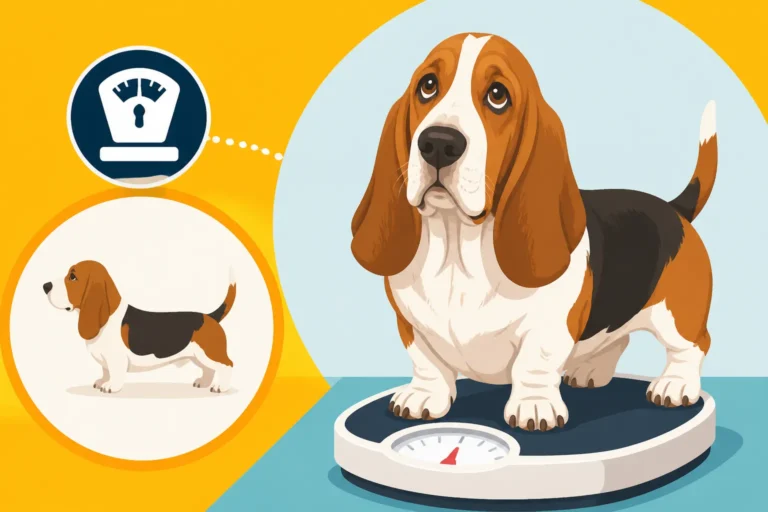
We cannot overstate the importance of keeping your old Basset Hound at their ideal weight. Every extra pound puts additional stress on their joints, amplifying the pain and accelerating the progression of arthritis. Imagine carrying a backpack filled with bricks all day – that’s what excess weight feels like to a dog with sore joints. Overweight Basset Hounds struggle significantly more to get off the floor, to walk, and to simply exist comfortably. This is why What Extra Weight Does to a Basset Hound is such a crucial topic.
Your veterinarian can help you determine your Basset Hound’s ideal weight and how to achieve it safely. This often involves reducing caloric intake and increasing gentle, controlled exercise. Switching to a high-quality, lower-calorie senior dog food can be a good start. Be mindful of treats, which can quickly add unwanted calories. If you use treats for training or enrichment, opt for low-calorie options like plain green beans, carrots, or small pieces of lean cooked chicken. Even a modest weight loss can make a dramatic difference in their mobility and overall quality of life.
Regularly weighing your Basset Hound and adjusting their food portions accordingly is a simple but powerful act of care. Don't rely solely on manufacturer feeding guidelines, as these are averages and your individual dog's metabolism and activity level will vary. Aim to feel their ribs easily without seeing them, and observe a visible waistline. This attention to detail in Keeping a Basset Hound at Its Correct Weight will pay dividends in their comfort and lifespan.
Hydration and Essential Nutrients
Proper hydration is often overlooked but plays a vital role in joint health and overall well-being. Water helps maintain the viscosity of joint fluid, which lubricates the joints and provides cushioning. Ensuring your Basset Hound always has access to fresh, clean water is essential. You might even consider adding a little low-sodium chicken broth to their water bowl occasionally to encourage drinking, especially if they are reluctant.
Beyond joint-specific nutrients, a balanced diet providing all essential vitamins and minerals is crucial for an aging body. Older dogs can sometimes have reduced nutrient absorption, so a high-quality, easily digestible food is important. Antioxidants, like vitamins C and E, can help combat cellular damage from free radicals, which contribute to aging and inflammation.
For some Basset Hounds, particularly those with a sensitive stomach, their vet might recommend specific probiotic supplements to support gut health, which in turn can aid nutrient absorption and overall immune function. A healthy gut contributes to a healthy body, and for an old Basset Hound, every advantage counts in their fight against the aches and pains of aging. Always remember that nutrition is a foundational pillar of health, and it's never too late to optimize your senior Basset's diet.
Specialized Care and Assisted Mobility Devices
When your old Basset Hound's mobility issues become severe, it might be time to introduce specialized care and assisted mobility devices. These tools are designed to provide crucial support, maintain independence, and ensure a good quality of life even when their own strength is failing.
Harnesses and Slings for Support
For Basset Hounds who struggle to get up or navigate stairs but can still bear some weight, supportive harnesses and slings can be incredibly helpful. A full-body harness, like those from Ruffwear or Help 'Em Up, allows you to provide stability and support to their entire body, making it easier to lift or steady them. These harnesses are often designed to be worn for extended periods, providing comfort and distributed pressure.
Alternatively, rear-support slings are excellent for Basset Hounds with hindquarter weakness or back pain. These simple fabric slings fit under their belly, allowing you to lift their hind end slightly as they walk or try to stand. This reduces the weight load on their back legs, making it less painful and easier for them to move. This is particularly useful when you need to Whether a Basset Hound Should Be Lifted Under the Chest or help them up and down short steps.
Using a harness or sling takes practice, both for you and your Basset, but it can make daily walks and transitions significantly easier and safer. It reduces your risk of back injury from lifting and gives your Basset the confidence to try to move when they might otherwise give up. These devices help maintain their quality of life, allowing them to participate in family activities they might otherwise miss out on due to limited mobility.
Carts and Wheelchairs for Advanced Cases
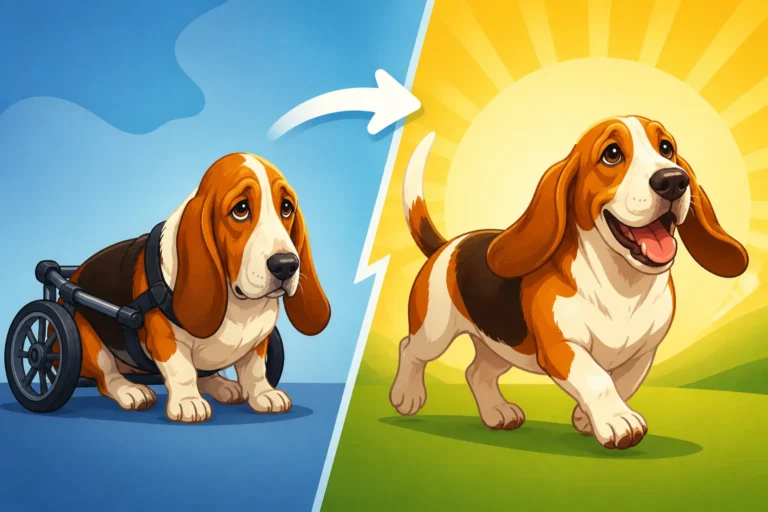
For Basset Hounds with significant hind leg paralysis, severe weakness, or conditions like advanced Intervertebral Disc Disease in a Basset Hound that render them unable to use their back legs, a custom-fitted dog wheelchair or cart can be a life-changing solution. While it might seem daunting at first, many dogs adapt remarkably well to wheelchairs, regaining their independence and zest for life.
Brands like Walkin' Wheels, K9 Carts, and Eddie's Wheels offer high-quality, custom-built wheelchairs that support your Basset's unique body shape and allow them to move around freely. These carts usually support the hindquarters, allowing the front legs to propel them forward, enabling them to run, play, and explore once more. Seeing a dog zoom around in their cart after months of immobility is truly inspiring. Many pet insurance plans, like those from Healthy Paws, often cover the cost of such mobility aids when prescribed by a veterinarian, making them more accessible to families.
Introducing a wheelchair requires patience and a gradual approach. Start with short periods, associate it with positive experiences (like treats and praise), and ensure the fit is perfect to prevent chafing or discomfort. A wheelchair isn't about giving up; it's about providing a tool that allows your Basset Hound to continue enjoying life, exploring their environment, and maintaining mental and physical stimulation, even if their legs can't do the work anymore.
Managing Accidents and Incontinence
Increased immobility in old Basset Hounds often comes with the unwelcome challenge of incontinence. Difficulty getting up and moving quickly to go outside, coupled with weakening bladder or bowel control, can lead to more indoor accidents. This can be frustrating for owners and embarrassing or distressing for the dog. However, it's a common issue with aging dogs and can be managed with understanding and practical solutions.
For urinary incontinence, your vet may prescribe medications like Proin or estrogen-based drugs, which can strengthen bladder control. For management at home, washable dog diapers or belly bands can be invaluable. Brands like Simple Solution or Pet Parents offer comfortable and absorbent options. These help contain messes, protect your floors, and reduce the frequency of thorough clean-ups. Ensuring your Basset has frequent opportunities to go outside, even if it means carrying or assisting them, is also crucial.
For fecal incontinence or general accidents, having easily cleanable flooring (or protected floors as mentioned earlier) is key. Keep enzymatic cleaners on hand for any accidents to eliminate odors and stains. Maintaining good hygiene by regularly cleaning your Basset's hindquarters can prevent skin irritation and infections. Remember, these accidents are not intentional; they are a consequence of aging and physical limitations. Patience, understanding, and the right tools will make this challenging aspect of senior care much more manageable for both you and your beloved Basset Hound.
| Mobility Challenge | Recommended Aid/Strategy | How it Helps a Basset Hound |
|---|---|---|
| Difficulty standing up | Orthopedic Bed, Rear-Support Sling | Provides firm support, reduces pressure points, aids in lifting hindquarters. |
| Slipping on floors | Non-slip rugs/runners | Improves traction, prevents falls, boosts confidence when walking. |
| Jumping on/off furniture | Pet Ramps/Steps | Eliminates dangerous jumps, reduces strain on back and joints. |
| Hindquarter weakness/paralysis | Dog Wheelchair/Cart | Restores mobility and independence, allows for exercise and exploration. |
| Pain from arthritis/IVDD | NSAIDs, Gabapentin, Adequan, Librela | Reduces inflammation, alleviates chronic pain, protects cartilage. |
| Muscle atrophy | Physical Therapy, Hydrotherapy | Strengthens muscles, improves range of motion, builds core stability. |
| Incontinence | Dog Diapers/Belly Bands, Medication | Manages accidents, prevents messes, protects skin from irritation. |
| Difficulty accessing food/water | Raised Bowls | Reduces neck and back strain while eating/drinking. |
When to Seek Professional Veterinary Help
Knowing when to call the vet is paramount when caring for an old Basset Hound with mobility issues. While some decline is natural, sudden changes or worsening symptoms always warrant a professional assessment to ensure your dog is not suffering unnecessarily and to explore new treatment options.
Early Intervention and Diagnostic Testing
As soon as you notice your Basset Hound struggling with movement, even if it's subtle, it's time to involve your veterinarian. Early intervention is key to managing chronic conditions like arthritis and IVDD. The sooner a problem is diagnosed, the sooner a treatment plan can be put in place, potentially slowing progression and improving long-term comfort. Don't wait until your Basset can't get off the floor at all.
Your vet will perform a thorough physical examination, assessing their gait, range of motion in their joints, and neurological responses. They will likely ask you detailed questions about when you first noticed symptoms, what makes them better or worse, and any other changes in behavior. To get a clear picture of the underlying issue, diagnostic tests may be recommended. This could include X-rays to assess joint health and look for signs of arthritis or spinal changes, or blood work to rule out other systemic illnesses that could contribute to weakness or pain, such as Whether a Basset Hound Gets Hypothyroidism.
In some cases, more advanced diagnostics like an MRI or CT scan might be necessary, especially if a spinal issue like severe IVDD is suspected. While these can be costly, they provide a detailed view of soft tissues and nerve compression, which is crucial for guiding surgical or medical management. Discuss all options with your vet, including potential costs and prognoses. Many pet insurance plans, including those offered by Healthy Paws, provide substantial coverage for diagnostic testing and specialty veterinary care, which can be a huge relief during such challenging times.
Discussing Quality of Life and End-of-Life Care
Even with the best care, there may come a time when your old Basset Hound's mobility and overall quality of life significantly diminish. This is perhaps the hardest conversation any pet owner faces. When your Basset Hound is consistently in pain that can no longer be effectively managed, when they lose interest in food or favorite activities, or when they can no longer find comfort, it's time to have a frank and compassionate discussion with your veterinarian about their quality of life.
Your vet can help you objectively assess your Basset’s condition using a quality of life scale, which considers factors like pain, appetite, hydration, hygiene, happiness, and mobility. This tool can provide a framework for a very emotional decision. It's about weighing their good days against their bad days and ensuring that their remaining time is spent with dignity and comfort, rather than prolonged suffering.
End-of-life care can involve hospice care, focusing on comfort and pain management at home for as long as possible, or making the difficult but ultimately humane decision to say goodbye. This process is deeply personal, and your veterinary team is there to support you every step of the way, offering guidance, empathy, and practical advice. Knowing when an old Basset Hound has had enough is the final, most profound act of love and responsibility we can offer our cherished companions.
Disclaimer
The information provided in this article is for general informational purposes only and is not intended as a substitute for professional veterinary advice. Always consult with a qualified veterinarian for any health concerns or before making any decisions related to your pet's care.