Whether a Basset Hound Talks Back
Ah, the Basset Hound's voice! It's something that can bring so much joy and, let's be honest, sometimes a little head-scratching. Many Basset owners find themselves wondering if their beloved hound is truly "talking back" to them, expressing opinions, or just making noise. This guide will dive deep into the fascinating world of Basset Hound vocalizations, helping you understand the unique ways they communicate and how to interpret those wonderfully expressive sounds.
The Unique Language of the Basset Hound: More Than Just Barks
When you live with a Basset Hound, you quickly learn that their vocal repertoire extends far beyond a simple "woof." They are, after all, scent hounds, bred to use their voices to communicate while working. This rich vocal heritage means they come equipped with a diverse range of sounds, each carrying its own nuance and potential meaning. It’s part of their charm, but it certainly keeps things interesting!
The Famous Basset Bay and Its Variations
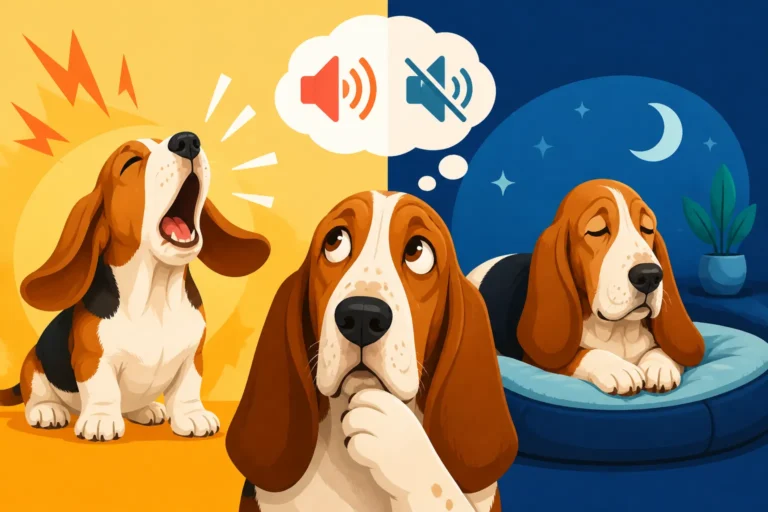
The Basset Hound's most iconic sound is, without a doubt, its bay. It's a deep, resonant, almost mournful sound that carries surprisingly far. This isn't just a random noise; it’s a communication tool. In their historical role, Bassets would bay to alert hunters that they were on a scent trail, guiding the humans through dense undergrowth where the dogs might be out of sight. It's a sound that connects them directly to their heritage. When you hear that soulful bay, it's often a direct link to their instinctual programming. The Bay a Basset Hound Uses and the Neighbors Hear discusses just how pervasive this sound can be.
Beyond the classic bay, Bassets have a whole range of variations. There’s the excited, rapid-fire bay when they’ve caught a particularly intriguing scent in the backyard, or the drawn-out, almost operatic bay that seems to express profound contemplation – perhaps over the existential question of when dinner will arrive. Sometimes it’s a demand, a sharp, insistent bay directed squarely at you, indicating they want something now. Other times, it's a social call, particularly if they hear other dogs or distant sounds. Understanding these subtle differences is key to deciphering their messages.
The Grumbles, Moans, and "Conversations"
What really makes Basset Hounds seem like they’re "talking back" are their incredibly human-like grumbles, moans, and sighs. These aren't bays or barks; they're softer, more nuanced sounds that often accompany their expressions. A Basset might grumble softly when you ask them to move off the comfy sofa, or sigh dramatically when you stop petting them too soon. These sounds are often interpreted by owners as direct responses, almost as if the dog is having a conversation or voicing its disapproval.
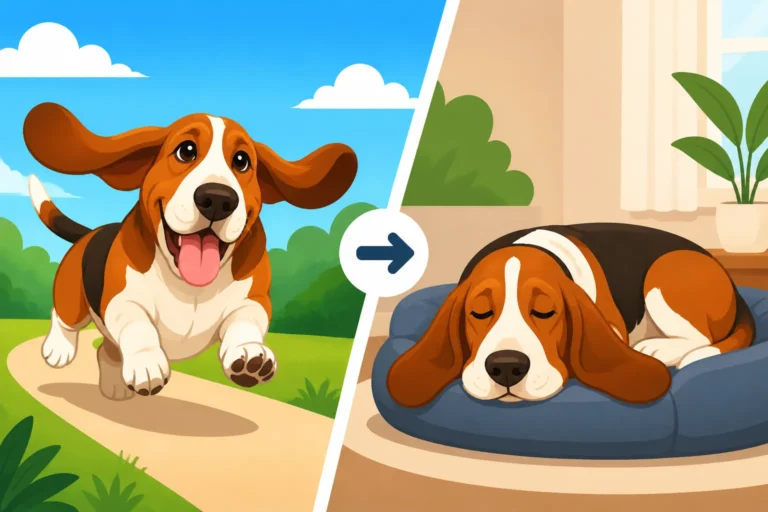
Think about that low, rumbling groan they make when you try to get them out of bed on a cold morning. It’s not aggression; it's pure, unadulterated reluctance. Or the deep, heartfelt sigh that escapes them when they finally flop down after a particularly exhausting walk (or, let’s be honest, a strenuous nap). These aren't sounds of distress but rather sounds of contentment, mild protest, or just general commentary on the state of their world. They’re masters of conveying a lot with very little effort, and these vocalizations are a huge part of that charm.
When "Talking Back" Becomes a Basset Hound's Art Form
It's easy to anthropomorphize our dogs, especially a breed as expressive as the Basset Hound. Their facial expressions, combined with those unique sounds, can make it feel like they're having a full-blown argument with you. This "talking back" isn't a sign of disobedience in the human sense, but rather a complex form of communication that owners learn to interpret over time.
The Context of Vocal Responses
A Basset Hound's "talking back" is almost always tied to a specific context. Are you asking them to do something they don't particularly want to do, like come inside when they've found an amazing smell? That's when you might get a low, drawn-out moan, followed by a look that says, "Do I have to?" Or perhaps you’re preparing their meal, and they're offering a chorus of excited grumbles and whines, practically narrating your every move. Whether a Basset Hound Whines for Food is a classic example of this specific vocal context.
Consider a scenario: you’re trying to clip your Basset’s nails, a task few hounds relish. As you pick up a paw, you might hear a low grumble, a deep sigh, and maybe even a little "oof" as if to say, "This is really cutting into my nap time." They're not being aggressive, but they are absolutely making their feelings known. It's their way of registering a complaint, much like a toddler might whine about eating their vegetables. The context always provides the biggest clue to what their expressive sounds truly mean.
Decoding the "Attitude"
Sometimes, a Basset Hound’s vocalizations come across as pure attitude. You ask them to "move," and they let out a dramatic groan, slowly unfold themselves, and then give you a side-eye as they waddle away. This isn't defiance; it's often a theatrical display of their deep-seated preferences and comfort-loving nature. They are hounds of comfort, and any disruption to their current state of bliss often warrants a vocal complaint.
The "attitude" often stems from their intelligent and sometimes stubborn nature. They understand what you're asking, but they're weighing it against their current desires. If their desire to stay put outweighs their desire to please you, you'll hear about it. It’s part of the Basset charm – they rarely do anything without expressing an opinion. This "talking back" is rarely confrontational; it’s more like a passive-aggressive commentary on your demands. Learning What Actually Motivates a Basset Hound can help you understand these responses better and navigate them with a sense of humor.
Living Harmoniously with a Vocal Basset Hound
Embracing your Basset Hound's vocal nature is part of the joy of owning one of these wonderful dogs. However, there's a difference between charming grumbles and excessive noise that becomes a problem for you or your neighbors. Understanding how to encourage desired communication and manage unwanted vocalizations is key to a happy household.
Encouraging Desired Communication
You can actually encourage your Basset to "talk" in ways that are enjoyable and communicative. When they offer a soft groan to greet you, respond with gentle pets and a cheerful voice. This reinforces that their gentle vocalizations are a positive way to interact. Many Bassets will develop specific sounds for different needs – a particular whine for needing to go outside, a focused grumble when they want attention. By consistently responding to these cues, you can build a deeper bond and a more understandable "language" between you.
Consider using their natural drive for scent work as a way to engage their brains, which can sometimes redirect their vocal energy into more productive outlets. Puzzle toys filled with treats, easily found on Amazon, can keep them quietly occupied for a while. You can also teach them specific "speak" and "quiet" cues, rewarding them generously when they offer the right sound or remain silent on command. Online training programs, such as those offered by BAXTER & Bella, often have modules on shaping desirable vocal behaviors.
Managing Excessive Vocalizations
While their voices are charming, there are times when a Basset Hound's vocalizations can become overwhelming. Persistent barking or baying can be disruptive, and it's important to address it constructively. First, try to understand why they are being excessively vocal. Are they bored? Lonely? Do they need to go out? Is it a reaction to sounds outside? Whether a Basset Hound Is Loud can give you more context about their natural tendencies.
Once you've identified the trigger, you can begin to manage it. If it's boredom, increase their mental and physical exercise. Even short, sniff-filled walks can be incredibly tiring for a Basset. Enrichment toys, consistent training sessions (even short ones!), and dedicated play time can help. If separation anxiety is a factor – a common issue for many hounds – addressing that underlying anxiety with professional guidance or resources from organizations like BAXTER & Bella can make a huge difference. For instance, gradual desensitization to your departure, providing high-value chew toys when you leave, or even hiring a dog walker can help manage How Long a Basset Hound Can Be Left Alone without excessive vocalizations. For outdoor baying at triggers, creating a visual barrier to the yard can help reduce their reaction to passersby.
Practical Tools for Vocal Management
Sometimes, a little help goes a long way. For Bassets who tend to get their long ears into their food or water, causing them to make disgruntled noises or simply mess, a snood can be a game-changer. These fabric tubes keep their ears neatly tucked away, preventing them from dragging and getting dirty or wet, which often leads to less fussing at meal times. You can find a variety of snoods on Amazon.
Another useful tool, especially if your Basset is prone to demanding attention through relentless vocalizations, is a structured routine. A predictable schedule for meals, walks, and playtime can reduce anxiety and the need to "talk back" to get your attention. It teaches them when to expect things, reducing their need to demand them constantly. Remember, patience and consistency are your best friends when living with such a talkative companion.
| Type of Vocalization | Common Interpretation by Owners | Potential Underlying Cause | Management Strategy |
|---|---|---|---|
| Deep Bay/Howl | "I found something!" / "I'm lonely!" | Scent, other dogs, isolation, boredom | Leash walks, mental games, companionship |
| Low Grumble/Groan | "I don't wanna!" / "Leave me alone." | Reluctance to move, discomfort, contentment | Gentle persuasion, respecting boundaries |
| Whine/Mutter | "I need something!" / "Pay attention!" | Hunger, need to potty, desire for interaction | Consistent routine, attention when quiet |
| Dramatic Sigh | "Oh, the unfairness!" / "So tired." | Exaggerated protest, relaxation after effort | Acknowledgment with affection, humor |
The truth is, a Basset Hound absolutely "talks back," just not in words we understand. They communicate with an incredible range of sounds, expressions, and body language. It's a testament to their intelligence and endearing personalities. Learning to understand their unique language is one of the most rewarding aspects of sharing your life with these wonderful, soulful hounds.
Disclaimer
This article is for general informational purposes only and does not constitute professional advice. Laws, prices and regulations vary by location and change over time. Consult a qualified professional for guidance on your specific situation.