Whether a Basset Hound Still Hunts Rabbits
It’s a common sight to see a Basset Hound lounging on a sofa, looking quite content and maybe a little sleepy. You might wonder if this gentle, floppy-eared companion truly still possesses the deep-rooted instincts of a hunter, particularly when it comes to chasing after rabbits. This guide will delve into the rich history and present-day reality of the Basset Hound's hunting abilities, exploring how their incredible nose and unique build still connect them to their ancestral purpose.
The Basset Hound's Ancestry: Built for the Hunt
For centuries, Basset Hounds weren't just charming pets; they were meticulously bred working dogs, indispensable partners to hunters. Their entire physical design, from their long, droopy ears to their powerful noses and short, sturdy legs, was crafted for a very specific type of pursuit.
A Legacy of Scent-Driven Pursuit
The very name "Basset" comes from the French word "bas," meaning low, a direct reference to their distinctive low-slung build. This wasn't an accident or a quirky aesthetic choice; it was a deliberate feature for tracking scent close to the ground. Imagine walking through dense underbrush, trying to follow the faint trail of a small animal. A tall dog might miss subtle scent particles dispersed by the wind or trampled by other creatures. Not the Basset. Their powerful noses, often said to be second only to the Bloodhound, allowed them to meticulously follow a cold trail, hour after hour, with unwavering focus. Their deep chests provided ample lung capacity for sustained effort, and their incredible stamina, though often hidden under a calm demeanor, was legendary in the field.
The breed's origins can be traced back to monastic orders in France, particularly the Abbey of St. Hubert, where hounds were developed for tracking. These The Abbey Hounds a Basset Hound Descends From were designed for hunters who followed on foot, needing a dog that was slow enough to keep pace with, but relentless enough to eventually bring its quarry to bay. The Basset Hound embodied this perfectly, a testament to centuries of selective breeding focused on olfactory prowess and tracking persistence. You'll quickly realize that Why the Word Basset Just Means Low isn't just descriptive, it's foundational to their purpose.
Why Rabbits and Hares Were the Primary Quarry
While Bassets have historically been used for larger game like deer and wild boar in some regions, their particular build and tracking style made them exceptionally well-suited for smaller, ground-dwelling animals like rabbits and hares. These creatures often seek refuge in dense thickets, burrows, and thorny bushes – places where a larger, faster dog might struggle. A Basset's short legs allow them to navigate these challenging terrains with surprising agility, pushing through obstacles rather than trying to jump over them. Their heavy bone structure provides a powerful, low center of gravity, making them stable even when plowing through tough cover.
The Basset's method of hunting is also perfectly adapted to these animals. They aren't sprinters like sight hounds; they are "cold-nosed" trackers who will methodically follow a trail, no matter how old, until they locate their prey. This unwavering dedication, accompanied by their distinctive bay, allowed hunters to follow the sound and eventually find the cornered game. They don't typically kill the prey themselves but rather "bay it up," holding it in place with their vocalizations until the hunter arrives. This made them ideal for hunting game meant for the pot, ensuring the animal was taken cleanly by the hunter rather than potentially damaged by the dog.
Modern Basset Hounds: Are They Still Hunting?
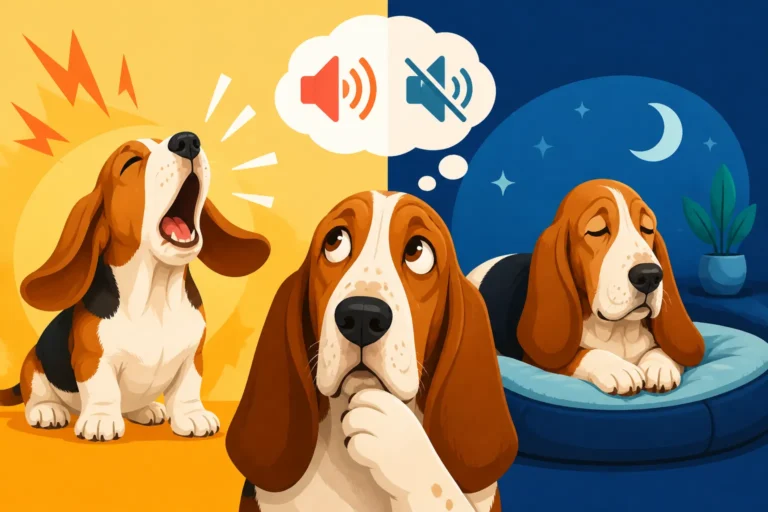
The image of a Basset Hound in a suburban home, napping on a plush dog bed, is far removed from its ancestral hunting grounds. However, the question of whether they still hunt is more nuanced than a simple yes or no. The truth is, their hunting instincts are very much alive, though expressed in different ways and in different contexts today.
The Divide: Show Bassets vs. Field Bassets
Over the last century or so, like many breeds, Basset Hounds have seen a divergence in breeding philosophies. We now often talk about "show Bassets" and "field Bassets," although the lines can sometimes blur.
-
Show Bassets are bred primarily for conformation, meaning they adhere closely to the breed standard as judged in dog shows. This often emphasizes certain physical traits like exaggerated ear length, more pronounced wrinkles, and a heavier, more substantial build. While these dogs still possess their innate scenting abilities, their physical structure might not be as conducive to sustained, vigorous work in the field. Their owners often value their calm demeanor and charming appearance, making them wonderful family companions. These Bassets still love to follow a scent in the park, but they might not be chasing a rabbit through dense woods. You can read more about this in The Split Between Show and Hunting Basset Hounds.
-
Field Bassets are bred specifically for their working ability and hunting prowess. Breeders focus on maintaining the dog's drive, stamina, and exceptional nose, often prioritizing these traits over strict adherence to show ring aesthetics. These dogs tend to be lighter in build, with slightly less exaggerated features, allowing them greater agility and endurance for actual hunting. Their owners are often active hunters or participate in scent work and field trials. These are the Bassets you'll still find enthusiastically trailing rabbits, deer, or other small game, their bay echoing through the woods.
So, while the casual pet owner's Basset might not be actively hunting, the genetic blueprint for it is definitely there. It's a matter of where their particular breeding focus has been directed, and what opportunities their owners provide.
Recreational Hunting and Field Trials
For those who appreciate the Basset Hound's true calling, recreational hunting and field trials offer a fantastic outlet for their instincts. In many parts of the world, Basset Hounds are still actively used to hunt rabbits and hares. They are typically hunted in small packs, allowing them to work together to track and eventually corner the game. The slow, methodical pace of a Basset Hound hunt is very different from a high-speed chase; it's about the intricate art of scent following and the joyous, melodious bay that signals success.
Beyond live hunting, field trials provide a competitive and structured environment for Bassets to demonstrate their abilities. These trials simulate hunting conditions, often involving artificial scent trails or live game released in a controlled manner. Dogs are judged on their scenting accuracy, perseverance, voice, and ability to work as part of a pack. Participating in these events allows Basset owners to celebrate and preserve the breed's working heritage, and it's an incredible experience to watch these dogs in their element, completely focused and driven by their primal instincts. Many owners find immense satisfaction in seeing their Basset Hounds fulfill their original purpose, even if it's in a sporting context rather than for sustenance.
The Instinct Remains: Even in Pet Basset Hounds
Even if your Basset Hound has never seen a rabbit in the wild (other than perhaps on a nature documentary), their hunting instincts are deeply ingrained. It's a fundamental part of who they are, woven into their DNA. You'll see evidence of this daily, often in amusing or sometimes frustrating ways.
The Irresistible Call of a Scent
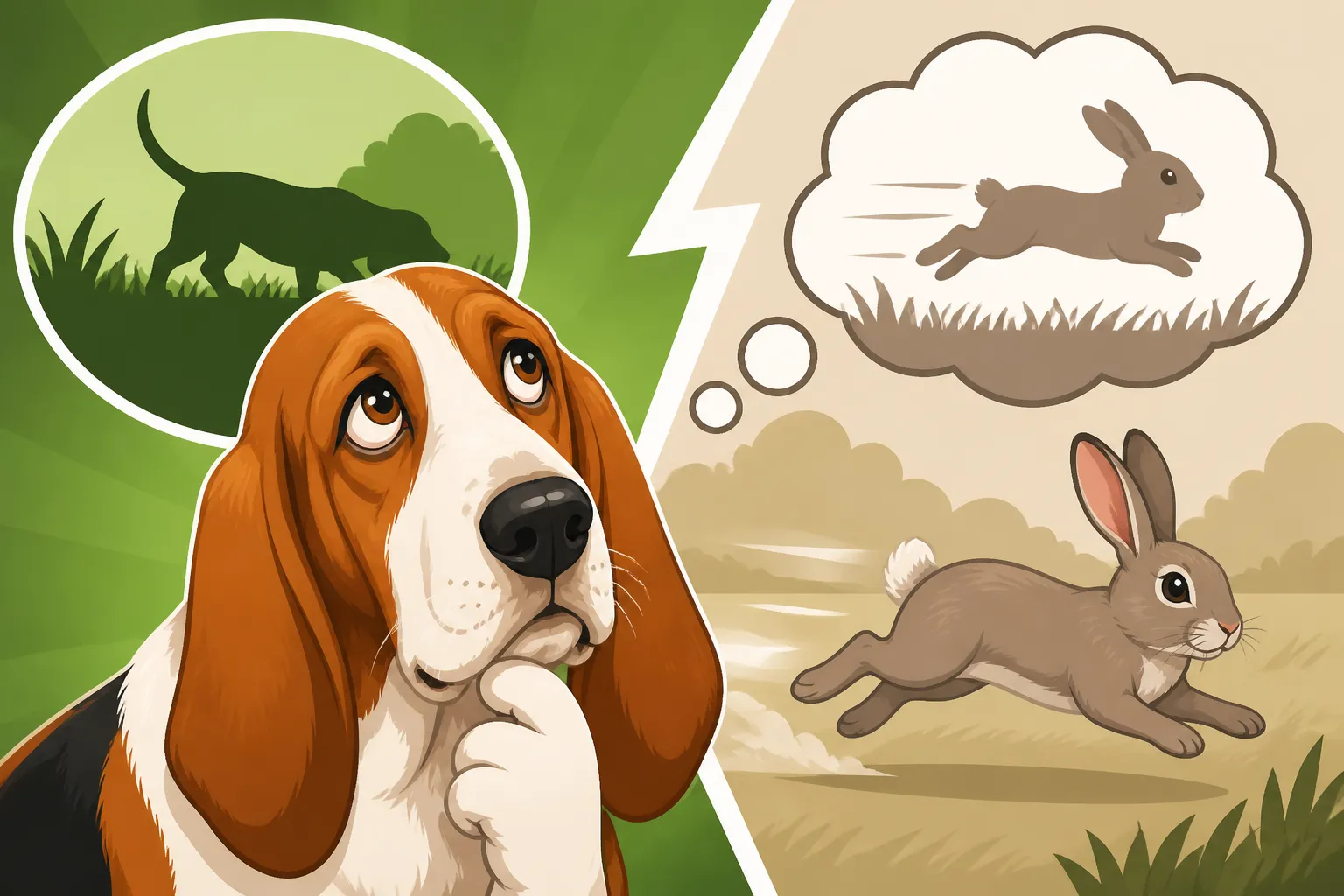
Anyone who lives with a Basset Hound knows about "the nose." It's truly a marvel. A Basset can be ambling along, seemingly oblivious, then suddenly freeze, nose to the ground, and become a creature utterly consumed by an invisible world of scent. That’s their hunting instinct kicking in, hardwired to decipher the complex tapestry of odors around them. A rabbit that crossed the path hours ago, a squirrel that cached nuts last week, or even just the faint scent of another dog's pee — it’s all information, and to a Basset, it's often more compelling than anything you could possibly say. This is precisely Why a Basset Hound Stops Hearing You When It Smells Something.
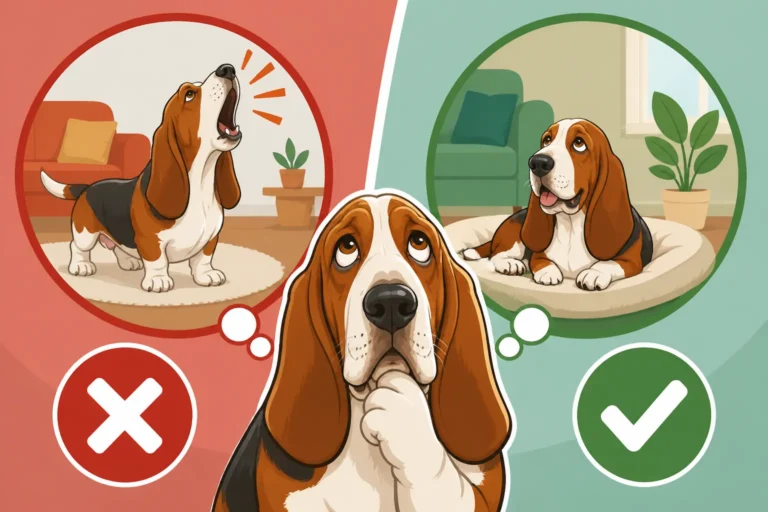
This powerful drive means that off-leash adventures in unfenced areas are generally a no-go. Once a Basset locks onto a scent, their recall can disappear faster than a treat in a hungry hound. It’s not disobedience; it's biological imperative. They aren’t being stubborn, they’re being a Basset Hound. You might find that The Recall a Basset Hound Will Never Reliably Give You is a truism that every Basset owner quickly learns. They might look up at you with those mournful eyes, acknowledge your command, and then put their nose right back down, determined to follow that fascinating trail. This is why a secure leash or a long line is crucial, especially when you're out exploring. Using a tracking device like those found on Amazon can also provide peace of mind for those moments when their nose leads them astray.
Channeling the Instinct: Providing Appropriate Outlets
So, what do you do with a dog that has such a strong, inherent drive to hunt, but lives in a modern home? You channel it! Providing outlets for their natural behaviors is key to a happy and well-adjusted Basset Hound.
-
Scent Work and Nose Games: This is where Bassets truly shine. Activities like K9 Nose Work, where dogs learn to detect specific scents, or even simpler games like hiding treats around the house for them to find, can be incredibly enriching. A snuffle mat, available from many pet retailers including Amazon, can turn mealtime into a fun scenting challenge. Whether a Basset Hound Takes to Scent Work is almost a rhetorical question – they absolutely adore it. It taps directly into their core identity and provides mental stimulation that can be just as tiring as physical exercise.
-
Long-Line Walks in Safe Areas: A long line (15-30 feet) allows your Basset to explore a wider area and follow scents more freely, all while remaining safely connected to you. Find a quiet park or field, and let them be a hound. Watch them work their nose, follow a trail, and enjoy the rich sensory experience. This is far better than frustrating them with a short leash that constantly pulls them away from what their nose is telling them.
-
Field Trials and Hunting with Guidance: If you're truly interested in exploring their hunting heritage, look into local Basset Hound clubs or hunting organizations. Many offer introductory clinics for field trials or guided hunts that focus on ethical and responsible practices. This allows you to experience your Basset in its element, learning about its abilities and fostering a deeper bond. Just make sure you're prepared for the commitment, as [Training for the Field: What it entails] is a significant undertaking.
By understanding and respecting their deeply ingrained hunting instincts, you can provide your Basset Hound with a fulfilling life that honors their heritage, even if they never actively chase a rabbit in the traditional sense.
Considerations for Basset Hound Owners and Prospective Hunters
If you're a Basset Hound owner, or considering becoming one, and the idea of tapping into their hunting heritage excites you, there are some important considerations to keep in mind. This isn't just about letting them off-leash; it's about responsible engagement with their natural abilities.
Training for the Field: What it Entails
Training a Basset Hound for actual hunting or field trials is a specific and rewarding endeavor, but it requires dedication. It's not about forcing them to do something unnatural, but rather guiding and refining their innate abilities.
-
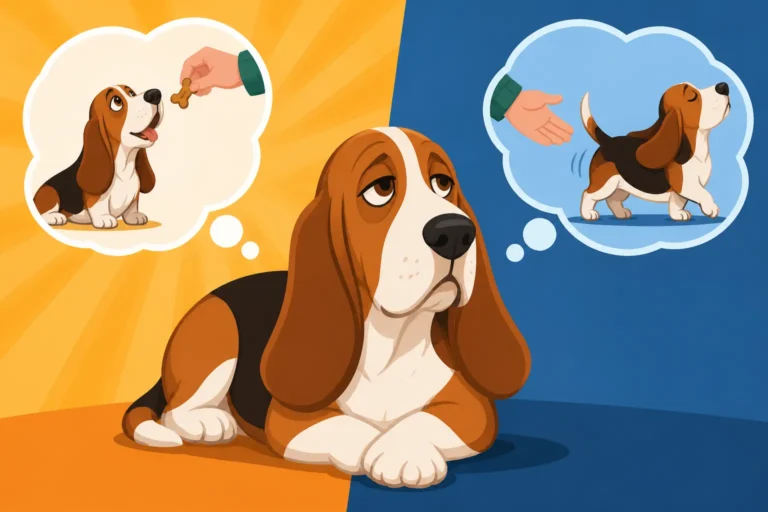
Understanding Their Motivation: Bassets are not always keen on pleasing their humans for its own sake. They are highly motivated by scent and food. Positive reinforcement, especially with high-value treats, is your best friend. What Actually Motivates a Basset Hound is often a delicious snack or the promise of an exciting new smell. Companies like BAXTER & Bella offer excellent online resources for positive reinforcement training that can be adapted for working with scent hounds.
-
Building a Foundation of Obedience: Even in the field, a basic level of obedience is essential. Commands like "stay," "wait," and a reliable "come" (even if it's a "come-to-the-leash" rather than a true recall off a scent) are important for safety. Remember, their noses can lead them into dangerous situations if not properly managed. You'll need to learn to read their body language and know when they've truly "locked on" to a scent.
-
Scent Discrimination and Tracking Skills: Field training will focus heavily on honing their ability to discriminate specific scents and follow a trail accurately. This involves introducing them to game scents (like rabbit scent) and gradually increasing the complexity and length of the trails. It's a journey of discovery for both you and your hound, watching them learn to use their incredible natural gifts. You might find yourselves delving into Whether a Basset Hound Can Do Tracking Trials as a way to prove their skills.
-
Voice Control: Bassets are known for their loud, melodious bay. In a hunting context, this is a crucial communication tool, letting the hunter know where the dog is and if they've found game. Training often involves encouraging their voice appropriately and teaching them to "speak" on command in certain situations, while also understanding when it's just their excitement.
Safety and Ethics in Hunting
For those considering actual hunting with their Basset Hound, safety and ethical considerations are paramount.
-
Secure Environments: Whether you are actively hunting or just allowing your Basset to explore on a long line, a secure environment is non-negotiable. Bassets, driven by scent, will often ignore fences, roads, or other dangers if a compelling trail is present. A sturdy, dig-proof fence is essential for home, and controlled hunting grounds are a must for field work. Many Basset owners also find that Whether a Basset Hound Should Wear a Tracker is a smart investment, offering invaluable peace of mind.
-
Weather and Terrain: Basset Hounds, with their long ears and low bodies, can be susceptible to certain environmental hazards. Their ears can get snagged or become caked with mud and burrs, and their short legs mean their bellies can drag through wet or cold terrain. Always be mindful of the weather, especially extreme heat or cold, and the condition of the ground. Regular checks of their ears and paws are essential after any outdoor adventure.
-
Respect for Wildlife: Responsible hunting practices emphasize respect for wildlife and adherence to local hunting laws and seasons. The goal is to participate in a sustainable activity, not to indiscriminately harm animals. If you're new to hunting, seek out experienced mentors and local hunting clubs to learn the ropes and ensure you're always acting ethically and legally.
-
Health and Conditioning: A hunting Basset needs to be in excellent physical condition. Regular exercise, a balanced diet, and routine veterinary care are critical. Their unique structure, while aiding in scent work, can also predispose them to certain issues like back problems if not properly managed. Ensure your Basset is fit for the rigors of the field.
Ultimately, whether your Basset Hound is still actively hunting rabbits or simply indulging their magnificent nose in your backyard, understanding their heritage enriches your relationship. It’s a reminder that beneath that placid, sometimes comical exterior, beats the heart of a truly remarkable and ancient hunter.
Disclaimer
This article is for general informational purposes only and does not constitute professional advice. Laws, prices and regulations vary by location and change over time. Consult a qualified professional for guidance on your specific situation.