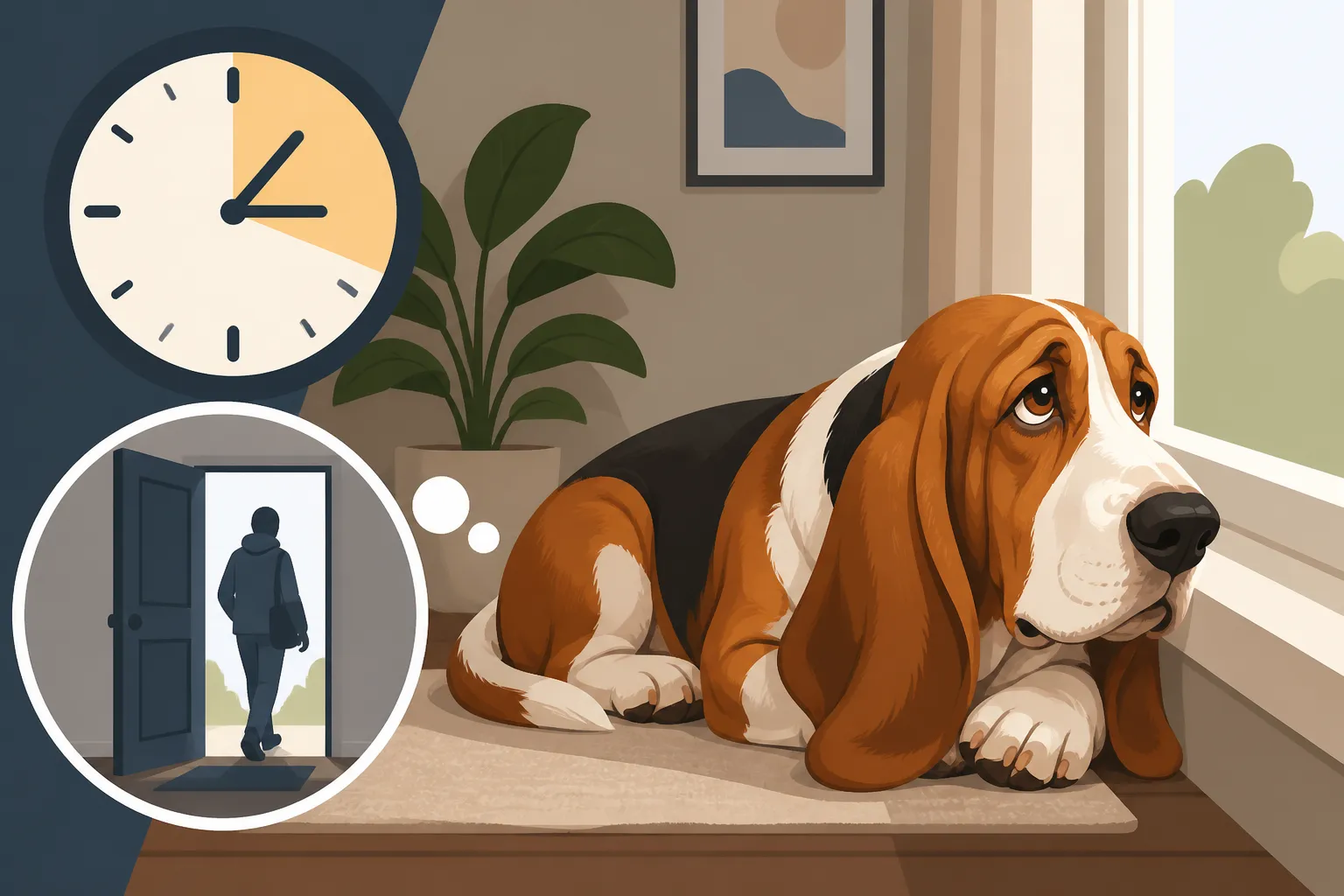
How Long a Basset Hound Can Be Left Alone
It’s a struggle many Basset Hound owners know all too well: that pang of guilt and worry when you close the door, leaving your floppy-eared friend behind. You wonder, how long is too long? Given their incredibly affectionate nature and sometimes vocal protests, figuring out a healthy amount of alone time for your Basset is key to their well-being and your peace of mind. This comprehensive guide will explore their unique needs and provide practical strategies for ensuring your Basset Hound is happy and secure, whether you're gone for an hour or a workday.
Understanding a Basset Hound's Need for Companionship
Basset Hounds aren't just pets; they're family members who thrive on connection. Their entire history and inherent personality make them particularly prone to feeling lonely or anxious when left isolated for too long. It’s not simply about having to hold their bladder; it runs much deeper than that.
The Inherited Pack Instinct and Affectionate Nature
Let's be real, Basset Hounds were bred to work in packs, trotting alongside hunters, relying on their companions for guidance and camaraderie. This isn't a breed that's naturally comfortable being a solo act for extended periods, despite their often stoic and somewhat melancholy expression. When you bring a Basset into your home, you become their new pack, their whole world, really. This deep-seated instinct means they form incredibly strong bonds with their human family.
Because of this profound connection, when their "pack" suddenly leaves them for hours on end, they can experience a genuine sense of abandonment or anxiety. This isn't them being dramatic; it’s a reflection of their genetic predisposition and deeply affectionate nature. You might notice it manifests in them following your every step when you are home, or becoming visibly distressed as you prepare to leave, maybe even letting out a characteristic bay or whine. Understanding this core need is the first step in addressing their comfort when you're not around.
The Role of Their Powerful Scenting Drive When Bored
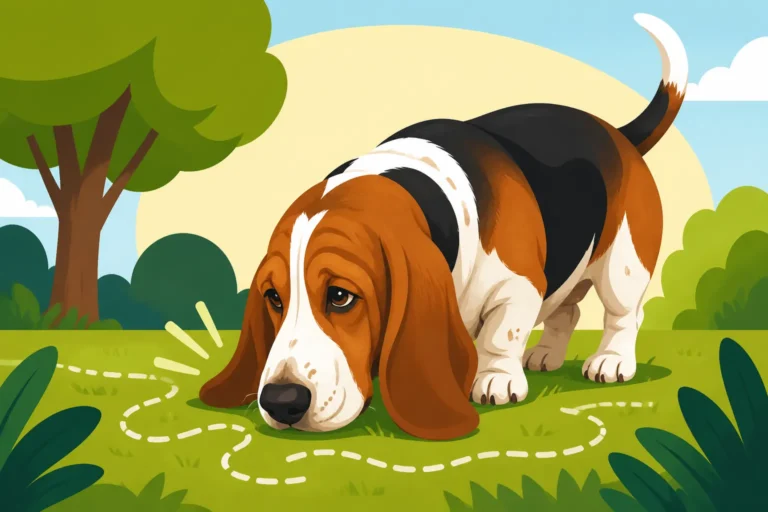
Beyond their pack mentality, Basset Hounds possess one of the most incredible noses in the dog world, second only perhaps to the Bloodhound. This powerful scenting drive isn't just for tracking rabbits; it's a huge part of how they experience and interact with their environment. When a Basset Hound is left alone without appropriate mental stimulation, this intense drive doesn't just disappear; it often gets redirected.
If there's nothing constructive for their nose or mind to do, that boundless curiosity and drive for exploration can turn into less desirable behaviors. They might start "exploring" your furniture with their teeth, discovering the fascinating textures of your baseboards, or even getting into things they shouldn't, driven by scent or just plain boredom. This isn't necessarily malice; it's an attempt to engage their primary sense in the absence of a better outlet. An under-stimulated Basset can also experience stress, which can sometimes lead to regressions in house-training or other learned behaviors. Providing appropriate outlets for this powerful drive, even when you're not there, is crucial. For more ideas on keeping their minds busy, check out Giving a Basset Hound's Nose Something to Do.
Potential Behavioral Issues from Isolation
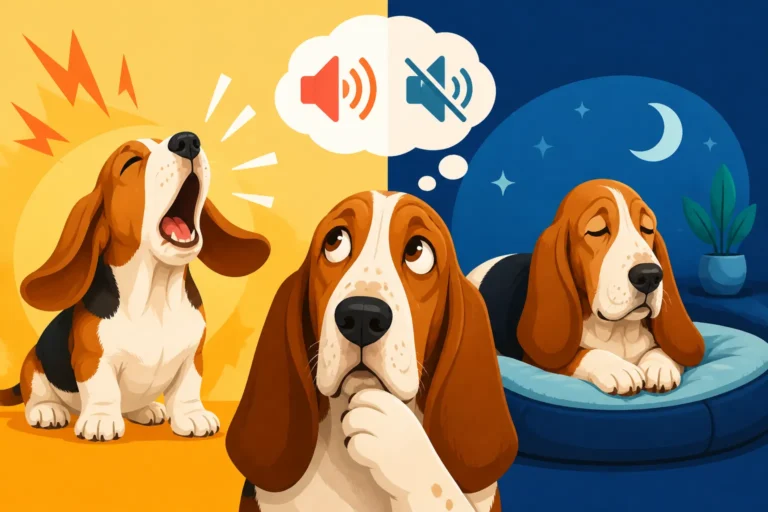
Leaving a Basset Hound alone for durations that exceed their emotional or physical tolerance can unfortunately lead to a host of behavioral problems. These issues aren't about spite; they're stress responses and coping mechanisms. One of the most common complaints is excessive vocalization. A lonely or anxious Basset will often bay, howl, or whine, a sound that, while charming in a hunting context, can quickly become a nuisance to neighbors and a sign of profound distress for your dog.
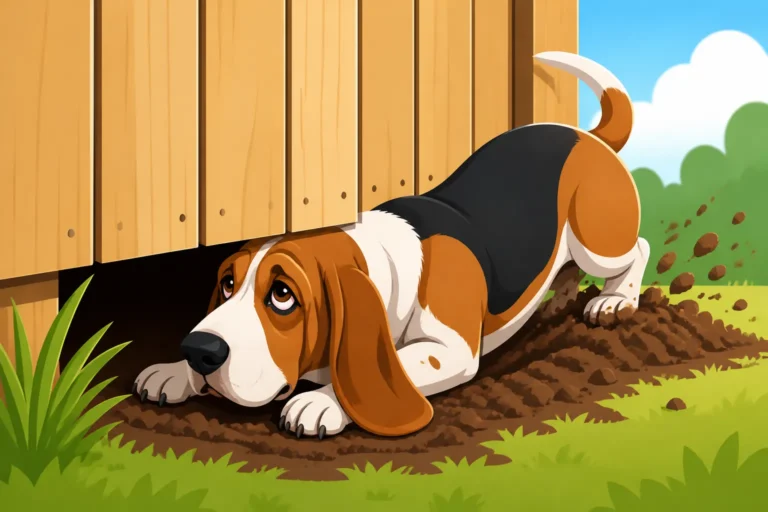
Beyond the noise, destructive chewing can become a serious problem. They might focus their anxiety on items that smell like you, or try to "escape" their confinement by chewing at doors or window frames. This isn't just inconvenient; it can be dangerous if they ingest something harmful. Inappropriate urination or defecation, even in a previously house-trained dog, can also signal stress or simply that they've been left too long without a potty break. These behaviors are clear indicators that your Basset Hound is struggling with being left alone and needs a different approach. Recognizing and addressing these signs early is vital for their happiness and your household harmony.
Realistic Timeframes for Leaving Your Basset Hound Alone
There's no single magic number for how long you can leave a Basset Hound alone, as it really depends on their age, training, and individual personality. However, understanding some general guidelines and key factors can help you make the best decision for your furry family member. Ignoring their limits can lead to health and behavioral challenges.
Age-Appropriate Alone Time: Puppies vs. Adult Basset Hounds
The amount of time a Basset Hound can comfortably spend alone changes dramatically throughout their life. For puppies, the rule of thumb often cited is one hour per month of age for bladder control, but for Basset Hounds, even that might be pushing it in terms of emotional well-being. A young puppy (8-10 weeks) really shouldn't be left alone for more than 1-2 hours at a time, and even that should be rare. They need frequent potty breaks, constant reassurance, and consistent socialization. This early stage is critical for preventing separation anxiety down the line. As they grow a bit older, say 3-6 months, they might manage 3-4 hours, but again, short, positive absences are key.
Adult Basset Hounds (typically over 18 months) generally have better bladder control and can handle longer periods. However, even a well-adjusted adult Basset should ideally not be left alone for more than 6-8 hours on a regular basis. This isn't just about their physical ability to "hold it," but about their deep need for companionship and mental engagement. Leaving them much longer than this can lead to boredom, anxiety, and the onset of undesirable behaviors. Senior Basset Hounds, particularly those over seven years old, might need even shorter periods alone, as they may experience reduced bladder control, increased joint pain, or simply desire more comfort and security. For more on their early development, consider The First Year With a Basset Hound Puppy and How Long a Basset Hound Puppy Takes to House Train.
Key Factors Influencing Your Basset Hound's Tolerance
Several factors play a huge role in how well your Basset Hound copes with alone time. Firstly, individual personality is paramount. Just like people, some Bassets are naturally more independent and laid-back, content to nap the day away, while others are highly sensitive and clingy, prone to developing significant separation anxiety. Observing your dog's reactions to short absences is crucial here.
Secondly, proper training and preparation make a world of difference. A Basset Hound that has been gradually desensitized to your departures, and ideally, crate trained, will cope far better than one suddenly left alone for long stretches without warning. Before you leave, ensuring your Basset has had adequate physical exercise (a good, sniffy walk!) and mental stimulation (a puzzle toy, perhaps) can significantly increase their tolerance for alone time. Lastly, the environment itself matters. Is their space comfortable, safe, and free from potential hazards? Providing a secure, familiar space can reduce stress. Any major routine changes, like a move or a new household member, can also temporarily affect their ability to cope alone, requiring extra patience and shorter absences.
Recognizing the Signs of Stress and Distress
It’s heartbreaking to think our dogs might be struggling when we’re away, but knowing the signs of stress and distress is the first step to helping them. The most obvious signs often involve vocalizations: persistent baying, mournful howling, or constant whining. If your neighbors are complaining, or if you record them while you're out, these sounds are a clear alarm bell. You can read more about this in Whether a Basset Hound Howls When Left and Whether a Basset Hound Is Loud.
Beyond noise, look for destructive chewing, especially around exits like doors and windows, or even on your personal items, which carry your scent. This isn't naughtiness; it's a desperate attempt to cope with anxiety or boredom. Whether a Basset Hound Destroys Anything When Bored offers deeper insights into this behavior. Inappropriate urination or defecation indoors, particularly if your Basset is reliably house-trained when you're home, is a strong indicator of stress or simply being left for too long. Other, more subtle signs can include excessive drooling or panting when no physical exertion has occurred, pacing, self-licking, or even a lack of enthusiasm when you return. If you notice a consistent pattern of these behaviors, it's a sign your Basset Hound might be experiencing separation anxiety and needs intervention. Don't ignore these clues; your Basset is trying to tell you something important. For a deeper dive into this specific concern, consider reading Whether a Basset Hound Gets Separation Anxiety.
Strategies for a Happy, Well-Adjusted Basset Hound While You're Away
Leaving your Basset Hound alone doesn’t have to be a source of constant worry for either of you. With thoughtful planning and some clever strategies, you can make their solo time as pleasant and enriching as possible. It’s all about preparation, appropriate outlets for their instincts, and sometimes, knowing when to call in for backup.
Enriching Their Environment for Mental and Physical Well-being
One of the most powerful tools you have is to make their alone time stimulating and positive. For a Basset Hound with their incredible nose, puzzle feeders and treat-dispensing toys are absolute gold. Filling a durable Kong or a puzzle ball with their regular kibble or a tasty, safe treat can keep them occupied for a surprising amount of time. They'll be engaged in problem-solving and sniffing, which taps into their natural instincts and helps tire them out mentally. Many fantastic options for these kinds of enrichment toys are readily available on Amazon.
Beyond food puzzles, ensure they have access to appropriate chew toys that are safe and appealing. Something durable that can withstand their strong jaws and satisfy their urge to chew can prevent them from turning their attention to your furniture. Another excellent modern solution is an interactive pet camera. Many of these allow you to check in, speak to your Basset, and even dispense treats remotely. This can offer both of you some comfort and connection during the day. Sometimes, simply leaving on soft music or a television channel can provide a sense of background noise and companionship, making the house feel less eerily silent. Remember, a tired Basset is a good Basset, and mental exercise counts just as much as physical. For a broader look at their daily needs, read What a Basset Hound Needs Every Day.
Creating a Safe and Calming "Den"
Where your Basset Hound spends their alone time is almost as important as how long they spend there. For many Bassets, a comfortable crate acts as a safe, calming den. It should be large enough for them to stand, turn around, and lie down comfortably, with soft bedding and access to water. If a crate isn't part of your routine, a dedicated, dog-proofed room is another option. The key is that this space is entirely safe, free from hazards, and consistently associated with positive experiences. Never use their "den" as a place for punishment.
Before you leave, establish a calm routine. Avoid making a huge fuss over your departure. A quiet "I'll be back" and a simple exit can actually be less anxiety-inducing than a prolonged, emotional goodbye. Ensure they've had a good potty break and a short burst of activity beforehand. In some cases, especially for Bassets prone to anxiety, your veterinarian might recommend calming aids, such as pheromone diffusers or specific supplements, to help them feel more secure. These are not sedatives but rather tools to create a more relaxed environment. The consistency of their "den" and a predictable routine helps them understand that your absence is temporary and they are safe.
When Professional Support and Alternative Care are Essential
Sometimes, despite your best efforts, your Basset Hound needs more support than you can provide alone. This is where professional help and alternative care options become invaluable. For those who work long hours, a reputable dog walker can provide a much-needed midday potty break, some exercise, and a dose of human interaction. This can significantly reduce the amount of time your Basset is truly alone and prevent accidents.
Doggy daycare is another option, offering constant supervision, playtime, and socialization. However, it’s crucial to find a daycare that understands the Basset Hound's unique needs – their potential for hip and back issues means intense, rough play might not be suitable, and a very loud environment could be stressful for some. A good daycare will assess your Basset’s temperament and ensure they’re in an appropriate group. For Bassets with more severe separation anxiety, or for puppies needing foundational training, consulting a certified professional dog trainer or a veterinary behaviorist is a wise step. Resources like BAXTER & Bella offer comprehensive online puppy and dog training programs that can guide you through desensitization protocols and build confidence in your Basset Hound, making them more resilient to alone time. In situations where your Basset truly struggles with being alone, even with these strategies, exploring whether Whether a Basset Hound Needs a Second Hound could be an option for companionship might be worth discussing with a professional.
Here's a quick reference on age-appropriate alone times, keeping in mind that these are general guidelines and every Basset is an individual:
| Age / Factor | Recommended Maximum Alone Time | Key Considerations |
|---|---|---|
| Puppy (8-10 weeks) | 1-2 hours | Tiny bladders, high need for socialization and reassurance. |
| Puppy (3-6 months) | 3-4 hours | Still developing bladder control and coping mechanisms. Consistency is vital. |
| Adolescent (6-18 months) | 4-6 hours | Energy levels can be high, may test boundaries, continued training important. |
| Adult (18 months – 7 years) | 6-8 hours (maximum) | Depends heavily on individual temperament, pre-departure exercise, and mental enrichment. |
| Senior (7+ years) | 4-6 hours (often less) | May have reduced bladder control, increased joint pain, or seek more comfort. |
| Individual Temperament | Highly variable | Some Bassets are more independent; others are highly prone to anxiety. |
| Pre-departure Prep | Increases tolerance significantly | Proper exercise, potty break, and mental stimulation before you leave. |
Ultimately, finding the right balance for your Basset Hound takes observation, patience, and often, a bit of trial and error. But with these strategies, you can ensure your beloved companion feels secure and loved, even when you're not right there beside them.
Disclaimer
This article is for general informational purposes only and does not constitute professional advice. Laws, prices and regulations vary by location and change over time. Consult a qualified professional for guidance on your specific situation.