Whether a Basset Hound Grows Quieter With Age
It’s a common worry among Basset Hound owners, especially those with talkative youngsters, whether their beloved hound will ever settle down and embrace a quieter existence. The truth is, the journey of a Basset Hound’s vocalization through life is often anything but straightforward, and this guide aims to explore the various ways a Basset Hound's vocal habits might — or might not — change as they age.
The Early Years: When a Basset Hound Finds Its Voice
When you first bring home a Basset Hound puppy, you quickly realize they aren't exactly the silent type. From insistent whining for attention to excited little "awoos" when you walk in the door, young Basset Hounds are often quite vocal. This is just them figuring out their world and communicating their needs and feelings. They’re exploring the range of sounds they can make, and boy, do they have a range!
Puppy Vocalizations and Their Meanings
Basset Hound puppies use a whole repertoire of sounds. You’ll hear everything from sharp barks when they want to play, to mournful whines if they feel left out, and even a developing The Bay a Basset Hound Uses and the Neighbors Hear that’s a hallmark of the breed. These noises are essential for their communication. A puppy might bark simply because it's bored, or whine because it needs to go outside. They haven't quite learned impulse control yet, and their emotions are often expressed loudly and clearly. It's a phase many owners understand, and it sets the stage for their future vocal habits.
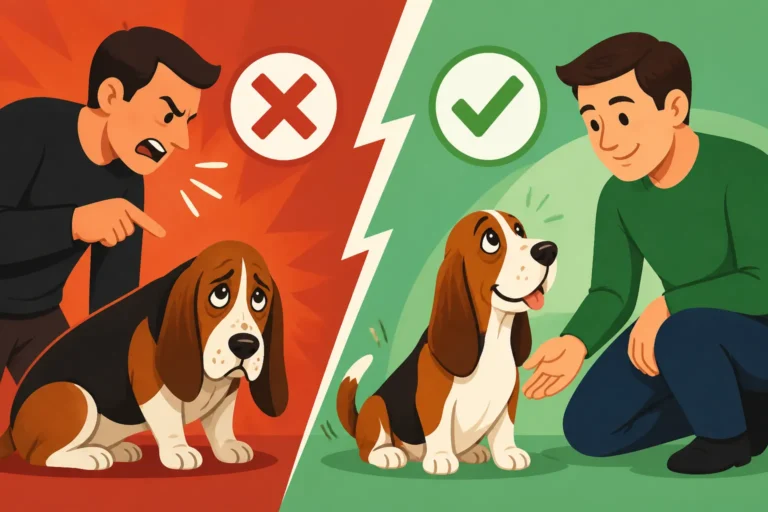
During this stage, consistent training is key. If you inadvertently reward whining or barking, you're teaching your puppy that being loud gets them what they want. It’s a delicate balance of meeting their needs without reinforcing unwanted noise. Many owners find themselves grappling with this, wondering if the incessant vocalizations will ever cease. For some, the sheer volume can be a real challenge, particularly if living in apartments or close quarters.
Adolescent 'Talkativeness' and Energy Levels
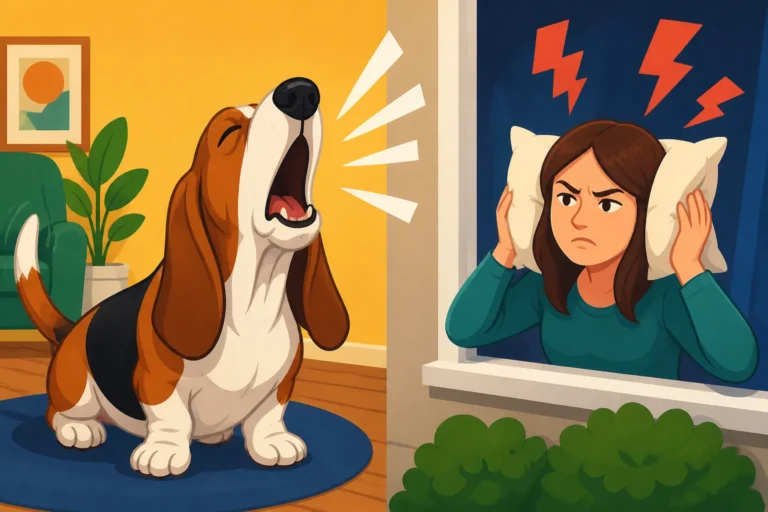
As Basset Hounds mature into adolescence, typically between six months and two years, their vocalizations can sometimes intensify. This isn't just puppy noise anymore; it's a more confident expression of their hound nature. They might bay more frequently, especially if they catch a scent outdoors. This is often when owners start to worry about Whether a Basset Hound Gets Its Owner a Noise Complaint. Their energy levels might still be quite high, leading to vocal outbursts during play or when they're simply over-stimulated.
This period can also see the emergence of separation anxiety for some hounds, leading to howling or barking when left alone. It’s a time of testing boundaries and asserting their personality. While they might still be prone to mischief, a well-structured routine, plenty of mental stimulation, and consistent training can help manage this "talkativeness." Providing outlets for their natural instincts, like scent work games, can channel their energy and focus their formidable noses, potentially reducing indiscriminate vocalization out of boredom.
Aging and Vocalization: A Complex Relationship
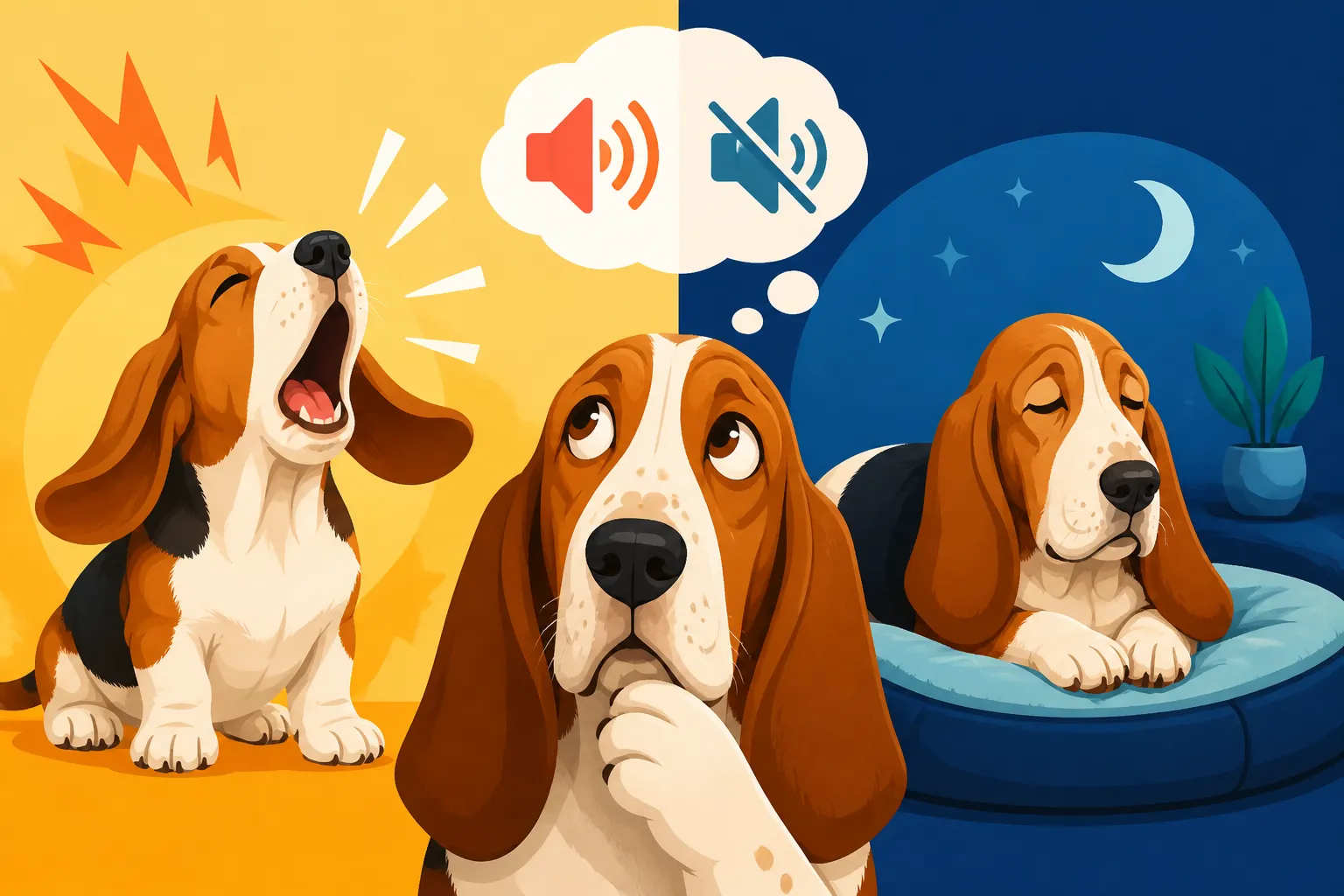
The idea that an older dog automatically becomes quieter is a lovely thought, isn't it? For some Basset Hounds, it might hold true. As they slow down physically, their sheer energy to bay at every squirrel or constantly demand attention might wane. However, it's not always a straightforward path to silence. In fact, many senior Basset Hounds can develop new vocal habits or increase existing ones due to age-related changes.
The Slowing Down Effect: Less Energy, Less Noise?
One perspective is that as a Basset Hound ages, its energy levels naturally decrease. Those long, enthusiastic baying sessions after spotting a rabbit might become shorter, or less frequent. The zoomies, once a daily occurrence accompanied by playful yaps, might dwindle to a gentle trot. This physical slowing can indeed lead to a reduction in the sheer volume and frequency of certain types of vocalizations. An older Basset Hound might spend more time napping peacefully on their orthopedic bed from Amazon, rather than patrolling the yard with a full-throated Whether a Basset Hound Is Loud declaration.
This perceived quietness often comes from a general reduction in activity. They may not be as quick to react to external stimuli, or they simply don't have the stamina for prolonged vocal performances. For owners who have lived through years of boisterous baying, this shift can be a welcome change, bringing a more serene atmosphere to the home. It’s a quietness born of contentment and reduced physical capacity, rather than a learned suppression of their natural voice.
Health Issues That Can Increase Vocalization
Unfortunately, old age isn't always serene, and many health issues can lead to an increase in vocalizations. This is often one of the most heartbreaking aspects of owning an older dog, as their increased noise is a sign of discomfort or distress.
Consider a Basset Hound suffering from arthritis or back pain. The Back Trouble a Basset Hound Is Built Into is a common concern for the breed, and the discomfort can manifest as groaning, whimpering, or even sharp cries when they try to move or get comfortable. An older dog might also start vocalizing more at night if they are in pain, disturbing everyone's sleep. It's not a deliberate act of being noisy; it's a physical reaction to their suffering. Regular veterinary check-ups are crucial to identify and manage these conditions, providing relief that can in turn quiet their expressions of pain. Sometimes, even subtle changes like having trouble getting off the floor, which is explored in The Old Basset Hound That Cannot Get Off the Floor, can cause them to vocalize more out of frustration or discomfort.
Another common age-related issue is Whether an Old Basset Hound Goes Deaf. If a Basset Hound starts losing its hearing, it might not realize how loud it's being. They might bark or howl more because they can't hear themselves, or because they feel more isolated and are trying to locate their family. Similarly, vision impairment can lead to anxiety, especially in unfamiliar surroundings or at night, resulting in confused vocalizations. Regular sensory checks by your vet are vital to catch these changes early.
Cognitive Dysfunction and Disorientation
Just like people, dogs can experience cognitive decline as they age, sometimes referred to as Canine Cognitive Dysfunction (CCD). This can be incredibly disorienting for a Basset Hound and often leads to increased vocalization.
A Basset Hound with CCD might start to wander aimlessly, get stuck in corners, or stare blankly at walls. They might vocalize excessively, especially at night, as they feel anxious and confused. This can manifest as relentless barking, howling, or a general restless grumbling. Owners often describe this as "sundowning," where the dog's confusion and vocalization worsen in the evening hours. It's not a behavior problem in the traditional sense, but a neurological one. Understanding The Signs a Basset Hound Is Getting Old can help you recognize these subtle shifts early. Management often involves a consistent routine, calming supplements, and sometimes prescription medications to help manage the symptoms. Consulting with a vet and perhaps a specialized behaviorist can provide strategies to ease their anxiety and help reduce these vocal outbursts.
Factors Influencing Vocalization in Senior Basset Hounds
The aging process affects every Basset Hound differently, and several factors can influence whether they become quieter or, conversely, more vocal. It's a blend of genetics, environment, and individual personality that shapes their later years.
Environmental Changes and Routine Disruptions
Basset Hounds thrive on routine and stability. As they age, their need for predictability often intensifies. Any significant environmental change can cause stress and, consequently, an increase in vocalization. Moving to a new home, a change in family dynamics (like a new baby or a family member moving out), or even subtle shifts in their daily schedule can be unsettling. A senior Basset Hound might express this unease through increased barking, whining, or baying, especially if they are feeling confused or anxious.
Maintaining a consistent daily schedule for feeding, walks, and potty breaks becomes even more critical for older dogs. Providing them with a safe, quiet space of their own, perhaps with a comfortable bed and familiar scents, can help alleviate anxiety. Even small disruptions to their accustomed routine can feel monumental to an older hound whose cognitive functions might be waning. For instance, if you usually take them for a walk at 8 AM, and suddenly that changes to 10 AM, they might vocalize more in the interim out of anticipation or confusion.
Training and Enrichment Throughout Their Lives
A Basset Hound that has been consistently trained and provided with ample mental and physical enrichment throughout its life is often better equipped to handle the challenges of old age. This doesn't mean they'll be silent, but they might have a wider repertoire of coping mechanisms. A well-socialized Basset Hound, for instance, might be less prone to anxiety-induced barking at new situations. Early and ongoing training, even for simple commands, helps build a strong bond and a sense of security. What Actually Motivates a Basset Hound typically involves food and praise, so these tools can still be effective in managing behavior even in their senior years.
Even for older Basset Hounds, it's never too late to reinforce good behavior. Gentle, positive reinforcement training can help manage new vocalizations that arise from anxiety or confusion. Engaging them with scent games or puzzle toys, easily found on Amazon, can provide mental stimulation without putting strain on their aging bodies. Companies like BAXTER & Bella offer online resources that can be adapted for senior dogs, focusing on low-impact mental exercises to keep their minds sharp and engaged, which can reduce vocalizations stemming from boredom or frustration.
The Role of Companionship
Basset Hounds are social creatures. While some might be perfectly content as an only dog, many thrive with companionship. As they age, feelings of loneliness or separation anxiety can intensify, leading to increased vocalization. If a Basset Hound has always had a canine companion, and that companion passes away, the remaining hound might experience grief and loneliness, expressed through howling or mournful bays. This is where the question of Whether a Basset Hound Needs a Second Hound can sometimes become a real consideration for owners, balancing the needs of the senior dog with the practicalities of introducing a new puppy.
On the other hand, the presence of a calm, well-adjusted companion dog can sometimes help soothe an anxious or confused senior Basset Hound, potentially reducing their vocal outbursts. It's about finding the right balance for your individual hound. Even if another dog isn't an option, increasing human interaction, providing consistent presence, and offering comforting routines can significantly impact their emotional well-being and, consequently, their noise levels. Sometimes, simply moving their bed into your bedroom can make a huge difference to an old dog who suddenly feels vulnerable alone at night.
Managing Vocalization in an Aging Basset Hound
When your senior Basset Hound starts to become more vocal, it can be frustrating, especially if you were hoping for a quieter golden age. However, there are many proactive steps you can take to understand and manage their increased "talking." The first and most important step is always a trip to the vet.
The All-Important Vet Check-Up
Any sudden or significant change in an older Basset Hound's vocalization should always warrant a visit to the veterinarian. As we discussed, increased noise is often a cry for help, a sign of underlying pain, discomfort, or cognitive decline. Your vet can perform a thorough physical examination, check for conditions like arthritis, dental pain, urinary tract infections, or even more serious internal issues. They can also assess for sensory losses like deafness or vision impairment.
Once any medical causes are addressed, your vet can work with you to create a management plan. This might involve pain medication, joint supplements, or medications for cognitive dysfunction. Remember, a comfortable dog is often a quieter dog. Don't assume increased vocalization is just "old age" – it could be something treatable that significantly improves their quality of life. Even if it's not a curable condition, managing the symptoms can bring immense relief to your hound and peace to your home. What Basset Hounds Are Most Often Treated For often includes musculoskeletal and ear issues, both of which can lead to vocalization.
Adjusting Routines and Environment
For an aging Basset Hound, stability is paramount. Try to keep their daily routine as consistent as possible. This includes feeding times, potty breaks, and short, gentle walks. Senior dogs often benefit from more frequent, shorter potty breaks, which can reduce anxiety-induced vocalizations related to needing to go outside.
Make your home as senior-friendly as possible. Provide easy access to comfortable, supportive beds – an orthopedic bed from Amazon can make a huge difference for stiff joints. Ensure they have clear pathways and nightlights for confused or vision-impaired dogs. Ramps can help them access favorite furniture without pain, removing a source of frustration that might lead to vocalization. If they are struggling to navigate, consider child gates (also readily available on Amazon) to safely confine them to smaller, familiar areas when you can't supervise directly, preventing them from getting "lost" in the house and calling out in distress. These subtle environmental modifications can create a sense of security and familiarity that often reduces anxiety-driven vocalizations.
Enrichment and Mental Stimulation
While physical activity might decrease, mental stimulation remains vital for senior Basset Hounds. It helps keep their minds engaged and can prevent boredom or cognitive decline from setting in too rapidly. Short, gentle scent work games, where you hide treats around the house for them to sniff out, are perfect. Puzzle toys that dispense kibble slowly can also keep them occupied.
Even brief, positive reinforcement training sessions, focusing on simple commands they already know, can be beneficial. It's not about teaching them complex new tricks, but about reinforcing their sense of purpose and connection with you. Remember, What Actually Motivates a Basset Hound often revolves around food and praise, which you can still leverage effectively. These activities, though seemingly small, can greatly improve their mental well-being and reduce the likelihood of vocalizing out of boredom or confusion.
Here's a quick overview of how vocalization might change with age and the common reasons:
| Vocalization Type | Young Basset Hound (Puppy/Adolescent) | Senior Basset Hound (7+ years) | Common Underlying Reasons |
|---|---|---|---|
| Whining | Attention, need to potty, excitement | Pain, confusion, loneliness, discomfort | Arthritis, bladder issues, cognitive dysfunction, sensory loss, separation anxiety. |
| Barking | Play, alert, excitement, boredom | Anxiety, disorientation, sensory loss, pain | Cognitive decline, hearing/vision loss, pain on movement, territoriality. |
| Baying/Howling | Scent following, pack instinct, loneliness | Disorientation, isolation, pain, grief | Separation anxiety, CCD, response to external triggers (sirens), mourning a lost companion. |
| Grumbling/Groaning | Contentment, mild protest | Pain, difficulty moving, discomfort in sleep | Joint pain, back issues, general discomfort, seeking a comfortable position. |
Ultimately, whether a Basset Hound grows quieter with age depends heavily on their individual health, environment, and how their cognitive abilities fare over time. While some may indeed mellow out, it's equally common for others to become more vocal as they face the challenges of their golden years. Our job as their loving owners is to listen to their voices, understand what they're trying to tell us, and provide them with the care and comfort they deserve.
Disclaimer
This article is for general informational purposes only and does not constitute professional advice. Laws, prices and regulations vary by location and change over time. Consult a qualified professional for guidance on your specific situation.