Whether a Basset Hound Tolerates a Food Change
Basset Hound digestive systems react poorly to new food because of sensitive gut flora and specific protein intolerances.
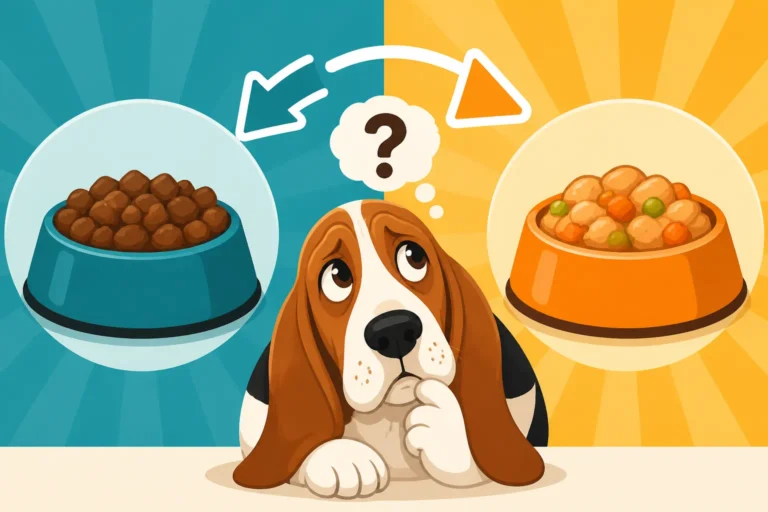
Basset Hound digestive systems react poorly to new food because of sensitive gut flora and specific protein intolerances.
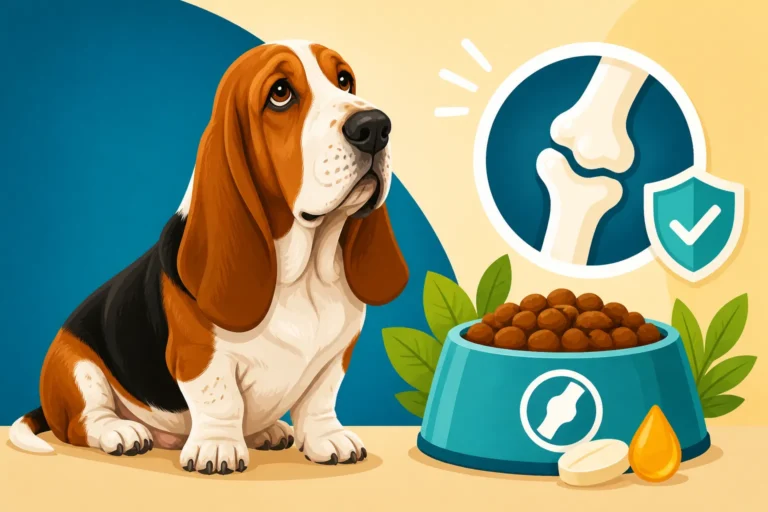
Basset Hound joint support needs, exploring how achondroplasia, heavy frames, and weight impact hips, elbows, and spinal discs.

Free feeding Basset Hounds creates serious health and behavioral problems because these scent hounds cannot self regulate food intake.
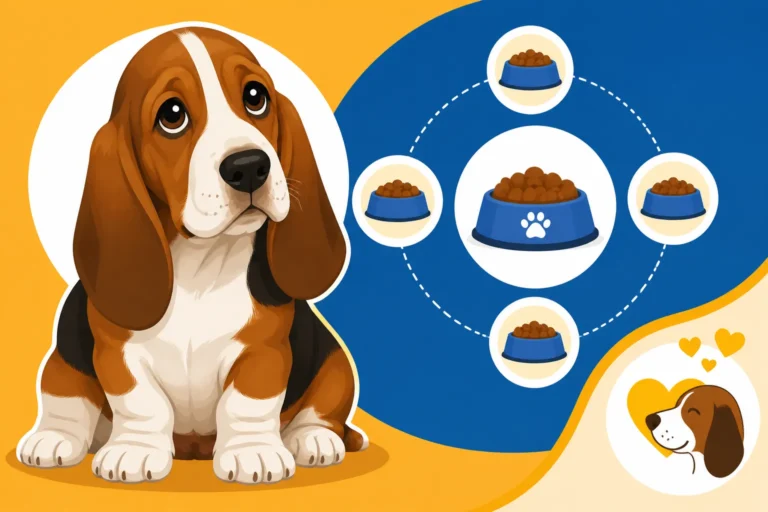
Basset Hound puppy meal schedules explained by developmental stages, growth spurts, and nutritional demands for healthy growth.
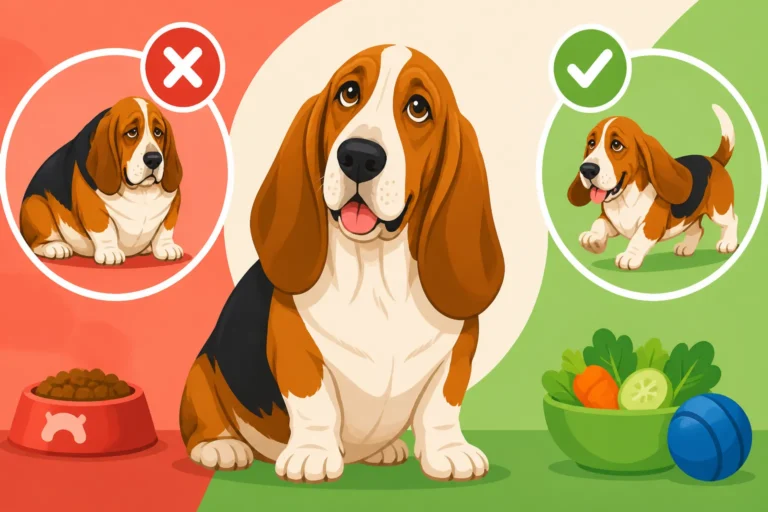
Basset Hound weight management explains slow metabolism, high food motivation, and how low-slung builds store extra pounds.

Basset Hound feeding guidelines explain how slower metabolism and low activity levels dictate precise daily portion control.

Basset Hound bathing frequency depends on managing oily skin, year round shedding, and moisture in their distinctive ear and facial skin folds.
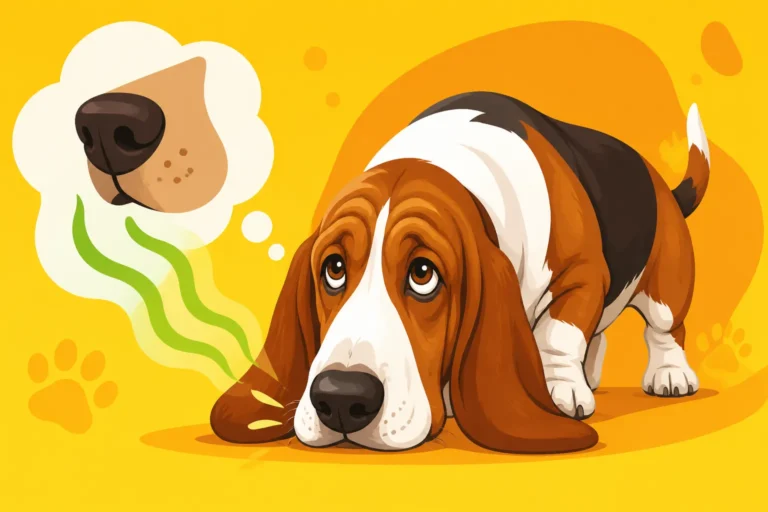
Basset Hound body odor stems from ears, skin folds, and coat that trap moisture, dirt, and bacteria, requiring regular care.
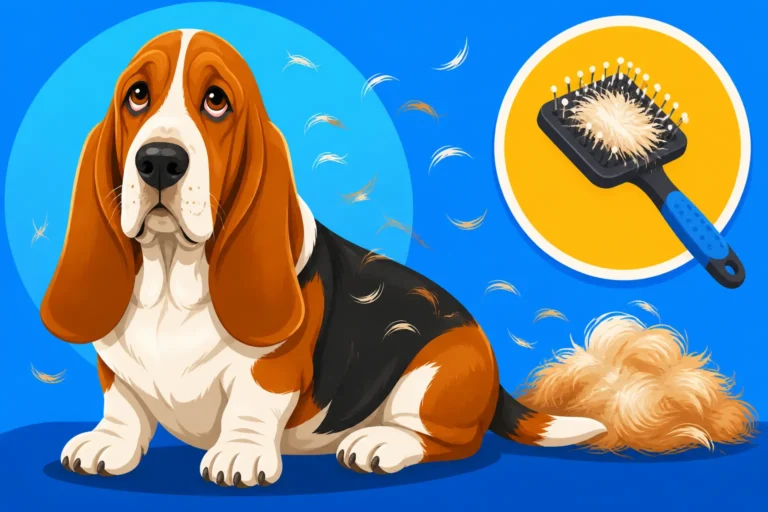
Basset Hound shedding, where a short, smooth, dense and coarse coat still leaves hair on clothing and furniture, and ways to manage it.
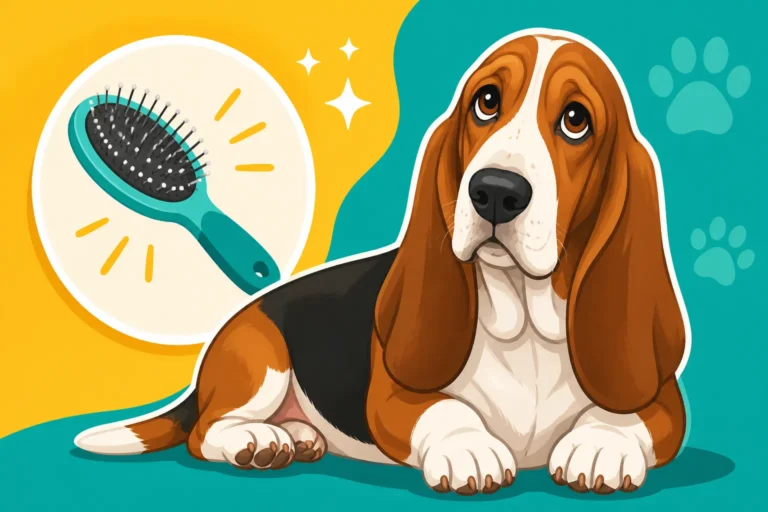
Basset Hound coat maintenance involves understanding double coats, managing heavy shedding, and preventing skin irritation with regular brushing.