Whether a Basset Hound’s Coat Needs Brushing
Many Basset Hound owners find themselves staring at their short-coated companion, wondering if the seemingly minimal fur truly warrants a dedicated brushing routine. It's a common misconception that because their coat is short and smooth, it's virtually maintenance-free, often leading to surprised looks when the shedding starts. This comprehensive guide will delve into the unique characteristics of a Basset Hound's coat, uncover the surprising amount of shedding they can produce, and explain why regular brushing is not just beneficial but truly essential for their health, comfort, and the cleanliness of your home.
The Basset Hound's Coat: More Than Just Short Hair
It’s easy to look at a Basset Hound’s sleek, dense coat and think it's simple. After all, it’s not long, fluffy, or prone to matting in the way a Setter’s or a Poodle’s might be. However, this short, hardy coat is far more complex than it appears at first glance, and understanding its composition is key to appreciating why brushing plays such a vital role in their overall well-being.
Understanding the Basset Hound's Double Coat
While it might not be immediately obvious, Basset Hounds possess a double coat. This means they have two distinct layers of fur, each serving a critical purpose. The outer layer, or guard coat, consists of coarser, straight hairs that are dense and lie close to the body. This layer acts as a protective shield, repelling water, dirt, and minor abrasions, much like a natural raincoat. It's the visible coat you primarily interact with.
Beneath this protective outer layer lies a softer, denser undercoat. This downy layer is primarily responsible for insulation, keeping your Basset warm in cooler temperatures and, somewhat counterintuitively, helping to regulate their body temperature in warmer weather by trapping a layer of air. This undercoat is what contributes significantly to shedding, as it cycles through growth and loss to adapt to environmental changes, making it crucial to manage with regular grooming.
The Texture and Characteristics of Their Fur
The Basset Hound’s coat is often described as smooth, short, and hard. When you run your hand over it, you'll feel that dense texture, which is a hallmark of a working scent hound's coat designed for traversing brush and varied terrain. While some Bassets might have a slightly softer outer coat, the underlying density is always there. This characteristic density, coupled with the presence of an undercoat, means that despite the individual hairs being short, there are a lot of them.
This density is also why their coat can trap a fair amount of loose hair, dander, and even environmental debris right against their skin. Without regular intervention, this accumulation can lead to skin irritation, dullness, or simply a greater amount of shedding around your home. It’s not just about aesthetics; it’s about maintaining the natural function and health of their skin and fur.
Common Misconceptions About Short Coats
One of the biggest misconceptions about short-coated breeds like the Basset Hound is that they don't shed much, or that their shedding is somehow less impactful than a long-haired dog's. Many owners assume that "short hair" equals "low maintenance" in the grooming department. This couldn't be further from the truth. While you won't be battling tangled mats or intricate styling, you will be dealing with a constant, and often substantial, release of fine, stiff hairs that seem to embed themselves into every fabric surface imaginable.
Another common thought is that short coats don't get dirty or smelly as easily. While it's true they might not pick up burs or get mud hopelessly tangled in their fur, their dense coat and often oily skin can still harbor dirt, allergens, and the characteristic "hound smell." Regular brushing helps distribute natural oils, removing environmental grime and dead skin cells, which contributes significantly to a cleaner-smelling, healthier hound. It’s also important to remember that the loose hair needs to go somewhere, and without brushing, it's going to end up on your furniture, clothes, and floors.
Shedding: The Unavoidable Truth for Basset Hounds
If you own a Basset Hound, you know that the idea of a "non-shedding" short-haired dog is a myth. These charming hounds shed, and they often shed with surprising enthusiasm. Understanding the nature of their shedding and how to manage it is a crucial part of Basset Hound ownership, preventing your home from becoming an ode to their lovely, yet pervasive, fur.
Seasonal Shedding vs. Year-Round Hair Loss
Like many double-coated breeds, Basset Hounds experience seasonal shedding, often referred to as "blowing their coat." This typically occurs twice a year, in spring and fall. In the spring, they shed their heavy winter undercoat to prepare for warmer weather, while in the fall, they shed their lighter summer coat to make way for a thicker, warmer layer. During these periods, the amount of hair coming off your Basset can be quite significant, leading to what some affectionately call "dust bunnies the size of small rodents" floating around the house.
However, it's not just seasonal. Basset Hounds also experience year-round, continuous shedding. Individual hairs have a growth cycle, and old hairs are constantly being replaced by new ones. This means that even outside of the major seasonal events, you'll still find Basset Hound hair on your sofa, your clothes, and your floors. The shorter, stiffer hairs can be particularly adept at weaving themselves into fabric, making them challenging to remove. How Much a Basset Hound Sheds is often more than new owners expect.
Factors Influencing Shedding Intensity
Several factors can influence how much your Basset Hound sheds. Genetics play a role, with some individual hounds naturally shedding more than others. Diet is another significant contributor; a high-quality, balanced diet rich in essential fatty acids (like Omega-3 and Omega-6) can promote a healthier coat and potentially reduce excessive shedding. Conversely, a poor diet can lead to a dull, brittle coat and increased hair loss. For example, some owners choose premium foods from brands like Ollie, believing the fresh ingredients support better coat health.
Environmental factors also contribute. Indoor dogs, exposed to artificial light and consistent temperatures, may not have as distinct seasonal shedding patterns as dogs living primarily outdoors, and might instead shed more consistently throughout the year. Stress, allergies, underlying health issues like hypothyroidism, or even certain medications can also lead to increased or abnormal shedding. If you notice a sudden, dramatic change in your Basset's shedding without an obvious explanation, it's always a good idea to consult your veterinarian. Signs a Basset Hound's Thyroid Has Failed can include changes in coat quality and shedding.
Managing Basset Hound Hair in Your Home
Living with a shedding Basset Hound means developing strategies to manage the inevitable hair. Regular vacuuming, often daily during peak shedding seasons, becomes a necessity. Using lint rollers on clothes and furniture is a constant battle. Investing in washable throws for furniture or dog beds that are easy to clean can also help. Many owners find that dedicated pet vacuums with strong suction and specialized attachments are invaluable.
Beyond cleaning, proactive grooming is your most powerful weapon. The more loose hair you can remove before it falls out naturally, the less hair you'll find around your home. This is where consistent brushing truly shines. By regularly brushing your Basset, you're directly reducing the amount of hair that will otherwise end up on your floors and furniture, making your life and your cleaning routine much easier.
The Benefits of Regular Brushing for Your Basset Hound
Brushing your Basset Hound isn't just about reducing shedding around the house; it's a vital part of their overall care routine that offers a multitude of benefits for their physical health, mental well-being, and even strengthens the bond you share. Thinking of it as a chore misses the point of the positive impact it can have.
Promoting Skin Health and Circulation
A Basset Hound's dense coat and loose skin can create areas where moisture and debris can get trapped, leading to potential skin issues. Regular brushing helps to exfoliate the skin by removing dead skin cells and loose hair, which in turn allows the skin to breathe. This gentle massage stimulates blood circulation to the skin's surface, promoting a healthier skin barrier and encouraging new, healthy hair growth. It also helps distribute natural skin oils evenly across the coat, giving it a natural sheen and improving its protective qualities.
Without brushing, these dead skin cells and trapped hairs can irritate the skin, potentially leading to itching, redness, or even secondary infections. This is especially true for Basset Hounds, who are prone to Skin Fold Infections on a Basset Hound if their skin isn't properly maintained. Brushing is a simple, non-invasive way to keep their skin healthy and free from minor irritations before they escalate into more significant problems.
Minimizing Shedding and Controlling Dander
Let's be real, one of the biggest motivators for brushing is to keep your home from being perpetually covered in dog hair. Regular brushing actively removes loose and dead hair from your Basset Hound before it has a chance to fall out naturally onto your carpets, furniture, and clothes. This proactive approach significantly reduces the amount of hair found in your environment, making cleaning tasks far less daunting. Think of it as controlled shedding rather than uncontrolled shedding.
In addition to hair, dogs also shed dander, which are tiny flakes of dead skin. Dander is a common allergen for many people. While no dog is truly "hypoallergenic," regular brushing helps to remove this dander along with the loose hair, distributing it into the brush rather than releasing it into the air and onto surfaces in your home. This can be particularly beneficial for family members with mild allergies, as it reduces the overall allergen load in the environment.
Strengthening Your Bond and Early Health Checks
Grooming sessions, when approached positively, are a fantastic opportunity to deepen the bond with your Basset Hound. The gentle, rhythmic strokes of the brush can be very soothing for many dogs, turning grooming into a pleasant, shared experience. It's a quiet time for connection, demonstrating your care and attention, which builds trust and affection. Many Basset Hounds learn to truly enjoy their brushing sessions, offering contented sighs and leaning into the strokes.
These regular, hands-on sessions also serve as invaluable opportunities for early health checks. As you brush, you're systematically touching and inspecting almost every part of your Basset's body. This allows you to feel for any unusual lumps, bumps, or tender spots that might indicate an underlying issue. You can spot skin irritations, flea infestations, tics, or changes in coat texture that could signal health problems. Catching these things early can make a significant difference in treatment and prognosis. It's a simple, proactive way to stay on top of your hound's health, ensuring they are not just looking good, but feeling good too.
Choosing the Right Tools for Your Basset Hound's Coat
Having the right grooming tools makes all the difference when it comes to effectively brushing your Basset Hound and making the experience pleasant for both of you. You don't need a huge arsenal, but selecting brushes and combs designed for short, dense coats will yield the best results.
Essential Brushes for Short-Haired Breeds
For a Basset Hound's short, dense, double coat, a few specific types of brushes stand out as essential.
- Rubber Curry Brush (or ZoomGroom-style brush): This is often considered the go-to brush for Basset Hounds. Made of soft rubber or silicone, it has flexible nubs that are excellent for massaging the skin, stimulating circulation, and loosening dead hair and dander from both the topcoat and the undercoat. It's particularly effective at removing loose hairs during shedding season and is gentle enough for everyday use. Plus, many dogs find the feel of it quite enjoyable, almost like a massage. You can find excellent options on Amazon or Chewy.
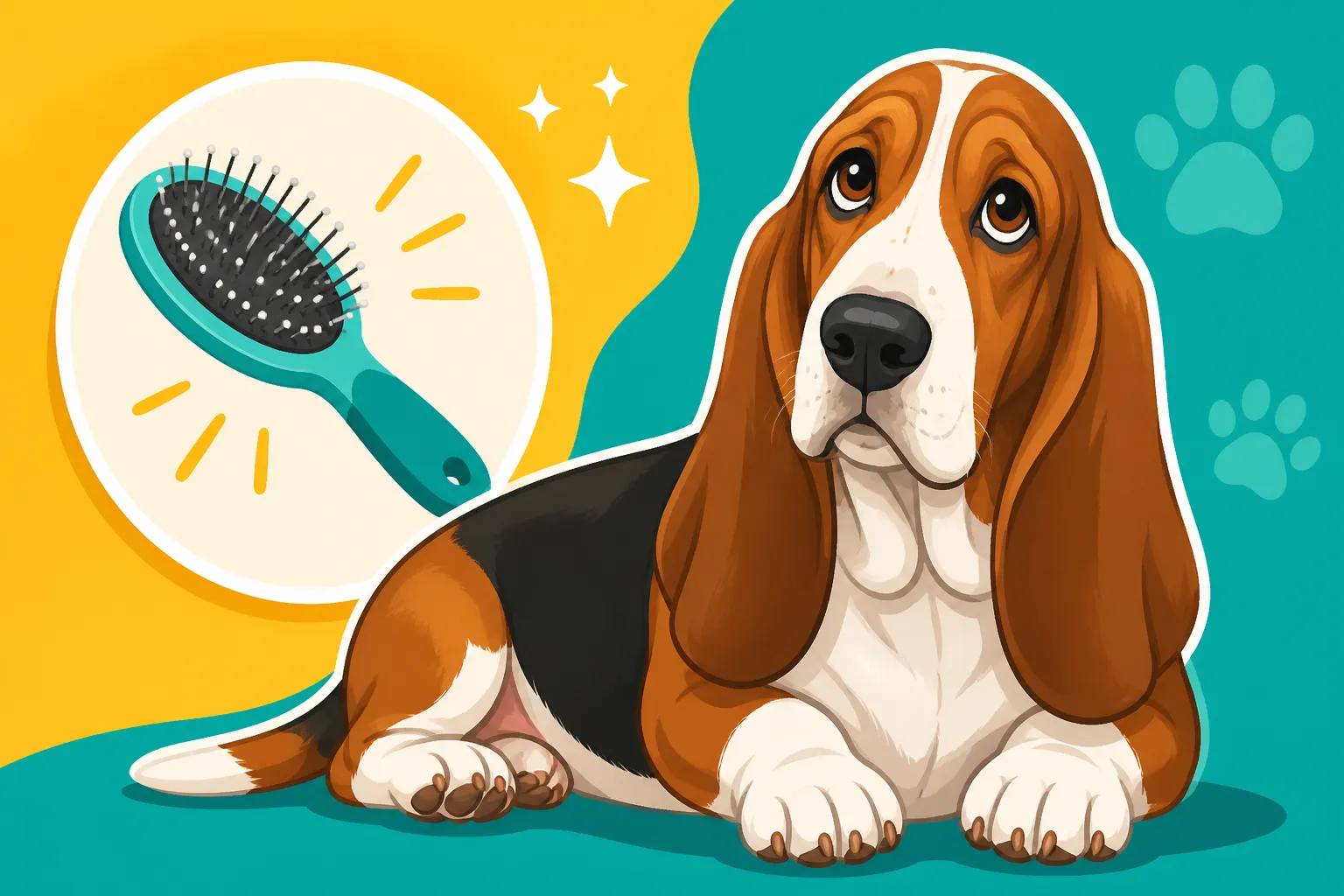
- Bristle Brush: A natural bristle brush, or a brush with a mix of natural and synthetic bristles, is fantastic for bringing out the natural shine in your Basset's coat. It helps to distribute the natural oils from the skin throughout the fur, smoothing the coat and giving it a healthy luster. While it won't remove as much undercoat as a curry brush, it's perfect for a finishing polish and for daily tidying.
- Hound Glove: This is essentially a glove with a textured rubber or cloth palm, perfect for quick, daily passes. You simply put it on and pet your dog, and the texture on the palm helps to pick up loose hair. It’s a great tool for a fast tidy-up or for dogs who are a little nervous about traditional brushes, as it feels more like being petted.
Each of these tools serves a slightly different purpose, and using them in conjunction can provide comprehensive coat care. Which Brush Suits a Basset Hound truly depends on the specific task and your dog's preference.
Deshedding Tools: Are They Necessary?
For Basset Hounds, who can be surprisingly heavy shedders, deshedding tools can be incredibly useful. Brands like FURminator offer specialized tools designed to reach deep into the undercoat and safely remove loose, dead hair without damaging the topcoat. These tools typically have fine, short, metal teeth that are spaced to grasp and pull out the undercoat that a regular brush might miss.
Are they necessary? If you want to significantly reduce the amount of hair floating around your house, then yes, they are highly recommended, especially during seasonal shedding peaks. However, caution is advised: deshedding tools should be used sparingly and correctly. Overuse or using too much pressure can irritate the skin or even cut the topcoat. Aim for once or twice a week during heavy shedding, and perhaps every few weeks otherwise, always following the manufacturer's instructions.
Other Grooming Aids
Beyond brushes, a few other items can complement your Basset Hound's grooming routine:
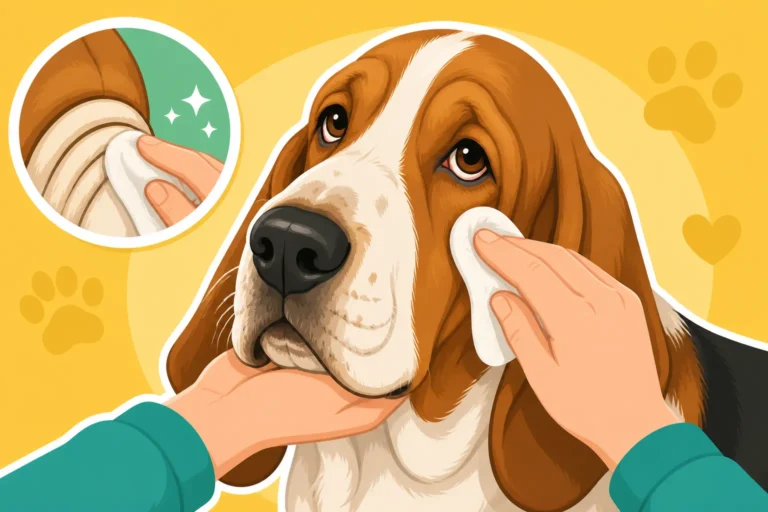
- Wipes: Gentle, pet-friendly wipes are fantastic for quickly cleaning their facial folds, ears, and mouth area, especially after meals or sniffing adventures. This helps prevent irritation and keeps those deep wrinkles healthy. Which Wipes Suit a Basset Hound's Face Folds are typically unscented and hypoallergenic options.
- Shampoo and Conditioner: When it's bath time, using a good quality dog shampoo that is gentle and moisturizing is important. Look for products designed for sensitive skin or to promote a healthy coat. Which Shampoo Suits a Basset Hound is often one that is pH balanced and free of harsh chemicals.
- Nail Clippers or Grinder: While not directly for the coat, keeping your Basset's nails trimmed is crucial for their comfort and gait, which indirectly impacts their overall well-being and ability to move freely without putting stress on their joints. How Often a Basset Hound's Nails Need Cutting is typically every 2-4 weeks.
- Treats: High-value treats are your best friend when establishing a positive grooming routine. Offering a tasty reward can make brushing a much more enjoyable experience for your Basset, associating it with positive reinforcement.
| Tool Type | Primary Use | Benefits for Basset Hounds | Frequency of Use |
|---|---|---|---|
| Rubber Curry Brush | Loosening dead hair, stimulating skin, gentle massage | Excellent for removing loose undercoat and dander, pleasant for dog | Daily or every other day |
| Bristle Brush | Smoothing coat, distributing oils, adding shine | Enhances natural luster, removes fine surface hairs | Daily |
| Deshedding Tool | Deep undercoat removal, significant shedding reduction | Drastically reduces hair in the home during heavy sheds | 1-2 times/week (seasonal) |
| Hound Glove | Quick surface hair removal, light massage, good for nervous dogs | Fast, convenient, feels like petting, great for daily tidying | Daily |
Establishing a Brushing Routine for Your Basset Hound
A consistent brushing routine is more effective than sporadic, intense sessions. It helps manage shedding, maintains coat health, and reinforces your bond. Making it a positive and predictable experience is key to a cooperative Basset Hound.
Frequency and Duration of Brushing Sessions
For a Basset Hound, a good baseline is to aim for 2-3 brushing sessions per week for general maintenance. During these sessions, focus on thoroughly going over their entire body. However, during peak shedding seasons (typically spring and fall), you might find yourself needing to brush daily to keep up with the volume of loose hair. Short, consistent daily sessions can be more effective and less overwhelming than trying to tackle a massive amount of hair once a week.
The duration of each session doesn't need to be long. For most Basset Hounds, 5-10 minutes of dedicated brushing is usually sufficient to remove loose hair and stimulate the skin. If you're using a deshedding tool, keep those sessions even shorter, perhaps 2-5 minutes, to avoid irritating their skin. The goal is consistency and effectiveness, not marathon grooming sessions that might make your Basset dread the brush.
Making Brushing a Positive Experience
From the very beginning, whether you have a puppy or an adult rescue, you want your Basset Hound to associate brushing with good things.
- Start Young and Gentle: If you have a puppy, introduce the brush gently and for very short periods. Let them sniff the brush, then gently run it over their body for just a few seconds, immediately followed by a high-value treat and praise. Gradually increase the duration as they become more comfortable. For an adult dog, the same principles apply, just perhaps with a bit more patience. Getting a Basset Hound Used to Ear Handling as a Puppy can follow a similar approach, slowly desensitizing them to touch.
- Choose a Calm Environment: Pick a quiet time and place where your Basset is relaxed and there are no distractions. A comfortable mat or bed can help them feel secure.
- Positive Reinforcement is Key: Throughout the brushing session, offer praise and occasional small treats. If your Basset remains calm, reward them generously when you're finished. You want them to think, "Oh, brushing time! That means treats and attention!"
- Be Patient and Attentive: Watch your Basset's body language. If they show signs of discomfort or stress (lip licking, yawning, stiff body, trying to move away), take a break. Never force them or make it a battle, as this can create a negative association that's hard to break. Keep the tone light and positive.
Troubleshooting Common Brushing Challenges
Even with the best intentions, you might encounter some bumps along the road when establishing a brushing routine.
- Reluctance or Fear of the Brush: If your Basset shies away from the brush, try introducing it very slowly. Leave the brush near their bed, let them investigate it. Then, put some peanut butter or a soft treat on the brush and let them lick it off. Gradually move to gentle, very short strokes, always pairing it with a reward. Use a hound glove or a soft rubber curry brush first, as these are less intimidating.
- Impatience or Wiggling: Basset Hounds, with their independent streak, can sometimes be a bit impatient. If your dog gets fidgety, try shorter sessions. You can also use a chew toy or a lick mat smeared with peanut butter to keep them distracted and happy during the brushing time. Having a second person to gently hold or distract them can also be helpful in the beginning.
- Sore Spots or Matted Areas: While matting is less common in Basset Hounds, sometimes particularly dense undercoat or a spot where they've rubbed can get a bit compacted. If you encounter a tender spot or a tangle, be extra gentle. Instead of pulling, try to work it out with your fingers first, then a wide-toothed comb, and finally a brush. Never yank on a knot, as this will cause pain and make your Basset hate brushing. If you find a painful lump or skin issue, this is where your early health check benefits come in, and a vet visit might be warranted. Whether a Basset Hound Licks Its Paws could indicate an irritation that needs gentle handling during brushing.
Beyond Brushing: Other Coat Care Considerations
While brushing is a cornerstone of Basset Hound coat care, it’s just one piece of the puzzle. A truly healthy and well-maintained coat involves a holistic approach that includes proper bathing, nutrition, and vigilant attention to skin health.
Bathing Practices for a Healthy Coat
Bathing a Basset Hound often conjures images of wet, floppy ears and a considerable amount of splashing. They don't need to be bathed as frequently as some long-haired breeds, but regular baths are crucial for removing accumulated dirt, excess oils, and loose hair that even brushing can't entirely tackle. Generally, bathing every 4-8 weeks is a good guideline, or more often if they get particularly muddy or smelly. How Often a Basset Hound Should Be Bathed often depends on their lifestyle and whether they have any specific skin conditions.
When bathing, use a dog-specific shampoo that is gentle and pH-balanced. Avoid human shampoos, as they can strip natural oils and irritate canine skin. Thoroughly wet their dense coat, apply shampoo, and work it into a good lather, paying special attention to their folds and undercarriage. Rinse meticulously, as any shampoo residue can cause skin irritation. After the bath, towel dry vigorously and, if your Basset tolerates it, use a low-heat pet dryer to ensure their dense undercoat is completely dry, especially in cooler weather, to prevent moisture-related skin issues. Don't forget their long ears – they definitely need to be dried! Whether a Basset Hound's Ears Should Be Dried After a Bath is a resounding yes.
Nutritional Impact on Coat Health
What you feed your Basset Hound has a direct and significant impact on the health and quality of their coat. A dull, dry, brittle coat, or excessive shedding beyond seasonal norms, can often be a red flag for nutritional deficiencies. A high-quality, balanced diet provides the essential nutrients needed for healthy skin and a lustrous coat.
Look for dog foods with:
- High-quality protein sources: Essential for hair growth and strength.
- Omega-3 and Omega-6 fatty acids: These healthy fats are crucial for skin hydration, reducing inflammation, and producing a shiny, healthy coat. Ingredients like fish oil, flaxseed, and chicken fat are good sources. Many dog food brands, including those found on Chewy, offer formulations with added Omega fatty acids.
- Vitamins and Minerals: Zinc, biotin, and vitamins A and E are particularly important for skin and coat health.
Some owners opt for fresh food diets, like those offered by Ollie, believing the minimal processing and high-quality ingredients lead to superior coat health and overall vitality. If your Basset’s coat isn't looking its best, discuss their diet with your vet. They might recommend specific supplements, such as fish oil, to boost coat health. Whether a Basset Hound Needs Fish Oil is a common question for owners seeking a shinier coat.
Addressing Skin Issues Affecting the Coat
Basset Hounds, with their wonderful wrinkles and long ears, can be prone to certain skin conditions that impact their coat. Being proactive and observant is key.
- Allergies: Basset Hounds can suffer from environmental or food allergies, which often manifest as itchy skin, redness, excessive licking (especially of the paws), and a dull or sparse coat. If you suspect allergies, your vet can help diagnose and manage them. Whether a Basset Hound Gets Allergies is a definite possibility for the breed.
- Skin Fold Dermatitis: The deep wrinkles on a Basset Hound’s face, neck, and sometimes body can trap moisture, dirt, and yeast, leading to infections. Regular cleaning and drying of these folds is critical. Whether a Basset Hound's Skin Folds Need Cleaning is an absolute must-do for Basset owners.
- Seborrhea: This condition causes oily or flaky skin, often accompanied by an odor. The coat can look greasy and there might be scaling. Medicated shampoos and vet-prescribed treatments are usually necessary to manage seborrhea. Whether a Basset Hound Gets Seborrhea is a concern for some owners.
- Parasites: Fleas, ticks, and mites can all cause intense itching, irritation, and damage to the coat. Regular use of vet-recommended flea and tick prevention is essential.
Maintaining a regular brushing routine allows you to closely monitor your Basset's skin and coat, giving you the best chance to spot any emerging issues early on. Paired with proper nutrition and appropriate bathing, brushing forms a comprehensive care strategy that keeps your Basset Hound comfortable, healthy, and looking their absolute best.
Disclaimer
This article is for general informational purposes only and does not constitute professional advice. Laws, prices and regulations vary by location and change over time. Consult a qualified professional for guidance on your specific situation.