Keeping a Basset Hound From Getting Heavy
It's a frustratingly common sight for Basset Hound owners: a dog whose body just seems to expand effortlessly, despite your best efforts to keep them lean. Those adorable wrinkles and long bodies can easily hide extra pounds, leading to a host of health problems and a diminished quality of life for our beloved companions. This guide is here to walk you through the unique challenges of keeping a Basset Hound at a healthy weight, offering practical strategies and empathetic advice to help your floppy-eared friend live their longest, happiest life.
Understanding Why Basset Hounds Gain Weight Easily
Basset Hounds aren't like other dogs. Their very build, their ancestral instincts, and even their joyful approach to food all conspire against them when it comes to maintaining a healthy weight. It's not just about giving them too much food; it's a complex interplay of genetics, lifestyle, and a strong will to eat.
The Basset Hound's Unique Metabolism and Build
Let's be honest, a Basset Hound's silhouette isn't exactly built for speed or a svelte figure. Their low-slung, heavy-boned structure and relatively short legs mean they don't burn calories with the same efficiency as, say, a Border Collie zipping around a field. They are inherently more prone to carrying extra weight due to their breed characteristics. What looks like a "normal" Basset often isn't a healthy one. The broad chest and ample skin can easily mask a thickening waistline, making it hard to spot the creeping pounds until they've really set in. How Much a Basset Hound Should Weigh is a good starting point for understanding what that healthy weight actually looks like.
Beyond their physical structure, Basset Hounds often have a slower metabolism compared to many other breeds. This means their bodies are naturally more efficient at storing energy (i.e., fat) rather than burning it off. This isn't a fault of your Basset; it's simply how they're wired, a holdover from their days as scent hounds meant to conserve energy over long, slow trails. Understanding this physiological predisposition is the first step toward effective weight management. It means every calorie counts more for them than it might for a more energetic breed.
The Role of Food Motivation in Weight Gain
If there's one thing almost universally true about Basset Hounds, it's their profound love for food. They often act as if every meal could be their last, and every crumb dropped on the floor is a treasure. This high food drive, while endearing at times, is a significant factor in their tendency to gain weight. They are masters of the sad-eyed gaze, the mournful sigh, and the gentle nudge, all designed to extract just one more treat from their unsuspecting humans. It's incredibly hard to resist! Whether a Basset Hound Begs Constantly is a common struggle for many owners.
This intense food motivation means they're always on the lookout for an eating opportunity. Counter-surfing isn't just a mischievous pastime; it's a deeply ingrained instinct to forage. Leftovers, unattended plates, and even the dog food bag left within reach are all fair game in the eyes of a hungry Basset. This makes managing their intake particularly challenging, as they're constantly seeking out additional calories beyond their designated meals. It's not about being "greedy" in a negative sense; it's about fulfilling a fundamental drive that has served their breed for centuries.
Lifestyle Factors That Contribute to a Heavier Basset
Our modern lifestyles, unfortunately, often don't align perfectly with the needs of a Basset Hound. They're often seen as "lazy" dogs, content to lounge around, but this misconception can lead to insufficient exercise. While they don't need to run marathons, regular, consistent activity is crucial for maintaining muscle tone and burning calories. A few short walks a day might not cut it, especially if those walks involve more sniffing than actual moving.
Beyond exercise, factors like easy access to food (free-feeding, where food is always available), excessive treats, and even a lack of mental stimulation can contribute to weight gain. A bored Basset might turn to eating as a form of entertainment. If they aren't engaged with scent work, puzzle toys, or interactive play, their primary source of enjoyment can become food, leading to a cycle of overeating and weight gain. It's a tricky balance to strike, especially when their calm demeanor makes it easy to underestimate their activity requirements.
The Real Dangers of an Overweight Basset Hound
Carrying extra weight is never benign for a dog, but for a Basset Hound, whose unique anatomy already presents certain vulnerabilities, it can be downright dangerous. The consequences go far beyond just looking a bit chunky; they can lead to chronic pain, serious medical conditions, and significantly shorten their lifespan. It's a heavy price to pay for those extra treats.
Joint and Structural Strain
The Basset Hound's distinctive short, bowed legs and long spine are marvels of evolution for scent tracking, but they are incredibly vulnerable to the added stress of excess weight. Imagine carrying a backpack filled with bricks everywhere you go, day in and day out. That's what it's like for an overweight Basset Hound. Their joints, particularly elbows, hips, and shoulders, are not designed to bear such a heavy load. This often leads to or exacerbates conditions like Elbow Dysplasia in a Basset Hound and arthritis.
The added strain on their spine is also a major concern. Basset Hounds are already prone to Intervertebral Disc Disease in a Basset Hound, a condition where the discs between the vertebrae bulge or rupture, causing immense pain, nerve damage, and potentially paralysis. An overweight Basset has a much higher risk of developing or worsening this debilitating condition because of the constant pressure on their back. Every jump off the sofa, every enthusiastic stretch, becomes a greater risk. The extra weight makes it harder for them to move, which in turn leads to less activity, creating a vicious cycle of weight gain and further joint degradation.
Increased Risk of Health Conditions
An overweight Basset Hound isn't just uncomfortable; they are at a significantly elevated risk for a host of serious health problems. Just like in humans, obesity in dogs is a gateway to chronic diseases. One of the most insidious is diabetes, where the body either doesn't produce enough insulin or can't effectively use the insulin it produces, leading to high blood sugar. This requires lifelong management, including daily insulin injections and strict dietary control.
Beyond diabetes, being overweight can put immense pressure on their heart and respiratory system. They might struggle more in warmer weather, become easily winded, and be more susceptible to heatstroke. Overweight Bassets are also more prone to certain types of cancer and may experience issues with their liver and kidneys. Even common ailments like skin infections in their folds can be exacerbated by a general decline in health due to obesity, as it makes them harder to clean and can weaken their immune response. The Skin Under a Basset Hound's Folds needs diligent care, and extra weight makes that even harder.
Impact on Quality of Life and Longevity
Perhaps the most heartbreaking consequence of an overweight Basset Hound is the dramatic impact on their quality of life. The joyful, curious nature of a Basset can be overshadowed by lethargy and discomfort. They might become less willing to play, struggle to keep up on walks, and even find simple tasks like getting up from a lying position or climbing a few stairs incredibly painful. This isn't the life we want for our beloved companions.
Their lifespan, too, is often cut short. What Extra Weight Does to a Basset Hound is a stark reminder that those extra pounds are not harmless. A Basset Hound at a healthy weight typically lives The Ten to Twelve Years a Basset Hound Lives, but an overweight dog may lose years off that precious time due to the chronic health issues they develop. Imagine the joy they miss out on, the adventures they can't share, simply because their body is struggling under an unnecessary burden. Helping them maintain a healthy weight is truly an act of love, ensuring they have the best possible chance at a long, active, and happy life by your side.
Practical Strategies for Weight Management
So, you're ready to tackle those extra pounds and get your Basset Hound back on track. It's a commitment, but one that will pay dividends in their health and happiness. The good news is that with a structured approach to diet, exercise, and consistency, you can absolutely make a difference. It's not about quick fixes; it's about sustainable changes.
Portion Control and Feeding Routines
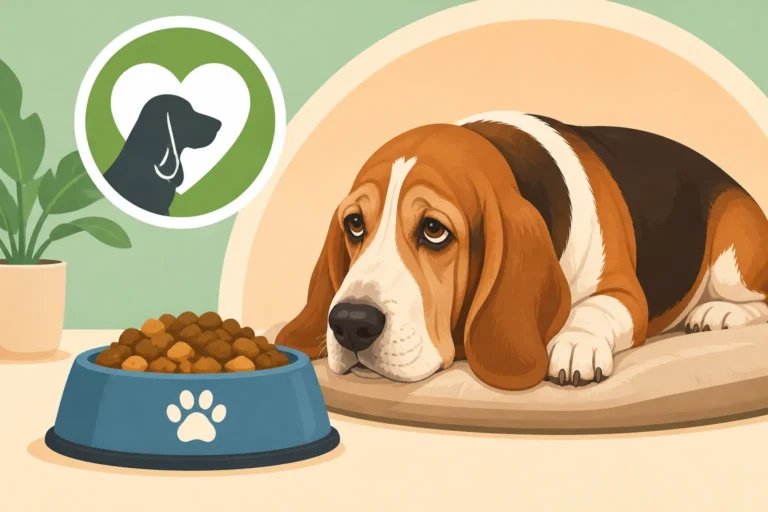
This is perhaps the single most crucial aspect of weight management for a Basset Hound: strict portion control. Free-feeding, where food is left out all day, is a recipe for disaster with a breed so food-motivated. You need to know exactly how much your Basset is eating. Start by consulting the feeding guidelines on your dog food bag, but be prepared to adjust. These guidelines are often for active dogs and might be too generous for a less active Basset, especially if they need to lose weight. Your veterinarian can help you calculate a precise daily caloric intake for weight loss.
Once you have your daily portion, divide it into two or even three smaller meals throughout the day. This can help keep your Basset feeling more satisfied and reduce the urge to beg. Serve meals at consistent times, creating a routine. If your Basset finishes their meal quickly, consider using a slow-feeder bowl or a puzzle feeder. These tools make them work for their food, slowing down ingestion and providing mental stimulation, which can help them feel fuller. You can find a great variety of slow feeders on platforms like Amazon or Chewy. Remember, every kibble counts, so be diligent about measuring accurately.
Choosing the Right Food
The type of food you feed your Basset Hound plays a significant role. For weight management, look for foods that are lower in calories, fat, and often higher in fiber. Fiber helps dogs feel full without adding excess calories. There are many "light" or "weight management" formulas specifically designed for this purpose. Always check the ingredients list; quality protein should be a primary ingredient, not fillers.
Consider consulting your veterinarian about prescription weight-loss diets if your Basset has a significant amount of weight to lose or if conventional methods aren't working. These diets are specifically formulated to create a calorie deficit while still providing all essential nutrients. Some fresh food delivery services, like Ollie, can also provide customized meal plans tailored to your dog's specific caloric needs and weight goals. The key is to select a food that supports a healthy weight without leaving your Basset feeling perpetually hungry, which can lead to other behavioral issues.
Incorporating Appropriate Exercise
While Basset Hounds aren't natural athletes, they do need regular exercise to maintain muscle mass, burn calories, and keep their joints supple. The challenge is finding activities they enjoy and that are appropriate for their unique build. Long, slow walks are perfect for a Basset, allowing them to indulge their incredible sense of smell. Aim for at least two good walks a day, each lasting 20-30 minutes, or even longer if they're up for it. How Far a Basset Hound Should Walk will depend on their fitness level, but gradual increases are key.
Vary your walking routes to keep things interesting and provide new scents to explore. Supervised off-leash time in a securely fenced area can also be beneficial, allowing them to move at their own pace without the constant pull of a leash. Remember, their recall on a scent trail is notoriously unreliable, so an unfenced area is a definite no-go. Whether a Basset Hound Should Ever Be Off Leash is a topic many owners grapple with, and safety should always come first. Beyond walks, incorporate gentle play sessions with toys that encourage movement, like rolling a ball they have to nudge, rather than chase. Even short bursts of activity can add up over the day.
Monitoring and Adjusting Your Basset Hound's Weight
Weight loss isn't usually a straight line, especially with Basset Hounds. There will be good weeks and frustrating weeks. The key is consistent monitoring and being prepared to make adjustments along the way. It’s a marathon, not a sprint, and celebrating small victories will help keep you motivated.
Regular Weight Checks and Body Condition Scoring
You can't manage what you don't measure. Regular weight checks are essential. Ideally, weigh your Basset Hound weekly or bi-weekly. Many vet clinics are happy for you to pop in just for a quick weigh-in, or you can invest in a sturdy pet scale at home. Keep a log of their weight to track progress over time. Don't get discouraged if the scale doesn't move every single week; sometimes weight loss is slow and steady.
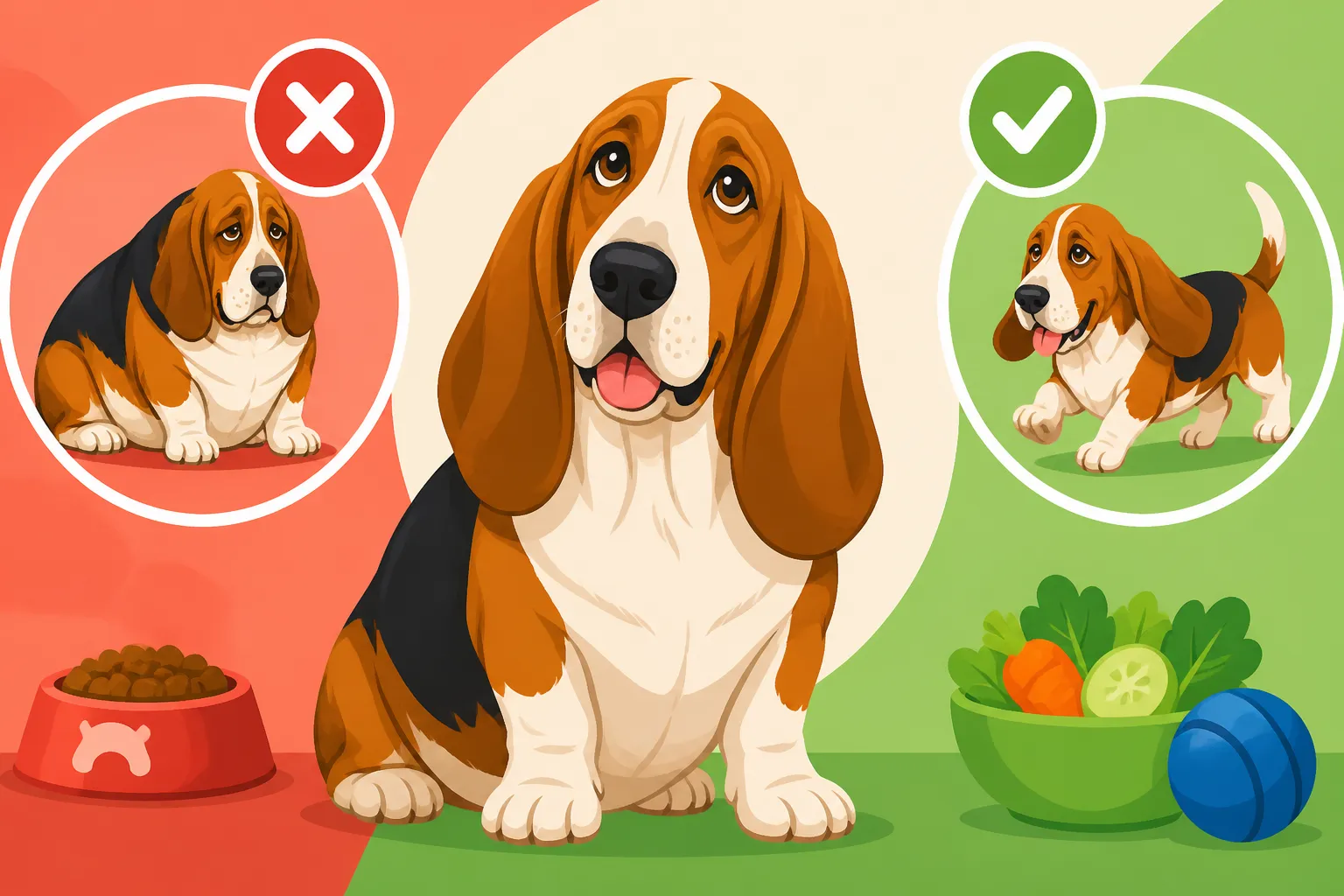
Equally important is learning to perform a body condition score (BCS). This is a hands-on assessment that tells you more than just the number on the scale. You should be able to easily feel your Basset's ribs under a thin layer of fat without pressing hard. They should also have a noticeable waist when viewed from above (though this can be tricky with their deep chest and loose skin). From the side, their abdomen should tuck up slightly rather than hanging low. If you're struggling with Feeling for a Basset Hound's Ribs Under Loose Skin, ask your vet or a knowledgeable groomer to show you what a healthy BCS looks and feels like. This subjective assessment is often more accurate than just weight alone, as Bassets can vary in bone structure.
Dealing with Stubborn Weight Loss
Sometimes, despite your best efforts, the weight just doesn't seem to budge. This can be incredibly frustrating. First, be meticulously honest with yourself about hidden calories. Are family members secretly slipping treats? Is your Basset finding dropped food? Even small amounts add up. Re-evaluate your portion sizes, perhaps reducing them by another 5-10% in consultation with your vet.
Consider increasing their activity levels gradually. Can you add another short walk, or extend current walks by a few minutes? Introduce more interactive play indoors. Sometimes, underlying health conditions can hinder weight loss, such as Signs a Basset Hound's Thyroid Has Failed. If your Basset isn't losing weight despite consistent effort, a visit to the vet for a thorough check-up is definitely in order. They may recommend blood tests to rule out metabolic issues that could be making weight loss particularly difficult.
When to Seek Veterinary Guidance
You're your Basset Hound's primary caregiver, but sometimes you need a professional assist. Your veterinarian is your best resource for effective weight management. They can provide accurate weight targets, calculate specific caloric needs for weight loss, and help you choose the most appropriate diet. They can also rule out any medical reasons for weight gain or difficulty losing weight, such as hypothyroidism or Cushing's disease. What Basset Hounds Are Most Often Treated For often includes conditions exacerbated by obesity.
Don't hesitate to schedule regular check-ins with your vet, especially in the early stages of a weight loss program. These appointments can help keep you accountable and allow for adjustments to the plan as needed. If your Basset Hound is struggling with mobility due to their weight, your vet might also recommend physical therapy or joint supplements to support their journey toward a healthier weight. They can offer invaluable guidance and support, turning a daunting task into a manageable journey toward a healthier, happier Basset.
Everyday Habits to Support a Healthy Weight
Weight management for a Basset Hound isn't just about meal times and walks; it's about integrating healthy habits into every aspect of their daily life. It's about making smart choices consistently and creating an environment that supports their well-being, both physically and mentally.
Smart Snacking and Treat Alternatives
Treats are often the silent saboteurs of a weight loss plan. It’s so easy to hand over an extra biscuit, especially when met with those soulful Basset eyes. However, treats are packed with calories that aren't accounted for in their daily food ration. The first step is to drastically reduce or eliminate high-calorie commercial treats.
Instead, opt for low-calorie, healthy alternatives. Pieces of plain, cooked chicken breast, steamed green beans, carrots, or apple slices (without seeds) make excellent and nutritious treats. Many dogs love crunchy vegetables. When you do use commercial treats, choose very small, soft ones that can be broken into even smaller pieces. Use them sparingly and count them towards your Basset's daily caloric intake. You might also consider using a portion of their regular kibble as "treats" for training or rewards, ensuring they're still within their daily calorie budget. Think quality over quantity, and make every treat count. Which Treats Suit a Basset Hound on a Diet often means getting creative.
Environmental Enrichment Beyond Food
A bored Basset Hound is often a hungry Basset Hound. If their lives lack mental and physical stimulation, they're more likely to turn to food as their primary source of entertainment or comfort. This is where environmental enrichment comes in, offering alternatives to eating that fulfill their natural instincts. Basset Hounds have incredible noses, so engage that superpower!
Scent work games are fantastic for Bassets. Hide a few pieces of their daily kibble or small, healthy treats around the house or yard and let them "hunt" for it. Puzzle toys, snuffle mats (which you can find on Chewy or Amazon), and treat-dispensing balls can keep them occupied for extended periods, making them work for their food in a fun, engaging way. Interactive toys that don't involve food can also be beneficial, as can chew toys (ensure they're durable and appropriate for your Basset's chewing style). Regular training sessions, even short ones, provide mental exercise and strengthen your bond. Remember, a tired Basset from a good brain workout is often less interested in seeking out extra food. Whether Nose Work Tires a Basset Hound Out is a definite yes!
Enlisting the Family in the Weight Management Plan
You can be the most diligent Basset owner in the world, but if other family members aren't on board, your weight management efforts will be constantly undermined. This is a common pitfall. Everyone in the household needs to understand the importance of your Basset's healthy weight and be committed to the plan.
Hold a family meeting to discuss the new feeding routine, the types of treats allowed, and the dangers of sneaking extra food. Explain the health risks associated with obesity in Basset Hounds. Post a feeding schedule on the fridge and designate one person for meal times, or at least ensure everyone is aware of who has fed the dog and when. Make sure guests are also aware of the rules; those sad Basset eyes can be particularly effective on visitors! Consistency from everyone in the household is paramount. It creates a clear structure for your Basset and ensures they aren't getting double-fed or overloaded with secret snacks. This collective effort is crucial for long-term success in Keeping a Basset Hound at Its Correct Weight.
Disclaimer
This article is for general informational purposes only and does not constitute professional advice. Laws, prices and regulations vary by location and change over time. Consult a qualified professional for guidance on your specific situation.