Whether a Basset Hound Outperforms a German Shepherd on Scent
Basset Hounds and German Shepherds compared in scent detection, examining their unique strengths, physical adaptations, and working styles.
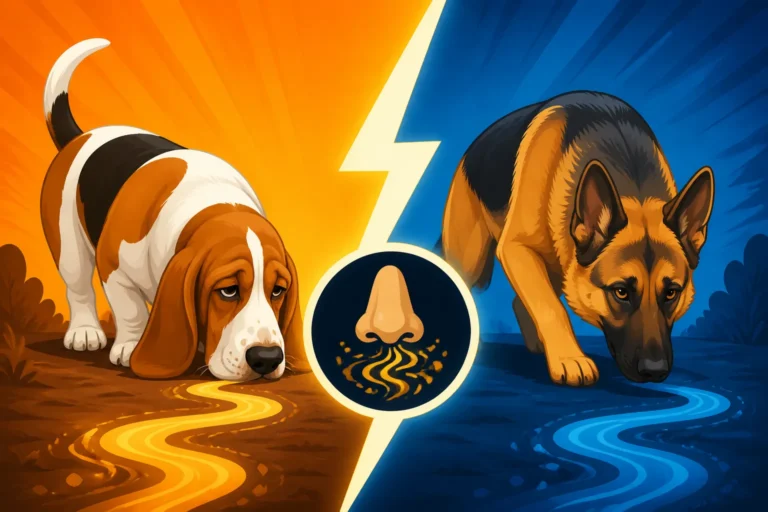
Basset Hounds and German Shepherds compared in scent detection, examining their unique strengths, physical adaptations, and working styles.
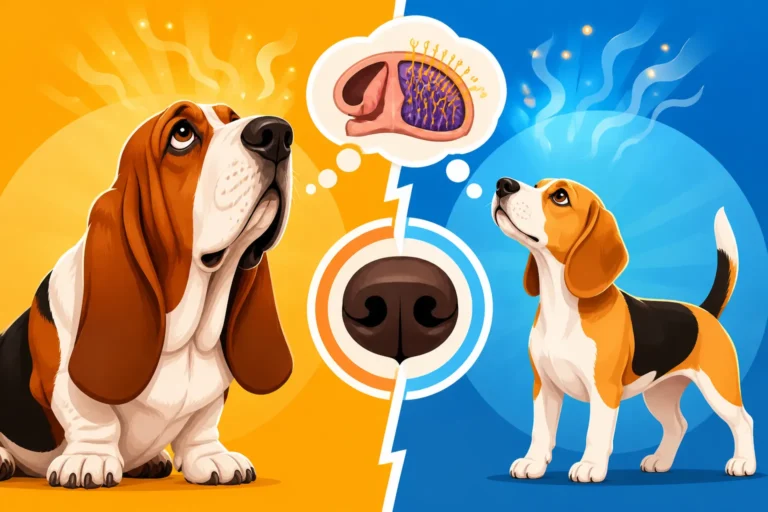
Basset Hound scent receptors and physical features compared to Beagles explain their remarkable canine tracking abilities.

Basset Hound wrinkles and loose skin trap scent particles near the ground and provide physical protection from undergrowth.

Basset Hound loose skin and dewlaps act as natural scent funnels, stirring ground particles to enhance tracking.
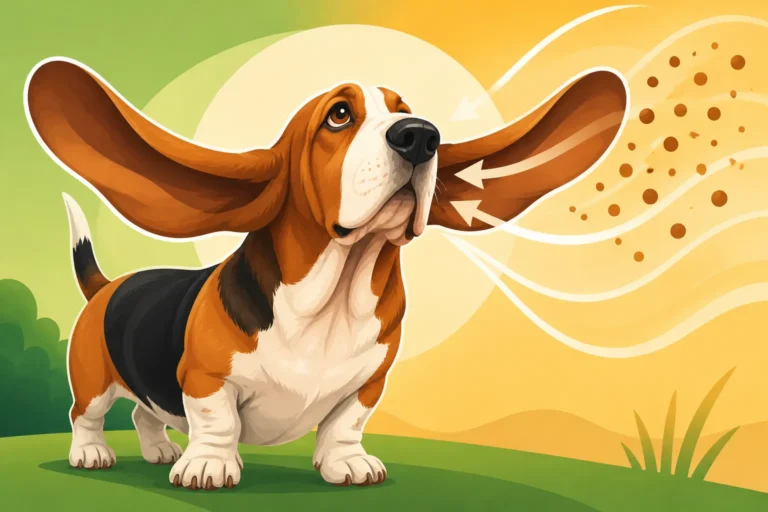
Basset Hound ears act as a passive scent trap, creating a cone that concentrates molecules near the nose for tracking trails.
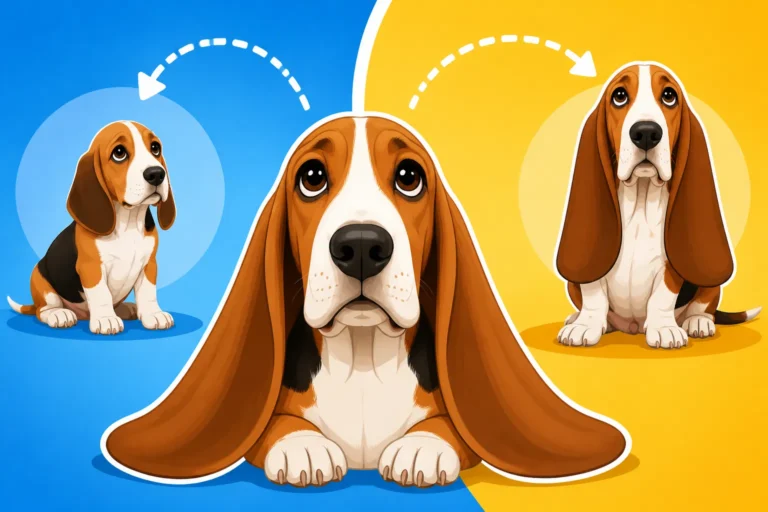
Basset Hound ear growth stops around eighteen months to two years of age when they reach full skeletal maturity.

Basset Hound ear length compared to other breeds, examining breed standards and the tracking function of velvety flaps.
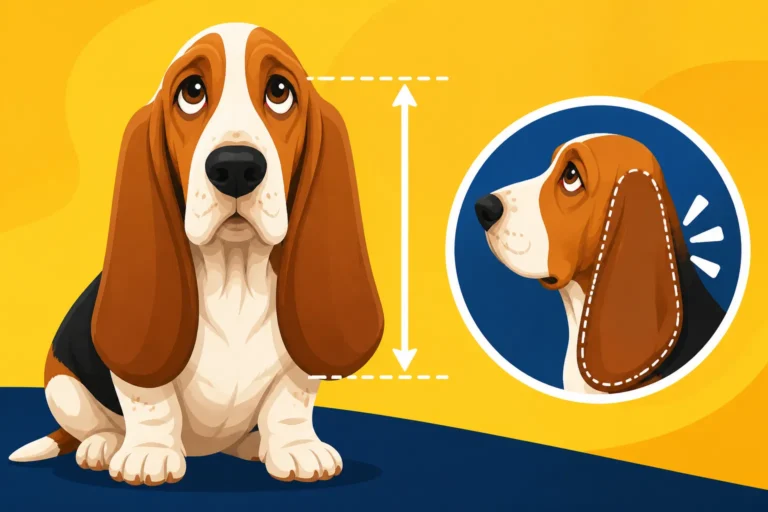
Basset Hound ear length, reaching twelve inches or more, and how these long ears create a scent tunnel for tracking.

Basset Hound popularity in modern households, factors influencing pet ownership trends, and their enduring appeal as family pets.

The history of the Basset Hound reveals how medieval French hunting dogs became famous through an American shoe advertisement.